
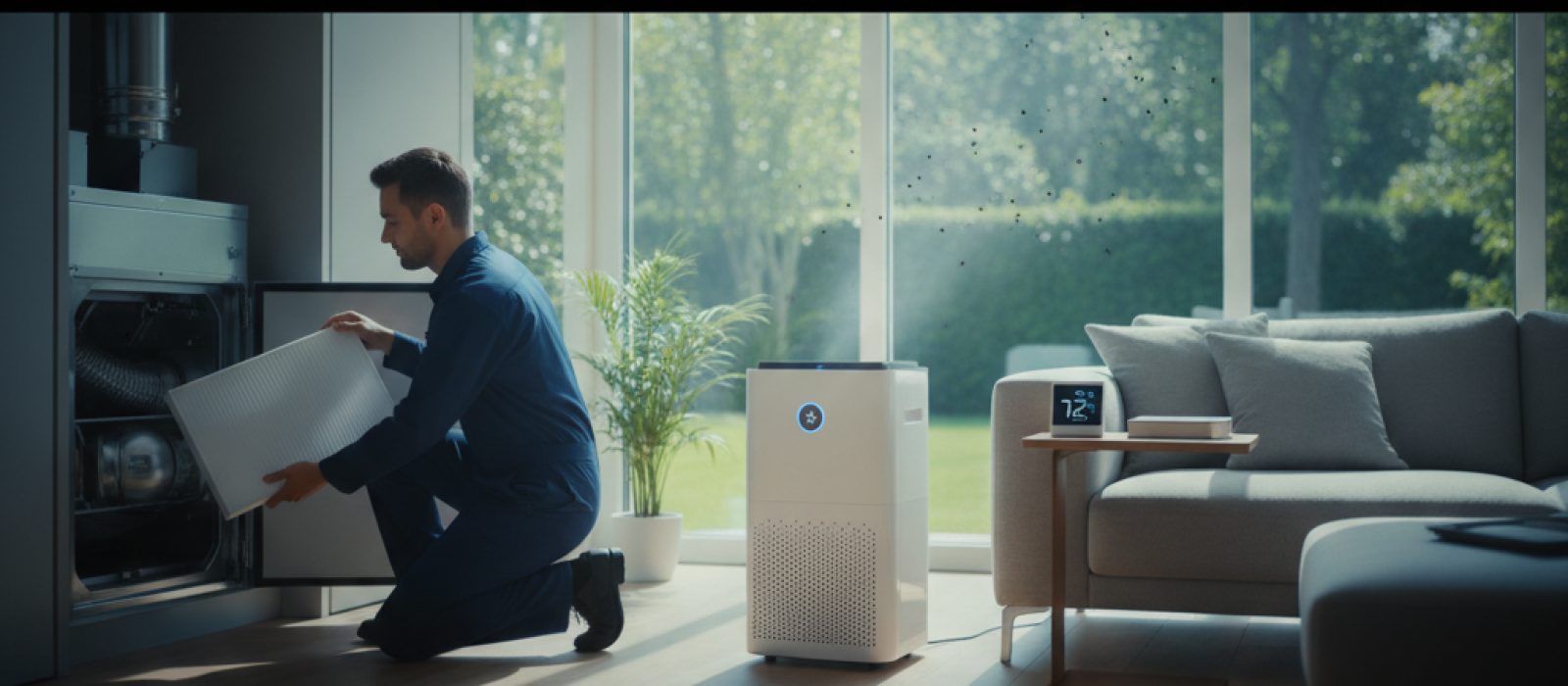
HEPA Air Cleaners for Allergies: What Actually Works
Learn how HEPA air cleaners function, their limitations in home environments, and how to effectively manage indoor air quality for allergy relief.
3 min read

Winter air is naturally dry, and the process of heating that air exacerbates the issue. As cold air enters a home and is warmed by a furnace or heat pump, its relative humidity drops significantly. This creates an environment where moisture is pulled from every available source, including wooden furniture, flooring, and the mucous membranes of residents. Understanding this cycle is the first step toward managing your indoor air quality.
Maintaining optimal indoor humidity levels between 30 and 50 percent can significantly improve comfort. Dry air often leads to chapped skin, dry throats, and increased susceptibility to respiratory irritation. By introducing moisture into the air supply, a whole-home humidifier helps mitigate these issues.
Unlike portable units that require daily refilling and cleaning, a whole-home humidifier integrates directly into your existing HVAC system. These units use a water panel or steam canister to introduce moisture into the air as it circulates through the ductwork. Because they are connected to the home’s plumbing supply, they operate automatically, providing consistent coverage throughout the entire residence.
Bypass humidifiers utilize the existing pressure differential of the HVAC system to pull air through a moistened pad. These are reliable and require minimal maintenance, though they rely on the furnace blower for operation. Fan-powered humidifiers have their own internal fan, allowing them to deliver moisture even when the furnace is not actively heating, which can be advantageous in homes with specific airflow configurations.
Integrating a humidifier into your HVAC system involves tapping into the water supply and installing the unit onto the supply or return plenum. This requires precise sheet metal work and electrical integration to ensure the humidifier only operates when there is a call for humidity. Incorrect installation can lead to water leaks, damaged ductwork, or issues with furnace performance. Proper installation is best handled by professionals who understand how these components interact with your specific equipment.
A humidifier is only as effective as its maintenance schedule. The water panel, or evaporator pad, collects minerals from the water supply over time. If these deposits become too thick, the air cannot pass through the pad efficiently, and the unit loses its ability to add moisture to the air.
Low humidity does not just affect people; it impacts the physical structure of your home. Hardwood floors, door frames, and trim can shrink during the winter, causing unsightly gaps or structural stress. Consistent humidity levels act as a preservative for these materials. If you are concerned about the long-term effects of dry air on your home, consider scheduling a professional assessment during your annual maintenance & tune-up to ensure your system is performing optimally.
While homeowners can perform basic tasks like replacing a water pad, internal system issues require expertise. If you notice leaks near the unit, inconsistent humidity levels, or issues with your heating system's operation, it is time to contact a professional. Technicians can diagnose whether the issue stems from the humidifier itself or if there are underlying problems within the ductwork services that are preventing proper moisture distribution.
In some cases, persistent indoor air quality issues may require a more comprehensive approach. If you are also dealing with dust or allergens, professional air duct cleaning can ensure that the air being humidified is clean and free of debris. Always prioritize safety when working near electrical components or gas-fired furnace equipment.
Learn how HEPA air cleaners function, their limitations in home environments, and how to effectively manage indoor air quality for allergy relief.
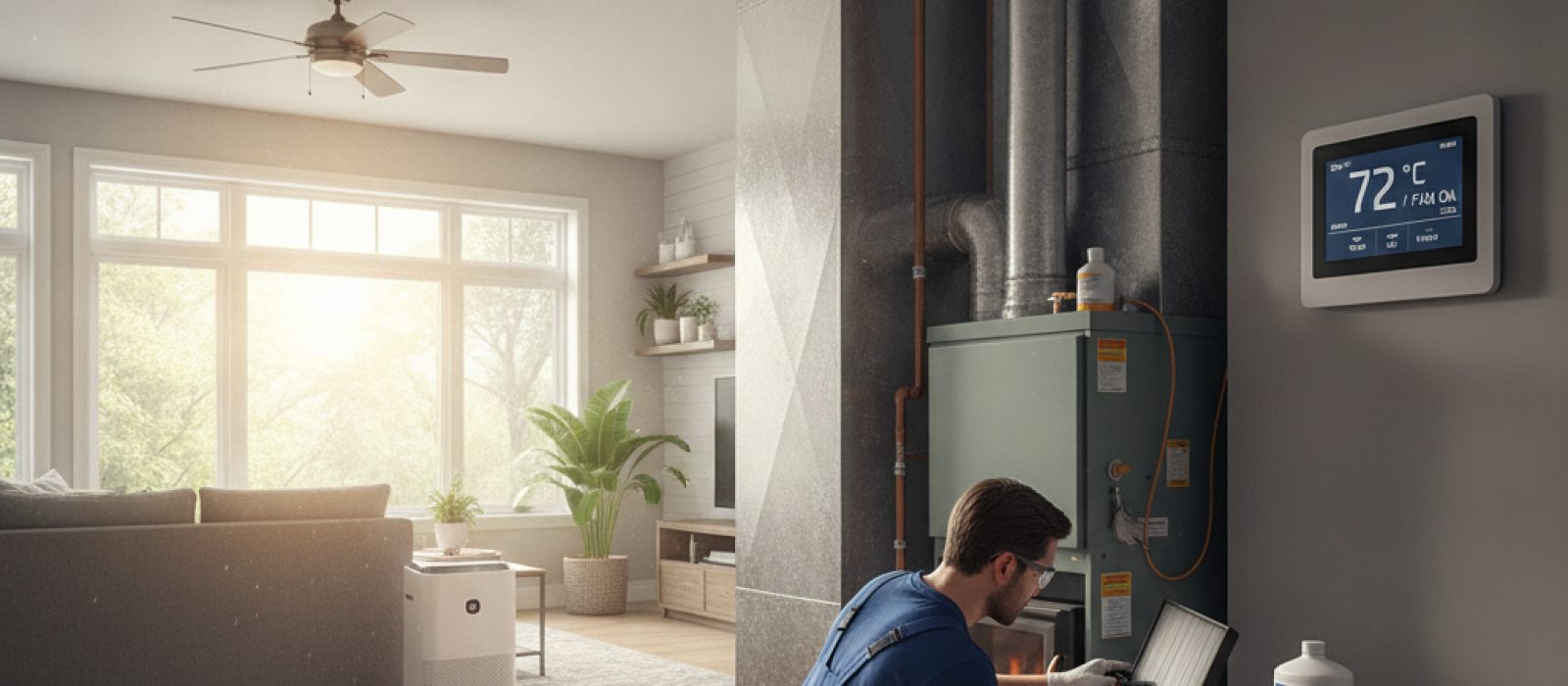
Learn to identify common indoor pollutants and discover practical, effective strategies to improve the air quality within your home.
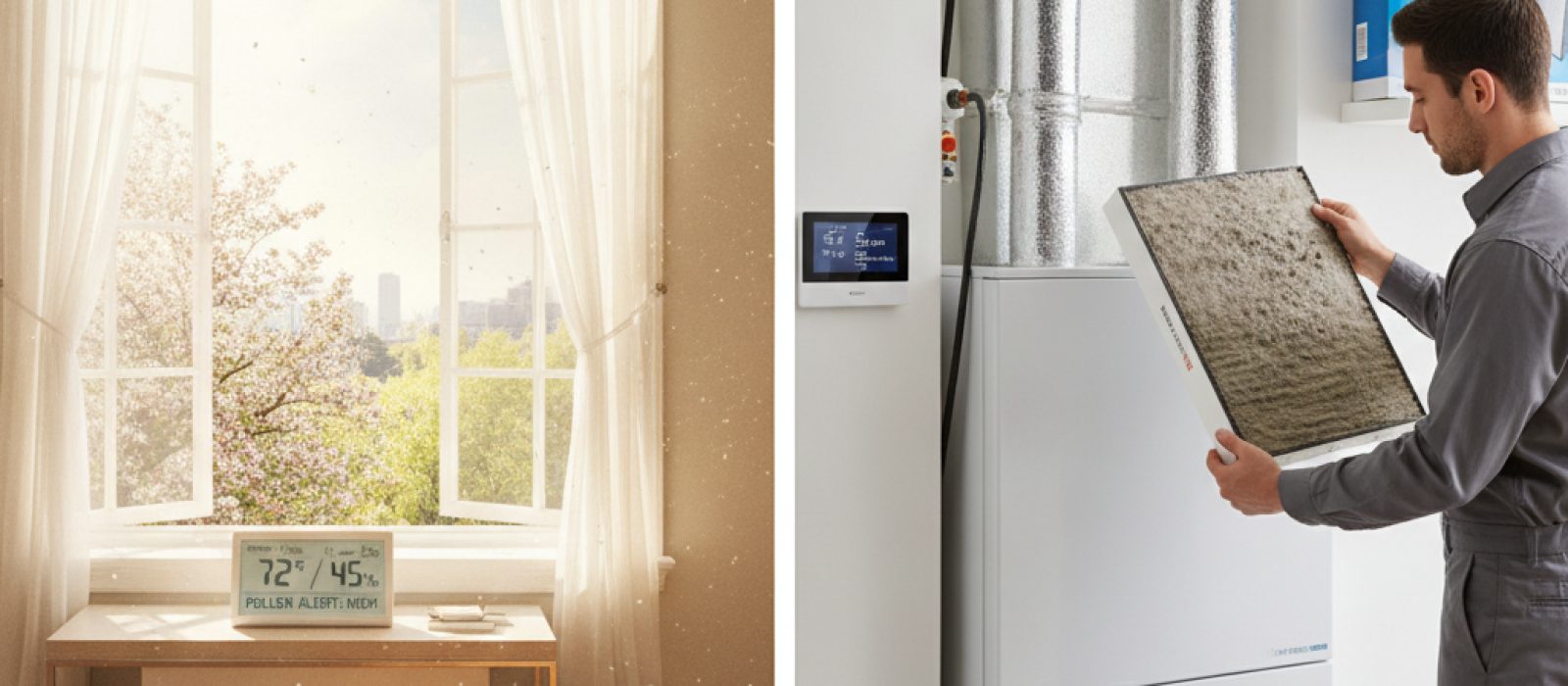
Learn the balance between natural ventilation and mechanical filtration to maintain optimal indoor air quality in your home.
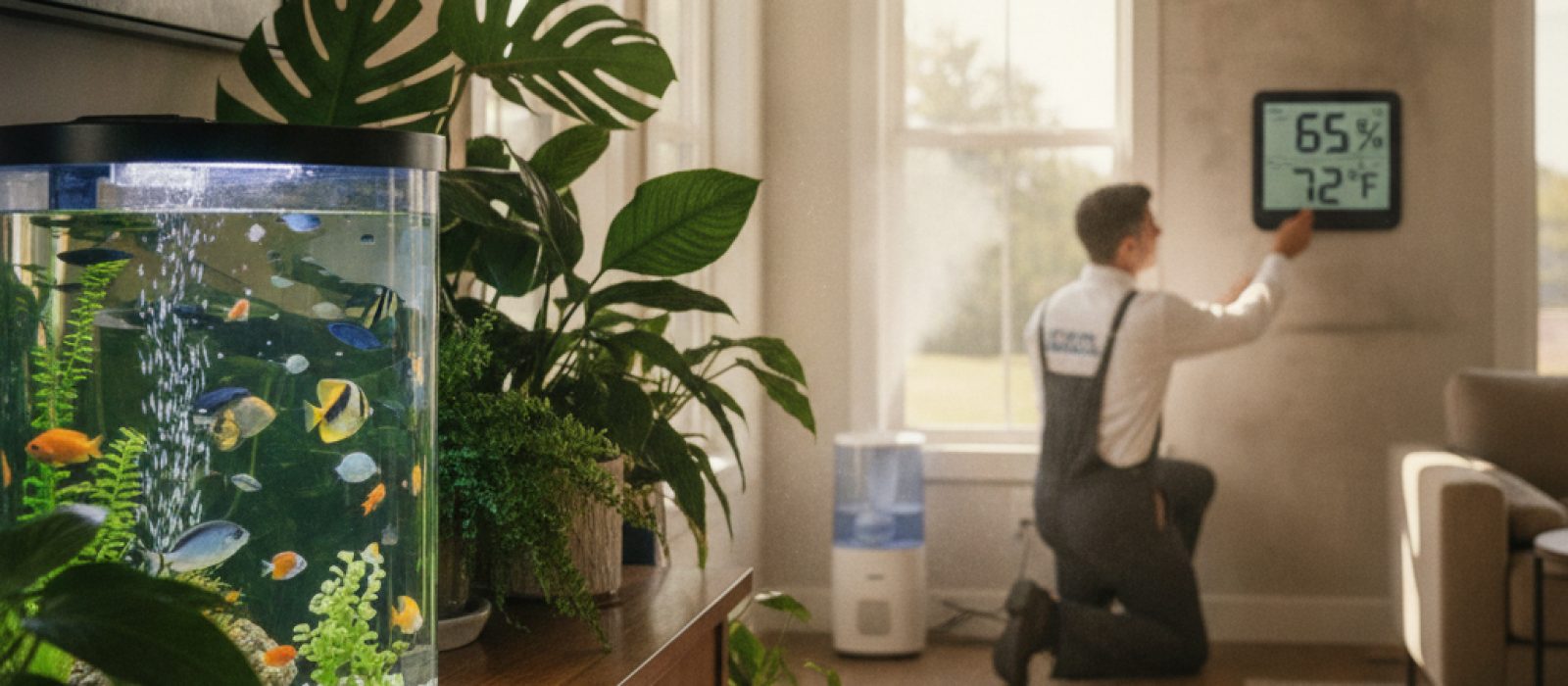
Learn how common household features like aquariums and plants impact indoor air quality and how to manage the resulting humidity levels effectively.

Discover how holiday traditions impact your home's indoor air quality and learn practical steps to maintain a healthy breathing environment this winter.
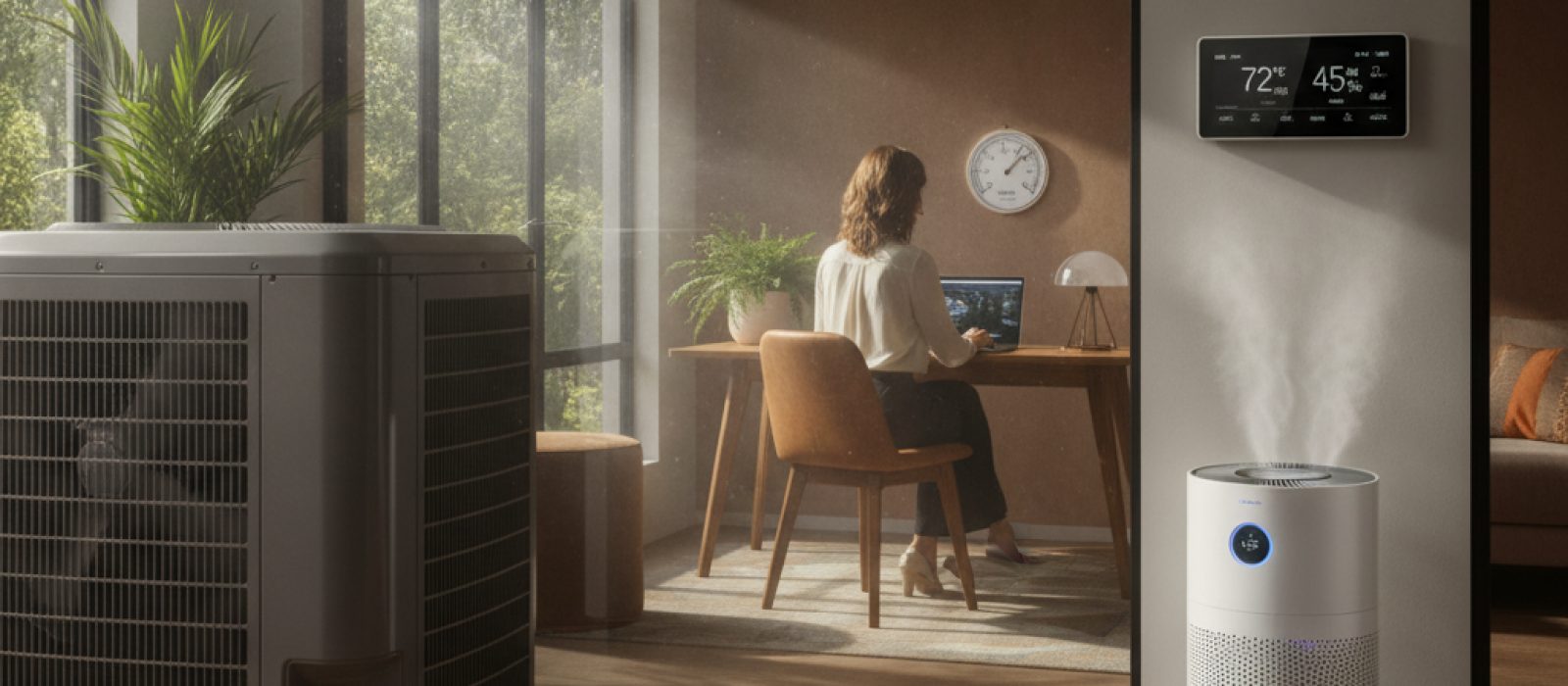
Improve productivity and health by optimizing the indoor air quality of your home office through ventilation, filtration, and humidity control.
Be the first to comment.