
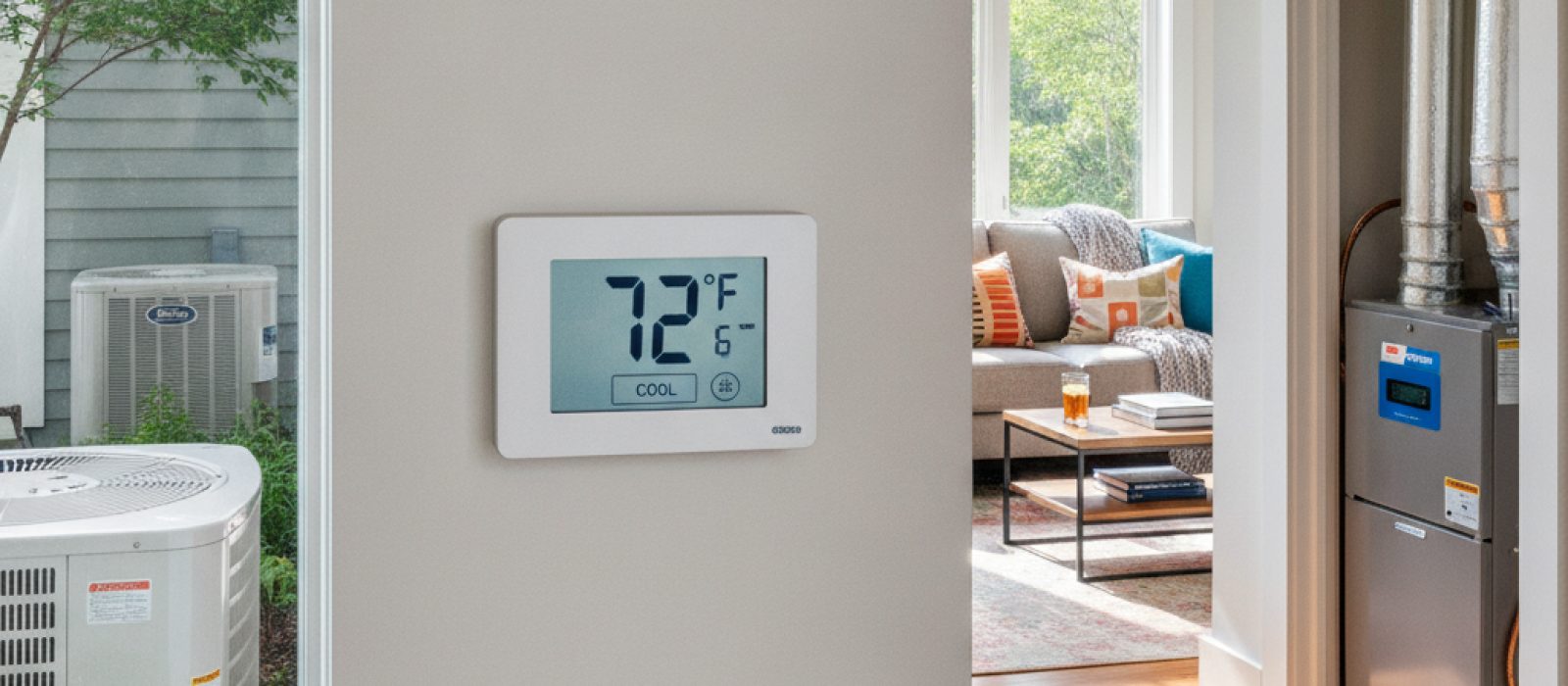
York, Ruud, Bryant and American Standard HVAC: Brand Overview
A guide to understanding the cooling technology and reliability of four major HVAC manufacturers for U.S. homeowners.
4 min read

Daikin provides a wide array of residential cooling and heating solutions, ranging from traditional central air conditioning units to advanced ductless mini-split systems. These units are engineered to prioritize energy efficiency and precise temperature control. Homeowners choosing these systems often look for specific features like inverter technology, which allows the compressor to modulate speed rather than simply cycling on and off. Understanding the specific architecture of these systems is essential for proper operation and long-term reliability.
Daikin organizes its cooling and heat pump offerings into distinct tiers, typically categorized by efficiency ratings and integrated features. Entry-level models often focus on reliable, standard-efficiency cooling, while premium models incorporate high-SEER ratings and advanced filtration capabilities.
Many Daikin systems utilize inverter-driven compressors. Unlike standard units that operate at full capacity until the thermostat setpoint is reached, inverter systems adjust their motor speed to match the cooling or heating load of the home. This leads to quieter operation and improved humidity control, as the system can run for longer, slower cycles.
Daikin is well-known for its ductless mini-split systems, which are ideal for homes without existing ductwork or for zoned temperature control. However, the company also manufactures high-efficiency ducted central air systems. When selecting a system, the building's existing infrastructure often dictates the choice between these two categories. If you are considering an upgrade, consulting with a professional regarding your current Ductwork Services is a prudent first step to ensure compatibility and airflow efficiency.
Consistent care is the most effective way to extend the lifespan of any HVAC unit. Because Daikin systems often rely on sophisticated electronics and sensors, they require a disciplined approach to upkeep.
While homeowners can handle basic cleaning, professional Maintenance and Tune-up services are recommended annually. A technician can inspect electrical connections, verify refrigerant levels, and clean internal components that are not accessible to the average user.
Certain issues with Daikin systems require specialized tools and technical expertise. Attempting to repair complex electrical or refrigerant-based components without proper certification can lead to safety hazards or the voiding of manufacturer warranties.
Contact an HVAC professional if you experience the following:
If your system experiences a complete failure, Emergency HVAC services are available to diagnose and resolve critical faults before they lead to more extensive property damage.
Daikin typically offers a limited warranty on its residential equipment, provided the system is registered within a specific timeframe after installation. These warranties usually cover parts, but they generally do not cover labor costs associated with the repair.
Many homeowners overlook the importance of product registration. Without proper registration, the warranty term may default to a shorter period as defined by the manufacturer's base coverage policy. Always keep a copy of your installation receipt and the serial numbers for your indoor and outdoor units in a secure location.
Warranties rarely cover damage caused by improper installation, neglect, or natural disasters. Furthermore, using non-original parts during a repair may jeopardize the remaining coverage. When scheduling repairs, ensure the technician is familiar with the specific requirements for your system to maintain compliance with warranty terms.
Beyond the unit itself, the efficiency of your cooling and heating is heavily dependent on the environment in which it operates. If your home struggles to maintain a consistent temperature, consider evaluating your home's total efficiency profile. Integrating professional Energy Efficient Solutions can help seal gaps and improve insulation, which allows your Daikin system to operate with less strain. Additionally, ensuring your Thermostat Services are optimized allows for better programming and energy usage tracking throughout the year.
A guide to understanding the cooling technology and reliability of four major HVAC manufacturers for U.S. homeowners.
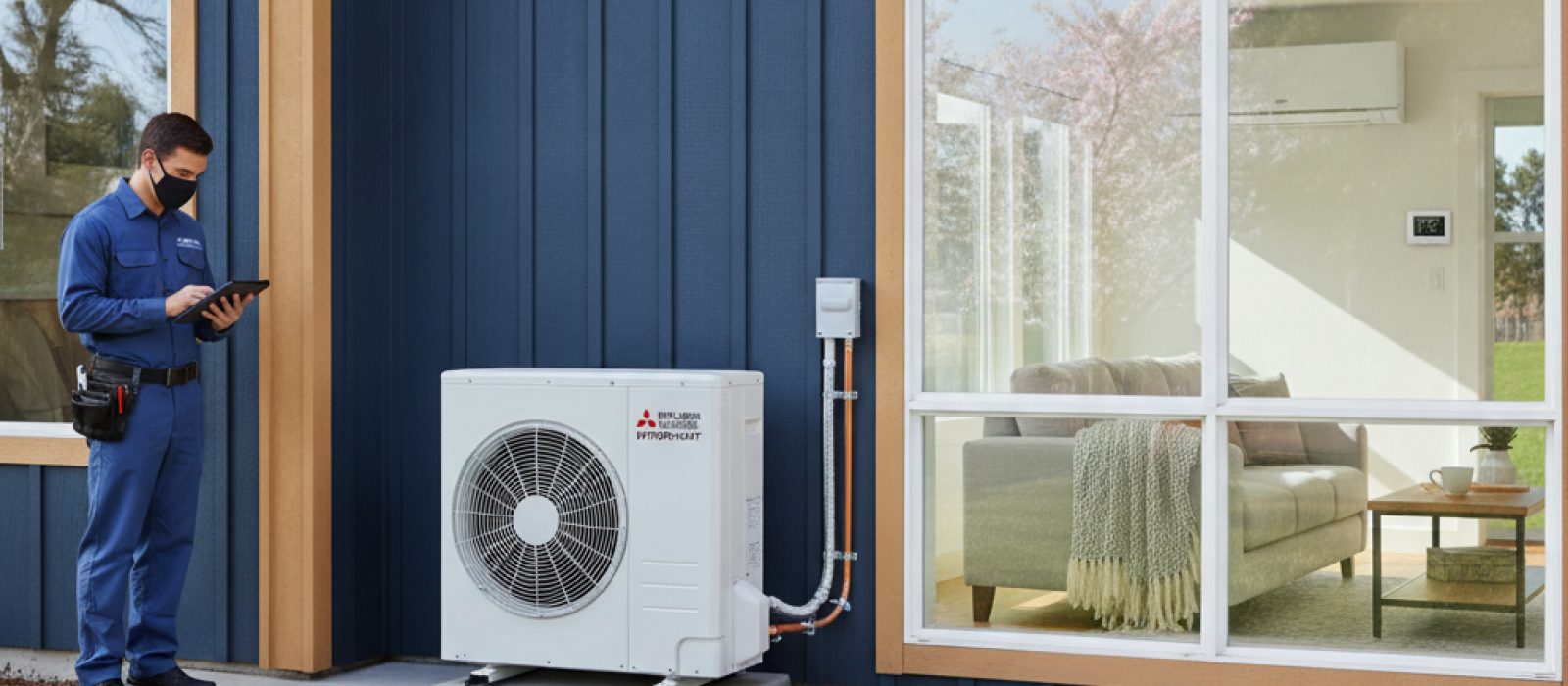
A comprehensive look at Mitsubishi mini-split technology and Hyper-Heat performance for year-round climate control in U.S. homes.
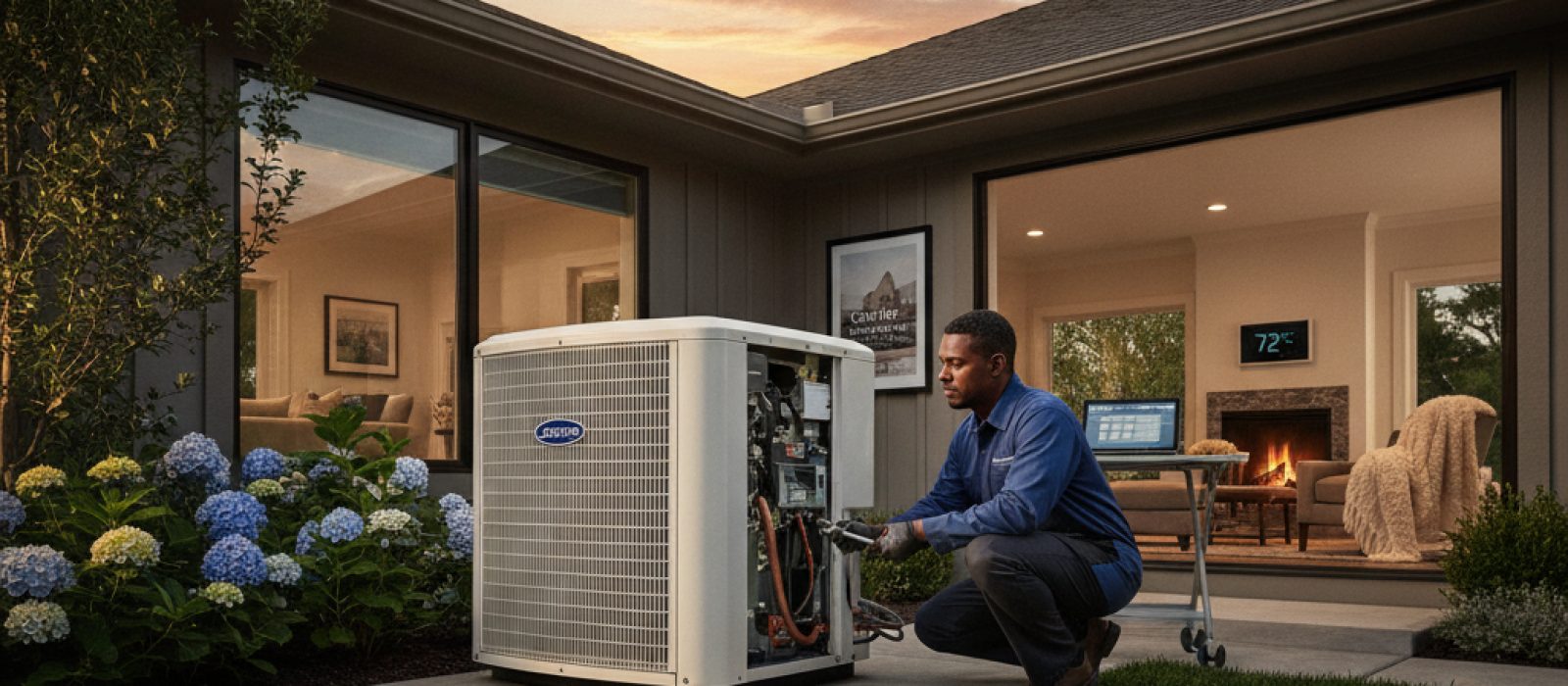
A comprehensive guide to understanding Carrier air conditioning systems, efficiency ratings, installation factors, and maintenance requirements.
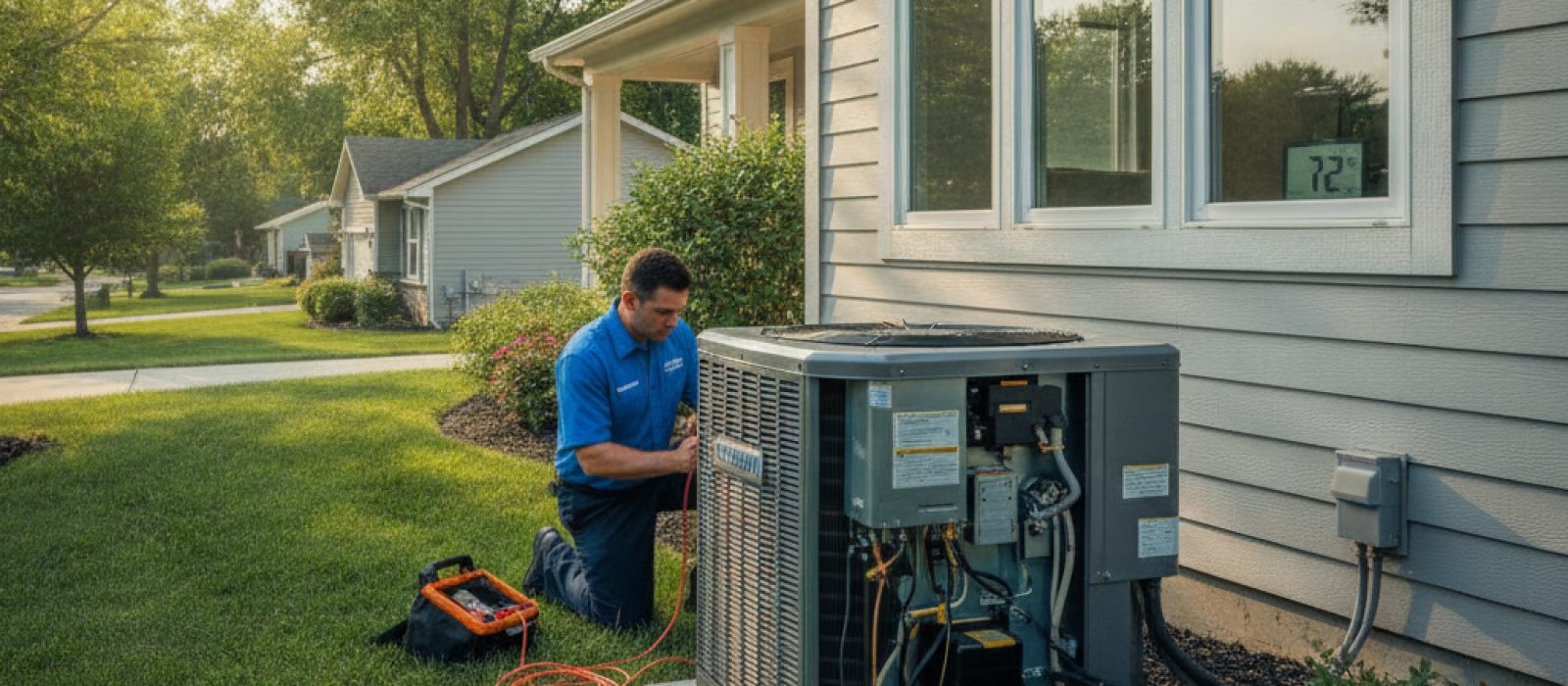
An objective look at Goodman HVAC systems, covering performance, longevity, and what homeowners should know before choosing a budget-friendly cooling solution.
A guide to understanding Trane residential cooling systems, including component integration and maintenance requirements for homeowners.
A practical guide to understanding Rheem HVAC systems, covering cooling performance, heating efficiency, and essential maintenance for homeowners.
Be the first to comment.