
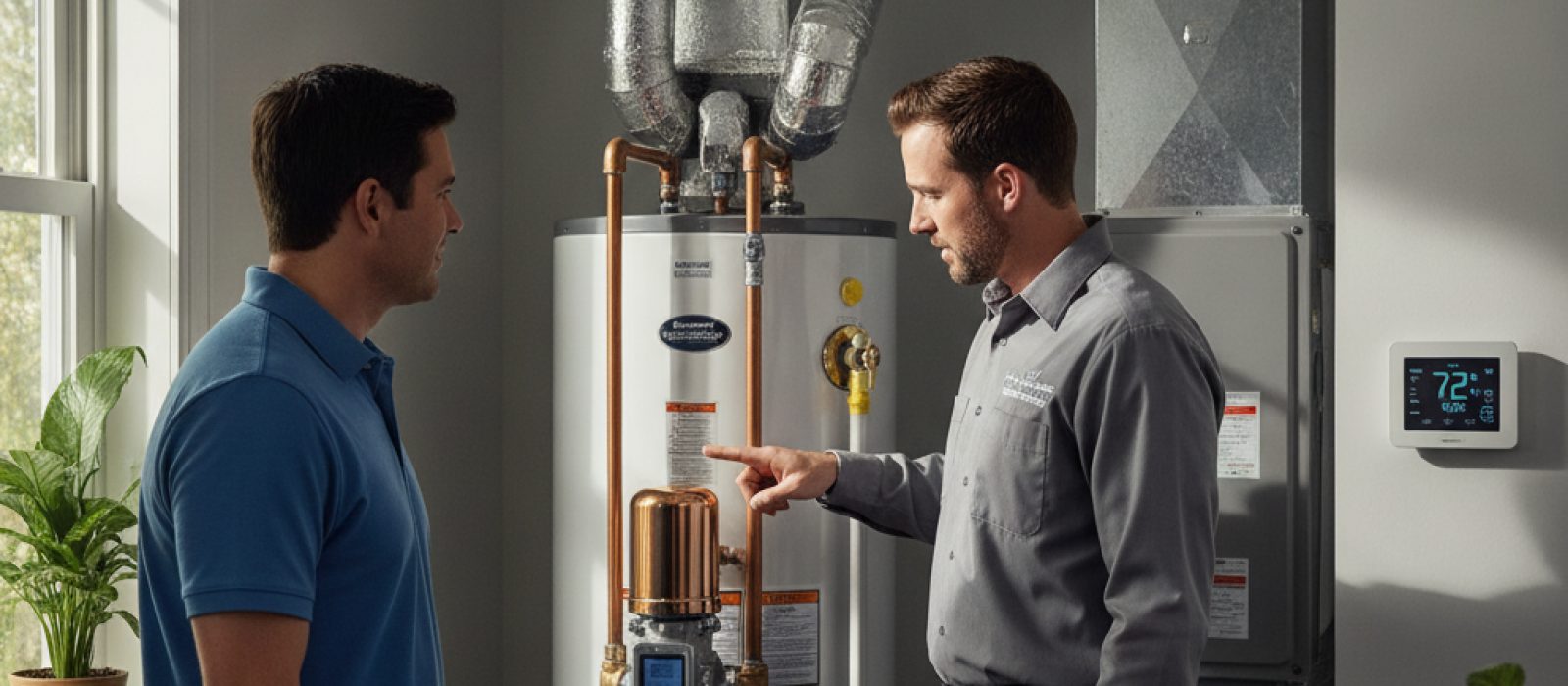
Hot Water Recirculating Pumps: How They Work and What They Cost
Learn how hot water recirculating pumps provide instant hot water, the different installation types, and the factors that influence overall project costs.
4 min read

Selecting the right water heater requires an understanding of how different manufacturers approach heating technology. Whirlpool units are frequently found in residential settings, often utilizing traditional tank-style storage systems. These systems prioritize high-volume hot water availability by keeping a large reservoir of water at a set temperature. In contrast, Bosch is widely recognized for its engineering focus on tankless or instantaneous heating technology. These units heat water only as it passes through the system, which changes the maintenance and operational expectations for the homeowner.
When evaluating these systems, consider the specific demands of your household. Tank-style units are generally more familiar to homeowners, but they require periodic tank flushing to manage sediment buildup. Tankless units, while space-efficient, demand regular descaling to ensure the heat exchanger remains free of mineral deposits. Both types of equipment benefit significantly from professional Water Heaters maintenance to extend their operational lifespan.
Whirlpool tank-style water heaters often experience issues related to the heating elements or the thermostat. If the unit fails to provide sufficient hot water, the lower heating element is frequently the first component to degrade, especially in households with hard water. Sediment accumulation at the bottom of the tank insulates the element, causing it to overheat and fail prematurely.
Homeowners can safely perform a visual inspection of the connections and the pressure relief valve. However, any work involving the internal wiring or the replacement of heating elements requires turning off the power supply at the breaker and verifying the absence of current with a non-contact voltage tester. If you are uncomfortable with these steps, consult a professional for Plumbing Services.
Bosch tankless water heaters operate on a flow-based system, meaning they trigger the heating process only when a hot water tap is opened. Because they rely on sensors to detect flow, they are sensitive to water pressure issues and scale buildup. When the flow rate drops below a certain threshold, the unit may struggle to ignite or maintain a consistent temperature.
Error codes on the digital interface are the primary diagnostic tool for these units. A common issue is the 'E' or 'F' error code, which often points to an ignition failure or a sensor error. Before calling for service, ensure that the gas supply is fully open and that the intake and exhaust vents are not obstructed by debris. Proper venting is essential for the safe operation of gas-fired tankless models.
Regardless of the brand, consistent care is the most effective way to prevent costly repairs. For tank-style heaters, flushing the tank annually removes mineral deposits that contribute to corrosion. This process involves attaching a garden hose to the drain valve and allowing the water to run until it is clear of sediment. Ensure the power or gas is turned off before beginning this process to prevent element damage.
Tankless systems require a descaling process every one to two years, depending on water hardness. This involves circulating a vinegar solution through the heat exchanger using a small pump. If you notice a decrease in water pressure or temperature fluctuations, it is likely time for a descaling service. Homeowners who prefer to avoid the risks associated with handling chemical solutions or pressurized water lines should schedule a professional appointment for Water Heaters upkeep.
Some water heater issues present immediate safety risks that should not be addressed by anyone other than a licensed technician. If you smell gas near your unit, leave the premises immediately and contact your gas provider or emergency services. Similarly, if you notice signs of water damage, rusted piping, or exposed wiring, it is time to seek professional Heating Services rather than attempting a DIY repair.
A professional technician can perform a comprehensive safety inspection, check the integrity of the anode rod, and ensure that the pressure relief valve is functioning correctly. Ignoring small leaks or unusual noises often leads to catastrophic failure, which can cause significant water damage to the surrounding area of your home. Relying on professional expertise ensures that the repair complies with local building codes and manufacturer specifications.
Learn how hot water recirculating pumps provide instant hot water, the different installation types, and the factors that influence overall project costs.
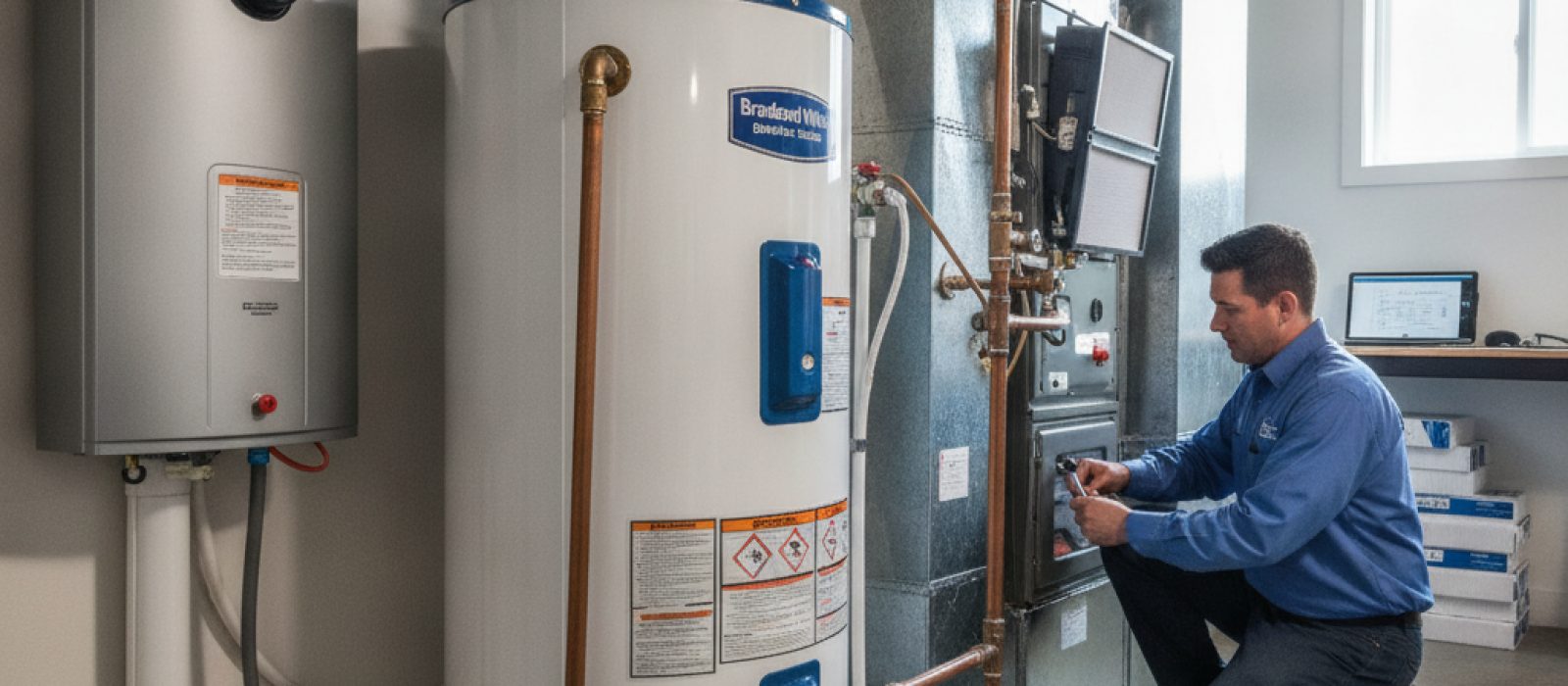
Learn how to choose between 40 and 75-gallon Bradford White water heaters and understand which model fits your home's hot water demands.
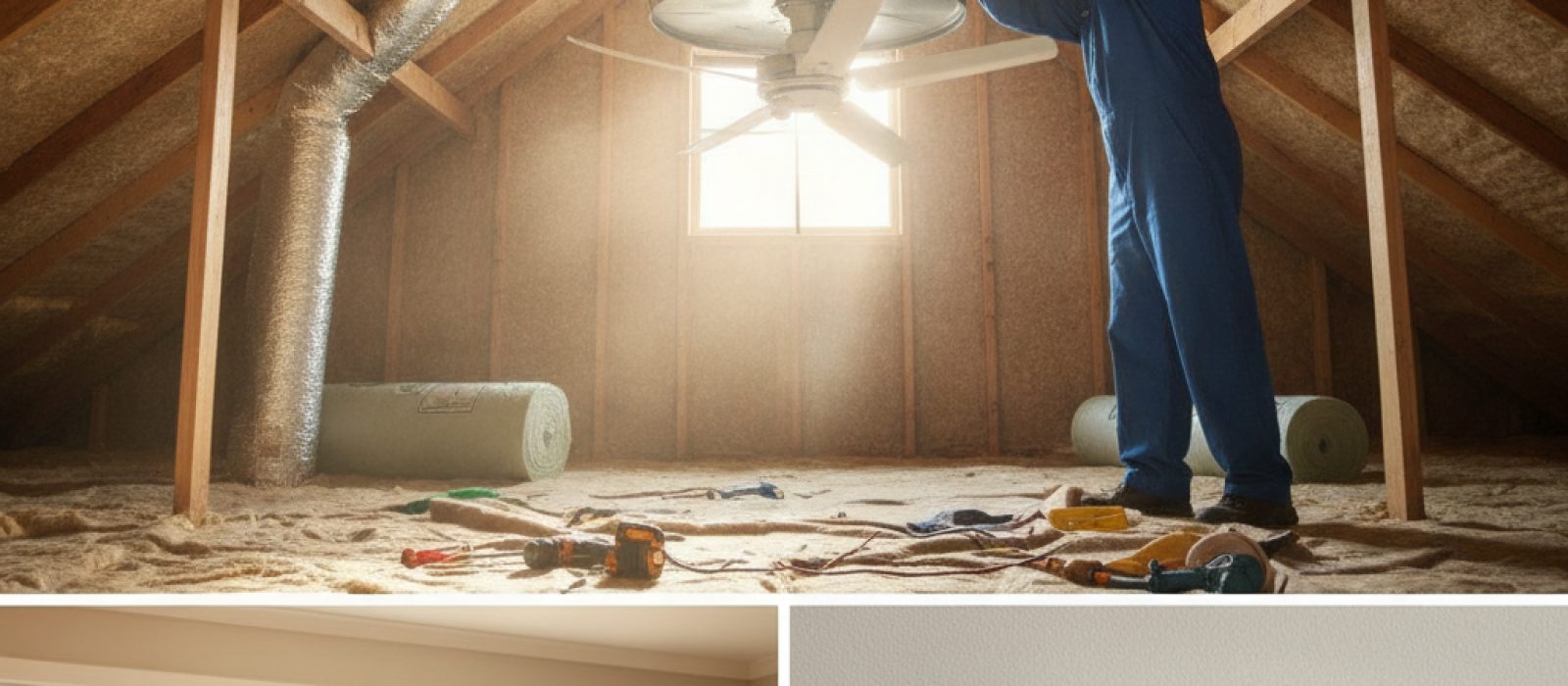
Learn how attic fans manage thermal buildup, the factors influencing installation costs, and the critical mistakes to avoid for a balanced home system.
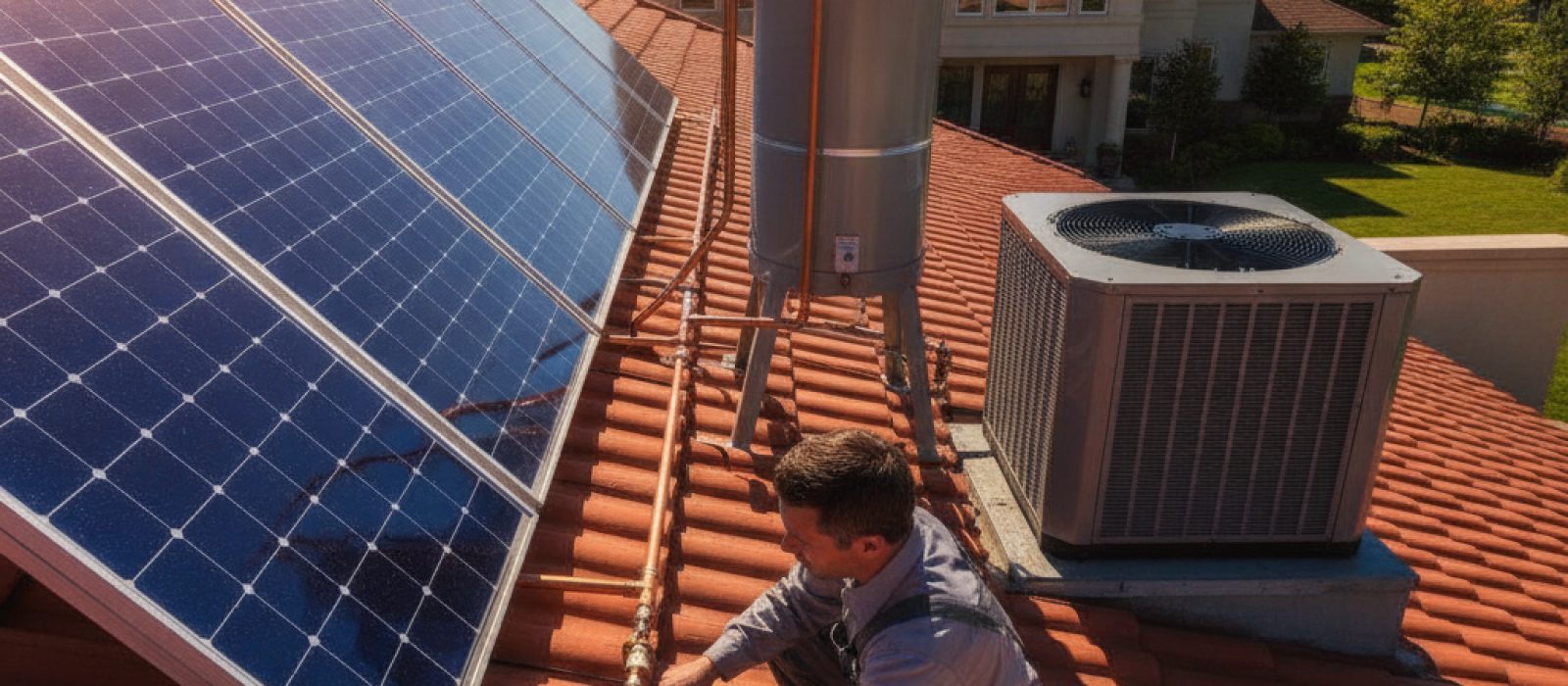
Understand the mechanics, efficiency benefits, and practical considerations of installing a solar-powered water heating system in your home.
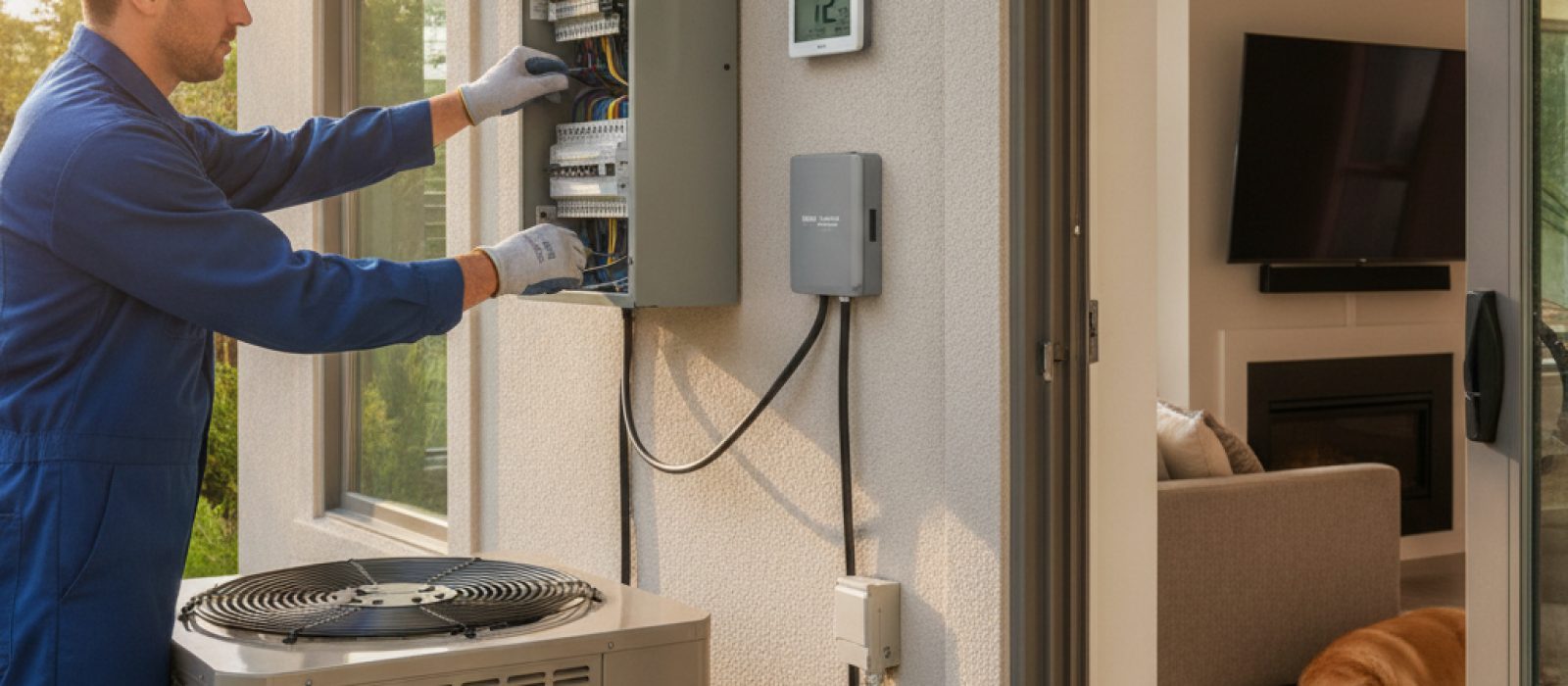
Learn how whole-house surge protectors safeguard sensitive HVAC equipment and home electronics from damaging power spikes and electrical surges.
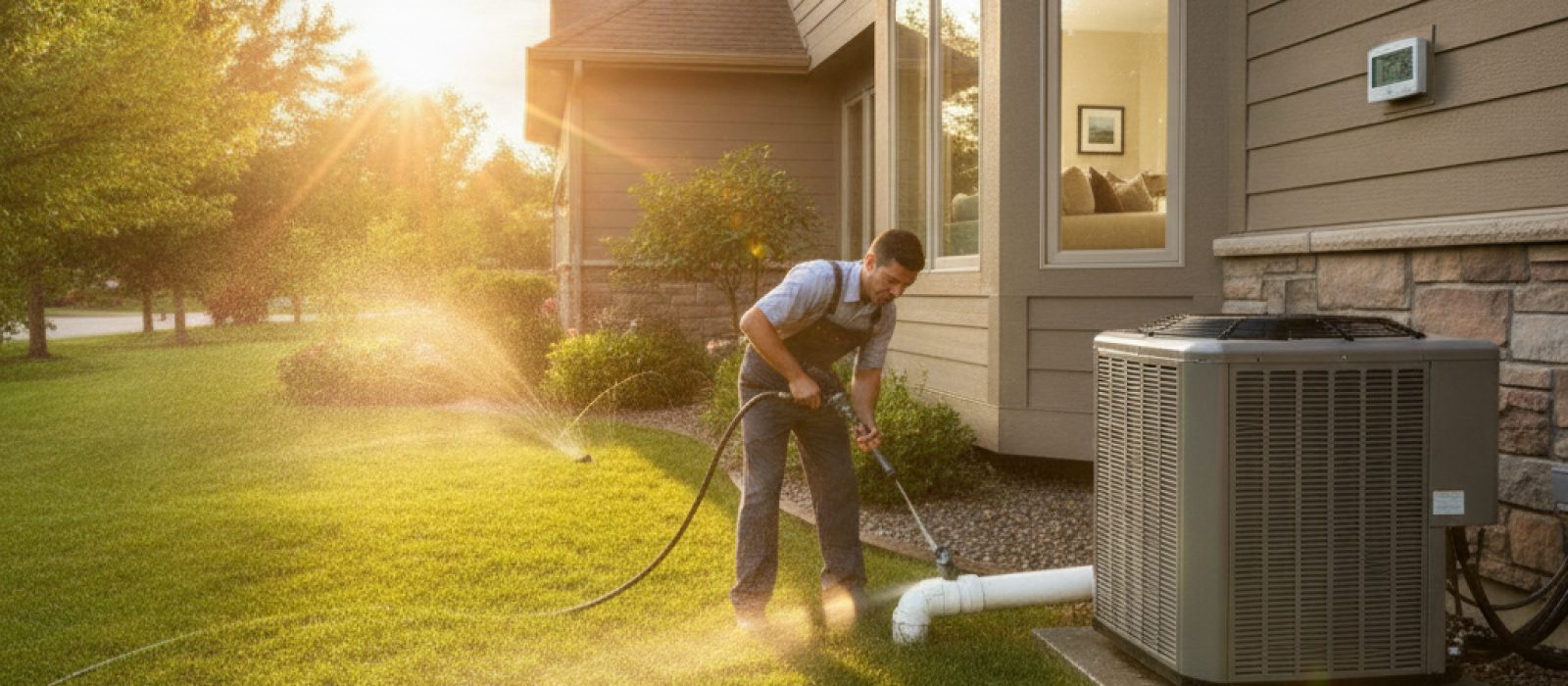
Learn how hydro jetting uses high-pressure water to clear stubborn plumbing blockages and when it is the right solution for your home's drainage issues.
Be the first to comment.