
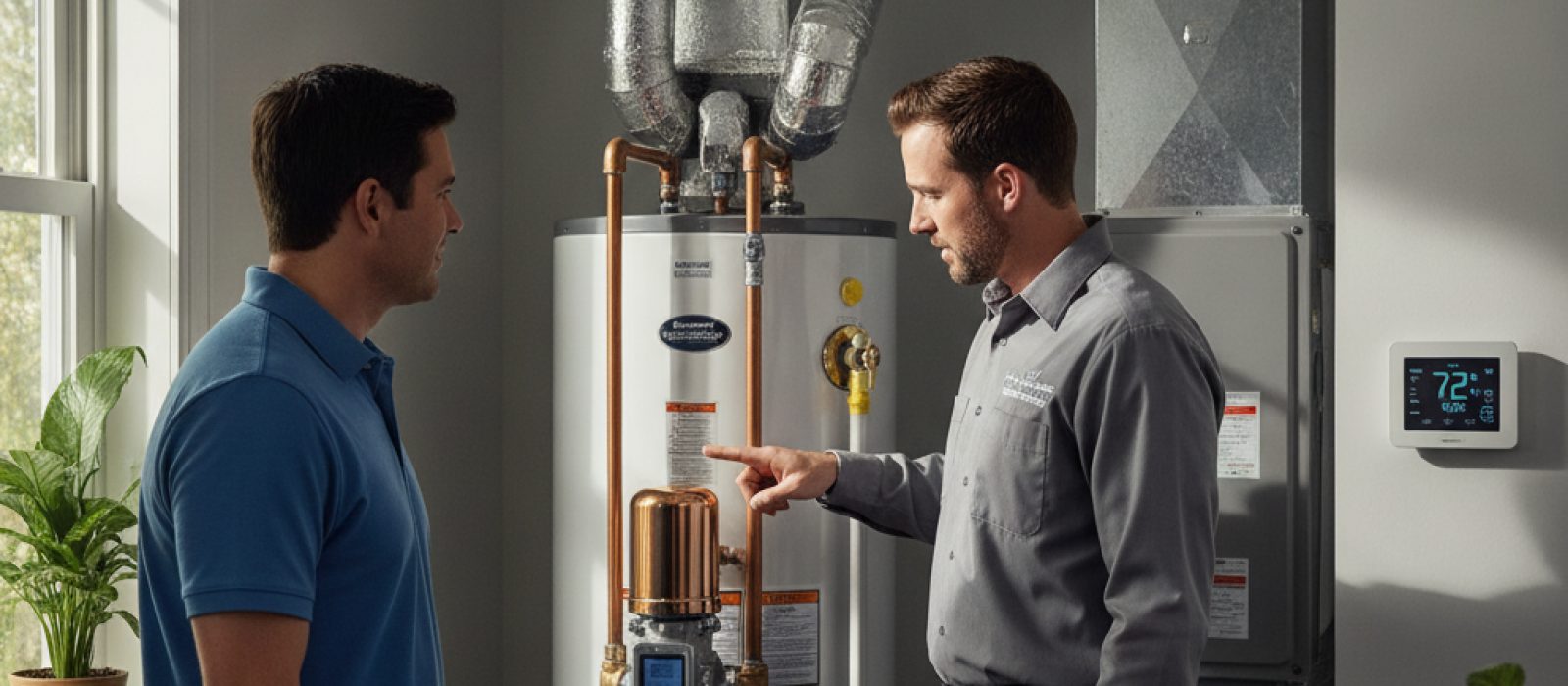
Hot Water Recirculating Pumps: How They Work and What They Cost
Learn how hot water recirculating pumps provide instant hot water, the different installation types, and the factors that influence overall project costs.
4 min read

Solar water heating systems harness energy from the sun to preheat or fully heat domestic hot water. Unlike solar photovoltaic panels that generate electricity, these systems use thermal energy. A typical setup consists of solar collectors mounted on a roof or ground rack, a storage tank, and a circulation system to transport heat from the collectors to the water supply.
The process begins as sunlight hits the collector, which contains a fluid—usually water or a heat-transfer fluid like non-toxic antifreeze. This fluid absorbs heat and circulates to the storage tank. Through a heat exchanger, the thermal energy is transferred to the potable water, ensuring that the water at your tap is heated without relying solely on traditional energy sources.
Distinguishing between active and passive systems is essential for understanding your installation options. Active systems utilize pumps and controllers to circulate the heat-transfer fluid. These systems are highly effective in various climates because the controls can be adjusted to maximize efficiency based on the current intensity of sunlight.
Passive systems rely on gravity and the natural movement of heat, where hot water rises and cold water sinks. These systems are generally simpler with fewer moving parts, which can simplify long-term Maintenance & Tune-up requirements. However, they are often less efficient than active systems and may not be suitable for climates prone to freezing temperatures.
The efficiency of a solar water heater depends heavily on the type of collector selected. Flat-plate collectors are the most common, consisting of a dark, heat-absorbing surface under a glass or plastic cover. They are durable and well-suited for moderate climates where moderate temperatures are the standard.
Evacuated-tube collectors represent a more advanced option. These consist of parallel rows of glass tubes, each containing an absorber tube. The vacuum between the layers acts as an insulator, significantly reducing heat loss. This makes them highly effective in colder, cloudier regions where flat-plate collectors might struggle to maintain consistent temperatures.
A solar water heater rarely functions as a standalone unit. Most installations include a backup system, such as a traditional gas or electric unit, to ensure consistent hot water during prolonged periods of low sunlight. When the solar system cannot reach the desired temperature, the backup system engages to provide the necessary boost.
If you are exploring these upgrades, it is often wise to consult with professionals who specialize in Water Heaters to ensure your backup system is compatible with the solar integration. Proper sizing is critical; an undersized system will force your backup unit to run more frequently, negating the efficiency gains, while an oversized system may lead to unnecessary costs.
Geographic location is a primary factor in determining the performance of a solar water heater. In regions with high solar irradiance, these systems can provide a significant portion of a household's hot water needs throughout the year. In contrast, homeowners in northern latitudes may experience substantial seasonal fluctuations in performance.
Regardless of your climate, the overall efficiency of your home depends on a holistic approach. Many homeowners find that pairing solar technology with Energy Efficient Solutions provides the greatest return on investment. Ensuring that your home's insulation and distribution pipes are properly managed is just as important as the solar collectors themselves.
Installing a solar water heating system involves complex plumbing, electrical, and structural work. Because these systems often involve integrating with your existing home infrastructure, it is not a project for DIY enthusiasts. A licensed professional must handle the mounting of collectors to ensure structural integrity and the plumbing connections to prevent leaks.
Electrical work, such as connecting sensors and pumps to your home's power supply, requires specific training to meet local building codes. If you are considering this upgrade, reach out to providers of Plumbing Services to ensure that the integration with your existing pipes is seamless and that the system is pressurized correctly to avoid damage to your home.
While solar water heaters are designed for durability, they are not maintenance-free. Systems using heat-transfer fluids require periodic checks to ensure the fluid has not degraded. Additionally, the collectors must be kept clear of debris, such as leaves or heavy dust, to maintain maximum solar absorption.
Professional inspections help identify issues like scale buildup in the heat exchanger or pump failure before they result in a loss of hot water. Consistent care ensures that your investment continues to operate at peak efficiency for its expected lifespan.
Learn how hot water recirculating pumps provide instant hot water, the different installation types, and the factors that influence overall project costs.
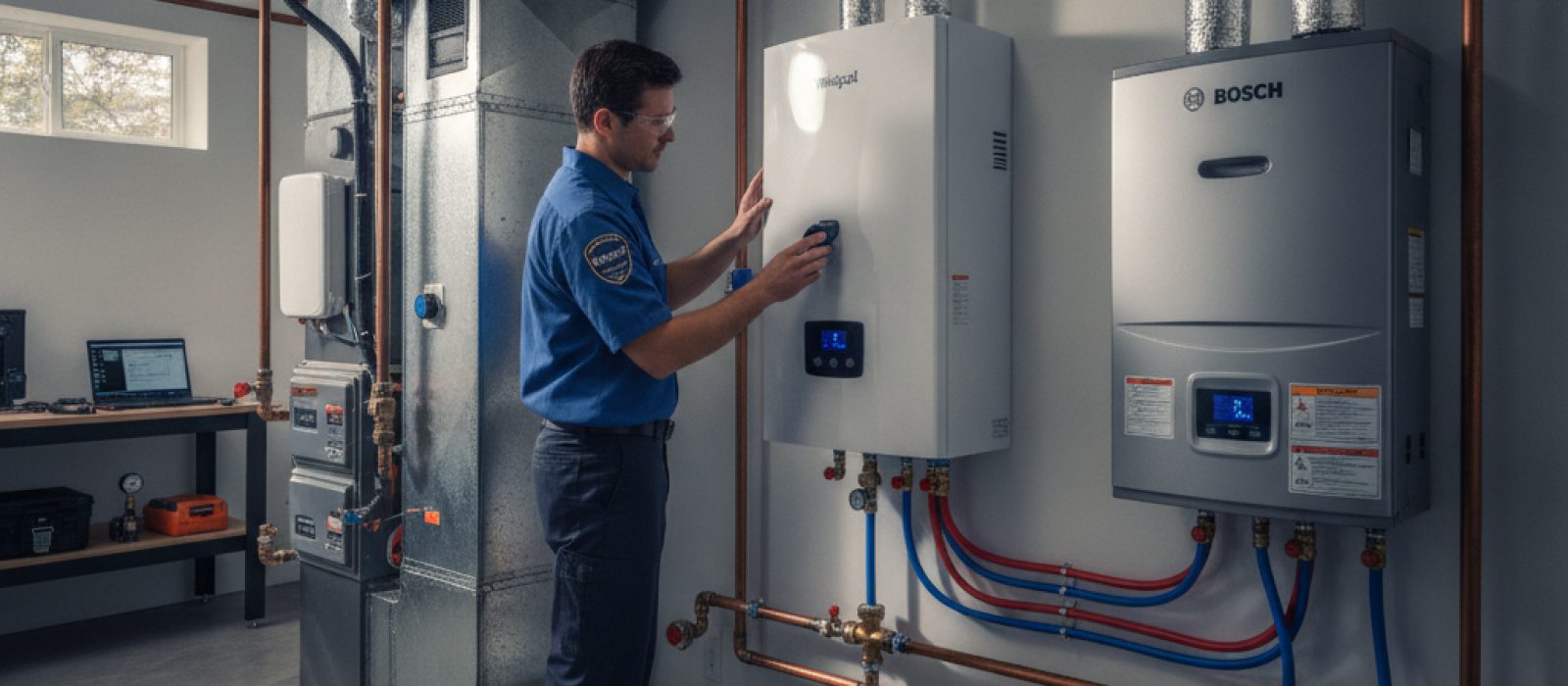
A practical guide to understanding the operational differences, maintenance needs, and common troubleshooting steps for Whirlpool and Bosch water heaters.
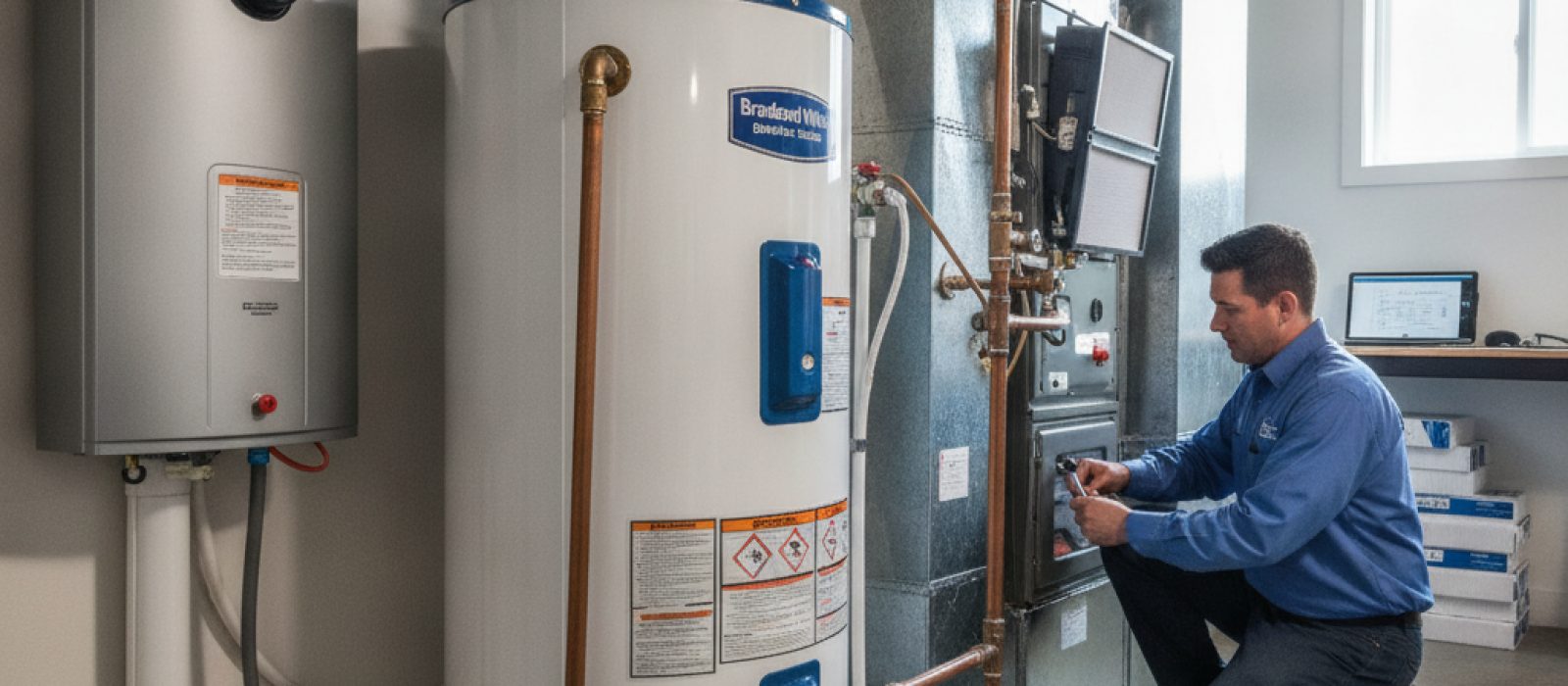
Learn how to choose between 40 and 75-gallon Bradford White water heaters and understand which model fits your home's hot water demands.
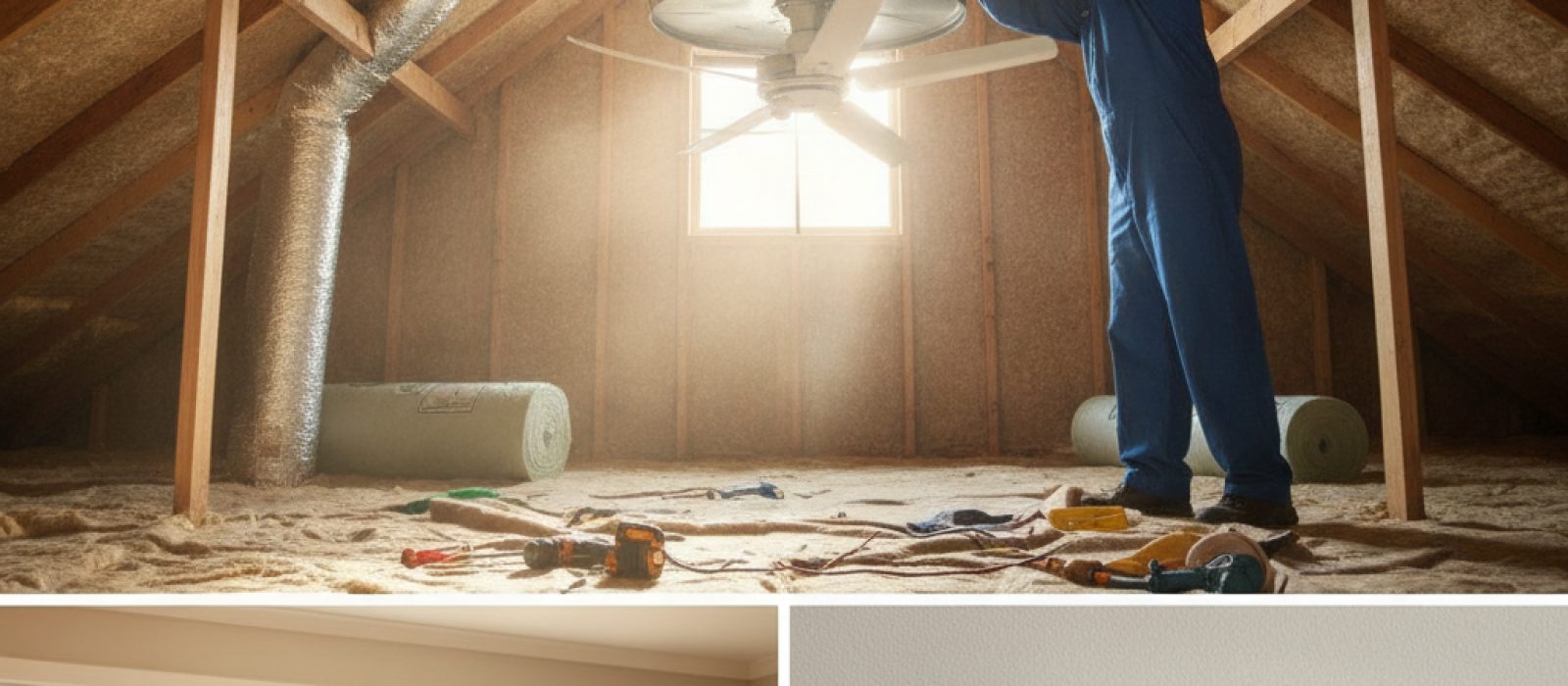
Learn how attic fans manage thermal buildup, the factors influencing installation costs, and the critical mistakes to avoid for a balanced home system.
Learn how whole-house surge protectors safeguard sensitive HVAC equipment and home electronics from damaging power spikes and electrical surges.
Learn how hydro jetting uses high-pressure water to clear stubborn plumbing blockages and when it is the right solution for your home's drainage issues.
Be the first to comment.