
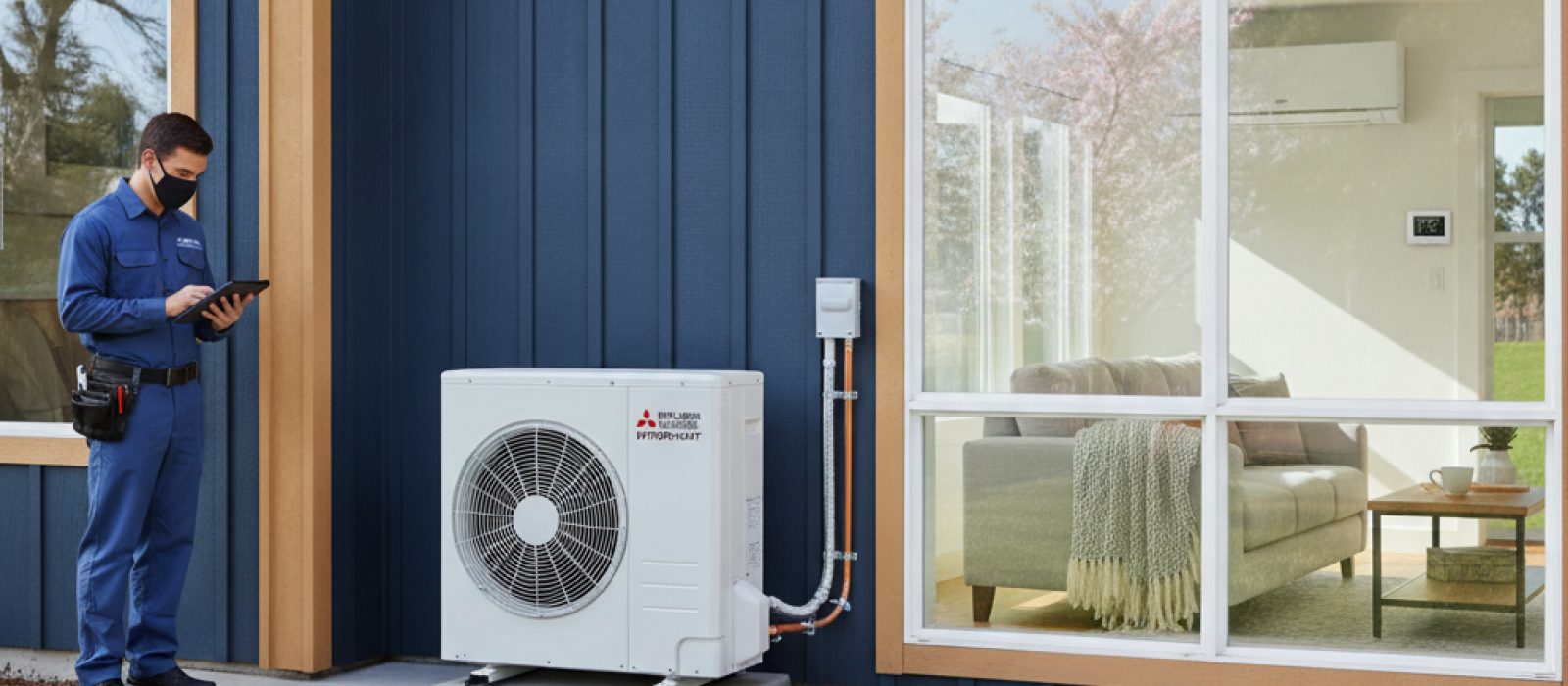
Mitsubishi Mini-Splits and Hyper Heat Pumps: Complete Guide
A comprehensive look at Mitsubishi mini-split technology and Hyper-Heat performance for year-round climate control in U.S. homes.
4 min read

Choosing an HVAC system involves evaluating the cooling performance, build quality, and long-term reliability of major manufacturers. York, Ruud, Bryant, and American Standard represent four prominent names in the U.S. market, each utilizing distinct engineering philosophies for their cooling equipment. Homeowners often find that while individual models vary significantly in efficiency, the core identity of these brands often dictates the availability of parts and the comfort features integrated into their premium cooling units.
American Standard is widely recognized for a heavy-duty approach to cabinet construction and component selection. The brand frequently emphasizes its proprietary spine-fin coil technology, which is designed to improve heat transfer and resist the corrosion that often leads to refrigerant leaks. This focus on physical durability makes their cooling systems a frequent choice for coastal regions or areas prone to harsh weather.
When considering this brand, homeowners should evaluate the specific SEER2 rating of the unit, as the company offers a tiered approach ranging from standard efficiency to highly advanced variable-speed systems. Proper Maintenance & Tune-up schedules are essential for these systems, as their complex electronics require precise calibration to function at peak cooling capacity throughout the summer months.
Bryant, often associated with its long history in the heating and cooling industry, focuses heavily on integration and smart technology. The brand is known for its quiet operation, utilizing sound-dampening materials in the compressor sections of their air conditioners. This engineering priority makes their high-end units suitable for homes where the outdoor compressor is located near bedrooms or living spaces.
The brand also emphasizes connectivity through advanced communicating thermostats that allow the cooling system to adjust its output based on real-time indoor humidity levels. For homeowners looking to optimize their home environment, integrating these systems with comprehensive Indoor Air Quality solutions can ensure that the air being circulated is not only at the desired temperature but also filtered of common allergens and particulates.
Ruud is frequently cited for its straightforward design and ease of serviceability. By focusing on a modular approach to internal components, the brand aims to reduce the time a technician spends performing repairs. This focus on accessibility can be a significant advantage when an unexpected breakdown occurs, as common parts are widely stocked by local distributors.
The brand offers a robust range of cooling equipment, including high-efficiency heat pumps that serve both cooling and heating needs. Homeowners who prioritize a balance between initial investment and long-term performance often evaluate Ruud's mid-tier offerings. Ensuring that the Ductwork Services in a home are properly inspected and sealed is critical when installing these units, as inefficient airflow can negate the performance benefits of a high-efficiency system.
York has built a reputation for its diverse product lineup, which spans from compact cooling solutions for smaller homes to large-scale, high-capacity systems for expansive residences. The brand is known for its commitment to testing, often highlighting the rigorous environmental chambers where their units are subjected to extreme temperatures to ensure they can handle heat waves without failing.
Their variable-speed technology allows the compressor to run at partial capacity during milder days, which can significantly reduce energy consumption. For those exploring Energy Efficient Solutions, York systems often provide the granular control necessary to minimize utility costs while maintaining consistent temperatures across different zones of the house.
While brand reputation provides a starting point, the ultimate performance of any cooling system is heavily dependent on the quality of the installation. Even the most reputable brand will underperform if the unit is improperly sized for the home or if the refrigerant charge is not calibrated correctly by a licensed professional. Homeowners must ensure that the installation team performs a load calculation to determine the exact cooling requirements of the space.
Ultimately, the choice between these four brands often comes down to the specific features required for a home, such as noise levels, humidity management, or integration with existing smart home platforms. By focusing on the reputation of the installing contractor and the long-term support provided by the brand, homeowners can secure a reliable cooling system that will provide comfort for many years.
A comprehensive look at Mitsubishi mini-split technology and Hyper-Heat performance for year-round climate control in U.S. homes.
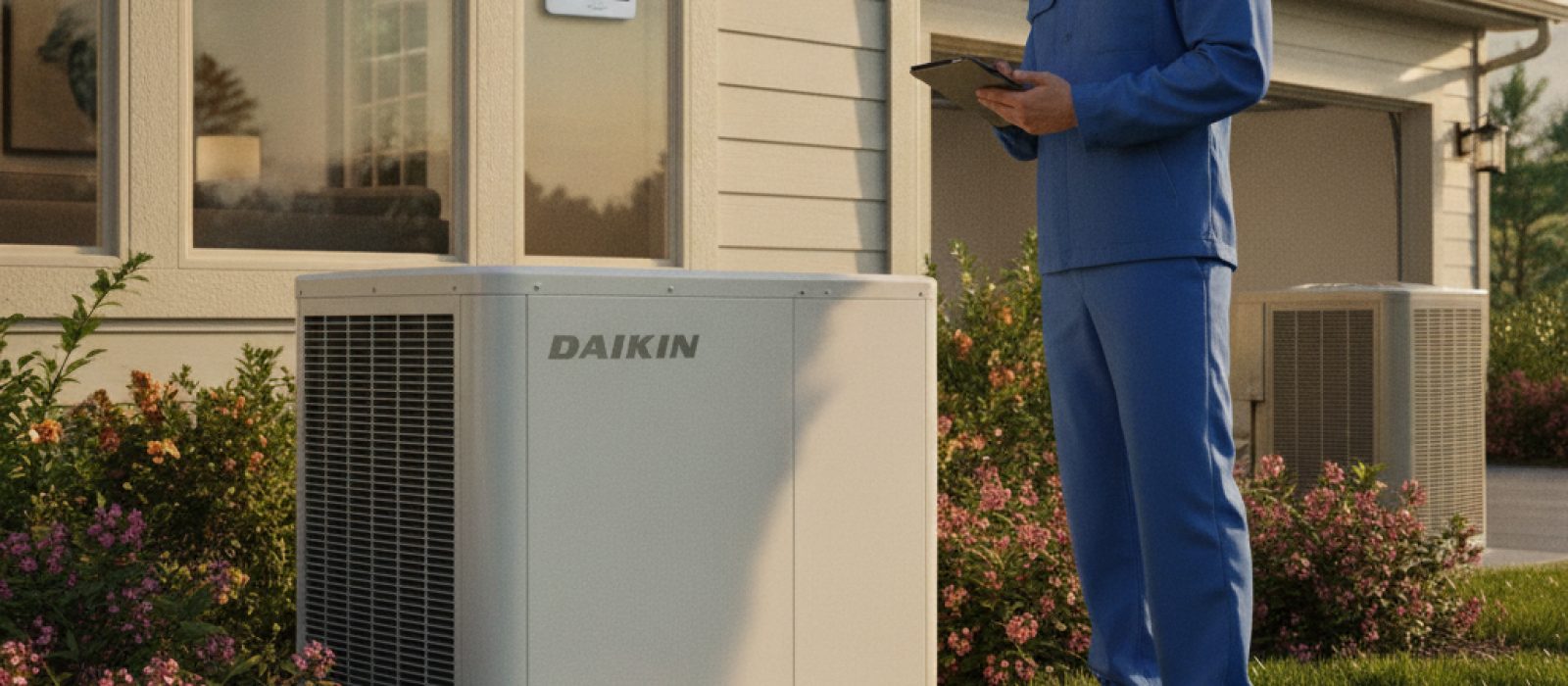
A comprehensive guide to understanding Daikin HVAC systems, including model tiers, standard maintenance requirements, and factory warranty coverage.
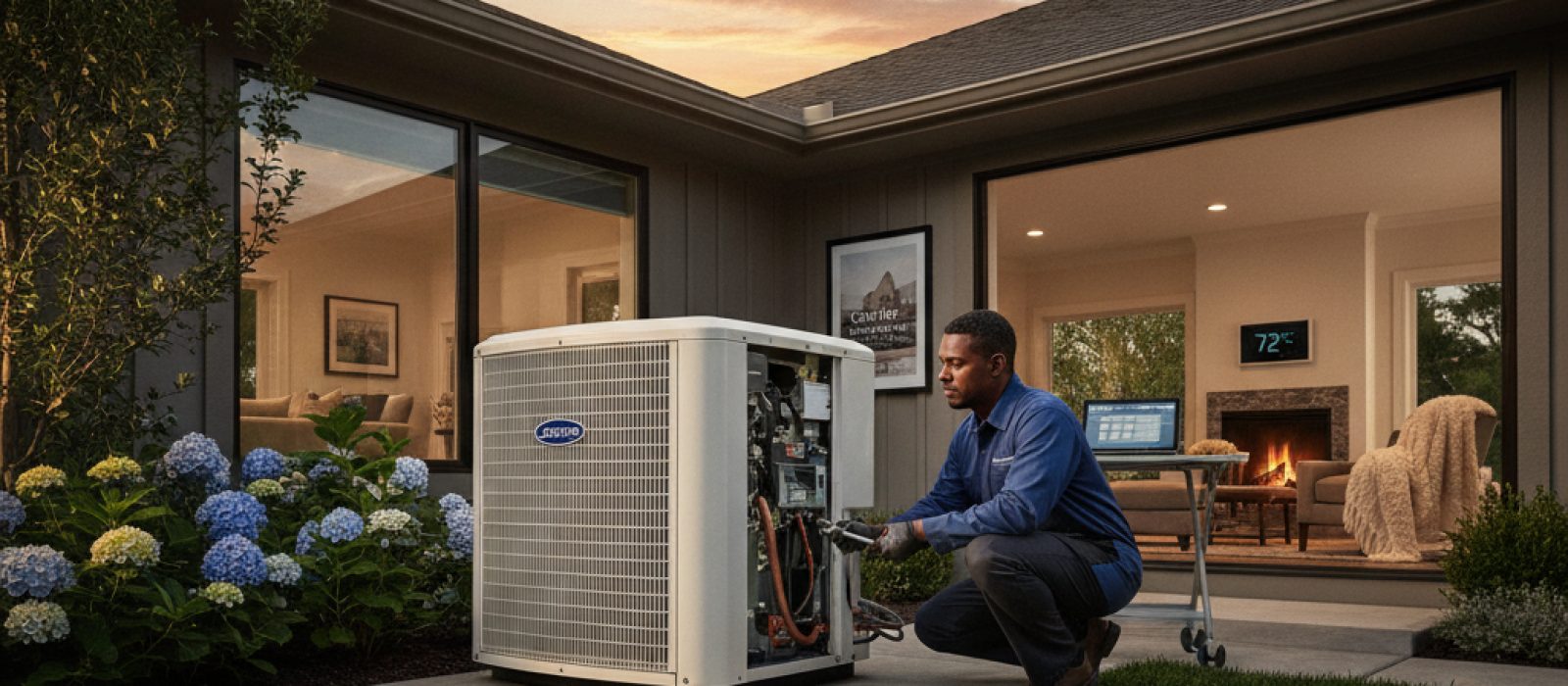
A comprehensive guide to understanding Carrier air conditioning systems, efficiency ratings, installation factors, and maintenance requirements.
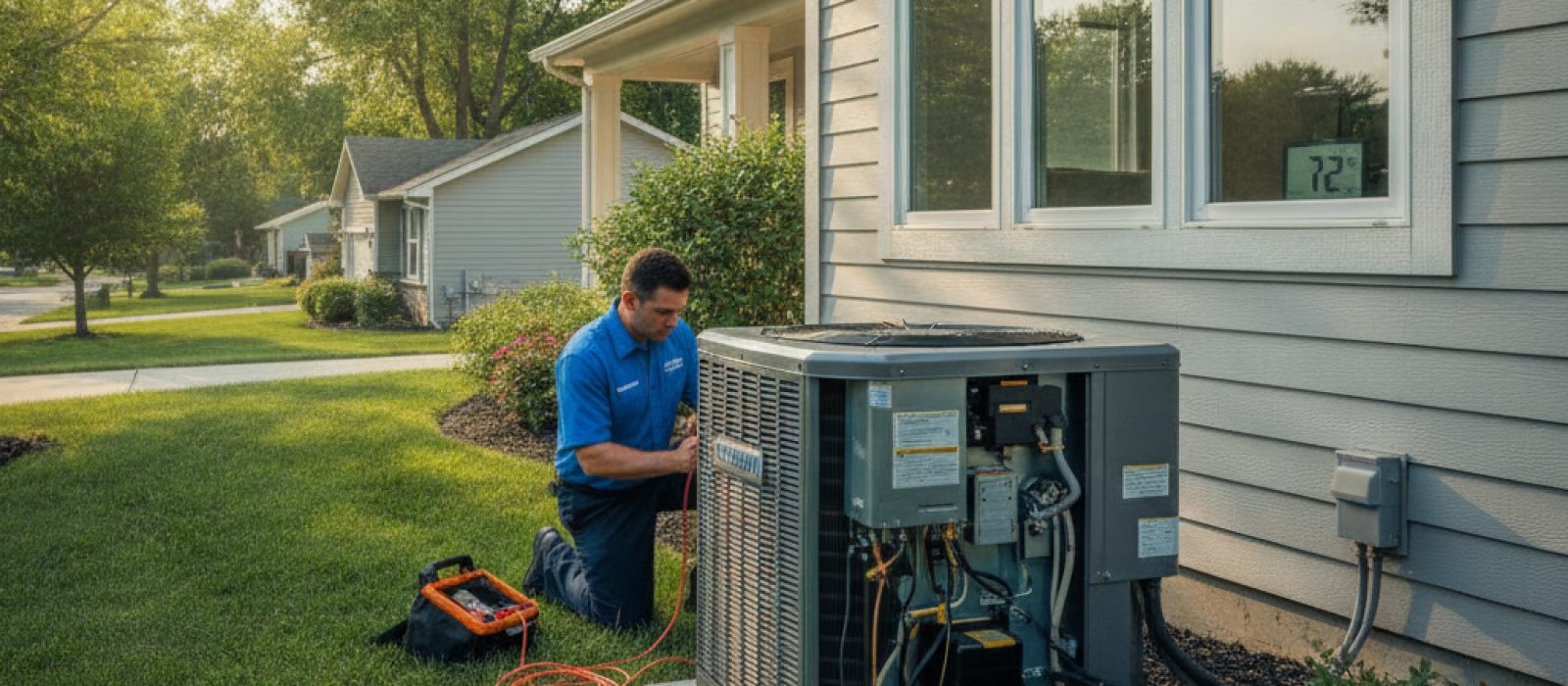
An objective look at Goodman HVAC systems, covering performance, longevity, and what homeowners should know before choosing a budget-friendly cooling solution.
A guide to understanding Trane residential cooling systems, including component integration and maintenance requirements for homeowners.
A practical guide to understanding Rheem HVAC systems, covering cooling performance, heating efficiency, and essential maintenance for homeowners.
Be the first to comment.