
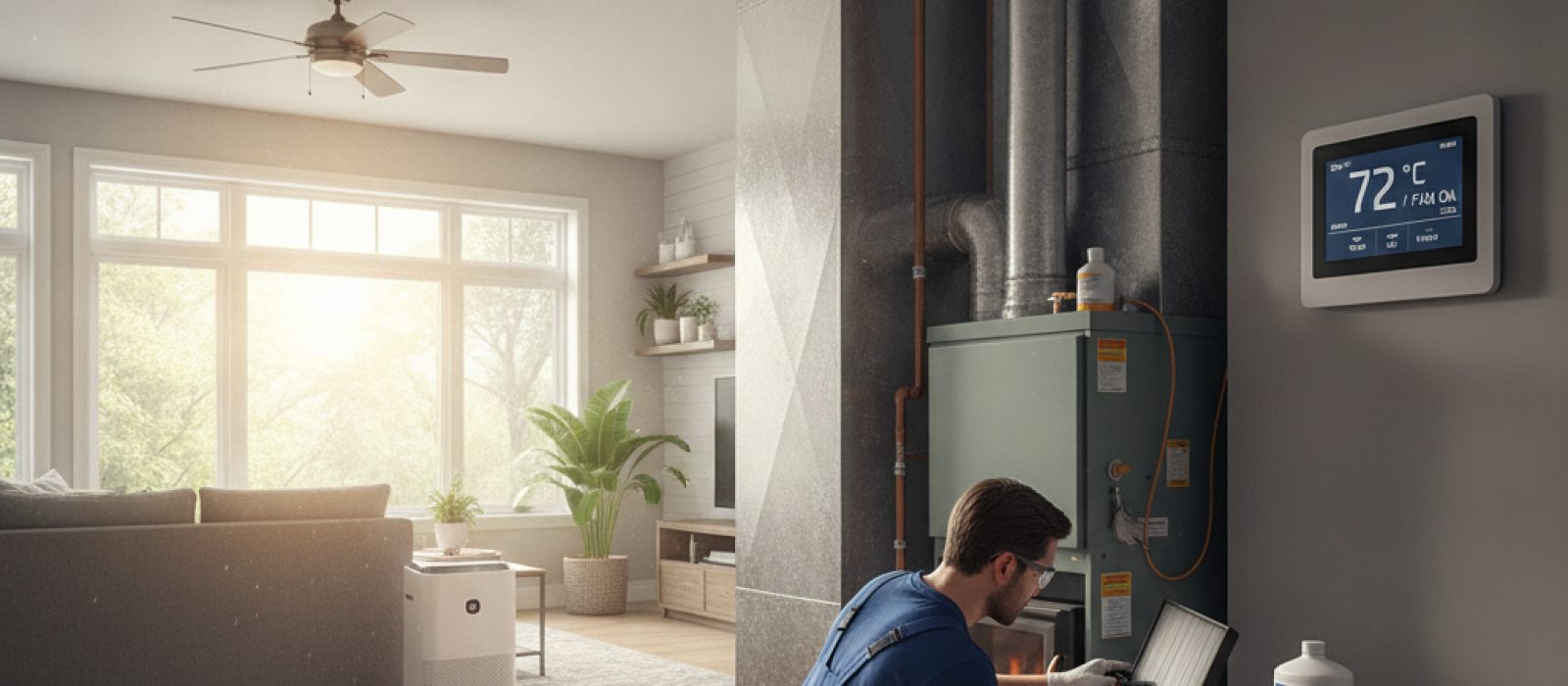
Indoor Air Pollution: Sources and Solutions That Actually Help
Learn to identify common indoor pollutants and discover practical, effective strategies to improve the air quality within your home.
4 min read

High-Efficiency Particulate Air (HEPA) filters are mechanical air filters designed to trap a high percentage of airborne particles. To meet the standard definition, a filter must capture at least 99.97 percent of particles that are 0.3 microns in diameter. This specific size is utilized as a benchmark because it represents the most penetrating particle size for filter media. When air passes through the dense mat of randomly arranged fibers, particles are trapped through a combination of interception, impaction, and diffusion.
It is important to distinguish between true HEPA filters and those labeled as "HEPA-type" or "HEPA-like." These alternative terms often refer to filters that do not meet the rigorous testing standards required for genuine HEPA certification. For homeowners dealing with persistent allergies, verifying the certification status of a filter is the first step in ensuring the equipment will perform as expected.
A high-quality filter is only one component of an effective air cleaning system. The Clean Air Delivery Rate (CADR) provides a measurement of how much filtered air a unit delivers to a room. This rating takes into account both the efficiency of the filter and the volume of air processed by the fan. A filter with high efficiency but low airflow will not significantly reduce the overall concentration of allergens in a space.
Homeowners should match the unit capacity to the square footage of the room. Placing an undersized air cleaner in a large, open-concept living area will result in minimal air turnover. For optimal performance, the air cleaner should be positioned in a location with unobstructed airflow, away from walls, furniture, or curtains that could restrict intake or exhaust.
While portable HEPA units are effective at capturing particles within a specific room, they do not address the source of pollutants or the entire home environment. Allergens such as pollen, pet dander, and dust mites often settle on surfaces like carpets, upholstery, and drapes. An air cleaner can only process the particles currently suspended in the air. If the home has significant dust accumulation, regular housekeeping remains a necessary complement to mechanical filtration.
Furthermore, standalone units do not provide ventilation. They recirculate existing indoor air rather than introducing fresh outdoor air. To address total home comfort, many homeowners benefit from integrating advanced filtration directly into their central HVAC system. If you suspect your ductwork is circulating trapped dust and allergens, professional Air Duct Cleaning can help remove these reservoirs, allowing your filtration systems to operate more efficiently.
Rather than relying solely on portable devices, homeowners can improve their home's environment by upgrading their central Indoor Air Quality solutions. Modern furnaces and air handlers can often be fitted with higher-efficiency media filters that provide a larger surface area for particle capture. This approach treats the air for the entire home as it circulates through the ductwork.
When upgrading central filtration, it is vital to consult with a professional regarding the static pressure of the system. A filter that is too dense can restrict airflow, which places excessive strain on the blower motor. This can lead to reduced system lifespan or even mechanical failure. A technician can perform a Maintenance & Tune-up to ensure your system can handle a higher-rated filter without compromising airflow or energy efficiency.
HEPA filters are not permanent; they accumulate debris over time, which increases resistance to airflow. As a filter becomes clogged, the fan must work harder to push air through the media, which reduces the effectiveness of the unit. Following the manufacturer’s schedule for filter replacement is mandatory for maintaining the desired air quality levels.
In addition to filter changes, the interior of the air cleaner and the fan blades should be periodically cleaned. Dust buildup on internal components can degrade the motor over time. If you notice a decrease in airflow or an increase in noise levels, the filter is likely saturated and requires immediate replacement.
While changing a portable air cleaner filter is a straightforward task for a homeowner, issues with central air purification systems often require professional intervention. If you are experiencing poor air quality despite regular filter changes, the problem may lie within the system design or the integrity of your ductwork. In such cases, professional Ductwork Services can identify leaks or blockages that allow unfiltered air to bypass your filtration media.
If you are considering a whole-home air purification upgrade, a professional assessment is recommended. Ensuring that the new equipment is compatible with your existing blower motor and heating system is critical for long-term reliability. Attempting to force-fit high-efficiency components into an incompatible system can lead to costly repairs and poor performance.
Learn to identify common indoor pollutants and discover practical, effective strategies to improve the air quality within your home.
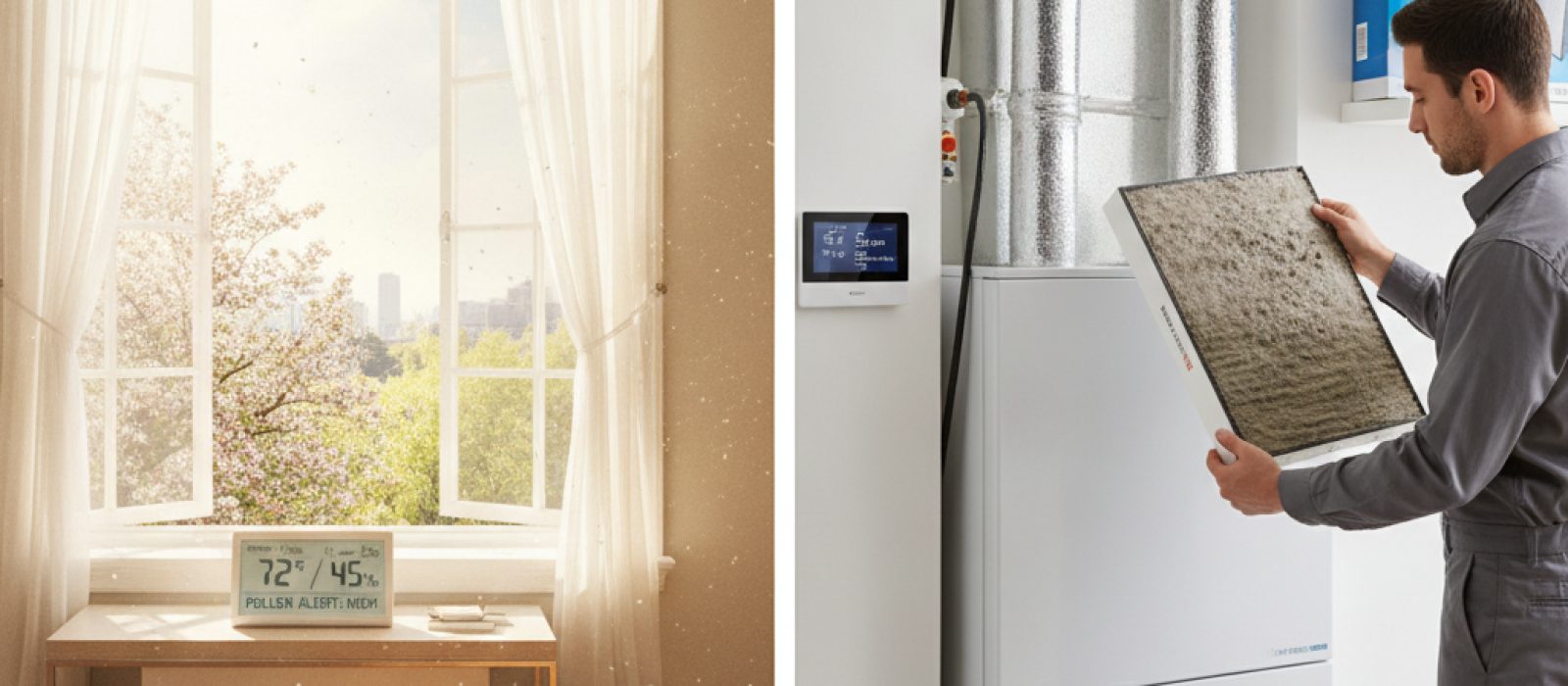
Learn the balance between natural ventilation and mechanical filtration to maintain optimal indoor air quality in your home.
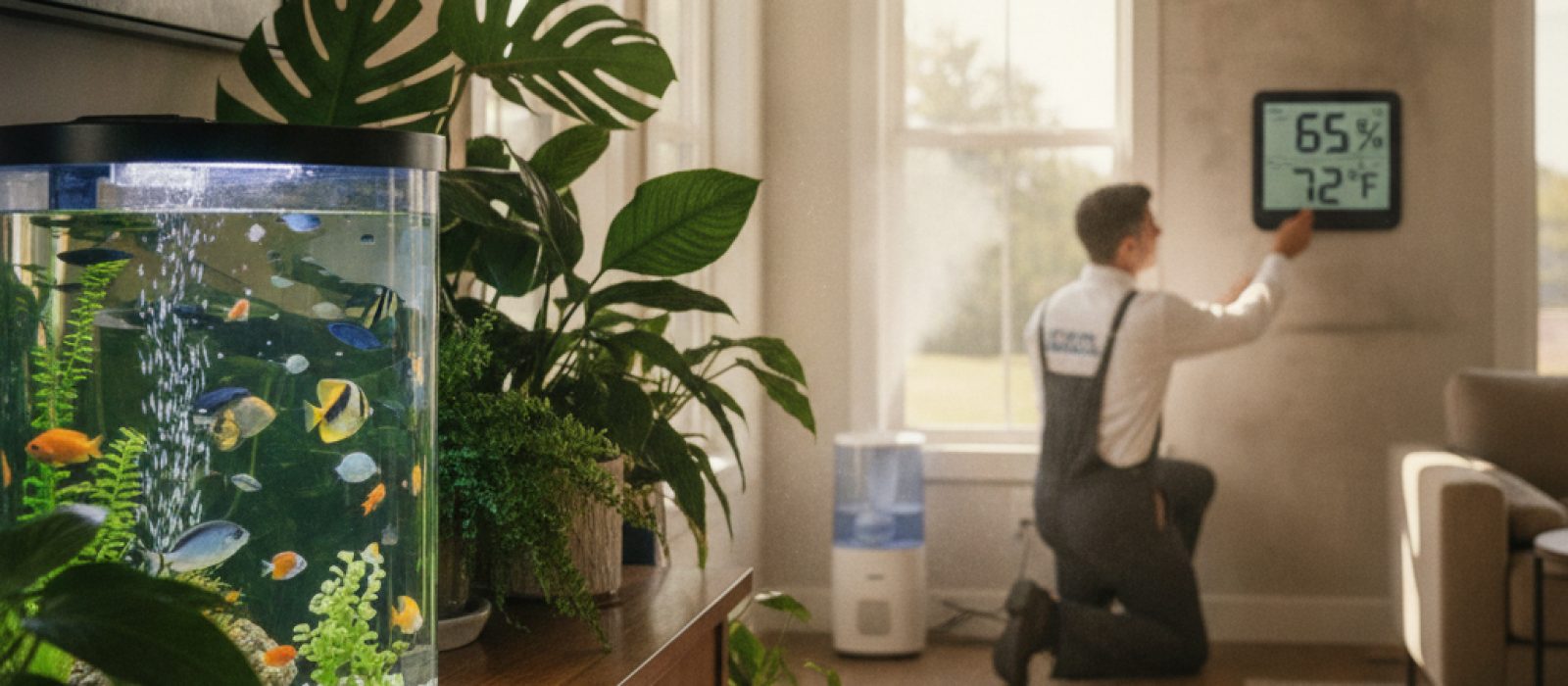
Learn how common household features like aquariums and plants impact indoor air quality and how to manage the resulting humidity levels effectively.
Discover how holiday traditions impact your home's indoor air quality and learn practical steps to maintain a healthy breathing environment this winter.
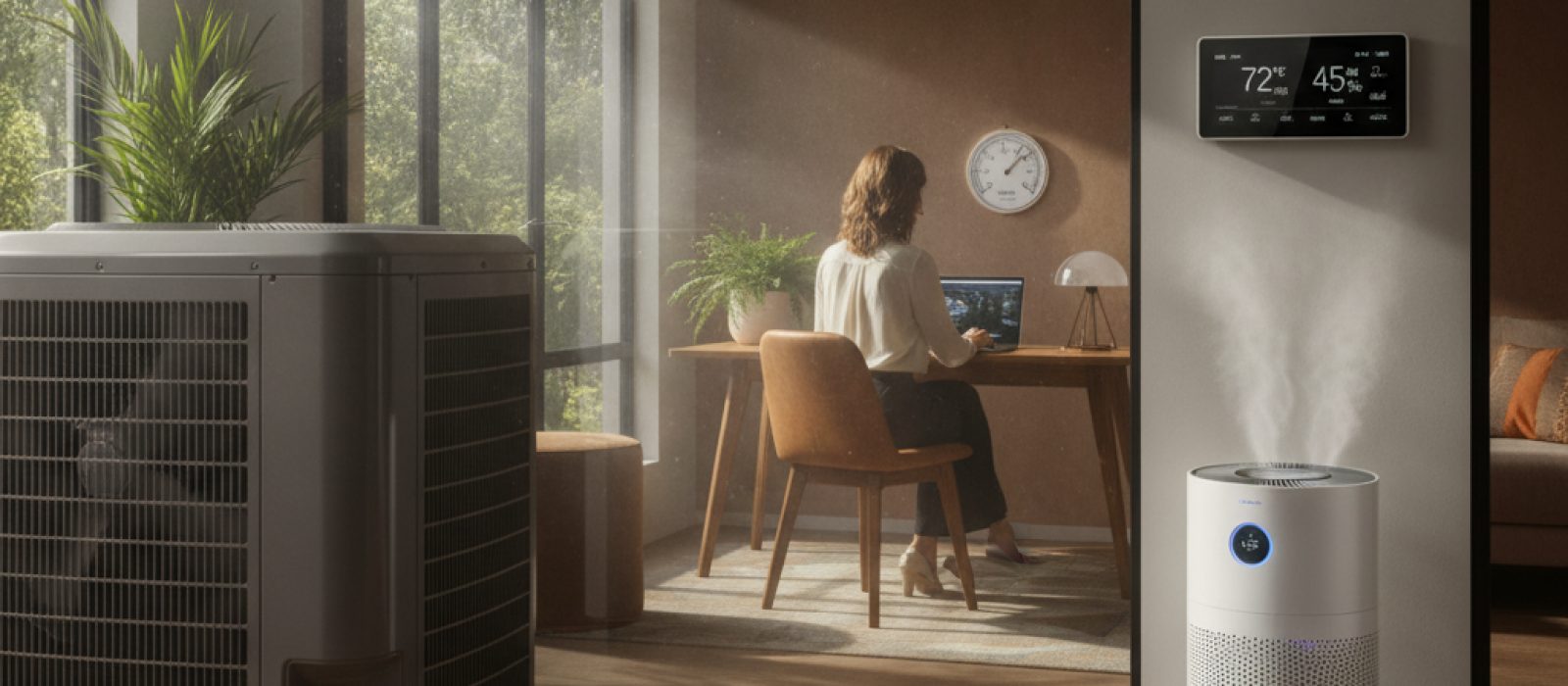
Improve productivity and health by optimizing the indoor air quality of your home office through ventilation, filtration, and humidity control.
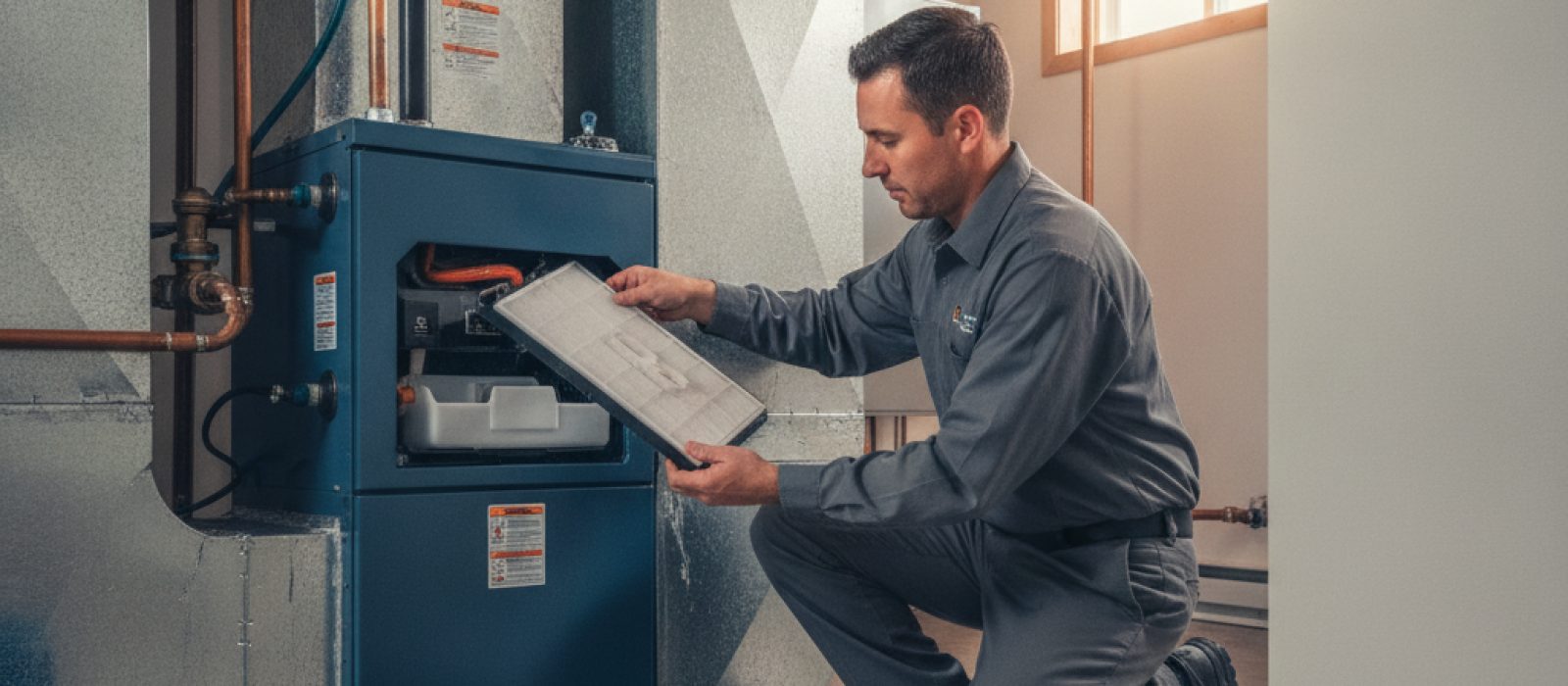
Learn essential steps to keep your home humidifier clean and mold-free, ensuring healthy indoor air quality throughout the heating season.
Be the first to comment.