
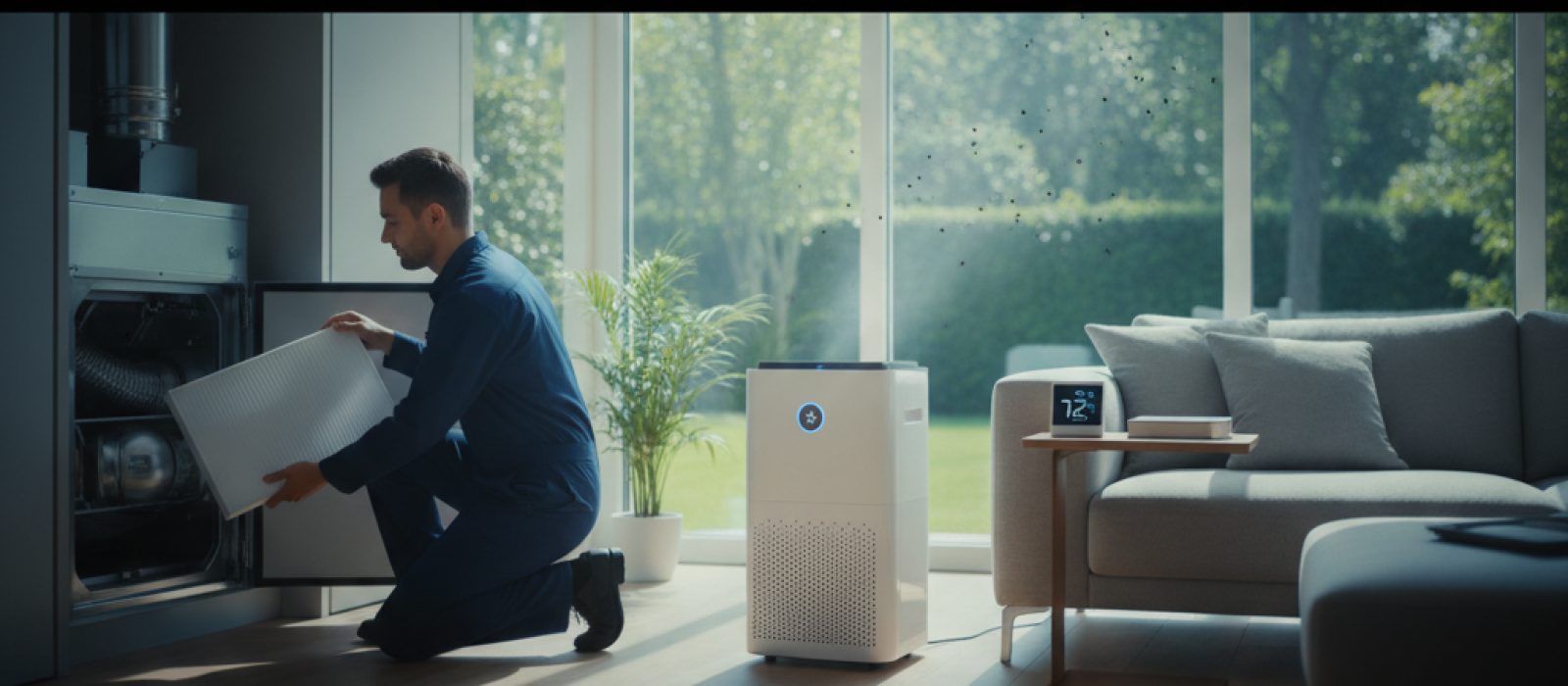
HEPA Air Cleaners for Allergies: What Actually Works
Learn how HEPA air cleaners function, their limitations in home environments, and how to effectively manage indoor air quality for allergy relief.
3 min read

Indoor air quality (IAQ) is influenced by a complex interaction between outdoor pollutants, building materials, and daily household activities. While modern homes are built to be energy-efficient and airtight, this seal can trap contaminants inside, leading to a buildup of particulates, volatile organic compounds (VOCs), and biological triggers. Improving air quality requires a multi-layered approach that addresses source control, ventilation, and active filtration.
Pollutants originate from both invisible and visible sources. Identifying these is the first step toward mitigation.
Your HVAC system is the primary air-handling unit for the home, but it can also become a distribution center for pollutants if not properly maintained. Routine Maintenance & Tune-up visits are essential to ensure that internal components remain clean and that the condensate drain lines are free of clogs that could lead to microbial growth.
If the ductwork is compromised, the system may draw in air from unconditioned spaces like attics or crawlspaces, bringing dust and insulation fibers into the living area. Professional Air Duct Cleaning may be necessary if visual inspection reveals significant buildup or if there is documented evidence of mold growth within the distribution system.
Effective Indoor Air Quality management relies on a combination of source reduction and mechanical intervention. Start by addressing the most significant contributors before investing in high-end equipment.
The most effective way to lower the concentration of indoor pollutants is to dilute them with fresh outdoor air. During mild weather, opening windows creates a cross-breeze that flushes out stagnant air. In tightly sealed homes, mechanical ventilation systems, such as energy recovery ventilators, provide a controlled exchange of air without sacrificing thermal efficiency.
Managing humidity is equally vital. Dehumidification prevents the conditions necessary for biological growth. Ensure that exhaust fans in bathrooms and kitchens are vented directly to the exterior, rather than into the attic or wall cavities.
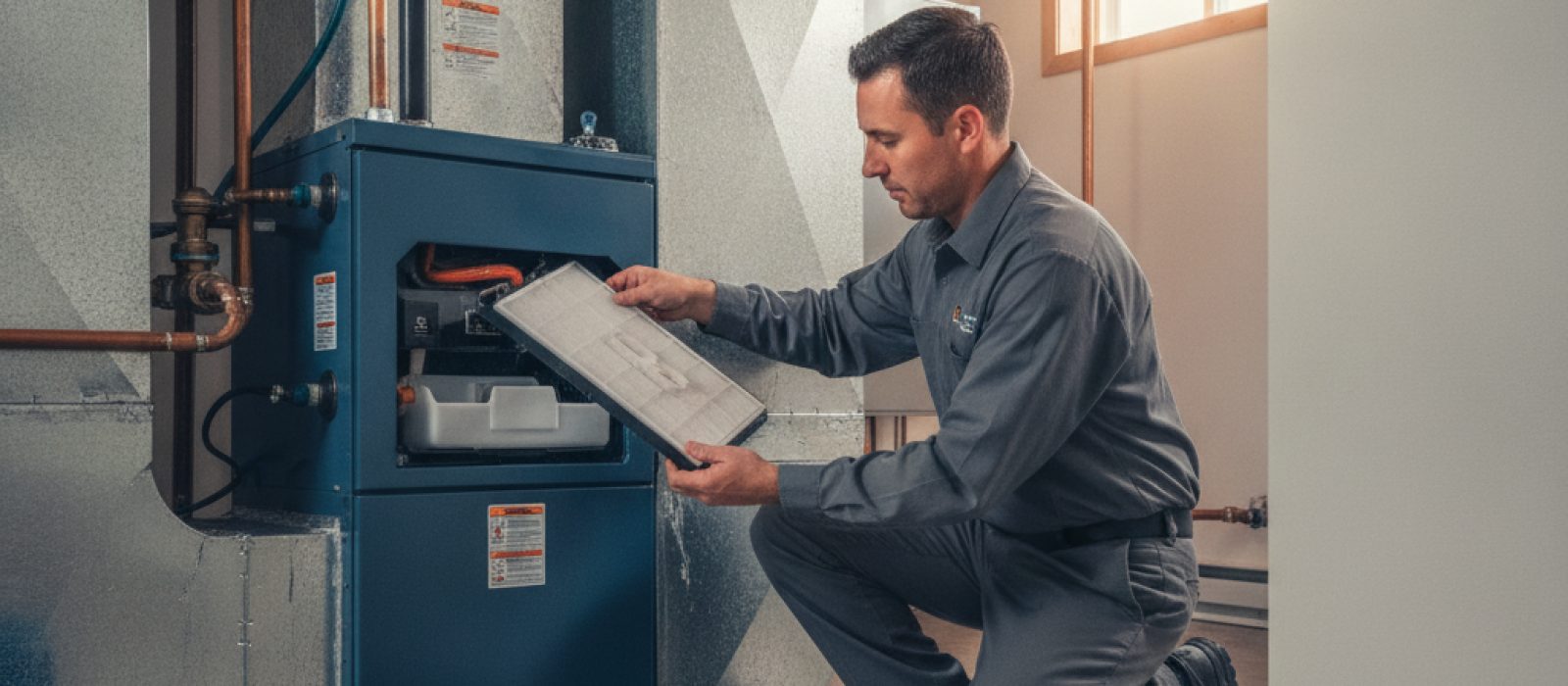
Your furnace or air handler filter is the first line of defense. Standard filters are designed primarily to protect the blower motor, but upgrading to a higher-rated media filter can capture smaller particles. Check the filter manufacturer’s specifications to ensure your system can handle the increased airflow resistance. If a filter is too restrictive, it can cause the system to overwork, leading to premature wear on blower components.
Beyond standard filtration, homeowners may consider integrated air purification systems. These devices are often installed directly into the ductwork to target pollutants as air passes through the system. Some utilize ultraviolet light to neutralize biological growth on cooling coils, while others use advanced oxidation processes or polarized media to capture microscopic particulates. Consult with a professional to determine which technology is compatible with your specific system configuration.
While homeowners can manage filter changes and basic housekeeping, certain tasks require specialized equipment and training. If you suspect your home has high levels of carbon monoxide, immediately evacuate and contact emergency services. For persistent respiratory issues or suspected mold contamination, professional diagnostic testing is recommended to identify the specific nature of the problem before attempting remediation.
Additionally, if your system struggles to maintain consistent temperature or airflow, it may be a sign of deeper mechanical issues. A comprehensive Heating Services inspection can identify if the equipment itself is contributing to poor air quality, such as a cracked heat exchanger or a failing blower fan.
Learn how HEPA air cleaners function, their limitations in home environments, and how to effectively manage indoor air quality for allergy relief.
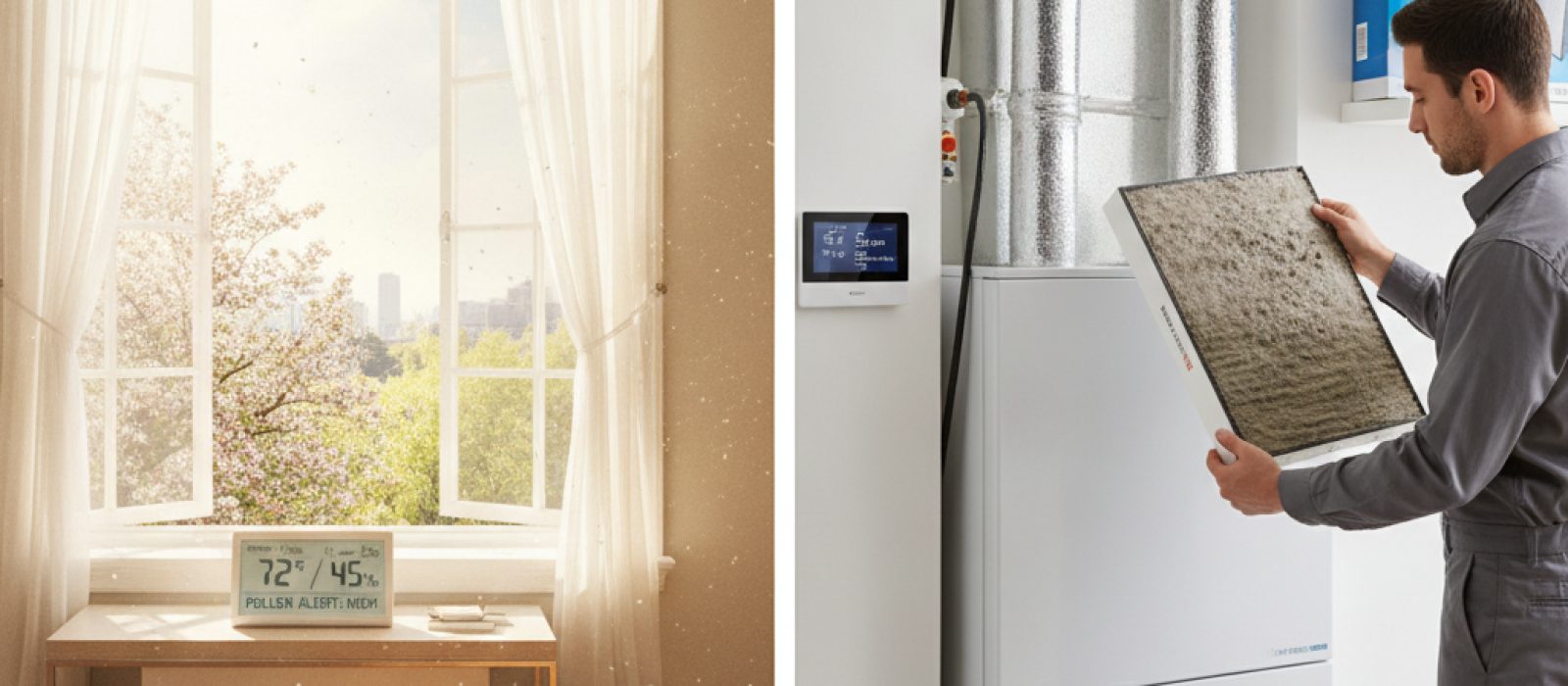
Learn the balance between natural ventilation and mechanical filtration to maintain optimal indoor air quality in your home.
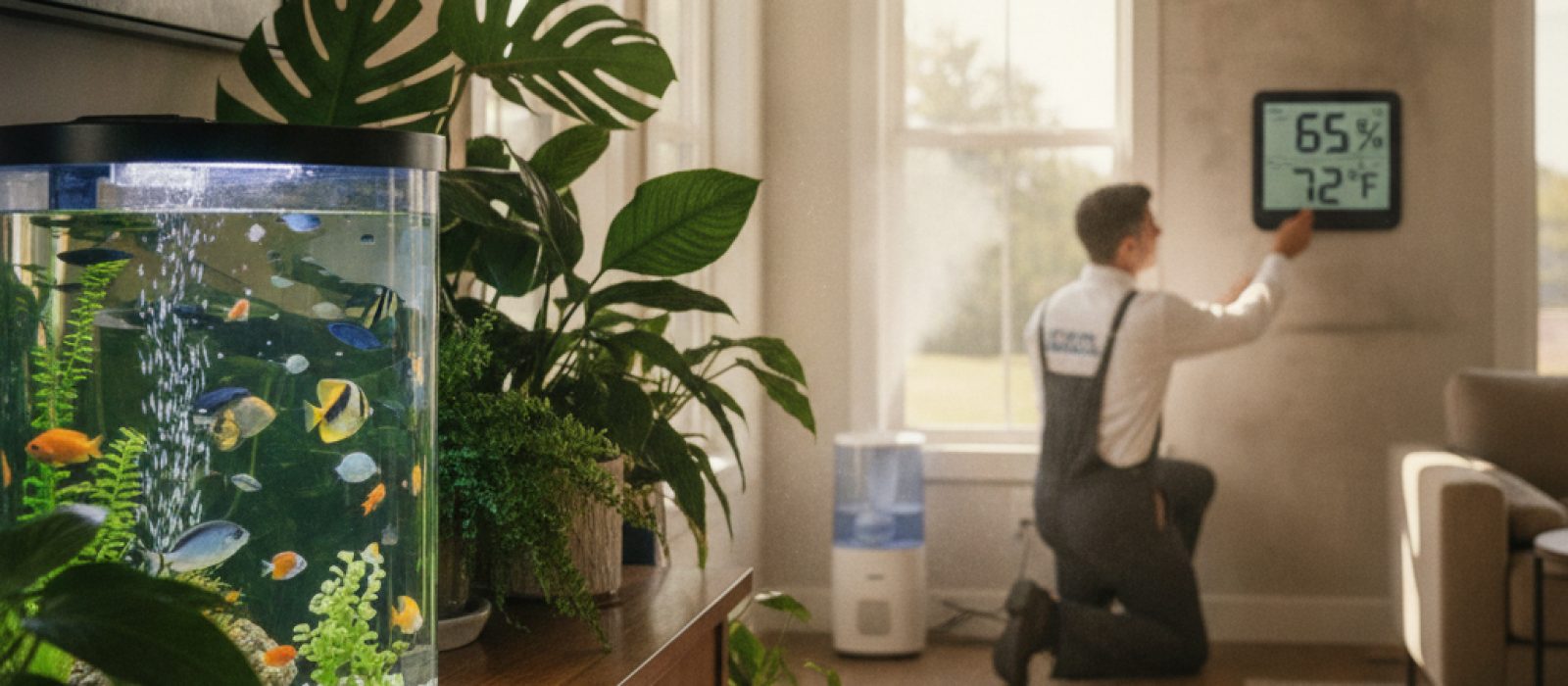
Learn how common household features like aquariums and plants impact indoor air quality and how to manage the resulting humidity levels effectively.

Discover how holiday traditions impact your home's indoor air quality and learn practical steps to maintain a healthy breathing environment this winter.
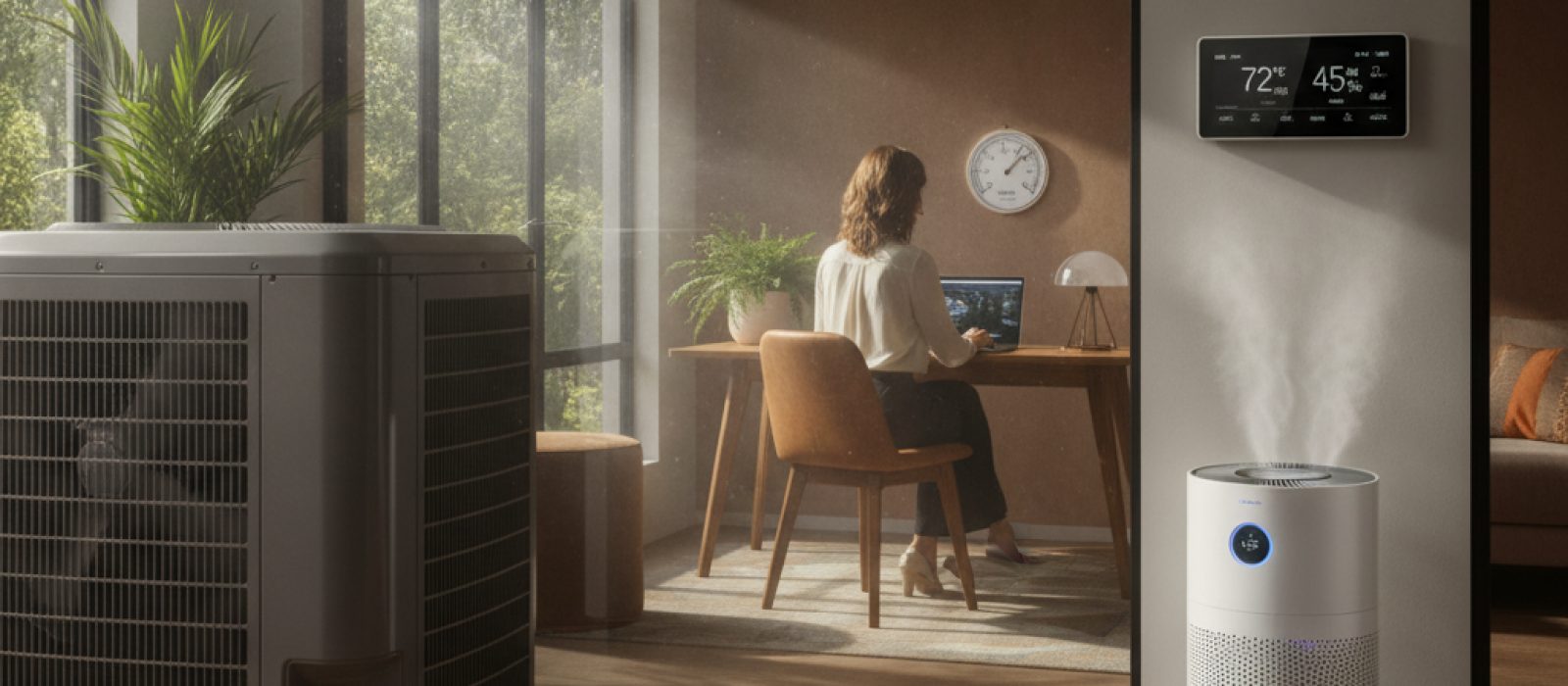
Improve productivity and health by optimizing the indoor air quality of your home office through ventilation, filtration, and humidity control.
Learn essential steps to keep your home humidifier clean and mold-free, ensuring healthy indoor air quality throughout the heating season.
Be the first to comment.