
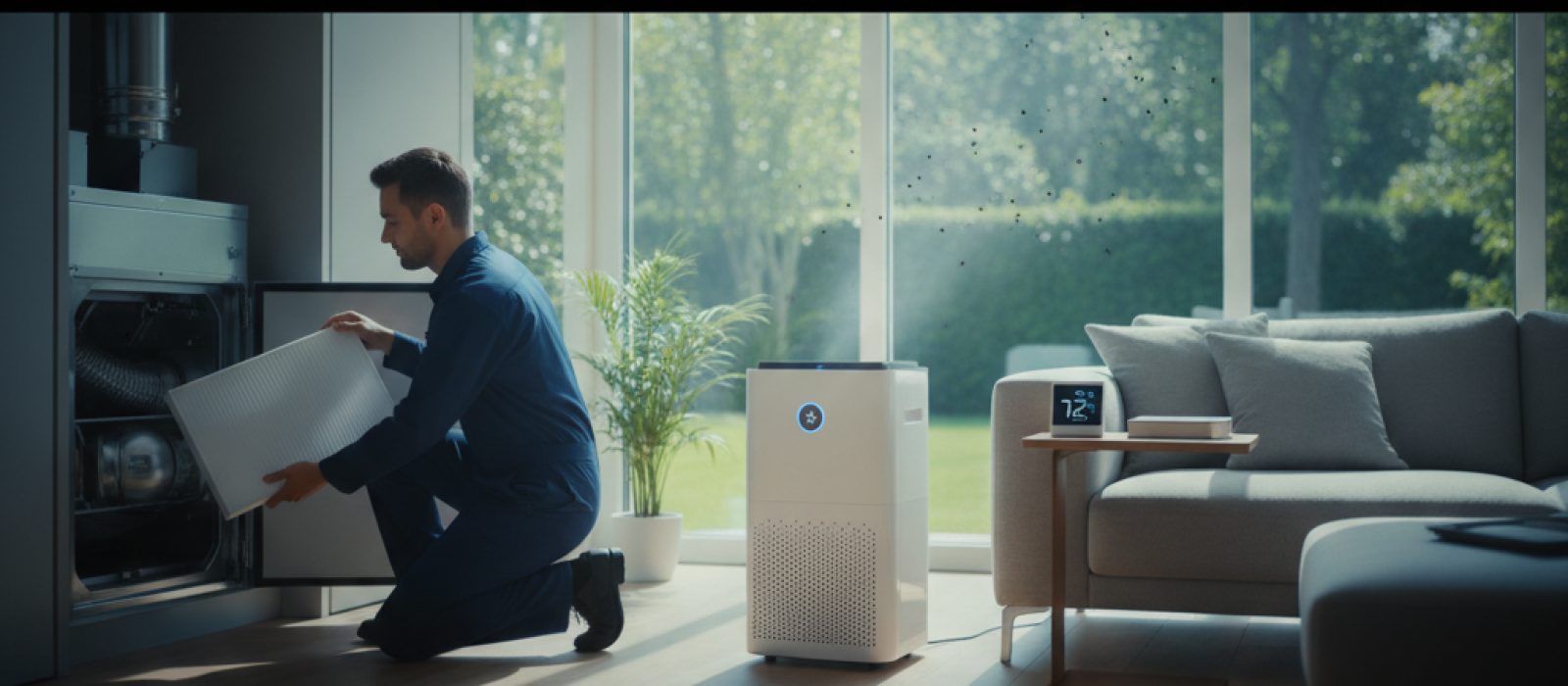
HEPA Air Cleaners for Allergies: What Actually Works
Learn how HEPA air cleaners function, their limitations in home environments, and how to effectively manage indoor air quality for allergy relief.
3 min read

Home offices often present unique indoor air quality challenges that differ from standard living spaces. Because these rooms are frequently smaller, contain more electronic equipment, and involve long periods of sedentary activity, they can quickly accumulate carbon dioxide, volatile organic compounds (VOCs), and particulate matter. Understanding how to manage these factors is essential for maintaining a comfortable, healthy environment for sustained work.
Proper ventilation is the foundation of a healthy indoor environment. In many homes, office spaces are converted bedrooms or dens that may lack the airflow volume required for a dedicated workspace. If a room feels stuffy or odors linger, the ventilation rate is likely insufficient.
Increasing fresh air intake can be achieved through mechanical or natural means. If the office has windows, opening them during mild weather helps flush out stale air. However, in extreme temperatures, this forces the HVAC system to work harder. In such cases, integrating energy recovery ventilation systems can provide a steady supply of outdoor air while tempering it to reduce the load on your heating and cooling equipment.
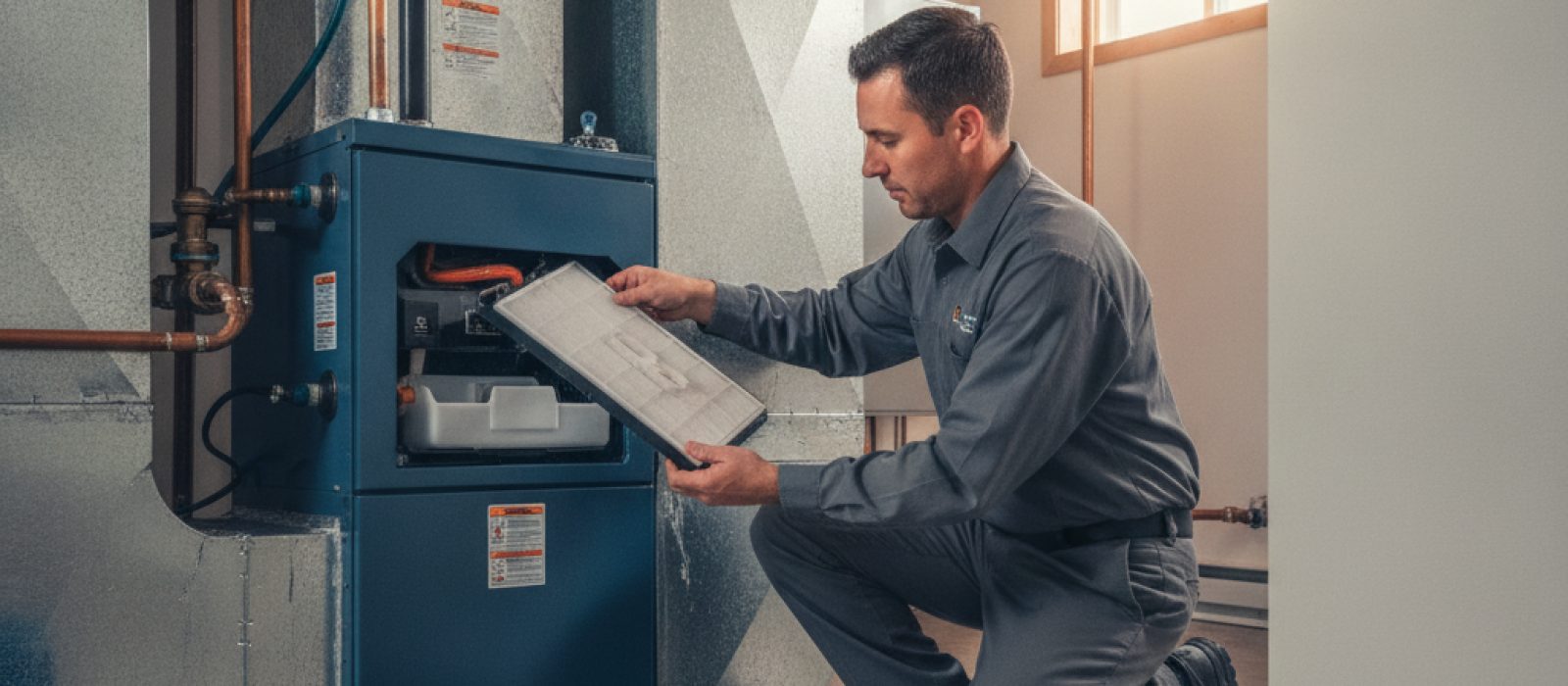
Electronic equipment, such as printers, monitors, and desktop computers, can attract and recirculate dust. Furthermore, office furniture and carpeting may off-gas chemicals over time. Standard HVAC filters are designed primarily to protect the blower motor, but they can be upgraded to higher-efficiency media filters to capture smaller particles.
When selecting a filter, verify that your blower motor is rated to handle the increased static pressure of a higher-MERV filter. If you are unsure, professional Indoor Air Quality assessments can determine the optimal balance between filtration efficiency and system airflow. A system that is choked by an overly restrictive filter will lose efficiency and potentially lead to premature wear.
Maintaining relative humidity between 30% and 50% is crucial for both comfort and equipment longevity. High humidity can encourage mold growth in damp corners or around windows, while extremely low humidity can lead to static electricity, which poses a risk to sensitive electronic components.
If your office is located in a basement or a poorly insulated space, a whole-home dehumidifier or a localized unit may be necessary. Conversely, in dry climates, a whole-house humidifier integrated with your Heating Services can prevent the throat and eye irritation often associated with dry office air during the winter months.
Office equipment generates heat, which can exacerbate the off-gassing of materials like adhesives, plastics, and flame retardants found in office chairs and desks. Ensuring that equipment is not placed directly against supply or return vents is a simple step to improve air circulation.
If your office setup includes a printer or scanner, ensure the area is well-ventilated, as these devices can emit ozone or fine toner particles during operation. For homes with older ventilation systems, Air Duct Cleaning may be necessary if you notice dust accumulation around your supply registers, as this can indicate that your ductwork is circulating trapped debris directly into your workspace.
While many aspects of air quality can be managed by the homeowner, certain issues require expert intervention. If you notice persistent odors, visible mold, or significant fluctuations in temperature within your office, these may be symptoms of deeper problems within your HVAC system.
Regular Maintenance & Tune-up visits are the best way to ensure your system is operating at peak performance and that air is being distributed evenly throughout the home. Licensed technicians can identify leaks in ductwork, verify proper refrigerant levels, and ensure that your thermostat is accurately calibrated to reflect the conditions inside your office, rather than just the hallway or living room.
Learn how HEPA air cleaners function, their limitations in home environments, and how to effectively manage indoor air quality for allergy relief.
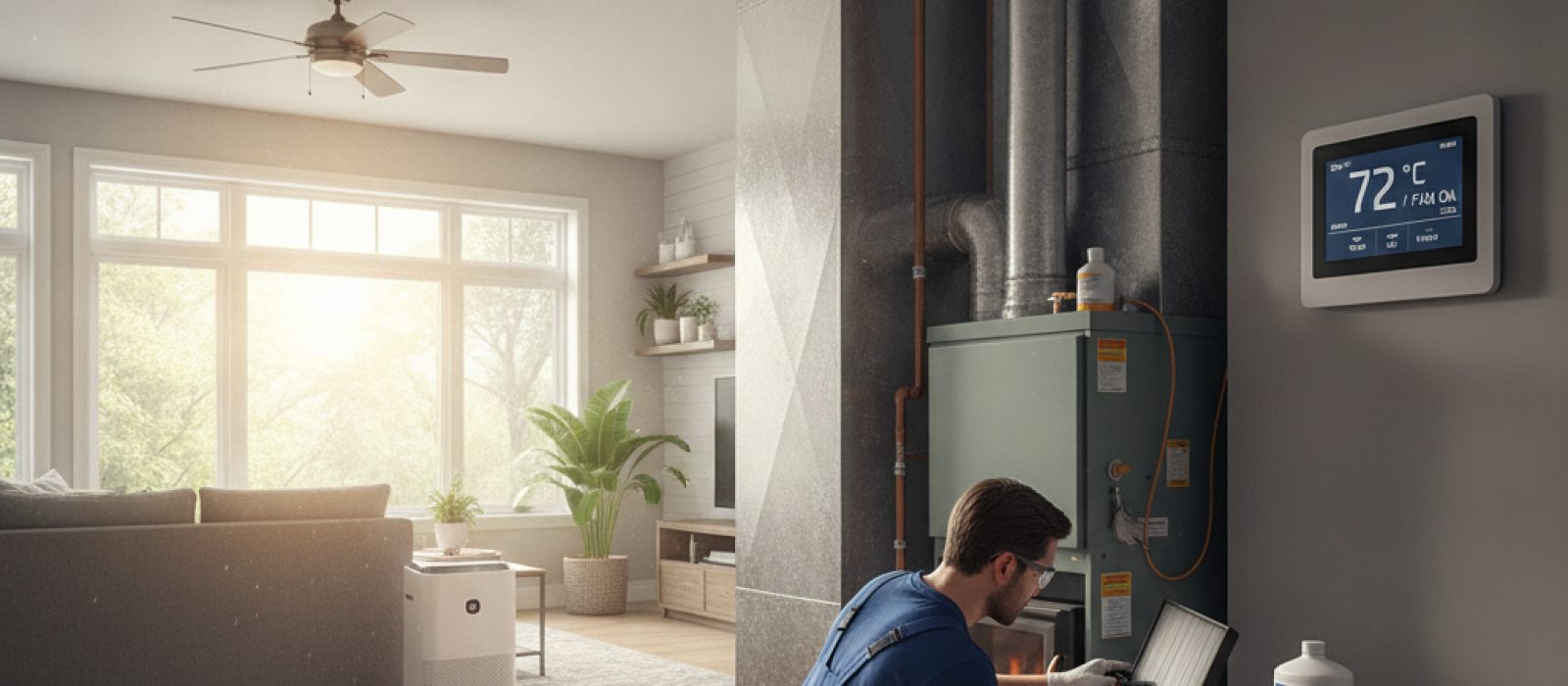
Learn to identify common indoor pollutants and discover practical, effective strategies to improve the air quality within your home.
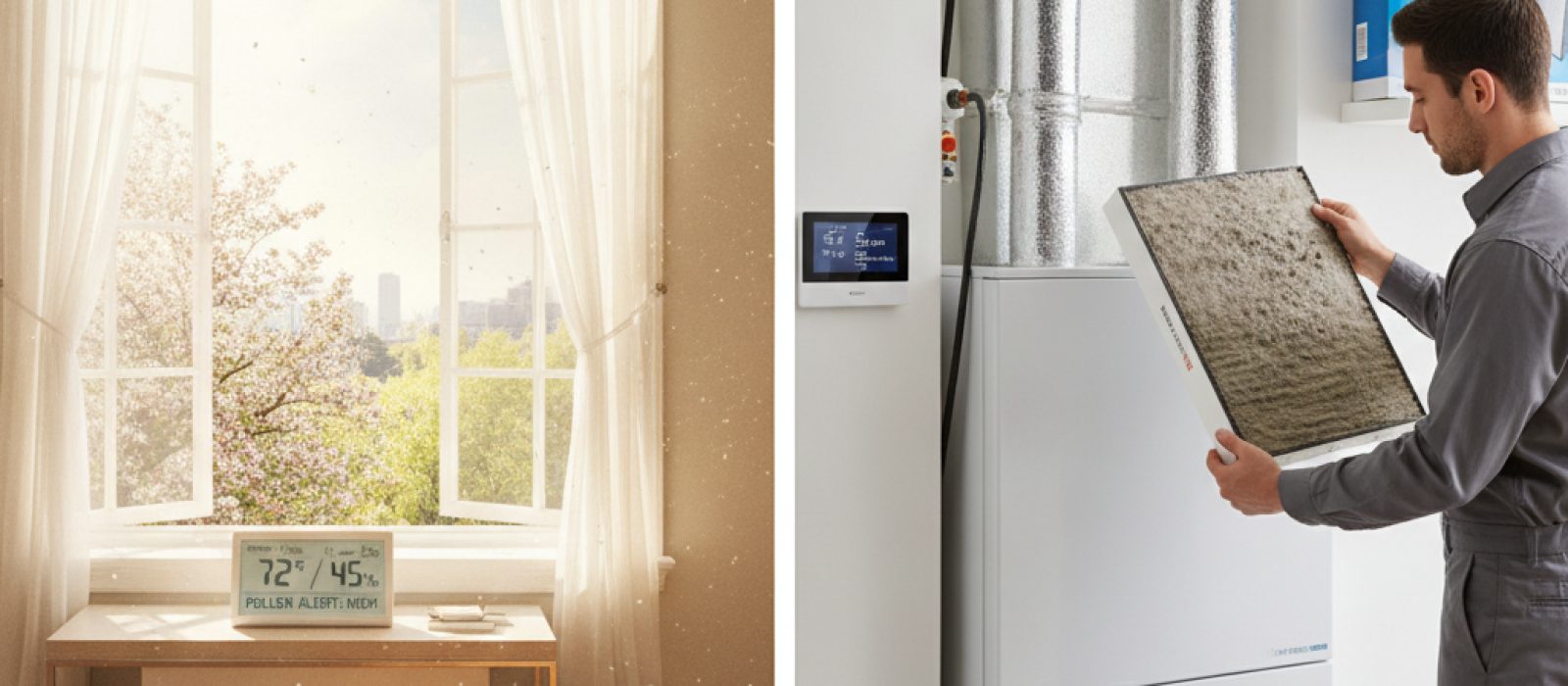
Learn the balance between natural ventilation and mechanical filtration to maintain optimal indoor air quality in your home.
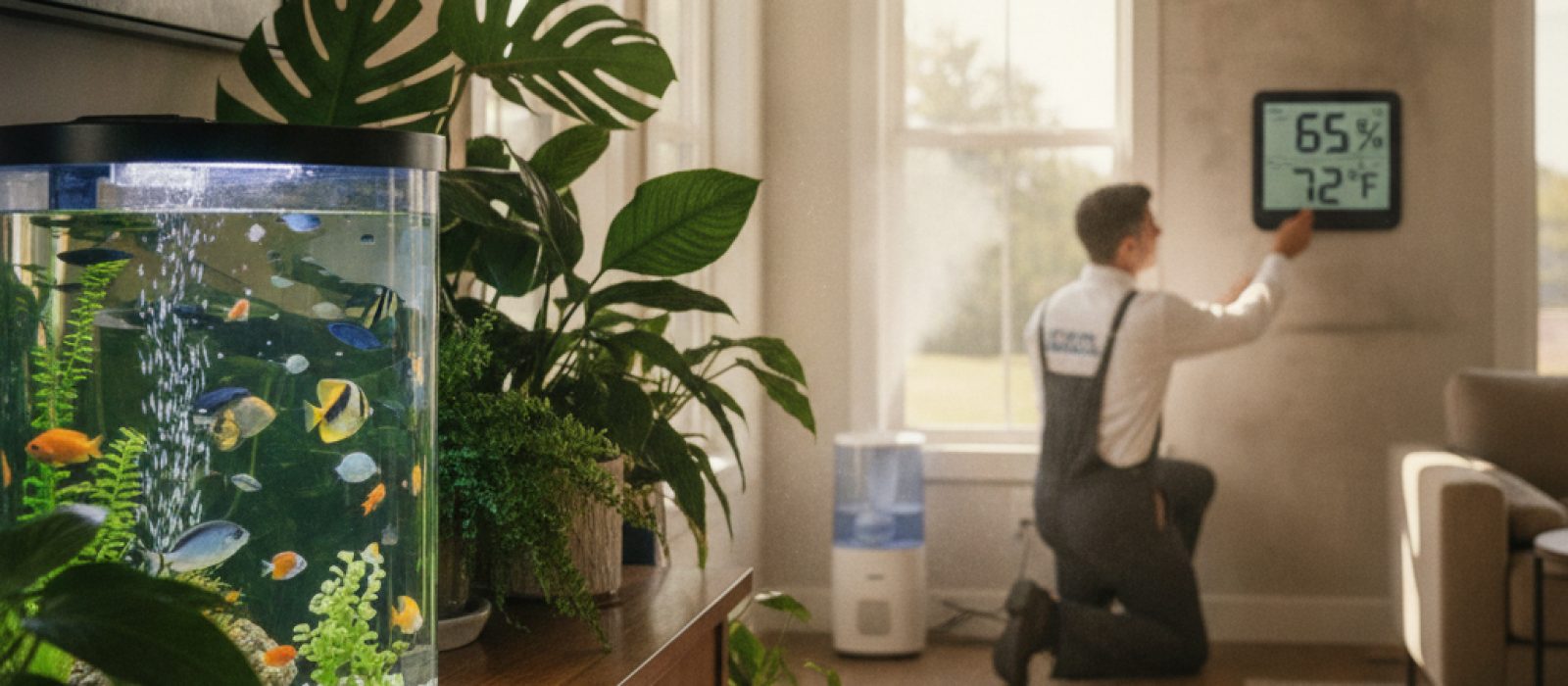
Learn how common household features like aquariums and plants impact indoor air quality and how to manage the resulting humidity levels effectively.

Discover how holiday traditions impact your home's indoor air quality and learn practical steps to maintain a healthy breathing environment this winter.
Learn essential steps to keep your home humidifier clean and mold-free, ensuring healthy indoor air quality throughout the heating season.
Be the first to comment.