
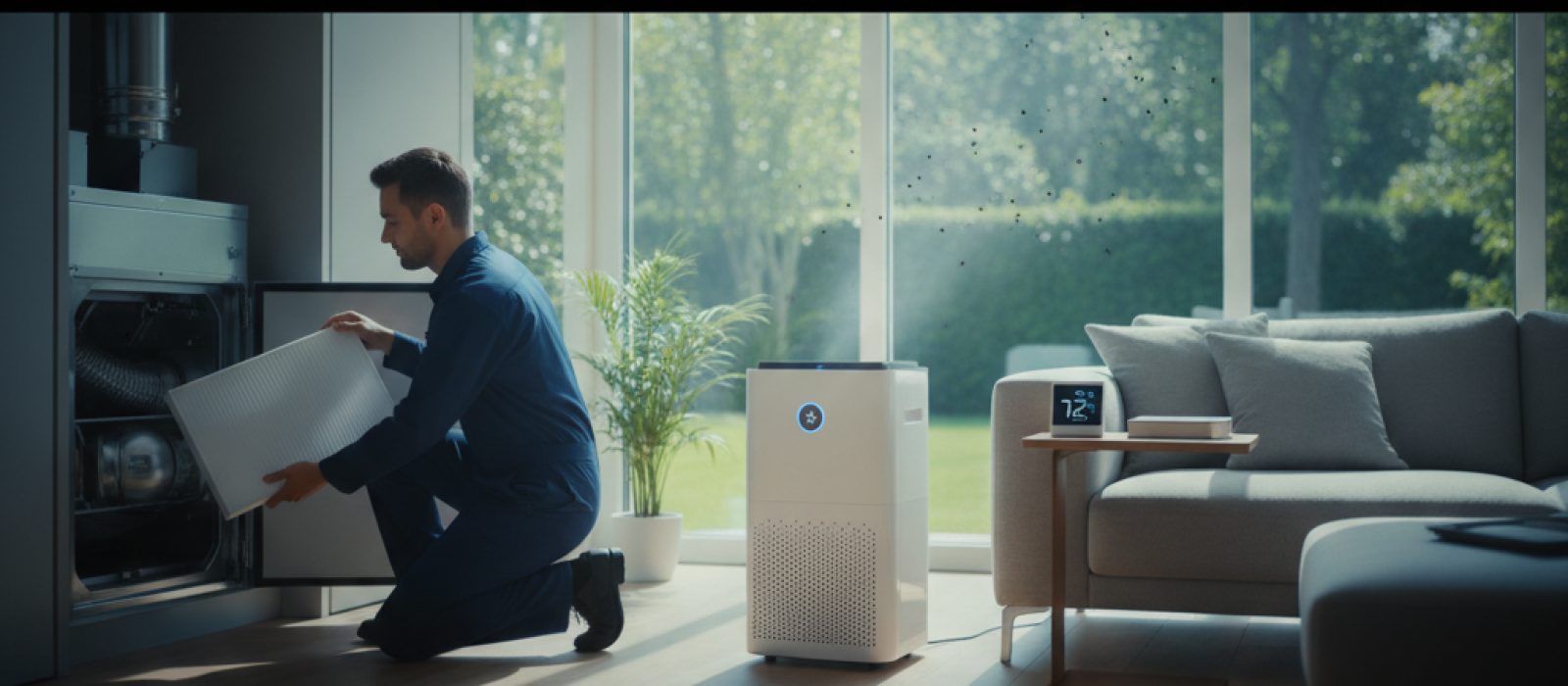
HEPA Air Cleaners for Allergies: What Actually Works
Learn how HEPA air cleaners function, their limitations in home environments, and how to effectively manage indoor air quality for allergy relief.
3 min read

Homeowners often view opening windows as the simplest way to refresh indoor air, yet this practice carries both benefits and risks depending on external conditions. Natural ventilation effectively flushes out stagnant air, reduces the concentration of carbon dioxide, and dilutes common household pollutants like volatile organic compounds (VOCs). However, it introduces outdoor elements directly into the living space, which can overwhelm standard HVAC systems.
When the outdoor temperature and humidity levels are mild, opening windows can reduce the load on your cooling system. This provides a brief reprieve for your hardware. Once conditions shift toward extremes, however, relying on windows forces your air conditioner or furnace to work significantly harder to reach target temperatures, often leading to increased energy consumption and premature wear.
Modern HVAC systems are designed to cycle air through a filtration medium, which is the primary defense against airborne particulates. Unlike open windows, which allow pollen, dust, and debris to enter unchecked, a high-quality filter traps these contaminants while keeping the conditioned air inside. This constant scrubbing is essential for those with allergies or respiratory sensitivities.
If you rely on your system to maintain air purity, ensure the equipment is properly maintained. Regular Maintenance & Tune-up visits help verify that the blower motor and filtration housing are operating at peak efficiency. A restricted filter not only degrades air quality by allowing bypass but also forces the system to struggle against high static pressure, potentially damaging internal components.
There are specific scenarios where opening windows is detrimental to your Indoor Air Quality. During peak pollen season, natural ventilation serves as an intake valve for allergens. Once these particles settle on surfaces or get trapped in your ductwork, they can recirculate long after the windows are closed.
Similarly, poor outdoor air quality—caused by wildfire smoke, high ozone levels, or nearby construction—can infiltrate a home rapidly. In these instances, keeping windows sealed and relying on mechanical filtration is the safer route. If you notice persistent dust accumulation or musty smells despite regular cleaning, professional Air Duct Cleaning may be necessary to remove the buildup of contaminants that entered through open windows or past filtration gaps.
The ideal approach to air quality is a hybrid strategy. Use natural ventilation only when the outdoor air quality index is favorable and the temperature is moderate. Otherwise, rely on your HVAC system’s ability to circulate and clean the air.
If your home feels stuffy even with a clean filter, it may indicate a lack of proper air exchange. Some homes are built so tightly that they trap stale air, moisture, and pollutants. In such cases, a professional can assess whether your current ventilation strategy is sufficient or if an integrated mechanical ventilation system is required to bring in filtered, tempered air without the need to open windows.
Monitoring your home environment helps determine when to rely on mechanical systems versus natural airflow. Common indicators that your current strategy is failing include:
If these signs persist, it is advisable to consult with a professional. They can perform diagnostic tests to measure humidity levels and particulate counts, ensuring your home remains a healthy environment. Regular Energy Efficient Solutions can also be implemented to ensure that your efforts to improve air quality do not lead to excessive utility bills.
While homeowners can easily swap out standard air filters, more complex system adjustments should be left to licensed professionals. Attempting to bypass safety switches or modifying ductwork to increase airflow can lead to electrical hazards or system failure. If you suspect an issue with your system's ability to pull air or cycle it effectively, contact a qualified technician to inspect the blower assembly and return-air configurations. Never attempt to clean or repair internal electrical components of an HVAC unit without proper training and equipment.
Learn how HEPA air cleaners function, their limitations in home environments, and how to effectively manage indoor air quality for allergy relief.
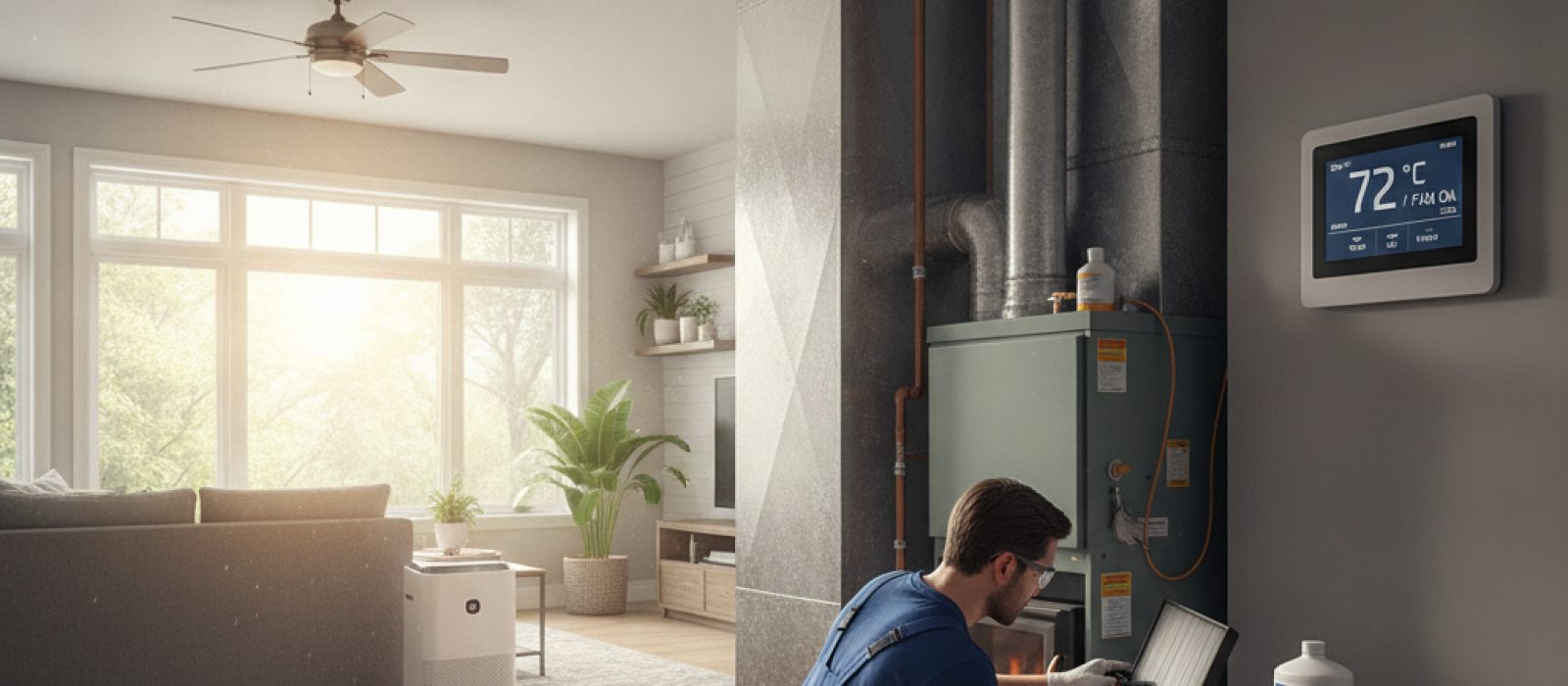
Learn to identify common indoor pollutants and discover practical, effective strategies to improve the air quality within your home.
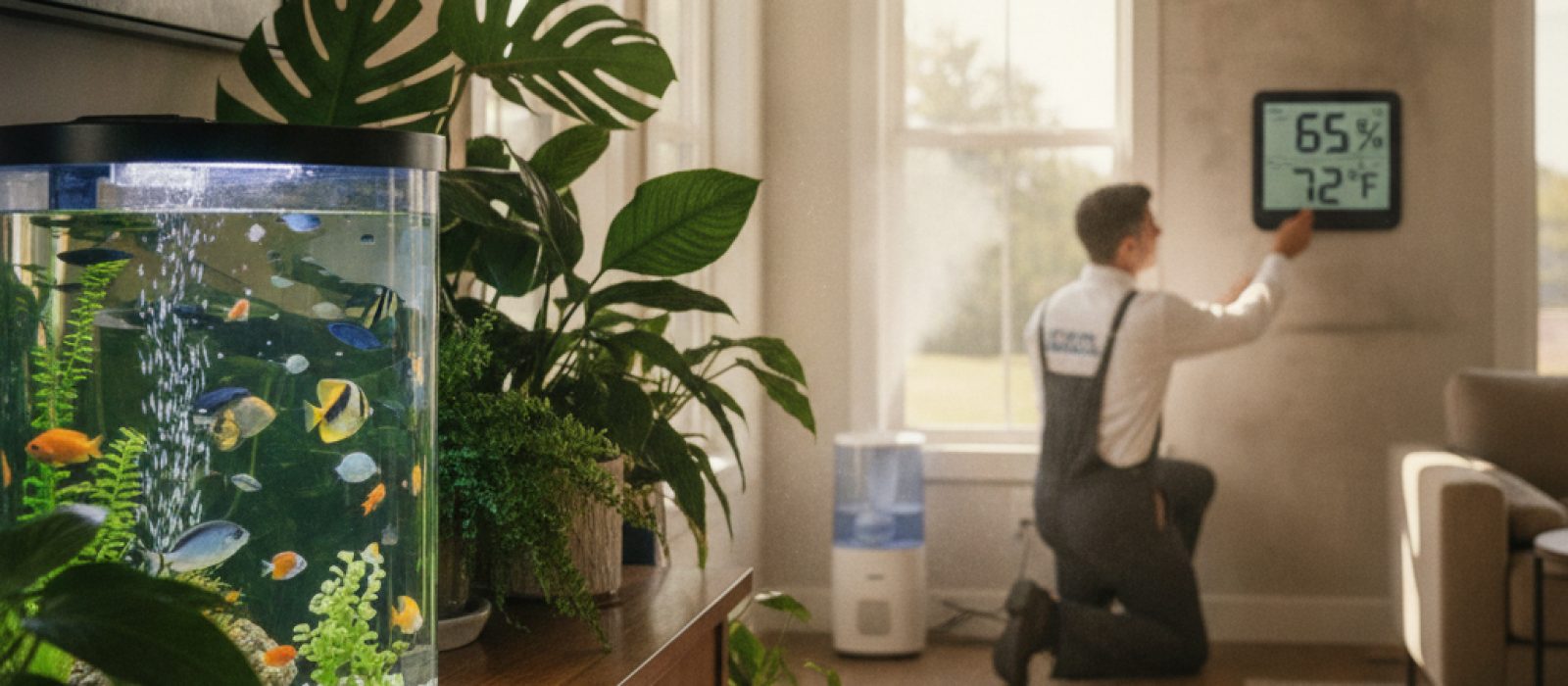
Learn how common household features like aquariums and plants impact indoor air quality and how to manage the resulting humidity levels effectively.
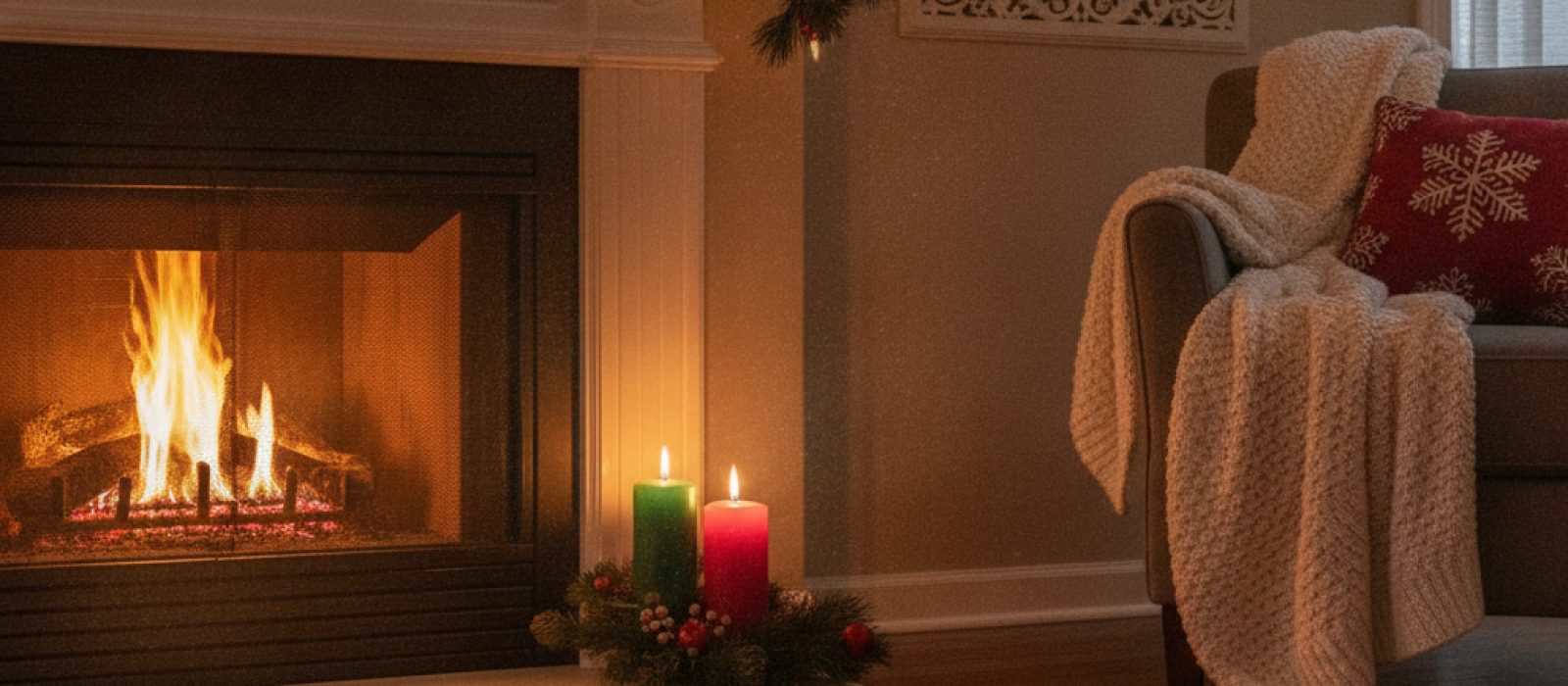
Discover how holiday traditions impact your home's indoor air quality and learn practical steps to maintain a healthy breathing environment this winter.
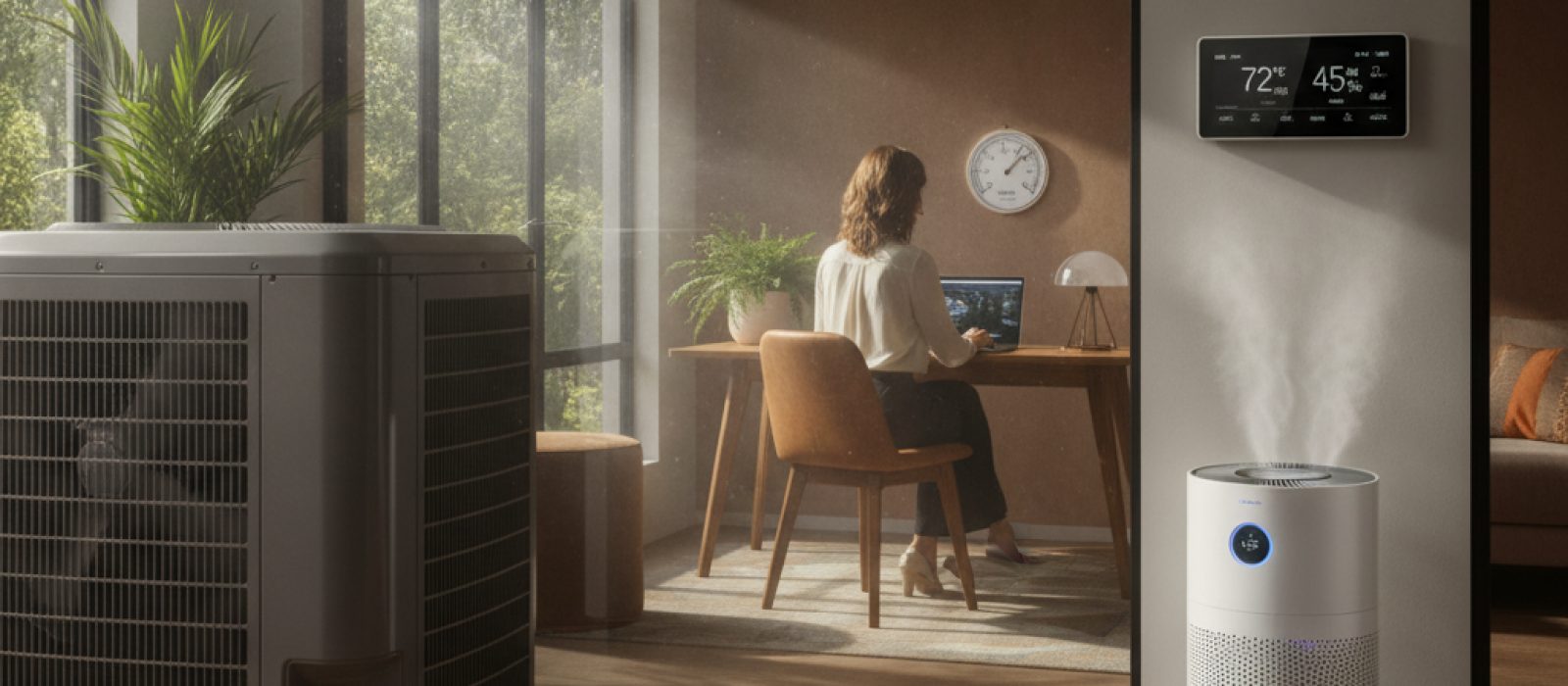
Improve productivity and health by optimizing the indoor air quality of your home office through ventilation, filtration, and humidity control.
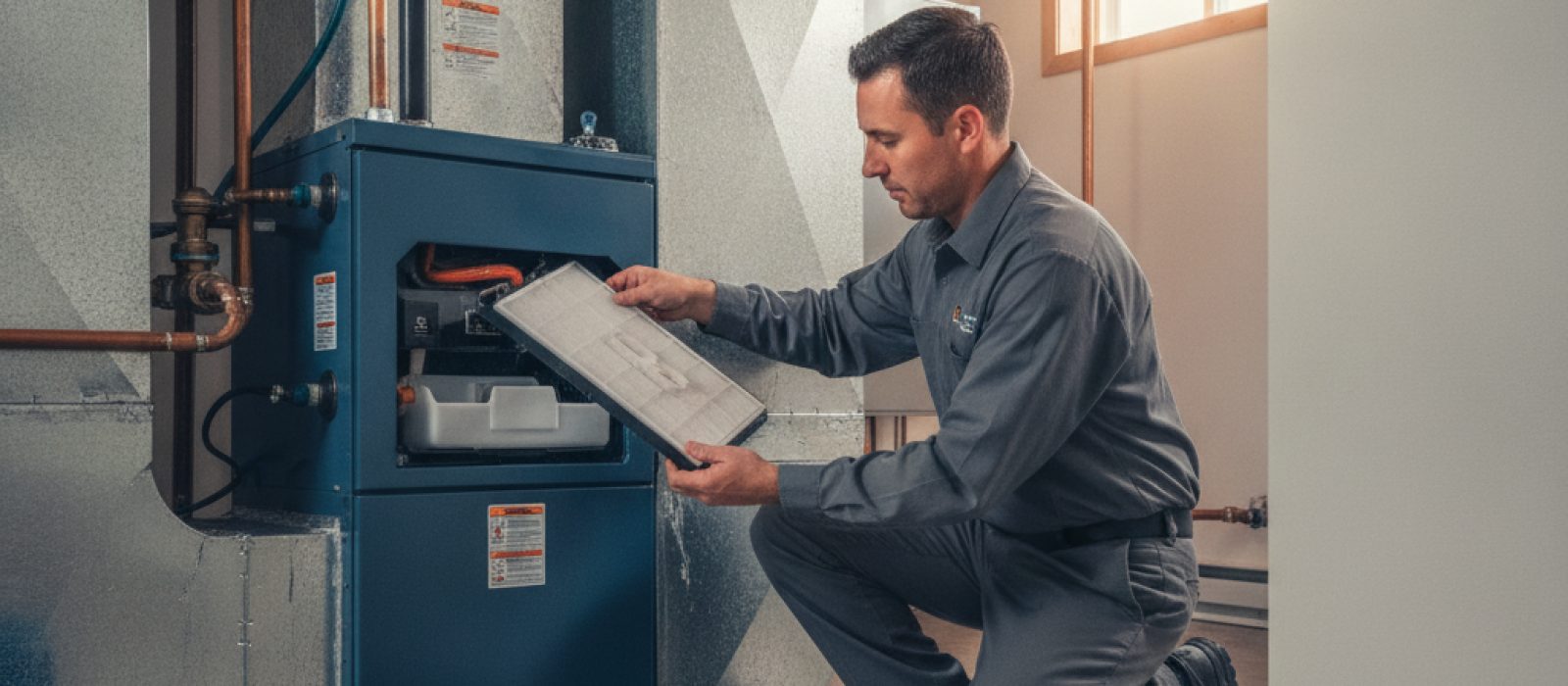
Learn essential steps to keep your home humidifier clean and mold-free, ensuring healthy indoor air quality throughout the heating season.
Be the first to comment.