
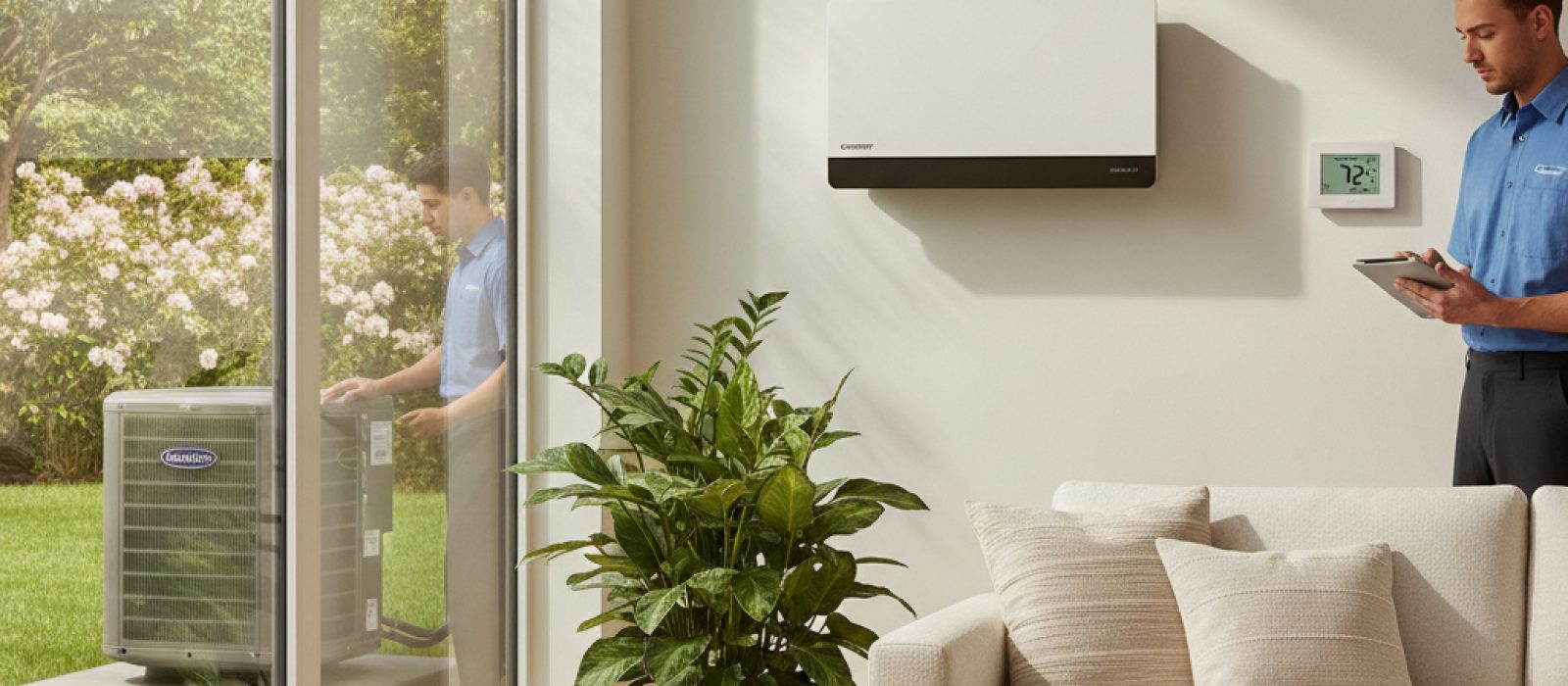
Carrier Infinity Heat Pumps and Mini-Splits: A Guide
Learn how the Carrier Infinity series heat pumps and ductless systems balance high-efficiency heating with advanced climate control features.
4 min read

Lennox heating and cooling equipment is engineered for high efficiency and consistent comfort in residential environments. Whether utilizing a gas furnace or an electric heat pump, these systems rely on proprietary components designed to work in tandem. Understanding how these systems function is the first step toward effective troubleshooting and long-term maintenance planning.
A typical residential heating system consists of a heat source, a blower motor, and a complex control board. Over time, mechanical wear and environmental factors can impact performance. Recognizing the difference between a simple filter issue and a complex component failure helps homeowners determine when a professional technician is required.
When a furnace or heat pump fails to heat effectively, the issue often stems from one of several common failure points. Because modern systems rely heavily on sensors and electronic communication, diagnosing the root cause requires precision. Homeowners should prioritize routine Maintenance & Tune-up visits to identify these issues before they lead to a complete system shutdown.
Deciding between a repair and a full system replacement involves evaluating the age of the equipment, the frequency of recent failures, and the projected energy efficiency gains. While a minor repair such as a capacitor replacement is standard, recurring issues with the heat exchanger or the compressor often signal the end of a system's reliable life.
When systems reach the 15-year mark, the cost of frequent repairs can quickly exceed the value of the unit. Furthermore, newer models offer improved variable-speed technology and better integration with smart Thermostat Services, which can lead to significant energy savings. If your system requires frequent Emergency HVAC interventions, it is likely time to consult with a professional regarding a replacement.
Even the most efficient heating system will underperform if it is not sized or installed correctly. A system that is too large for the home will cycle on and off too frequently, leading to uneven temperatures and premature wear on the motor. Conversely, an undersized system will struggle to maintain comfort during extreme weather.
Professional installation includes proper ductwork inspection to ensure air distribution is balanced. If your home has significant air leaks or poorly sealed vents, you may require Ductwork Services to maximize the efficiency of your new unit. Proper airflow is critical for the longevity of both furnaces and heat pumps.
Homeowners play a vital role in the health of their HVAC equipment. Most major system failures can be traced back to neglected basic maintenance. By performing simple tasks, you can extend the service life of your equipment and maintain better Indoor Air Quality.
Certain components of a heating system pose significant risks if handled improperly. Gas valves, heat exchangers, and high-voltage electrical connections must only be serviced by licensed professionals. If you smell gas or notice soot near the furnace, shut off the gas supply at the main valve and contact a professional immediately. Never attempt to bypass safety switches or modify electrical wiring, as these actions void warranties and create severe fire or carbon monoxide hazards.
Learn how the Carrier Infinity series heat pumps and ductless systems balance high-efficiency heating with advanced climate control features.
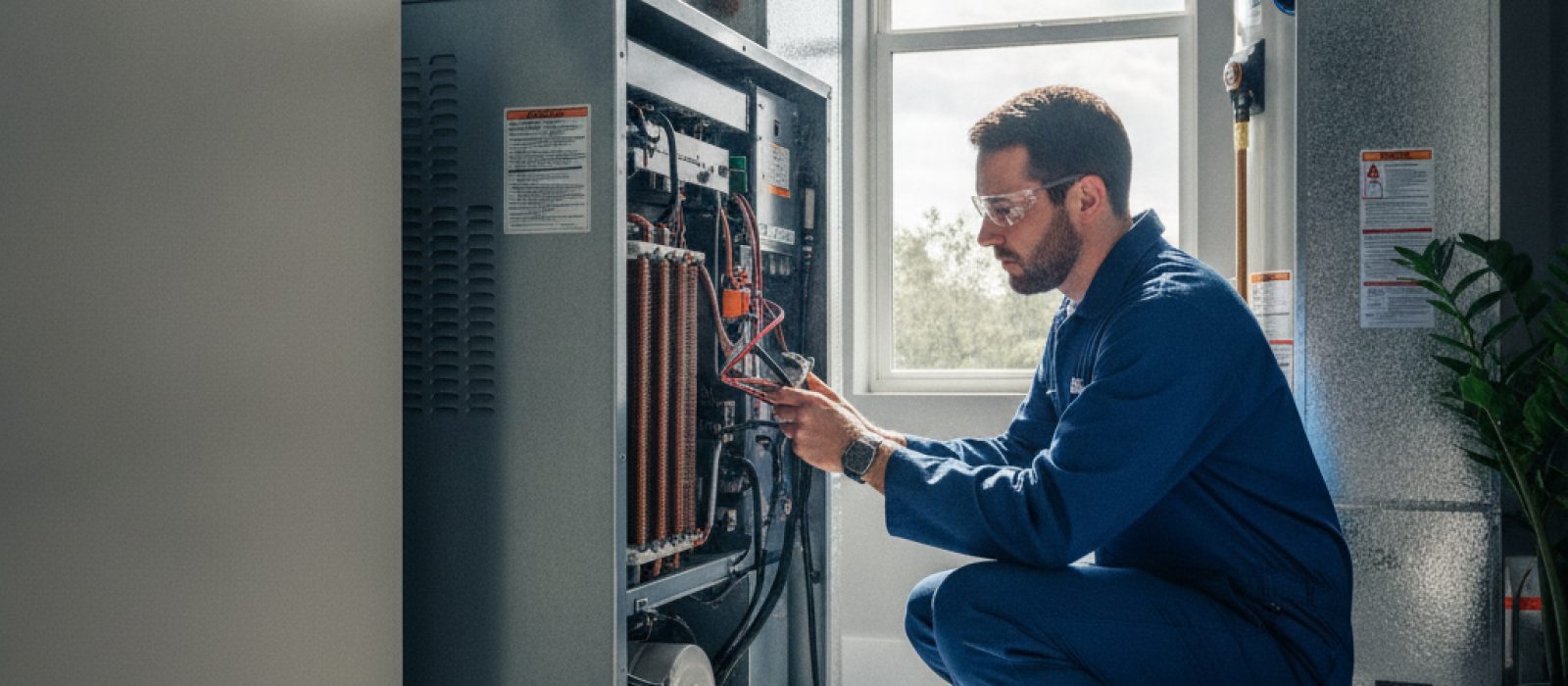
Learn how the air handler functions as the heart of your HVAC system, circulating air and regulating temperature throughout your home.
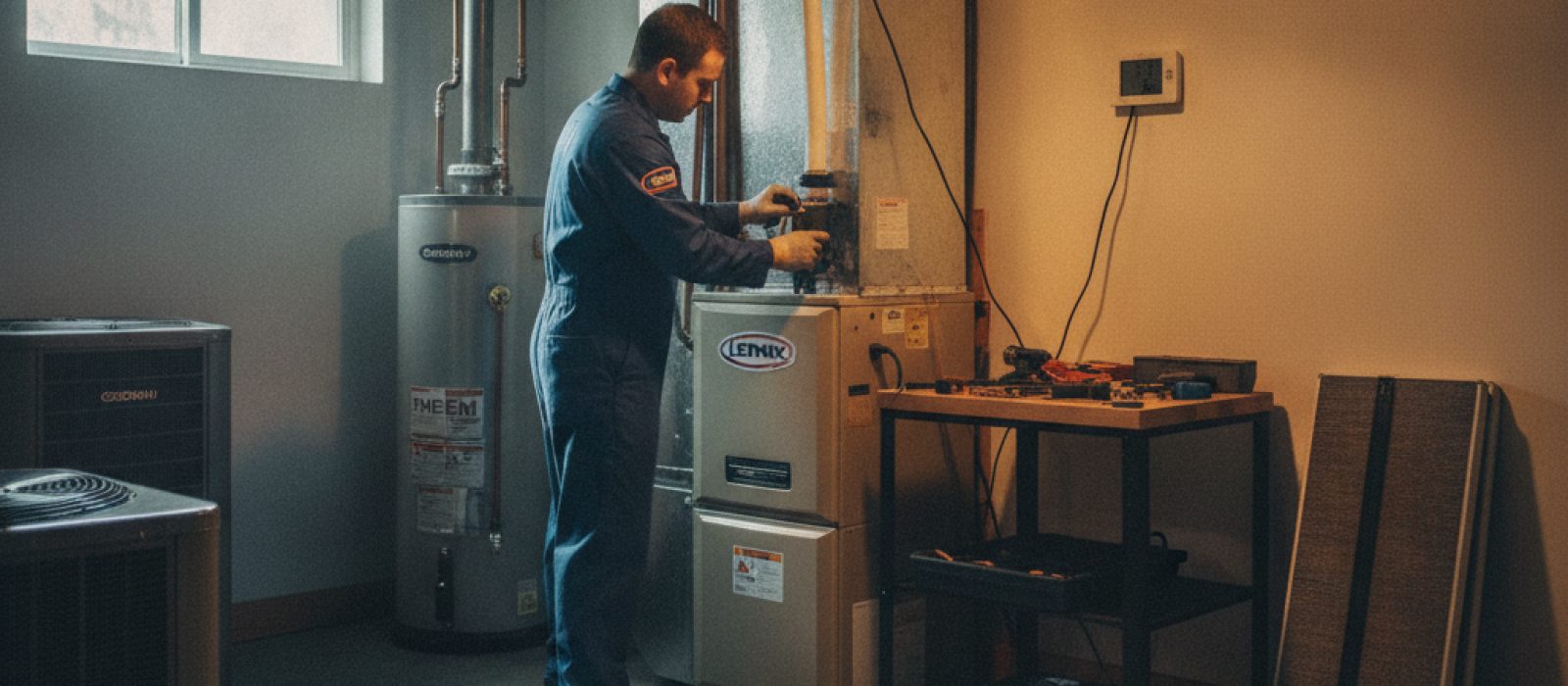
Learn how specific furnace brands influence repair frequency, component availability, and the diagnostic process for your home heating system.
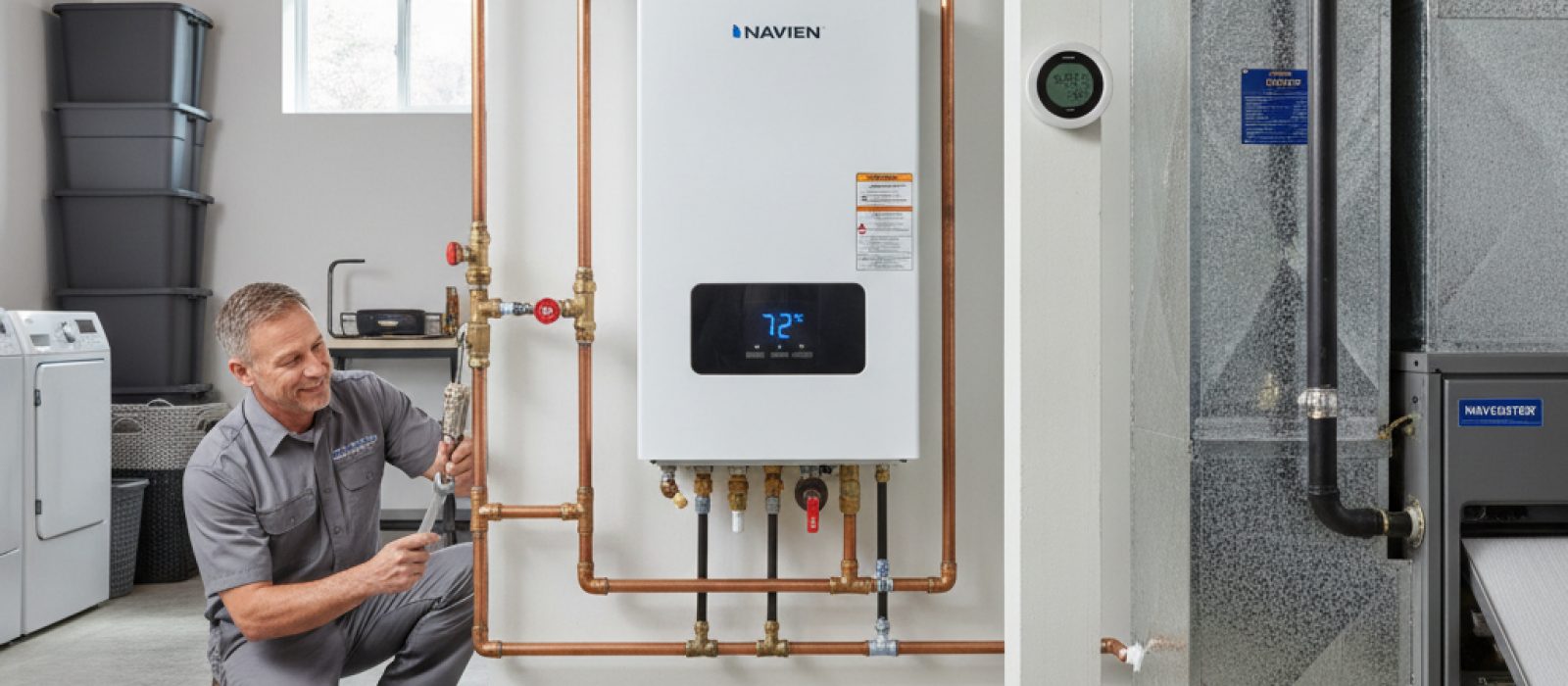
Evaluate the performance, efficiency, and installation requirements of Navien boilers for your residential heating system.
Learn how Rinnai combi boilers provide dual-function heating and hot water, helping you decide if this high-efficiency technology fits your home.
Learn how to maintain, bleed, and improve the efficiency of your home's radiator heating system to ensure comfort throughout the colder months.
Be the first to comment.