
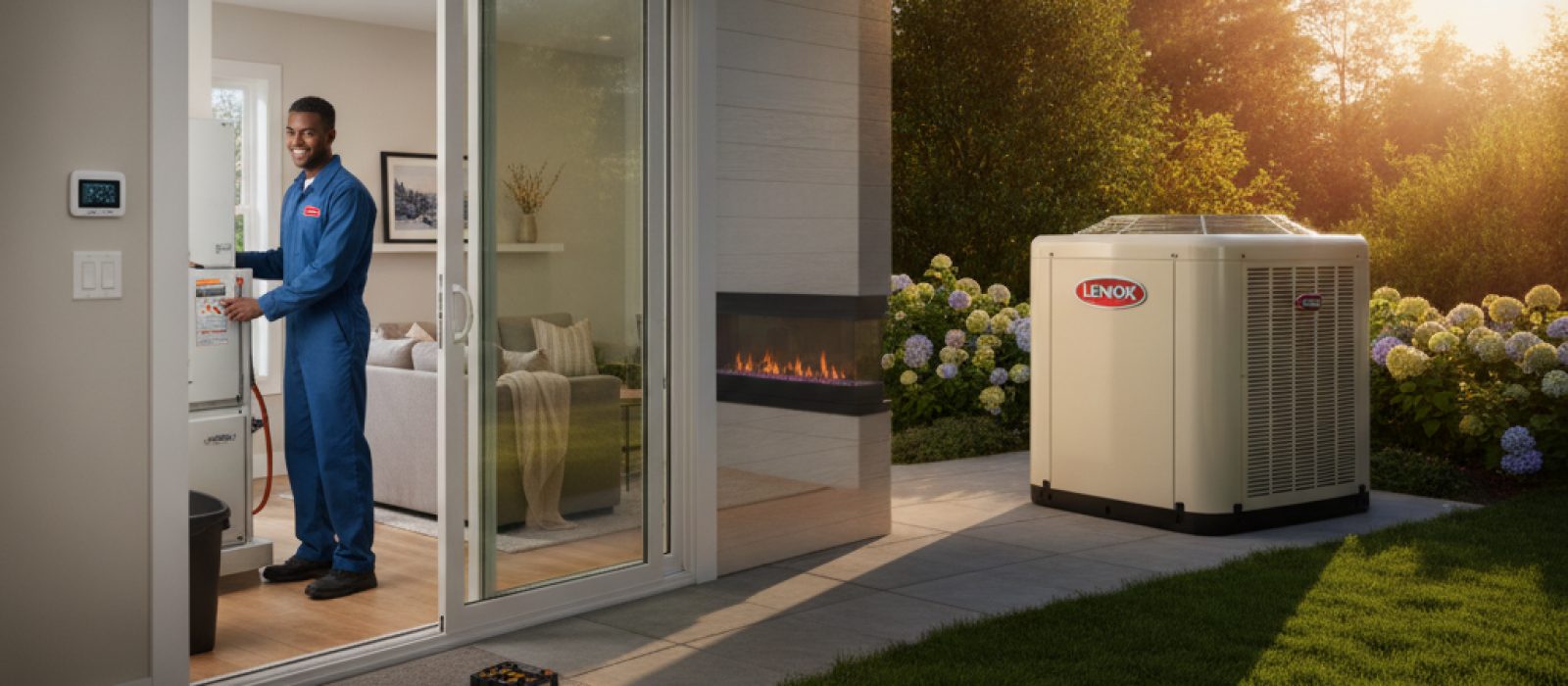
Lennox Furnaces and Heat Pumps: Repair Costs and Buying Guide
A practical guide for homeowners evaluating Lennox heating and cooling systems, covering repair expectations, maintenance needs, and replacement factors.
4 min read

The air handler is the indoor component of a split-system HVAC setup. While the outdoor unit, such as an air conditioner or heat pump, handles the process of heat exchange, the air handler is responsible for the actual distribution of air throughout the living space. It functions as the blower assembly that pulls air from the return ducts, pushes it over the heating or cooling coils, and sends the conditioned air through the supply ducts.
In many modern homes, the air handler is a rectangular metal cabinet often located in a basement, attic, or dedicated utility closet. It houses the blower motor, the evaporator coil, air filters, and, in some configurations, auxiliary heating elements. Without this component, the conditioned air produced by your system would remain trapped at the source rather than reaching your rooms.
To perform its job, an air handler relies on several integrated parts working in unison. Understanding these components helps homeowners identify when something might be amiss during routine Maintenance & Tune-up sessions.
In a standard heating setup, the air handler works in tandem with your furnace or heat pump. When the thermostat signals a call for heat, the air handler draws air from the home and passes it over the heat exchanger or heating elements. This process ensures that the air is warmed before being redistributed back into the living areas.
If you are experiencing issues with uneven heating, the air handler may be struggling to overcome resistance in the system. This often points to problems with Ductwork Services, where leaks or blockages prevent the air handler from delivering the required volume of air to specific zones of the house. Ensuring that your ducts are sealed and sized correctly allows the air handler to operate within its design parameters, extending the lifespan of the blower motor.
Because the air handler is the primary mover of air, its failure is usually noticeable immediately. Common symptoms include a complete lack of airflow from the vents, strange rattling or screeching noises during operation, or water pooling around the base of the unit. Water accumulation is often caused by a blocked condensate drain line, which is a common issue addressed during Heating Services.
If you notice that your system is running constantly but the temperature in your home is not changing, the blower motor might be failing or the evaporator coil could be frozen. A frozen coil often results from restricted airflow, which prevents the coil from absorbing heat effectively. If you suspect a mechanical failure, avoid attempting to dismantle the cabinet, as internal electrical connections and refrigerant lines pose significant safety risks. Contact a licensed professional to inspect the internal wiring and motor assembly.
The most effective way to ensure the longevity of an air handler is through consistent filter maintenance. Changing the filter every one to three months, depending on usage and household conditions, prevents the accumulation of debris on the blower blades and the evaporator coil. When these components become dirty, the motor must work significantly harder to move the same amount of air, leading to increased energy consumption and premature motor failure.
Beyond filter changes, keep the area around the air handler clear of storage items. Providing adequate clearance allows for proper airflow and ensures that a technician has enough room to perform necessary inspections. If your unit is located in a crawlspace or attic, ensure the access panel is secure and the surrounding area remains dry to prevent rust and mold growth.
While homeowners can safely replace filters and keep the surrounding area clean, deep cleaning of the evaporator coil or servicing the blower motor requires specialized tools and technical expertise. If the system is making loud, unusual sounds, or if the air handler cabinet feels overly hot to the touch, shut the system down at the thermostat and the breaker panel. Engaging a professional for an inspection is the safest course of action to prevent further damage to the system components.
A practical guide for homeowners evaluating Lennox heating and cooling systems, covering repair expectations, maintenance needs, and replacement factors.
Learn how the Carrier Infinity series heat pumps and ductless systems balance high-efficiency heating with advanced climate control features.
Learn how specific furnace brands influence repair frequency, component availability, and the diagnostic process for your home heating system.
Evaluate the performance, efficiency, and installation requirements of Navien boilers for your residential heating system.
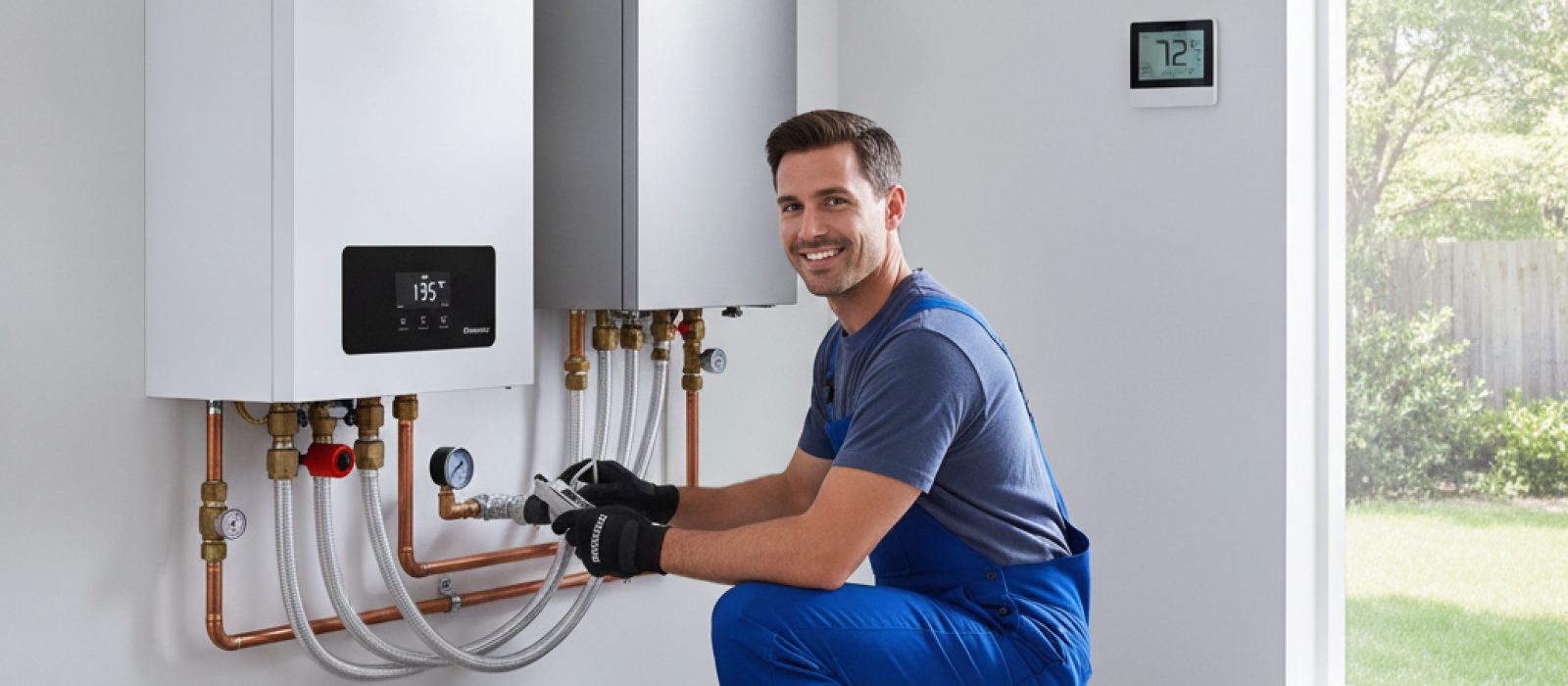
Learn how Rinnai combi boilers provide dual-function heating and hot water, helping you decide if this high-efficiency technology fits your home.
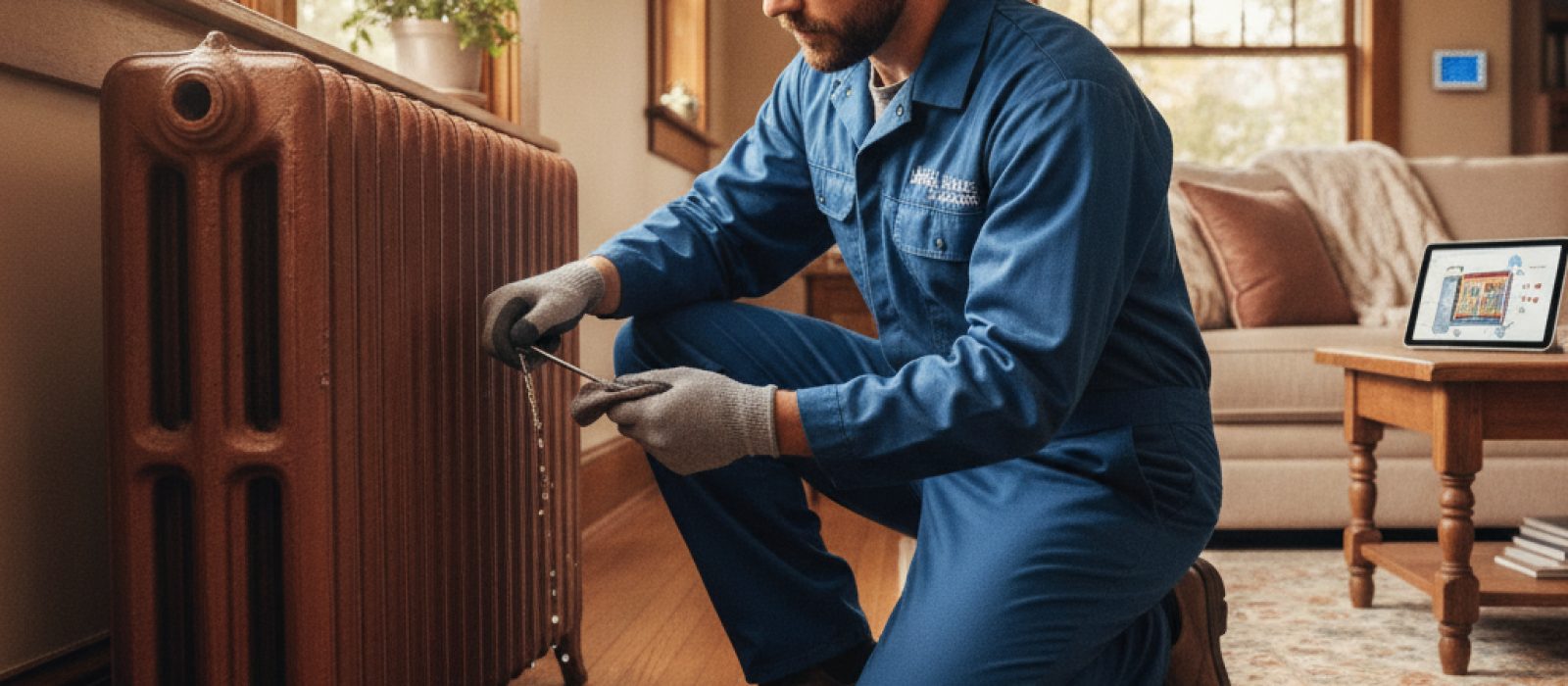
Learn how to maintain, bleed, and improve the efficiency of your home's radiator heating system to ensure comfort throughout the colder months.
Be the first to comment.