
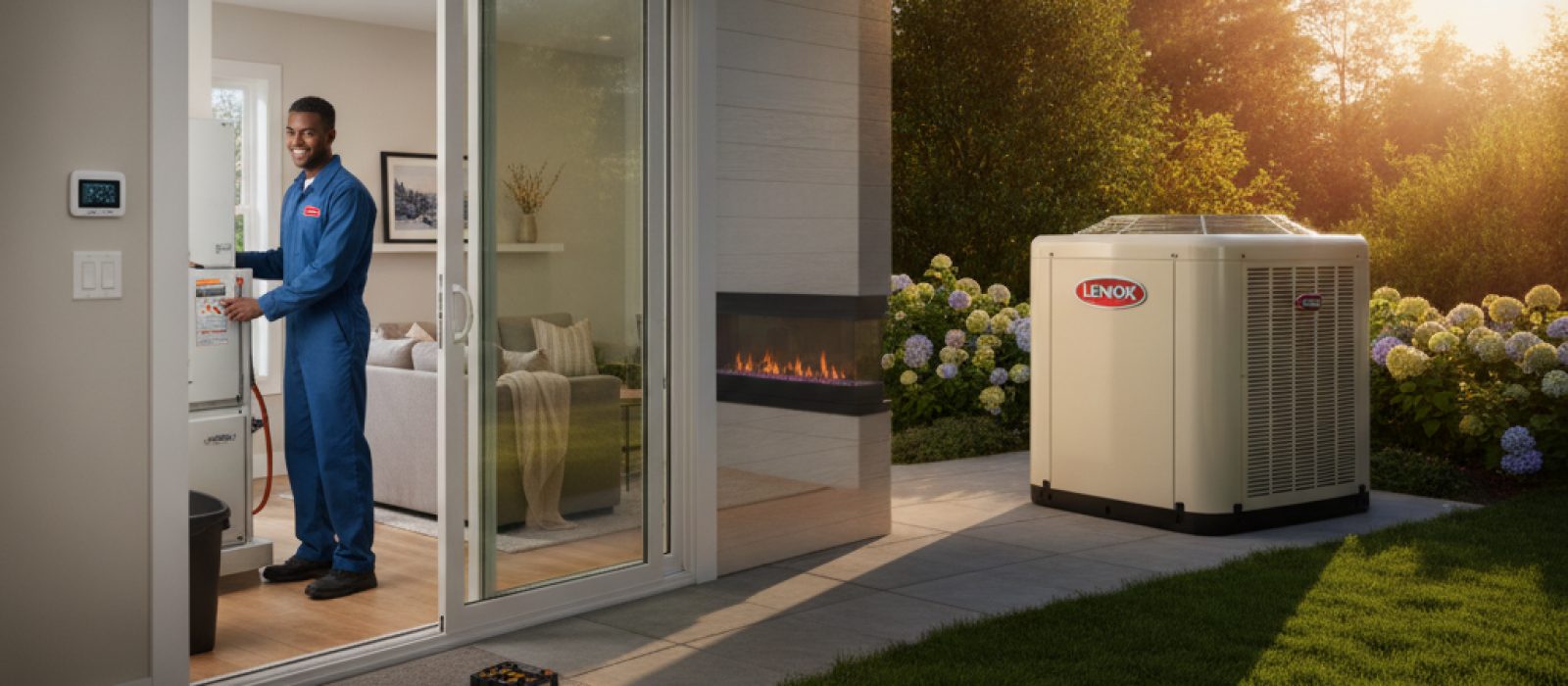
Lennox Furnaces and Heat Pumps: Repair Costs and Buying Guide
A practical guide for homeowners evaluating Lennox heating and cooling systems, covering repair expectations, maintenance needs, and replacement factors.
4 min read

A combination boiler, or combi boiler, serves as a dual-purpose appliance that provides both space heating and domestic hot water from a single unit. Unlike traditional setups that rely on a separate boiler and a large storage tank, these systems heat water on demand. When a hot water tap is opened or the thermostat calls for heat, the system activates, heating water as it flows through the heat exchanger. This design eliminates the need for bulky storage tanks, making it a space-saving solution for many residential properties.
Rinnai is a prominent manufacturer in this space, focusing on tankless water heating technology and hydronic heating systems. Their combi boilers are engineered to prioritize energy efficiency by only consuming fuel when there is a specific demand for hot water or home heating. This on-demand functionality prevents the energy losses associated with keeping a large tank of water hot throughout the day.
Before selecting a combi boiler, it is necessary to assess the total heating load of the home. This involves calculating the square footage, insulation quality, and the number of zones the system must manage. A licensed professional should perform a Manual J load calculation to ensure the chosen unit is properly sized. An oversized unit may short-cycle, leading to premature wear, while an undersized unit will struggle to maintain comfortable temperatures during extreme cold.
The hot water demand is equally important. Combi boilers are rated by their flow rate, typically measured in gallons per minute (GPM). If multiple bathrooms or high-flow fixtures are in use simultaneously, the system must have a high enough BTU input to maintain consistent temperatures. Homeowners should review their household usage patterns before committing to a specific model.
The installation of a combi boiler is a complex task that involves gas line connections, venting, and hydronic piping. Because these units involve high-voltage electricity and combustible gas, they must be installed by a licensed technician. Improper installation can lead to carbon monoxide leaks, gas supply issues, or voided manufacturer warranties.
During the installation process, the technician will also evaluate the existing plumbing infrastructure. If the home has significant mineral buildup, a water treatment system may be required to protect the boiler's heat exchanger from scale accumulation. Furthermore, ensuring that the venting system meets local building codes is a critical safety step that must be verified by a pro.
Like any sophisticated mechanical system, combi boilers require regular Maintenance and Tune-up visits to remain efficient. Over time, sediment can build up in the heat exchanger, restricting flow and reducing heat transfer efficiency. A technician will typically flush the system to remove mineral deposits and check the ignition system, gas pressure, and venting integrity.
Homeowners can assist in system longevity by monitoring the pressure gauge on the boiler. If the pressure drops below the manufacturer's recommended range, the system may not circulate water effectively. If you notice leaks or unusual noises, contact a professional for Plumbing Services immediately to prevent minor issues from turning into major repairs.
Combi boilers are often used in homes with radiant floor heating or baseboard radiators. Because these systems operate at different temperature requirements than forced-air systems, they are highly compatible with hydronic distribution. If your home currently uses forced air, you might consider Energy Efficient Solutions that leverage hydronic components for supplemental heating in additions or renovated spaces.
When transitioning from a traditional tank-style water heater to a combi boiler, the entire piping configuration changes. The technician must ensure that the existing heating loops are compatible with the new boiler's flow requirements. If the system is being installed as part of a larger renovation, it is a prime opportunity to inspect the overall efficiency of your Heating Services and upgrade components that may be nearing the end of their service life.
Choosing the right combi boiler requires a balance of capacity, efficiency, and compatibility with your home's infrastructure. By working with a qualified expert to assess your specific heating and hot water needs, you can ensure a reliable and efficient system for years to come.
A practical guide for homeowners evaluating Lennox heating and cooling systems, covering repair expectations, maintenance needs, and replacement factors.
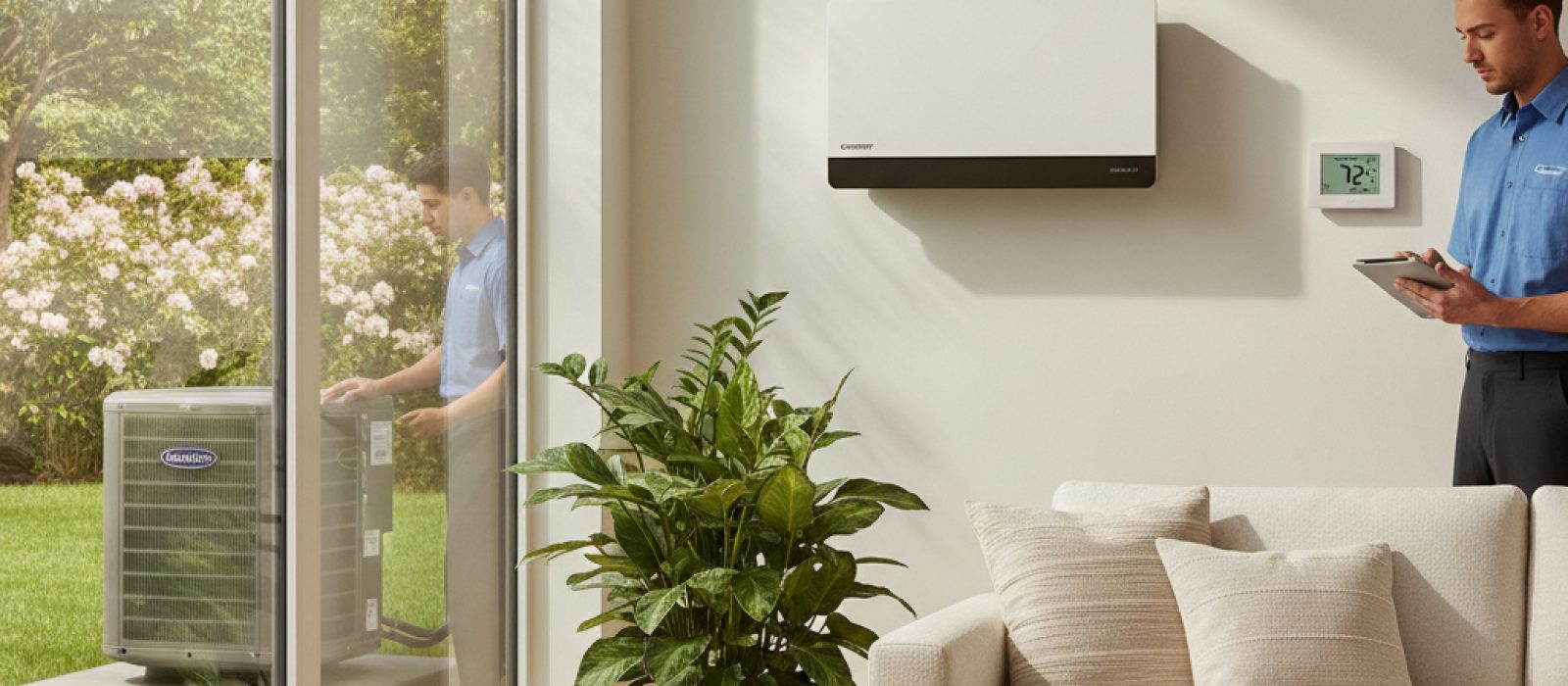
Learn how the Carrier Infinity series heat pumps and ductless systems balance high-efficiency heating with advanced climate control features.
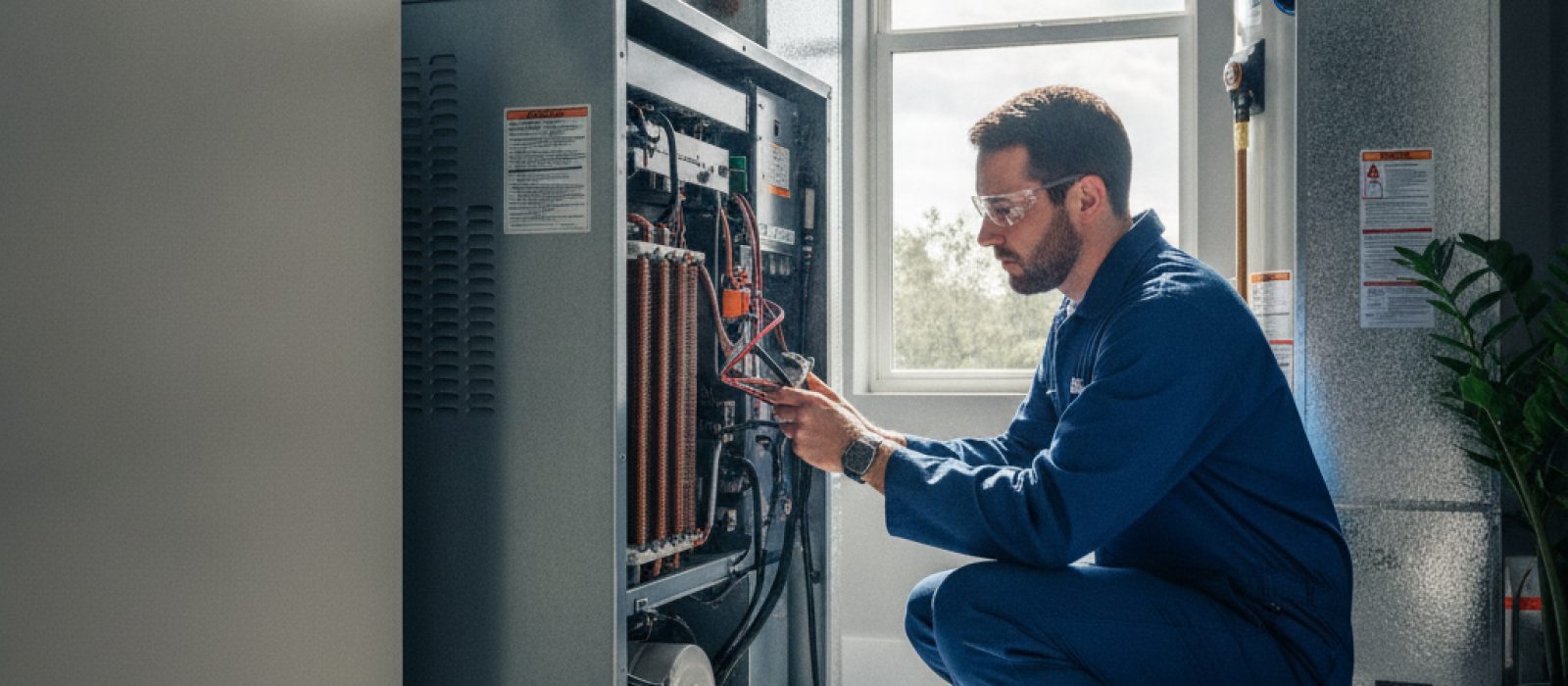
Learn how the air handler functions as the heart of your HVAC system, circulating air and regulating temperature throughout your home.
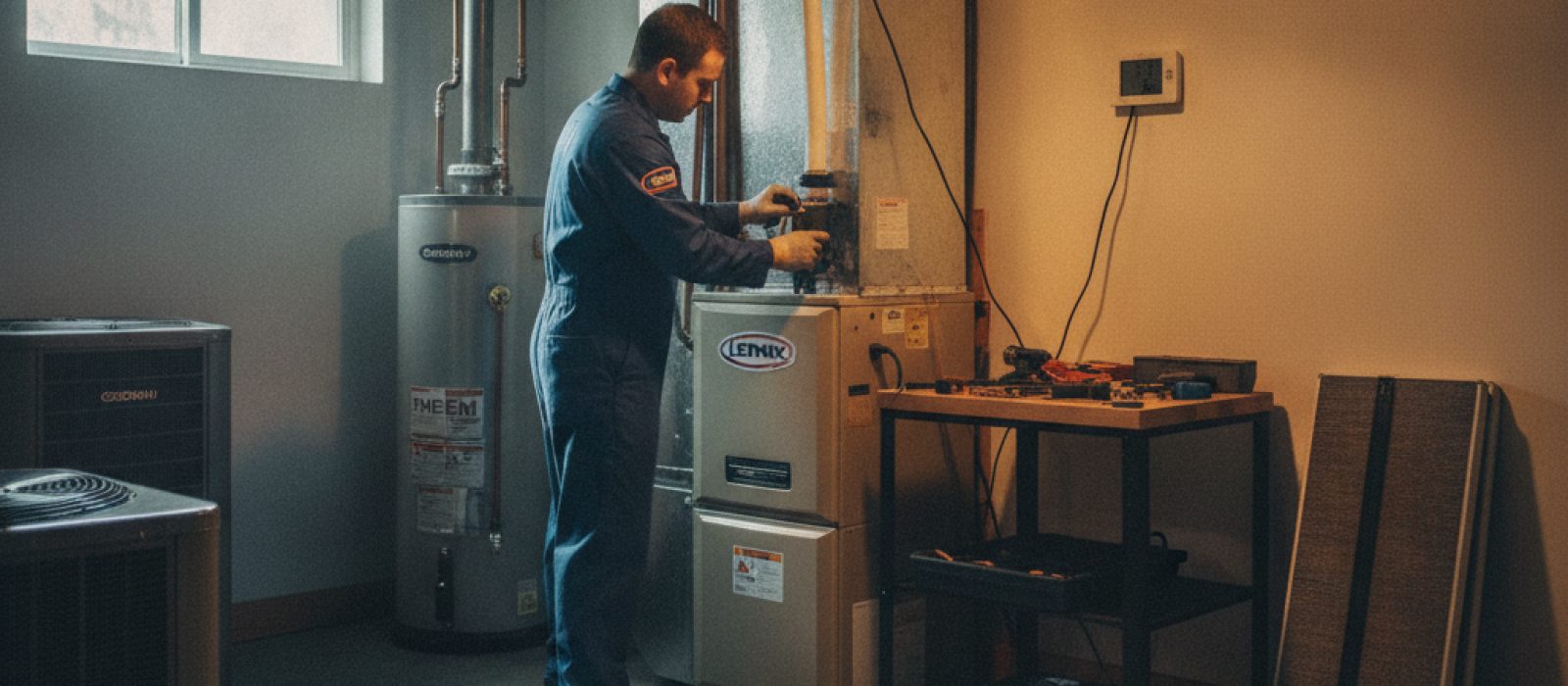
Learn how specific furnace brands influence repair frequency, component availability, and the diagnostic process for your home heating system.
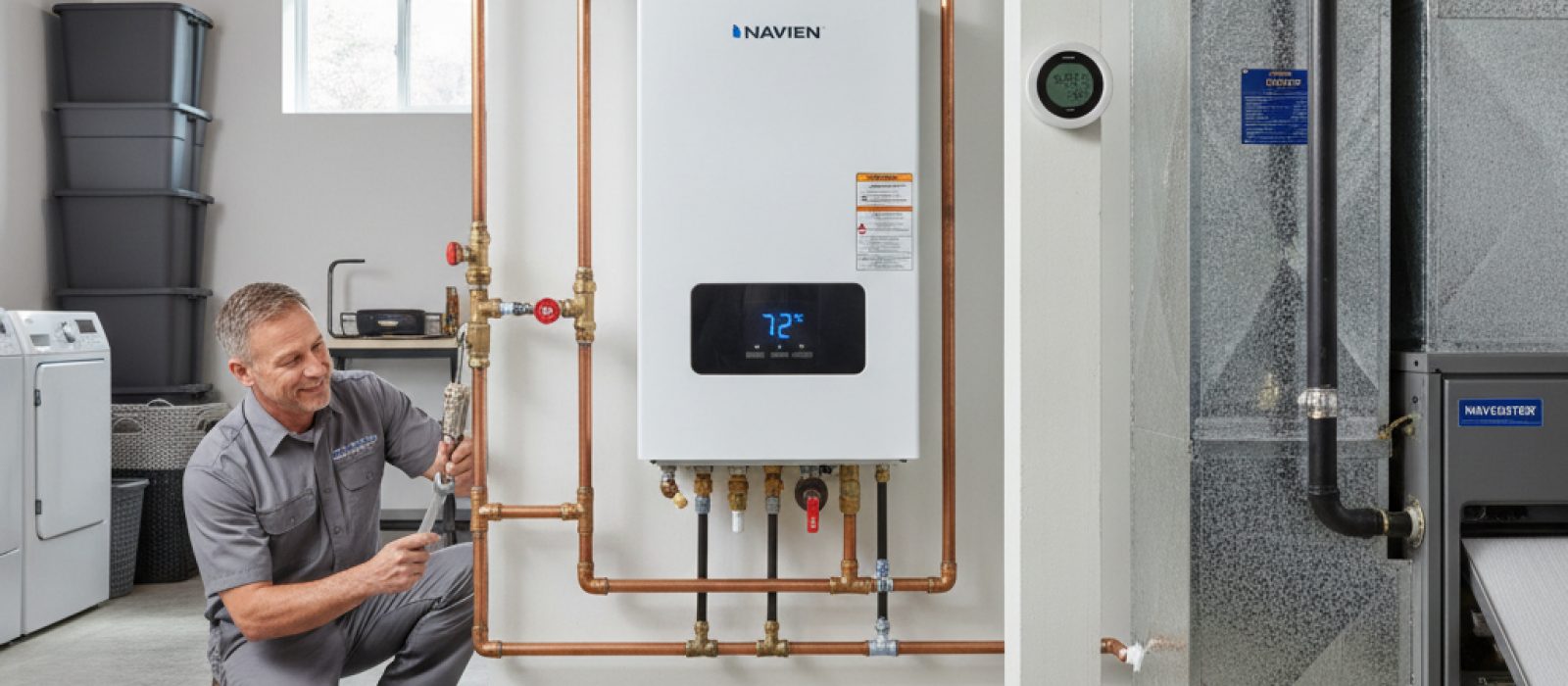
Evaluate the performance, efficiency, and installation requirements of Navien boilers for your residential heating system.
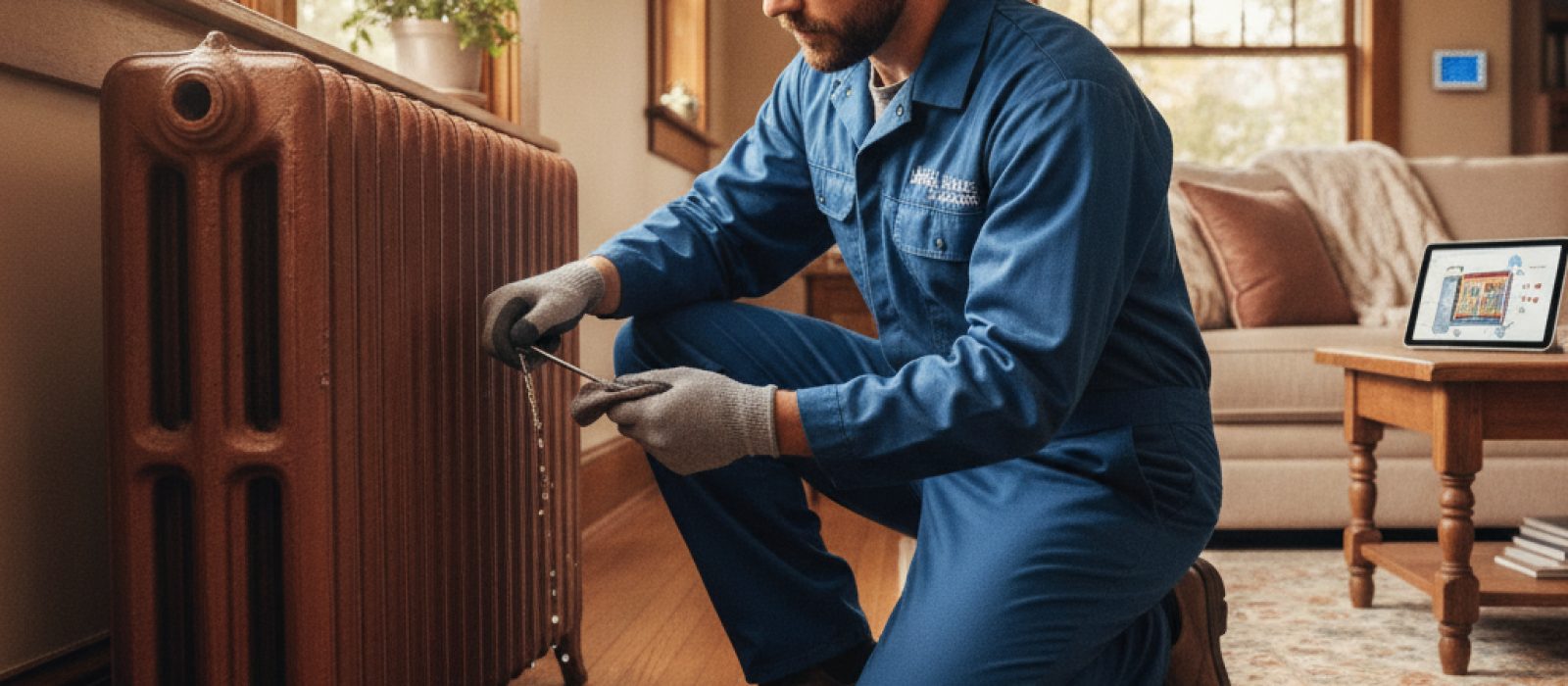
Learn how to maintain, bleed, and improve the efficiency of your home's radiator heating system to ensure comfort throughout the colder months.
Be the first to comment.