
Lennox Furnaces and Heat Pumps: Repair Costs and Buying Guide
A practical guide for homeowners evaluating Lennox heating and cooling systems, covering repair expectations, maintenance needs, and replacement factors.
4 min read

Radiators in older homes typically operate as part of a hydronic heating system, which uses hot water or steam to transfer heat from a central boiler to individual rooms. Unlike forced-air systems, radiators provide radiant heat, which warms objects and people directly rather than simply circulating hot air. This method of heat distribution is often praised for its consistency and ability to maintain humidity levels, though it requires specific maintenance tasks to function at peak performance.
Regular attention to these systems is essential to prevent air locks, corrosion, and leaks. Because boilers are the heart of this setup, scheduling professional Maintenance & Tune-up services annually ensures that safety valves, expansion tanks, and circulation pumps remain in good working order. Neglecting the boiler can lead to uneven heating or, in severe cases, pressure build-up that risks damaging the piping throughout the home.
If a radiator feels cold at the top but remains warm at the bottom, trapped air is likely preventing hot water from circulating through the entire unit. This is a common issue that homeowners can often resolve independently. Before beginning, ensure the heating system is turned off and the radiator has cooled down completely to avoid the risk of burns from escaping steam or hot water.
To bleed the radiator, locate the bleed valve, which is usually found at the top corner of the unit opposite the control knob. You will need a radiator key or a flathead screwdriver, depending on the valve design, and a small container or rag to catch any drips. Gently turn the valve counter-clockwise just enough to hear a hissing sound; this is the trapped air escaping. Once water begins to trickle out steadily, close the valve firmly by turning it clockwise. Check the boiler pressure afterward, as removing air can sometimes cause the system pressure to drop, potentially requiring a manual adjustment or a professional inspection.
Older radiators are susceptible to internal rust and external leaks, particularly at the valve connections or along the seams of cast-iron units. Small drips from a radiator valve can often be addressed by tightening the packing nut, which is the hexagonal nut directly behind the valve handle. If the leak persists, the packing material inside may have dried out and requires replacement.
Visible rust or heavy corrosion on the radiator body itself often indicates that the water quality within the system has become acidic or contains too much oxygen. If you notice persistent leaks or significant staining on flooring, contact a professional for Heating Services. Attempting to repair major pipe leaks or internal boiler issues without the proper tools can lead to water damage or system failure.
While cast-iron radiators are durable, they are not inherently energy-efficient by modern standards. Upgrading the radiator valves to thermostatic radiator valves (TRVs) allows for granular temperature control in individual rooms. A TRV automatically adjusts the flow of hot water based on the ambient temperature of the room, preventing overheating and reducing fuel consumption.
Homeowners often pair these upgrades with broader Energy Efficient Solutions to maximize the performance of their older home heating systems. Adding reflective heat panels behind radiators can also help direct warmth into the living space rather than allowing it to dissipate into exterior walls. For those who find their home air quality suffers during the heating season, Indoor Air Quality assessments can help determine if the dryness associated with radiator heat requires the installation of a whole-home humidifier integrated into the HVAC infrastructure.
While bleeding radiators is a straightforward task, other aspects of a hydronic system require a licensed technician. If you notice the boiler is making strange clanking or banging noises, this could signal sediment buildup or a failing circulation pump. Similarly, if your radiators fail to heat up even after bleeding, there may be a blockage in the pipes or a malfunction in the thermostat or zone valves.
Attempting to modify the piping or replace the boiler yourself is not recommended due to the complexity of the plumbing and the potential for gas-related hazards. A professional technician has the tools to flush the system, balance the heat distribution, and ensure that the pressure vessel is operating within safe parameters. Relying on professional expertise protects the longevity of your heating infrastructure and ensures the safety of the household.
A practical guide for homeowners evaluating Lennox heating and cooling systems, covering repair expectations, maintenance needs, and replacement factors.
Learn how the Carrier Infinity series heat pumps and ductless systems balance high-efficiency heating with advanced climate control features.
Learn how the air handler functions as the heart of your HVAC system, circulating air and regulating temperature throughout your home.
Learn how specific furnace brands influence repair frequency, component availability, and the diagnostic process for your home heating system.
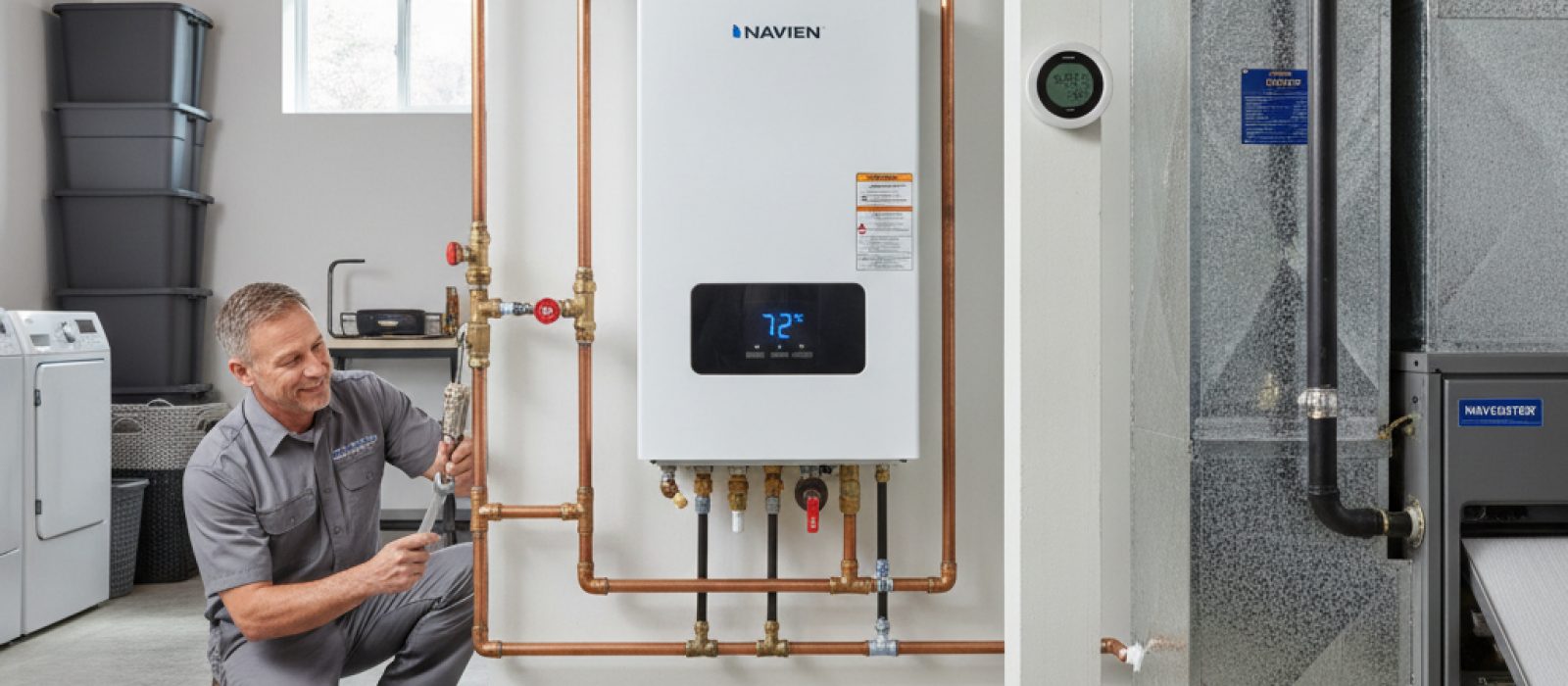
Evaluate the performance, efficiency, and installation requirements of Navien boilers for your residential heating system.
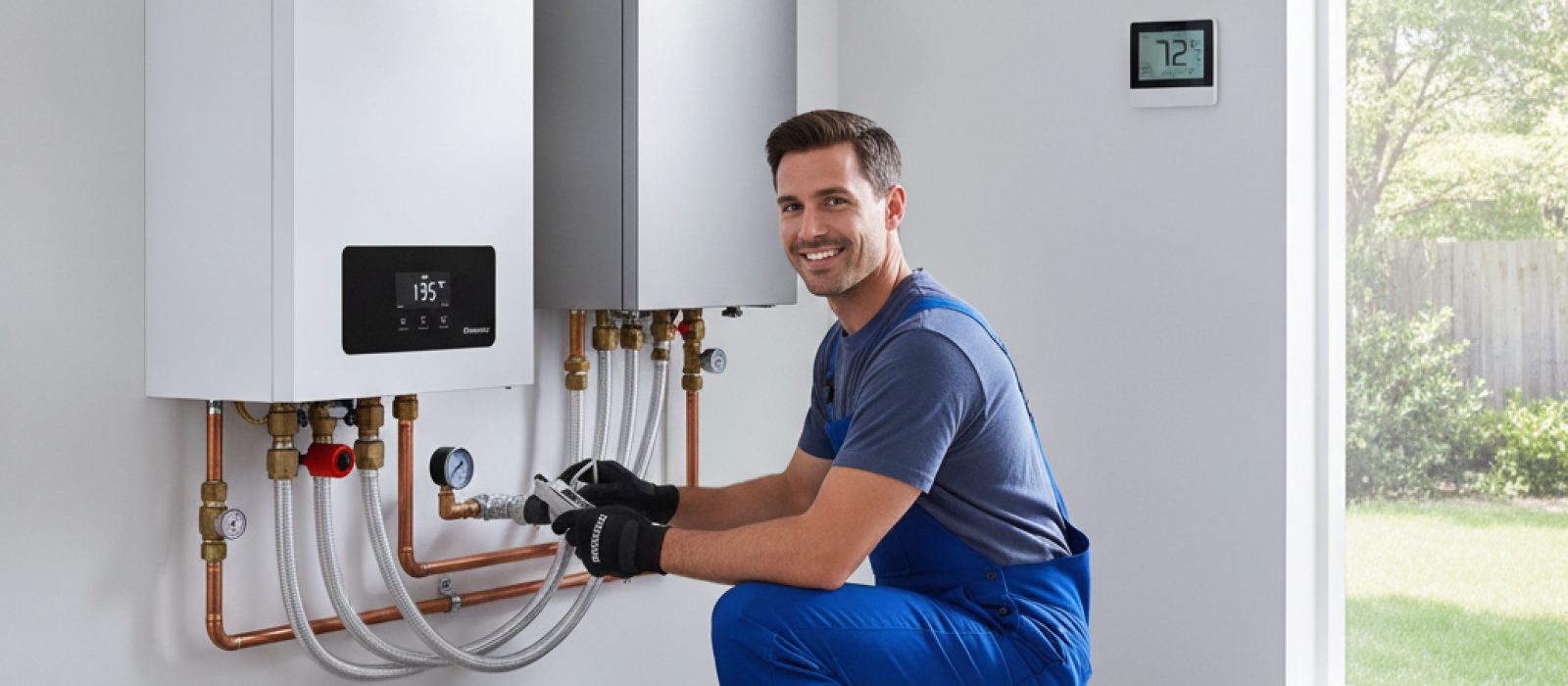
Learn how Rinnai combi boilers provide dual-function heating and hot water, helping you decide if this high-efficiency technology fits your home.
Be the first to comment.