
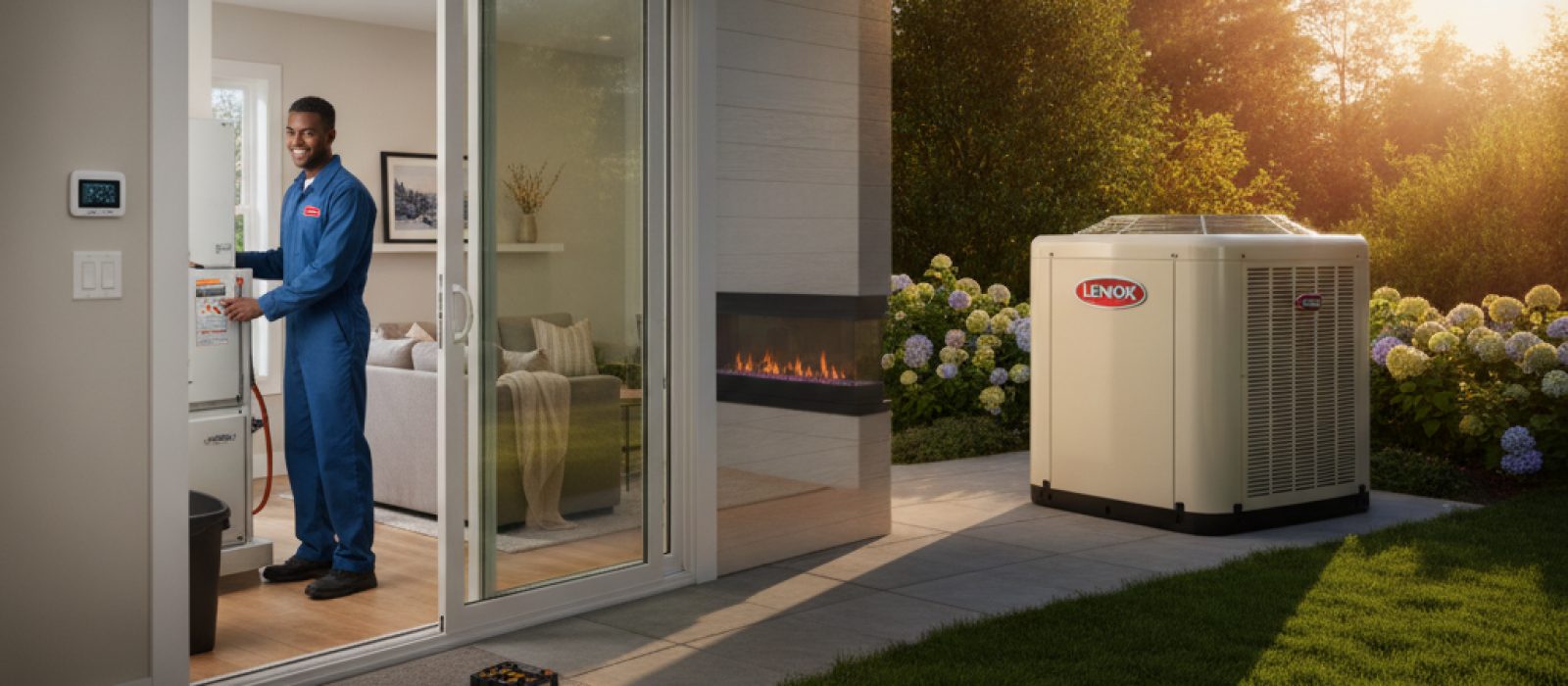
Lennox Furnaces and Heat Pumps: Repair Costs and Buying Guide
A practical guide for homeowners evaluating Lennox heating and cooling systems, covering repair expectations, maintenance needs, and replacement factors.
3 min read

Navien boilers utilize condensing technology to extract heat from exhaust gases that would otherwise be vented out of the home. By capturing this latent heat, these units achieve higher thermal efficiency compared to traditional cast-iron atmospheric boilers. Most residential models are wall-hung, compact, and designed for both space heating and domestic hot water production.
Efficiency remains the primary advantage of these systems. Because they are condensing, they modulate their firing rate based on the actual heating load of the home. This prevents the frequent cycling seen in older equipment, which saves energy and reduces mechanical wear over time.
No system is without trade-offs. The high efficiency of these boilers requires specific installation standards that differ from legacy systems. If these requirements are not met, the longevity of the unit can be compromised.
Installing a condensing boiler is a precise technical task that requires a licensed professional. Because these systems are high-efficiency, they must be vented through a sidewall or roof using specialized piping that accounts for acidic condensate drainage.
The process typically begins with a heat loss calculation to ensure the boiler is sized correctly for the home. Oversizing the unit leads to short-cycling, which negates efficiency gains and increases the likelihood of premature failure. Once sized, the installer must configure the primary-secondary piping loop to ensure proper flow rates through the heat exchanger.
Electrical connections must be installed by qualified personnel, as these systems rely on sensitive circuit boards. If the home has outdated wiring, an electrician may need to address these issues as part of your broader Electrical Services. Finally, the condensate line must be plumbed to a drain, often requiring a neutralizer kit if the local codes dictate that the acidic condensate must be treated before entering the sewer system.
A boiler is only as effective as the distribution system it feeds. Whether you are using radiant floor heating, baseboard radiators, or air handlers, the boiler must be programmed to deliver the correct water temperature. In many homes, integrating these boilers with modern Thermostat Services allows for better zoning and energy management.
During the transition to a high-efficiency boiler, it is common to inspect the existing distribution piping. If the system was previously used with an older, non-condensing boiler, the pipes may contain iron sludge or debris. A professional power-flush of the system is often recommended to protect the new, sensitive heat exchanger from clogs.
To ensure the expected lifespan of a Navien boiler, annual service is essential. This is not a project for the homeowner. A technician will clean the condensate trap, inspect the ignition system, and verify that the air-fuel mixture is burning cleanly. Neglecting this maintenance can lead to soot buildup, which forces the boiler to work harder and eventually fail.
Homeowners should periodically check the digital display for error codes and ensure the pressure gauge remains within the manufacturer's specified range. If you notice a drop in pressure or unusual noises, contact a professional for Heating Services before the system stops providing heat entirely.
A practical guide for homeowners evaluating Lennox heating and cooling systems, covering repair expectations, maintenance needs, and replacement factors.
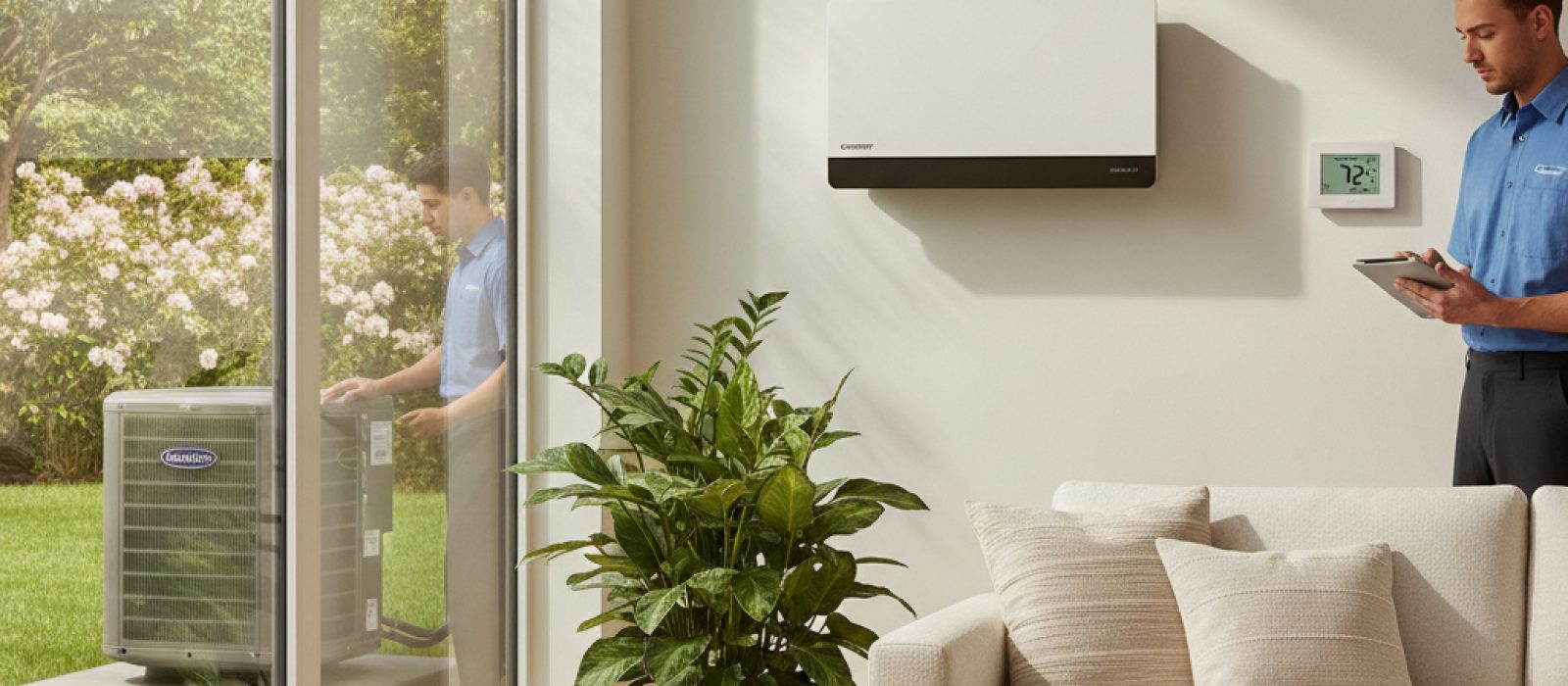
Learn how the Carrier Infinity series heat pumps and ductless systems balance high-efficiency heating with advanced climate control features.
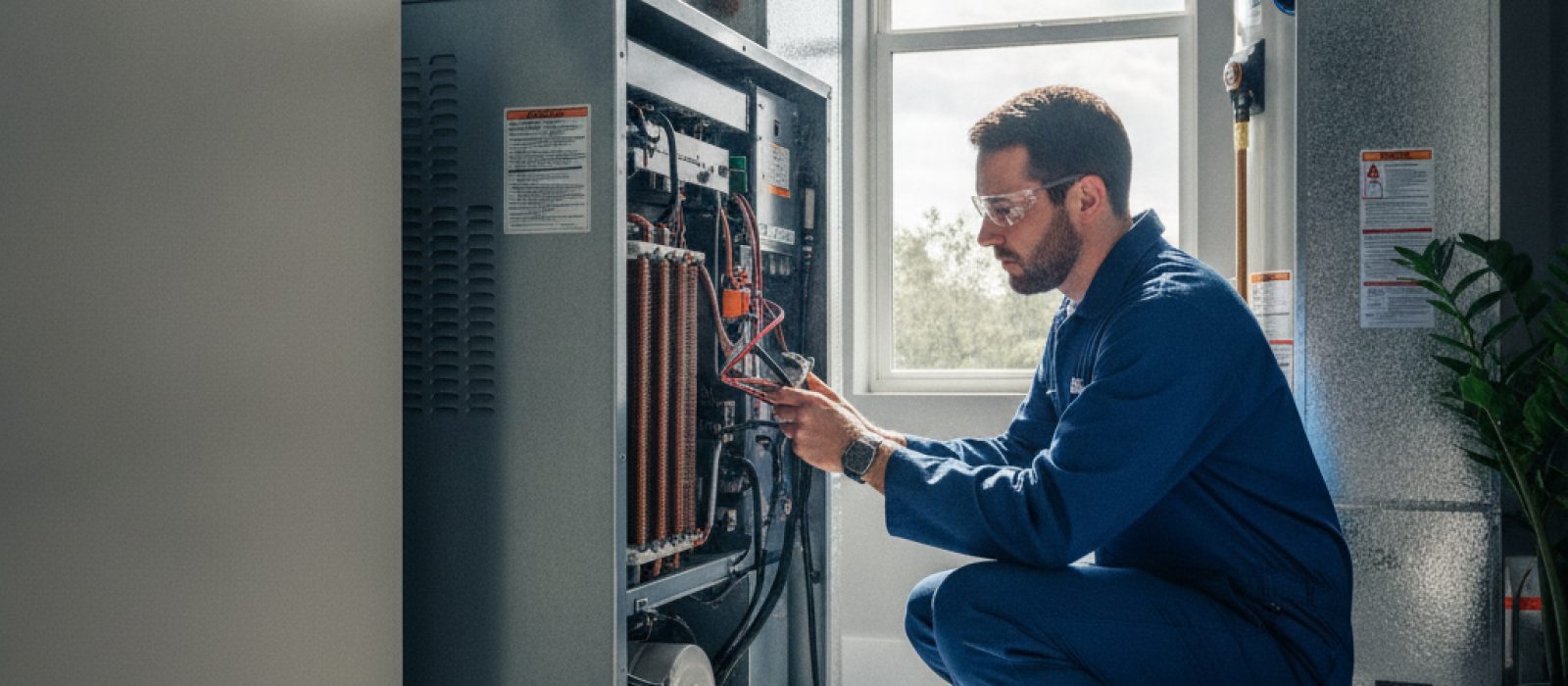
Learn how the air handler functions as the heart of your HVAC system, circulating air and regulating temperature throughout your home.
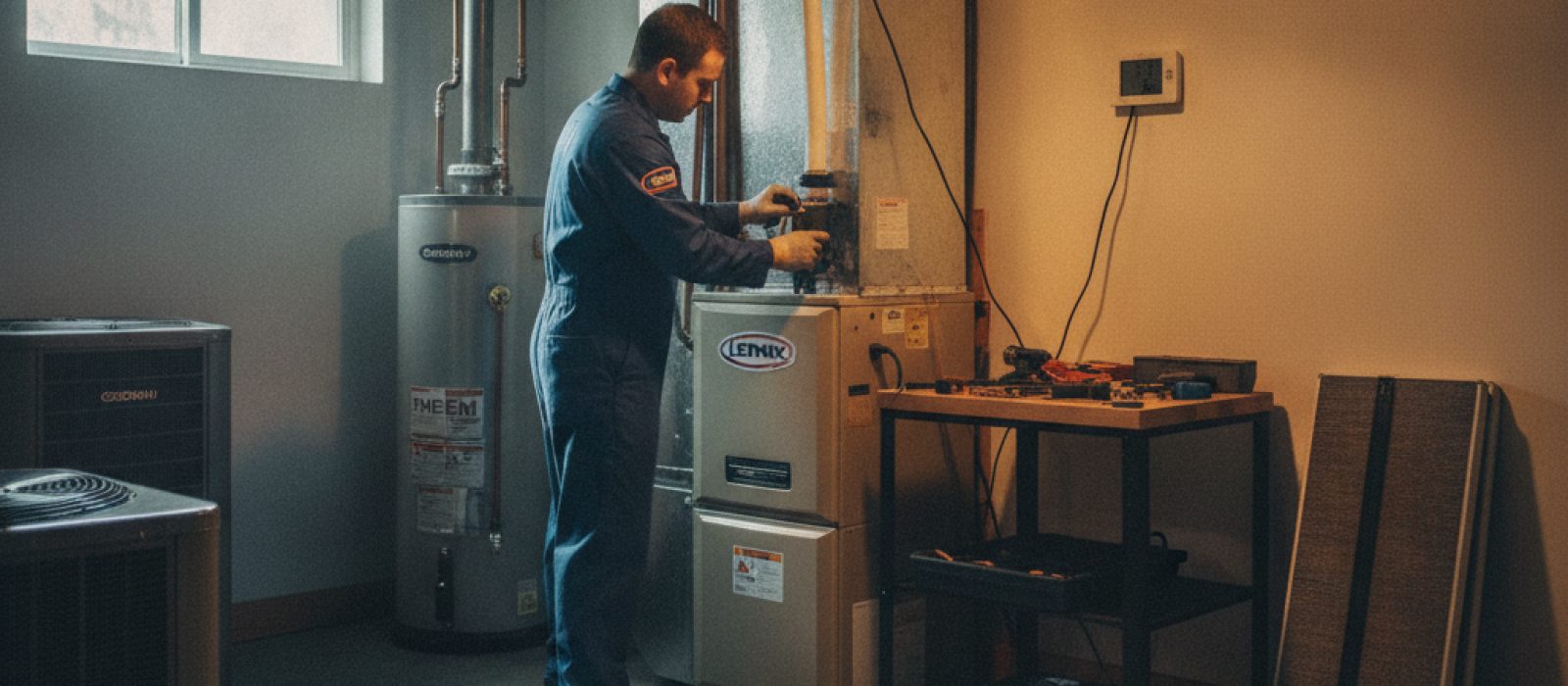
Learn how specific furnace brands influence repair frequency, component availability, and the diagnostic process for your home heating system.
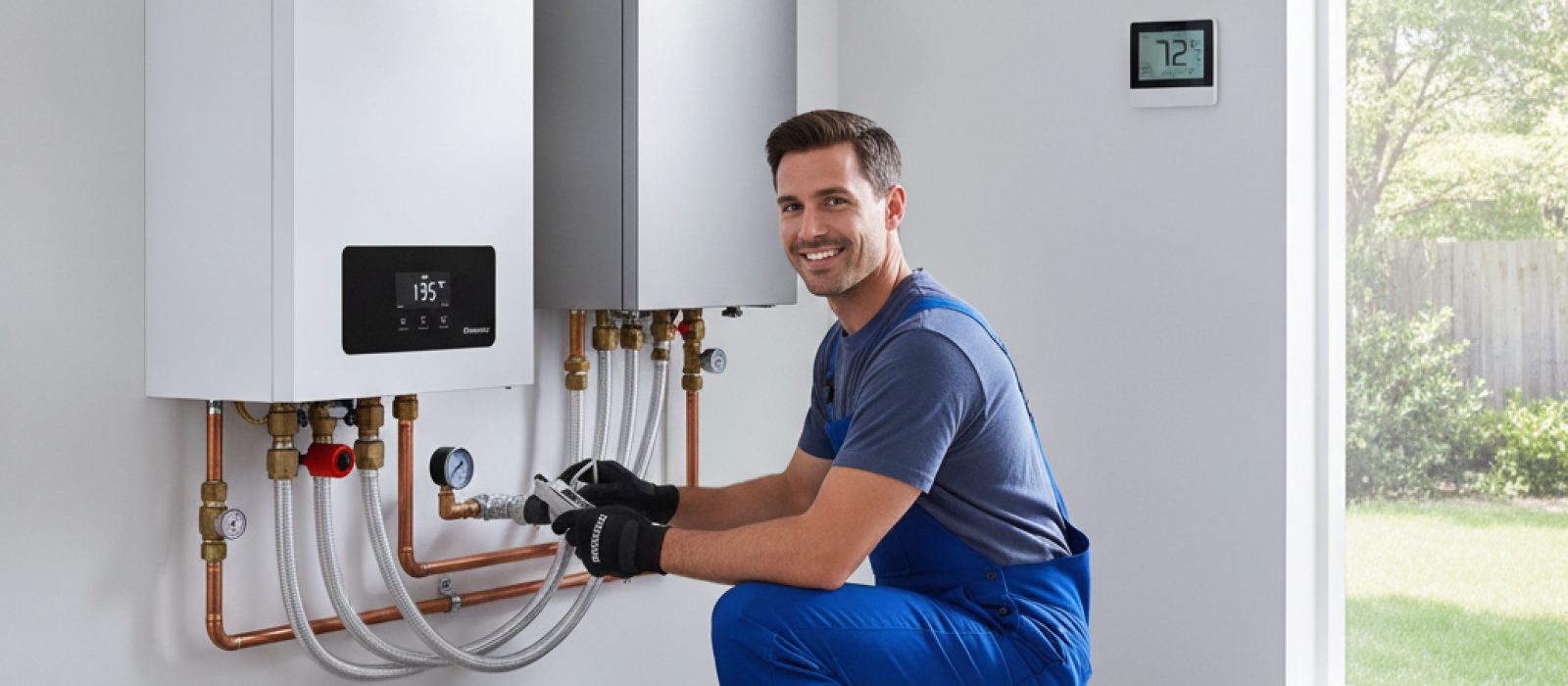
Learn how Rinnai combi boilers provide dual-function heating and hot water, helping you decide if this high-efficiency technology fits your home.
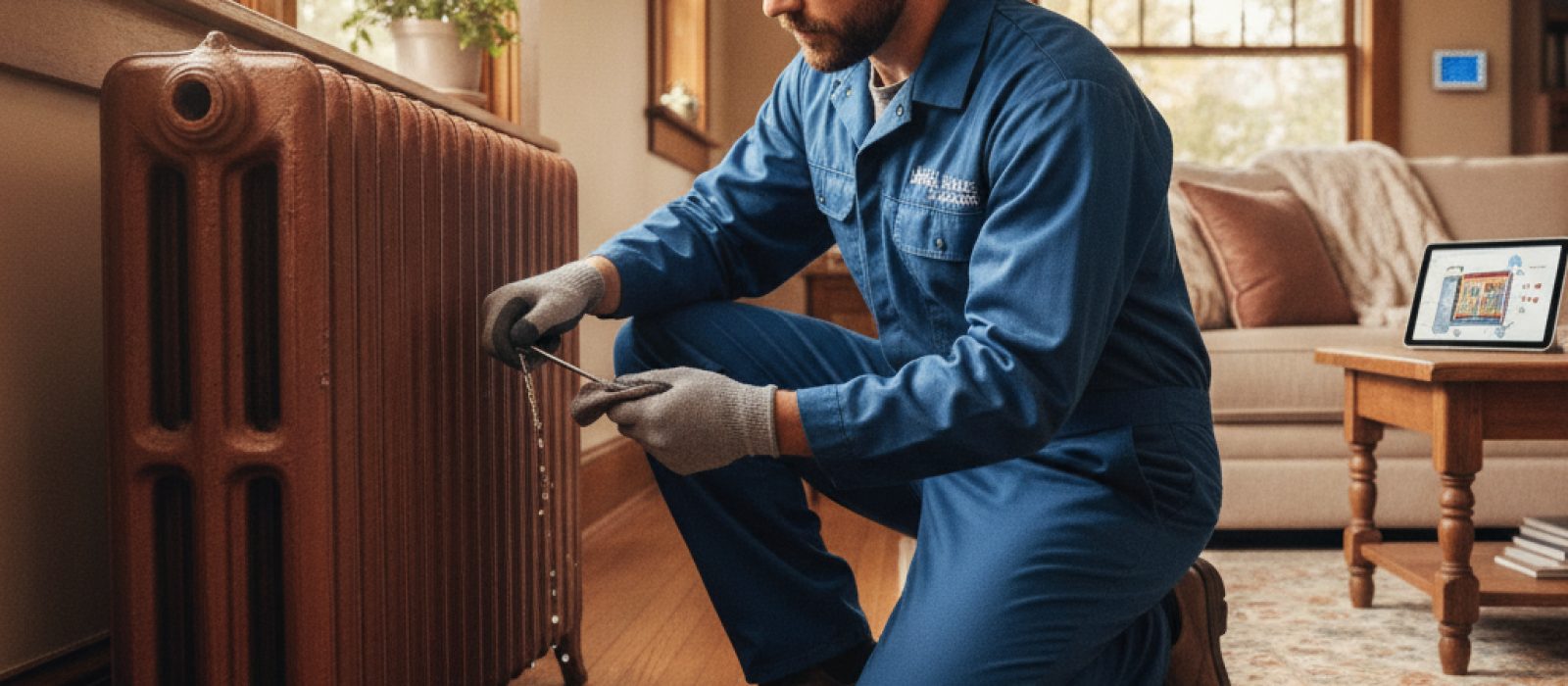
Learn how to maintain, bleed, and improve the efficiency of your home's radiator heating system to ensure comfort throughout the colder months.
Be the first to comment.