
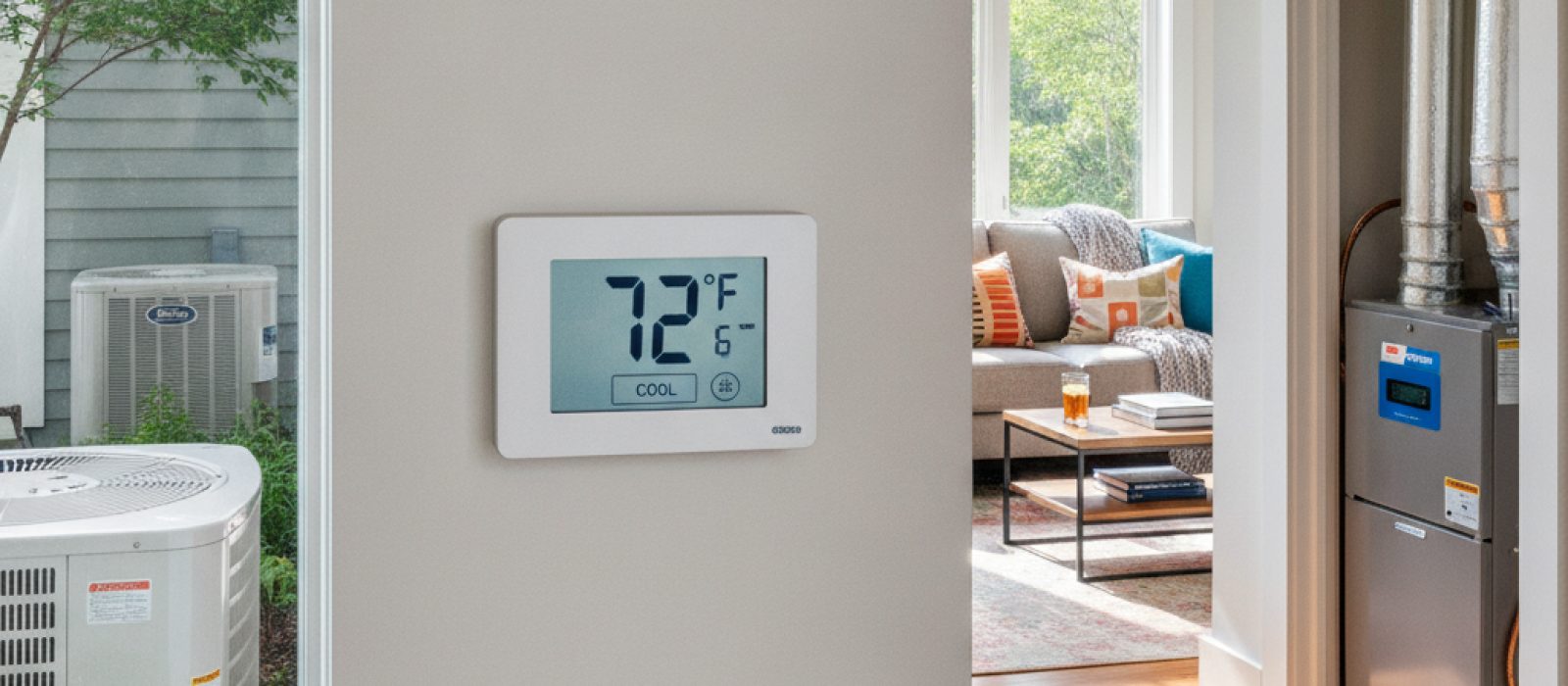
York, Ruud, Bryant and American Standard HVAC: Brand Overview
A guide to understanding the cooling technology and reliability of four major HVAC manufacturers for U.S. homeowners.
4 min read

Goodman has established a significant presence in the residential market by focusing on cost-effectiveness and accessibility. For many homeowners, the primary appeal lies in the lower initial investment compared to premium-tier manufacturers. These systems are designed for simplicity and widespread availability, making them a common choice for both new construction and replacement projects.
Understanding whether these units provide lasting value requires looking beyond the sticker price. Performance, efficiency ratings, and the quality of the installation process all contribute to the actual lifecycle cost of the equipment. While the hardware is designed to be affordable, the long-term success of the system depends heavily on correct sizing and proper setup.
Goodman offers a tiered lineup of cooling and heating products that range from standard-efficiency entry models to high-efficiency units. Efficiency is measured by Seasonal Energy Efficiency Ratio (SEER2) for cooling and Annual Fuel Utilization Efficiency (AFUE) for furnaces. Choosing an entry-level unit may result in lower upfront costs, but it can lead to higher monthly utility bills if the system is not matched to the home's specific thermal load.
High-efficiency models within the product line often incorporate multi-stage compressors and variable-speed blowers. These features allow the system to run at lower capacities during mild weather, which improves comfort and humidity control. Homeowners interested in maximizing long-term savings should prioritize these advanced features, even if they increase the initial project cost.
The single most important factor in the lifespan of any HVAC equipment is the quality of the installation. Even the most expensive system will fail prematurely if it is incorrectly sized, poorly balanced, or attached to leaky ductwork. Budget-friendly systems are particularly sensitive to installation errors because they often lack the advanced diagnostic software found in ultra-premium units.
A licensed professional must perform a load calculation to determine the correct equipment size for the square footage, insulation levels, and climate. Improper sizing leads to short-cycling, where the unit turns on and off too frequently. This behavior accelerates wear on components, reduces energy efficiency, and prevents the system from properly dehumidifying the air. If the home has existing issues with air distribution, consider professional Ductwork Services to ensure the new equipment operates as intended.
To ensure a budget system reaches its full expected lifespan, consistent upkeep is non-negotiable. Like any mechanical system, these units require regular cleaning and inspection to function reliably. Scheduling annual Maintenance & Tune-up visits allows a technician to identify potential component failures, such as a failing capacitor or a dirty blower wheel, before they lead to a complete system breakdown.
Homeowners can perform simple tasks to support system health. Regularly replacing air filters is the most critical homeowner-led task. A clogged filter restricts airflow, forcing the blower motor to work harder and increasing the risk of the evaporator coil freezing. Beyond filter changes, keep the outdoor unit free of debris, grass clippings, and vegetation to allow for proper heat exchange.
Goodman is known for offering competitive limited warranties, which often provide peace of mind for the original purchaser. However, these warranties are typically contingent upon the product being registered within a specific timeframe after installation. Failure to register the equipment often results in a significantly shorter warranty period.
When a repair is necessary, the widespread availability of parts is a distinct advantage. Because these units are ubiquitous, most local contractors stock common replacement components, which can expedite emergency repairs. If a system experiences a sudden failure, consult with a professional regarding Emergency HVAC services to restore comfort quickly. If the system is aging and requires frequent, expensive repairs, it may be time to consider whether a full replacement or a transition to more Energy Efficient Solutions is the more logical path forward.
Selecting an HVAC system is a balance between your current budget and your long-term goals for home comfort. If a property is intended as a long-term residence, investing in a higher-tier unit with variable-speed technology often yields better returns through reduced energy consumption and quieter operation. If the goal is a rapid, cost-effective replacement for a rental property or a home being prepared for sale, a standard-efficiency unit may be the practical choice.
Always verify that the contractor is licensed and insured, regardless of the brand chosen. A professional will not only install the unit but will also handle the electrical connections and refrigerant charging safely. Attempting to modify or repair high-voltage electrical components or refrigerant lines without proper certification is dangerous and often violates local building codes. Rely on experts to handle the technical aspects of the installation to maintain safety and system integrity.
A guide to understanding the cooling technology and reliability of four major HVAC manufacturers for U.S. homeowners.
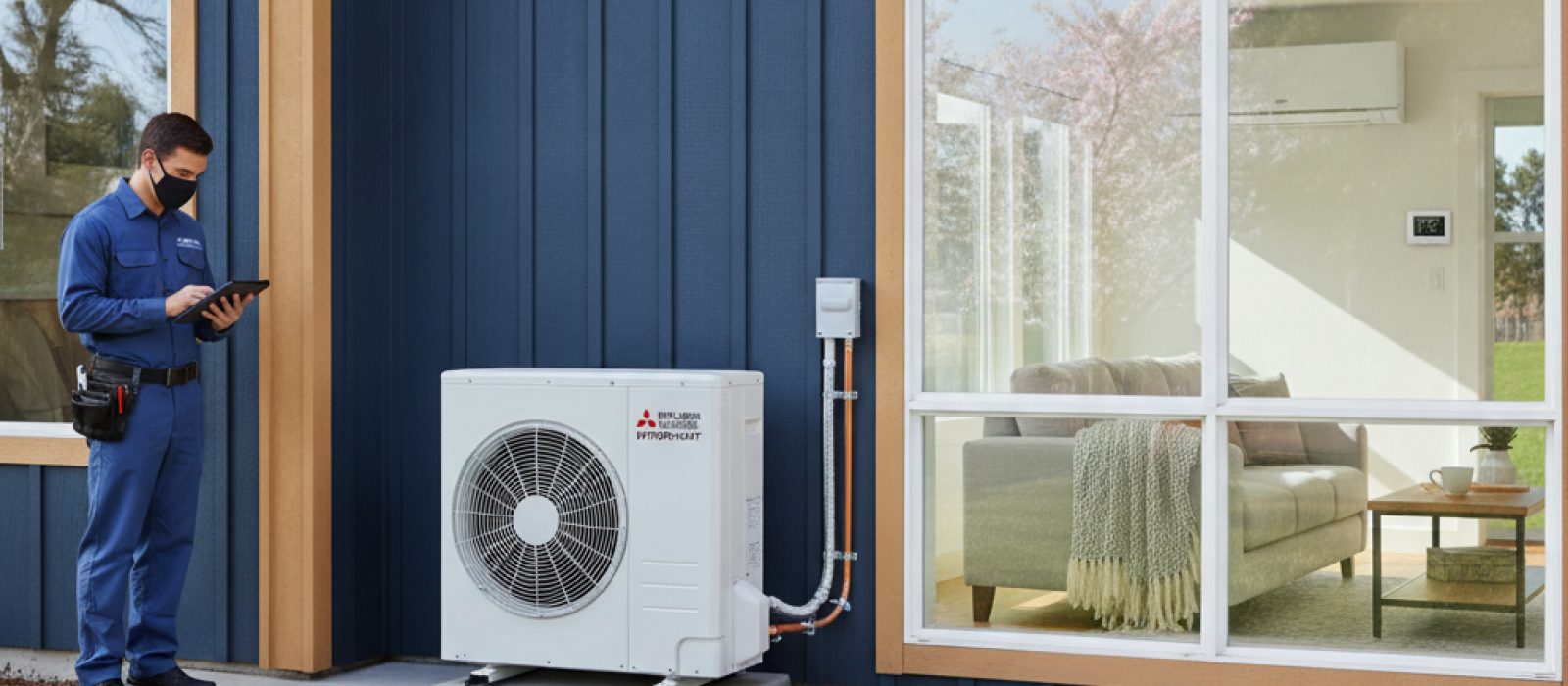
A comprehensive look at Mitsubishi mini-split technology and Hyper-Heat performance for year-round climate control in U.S. homes.
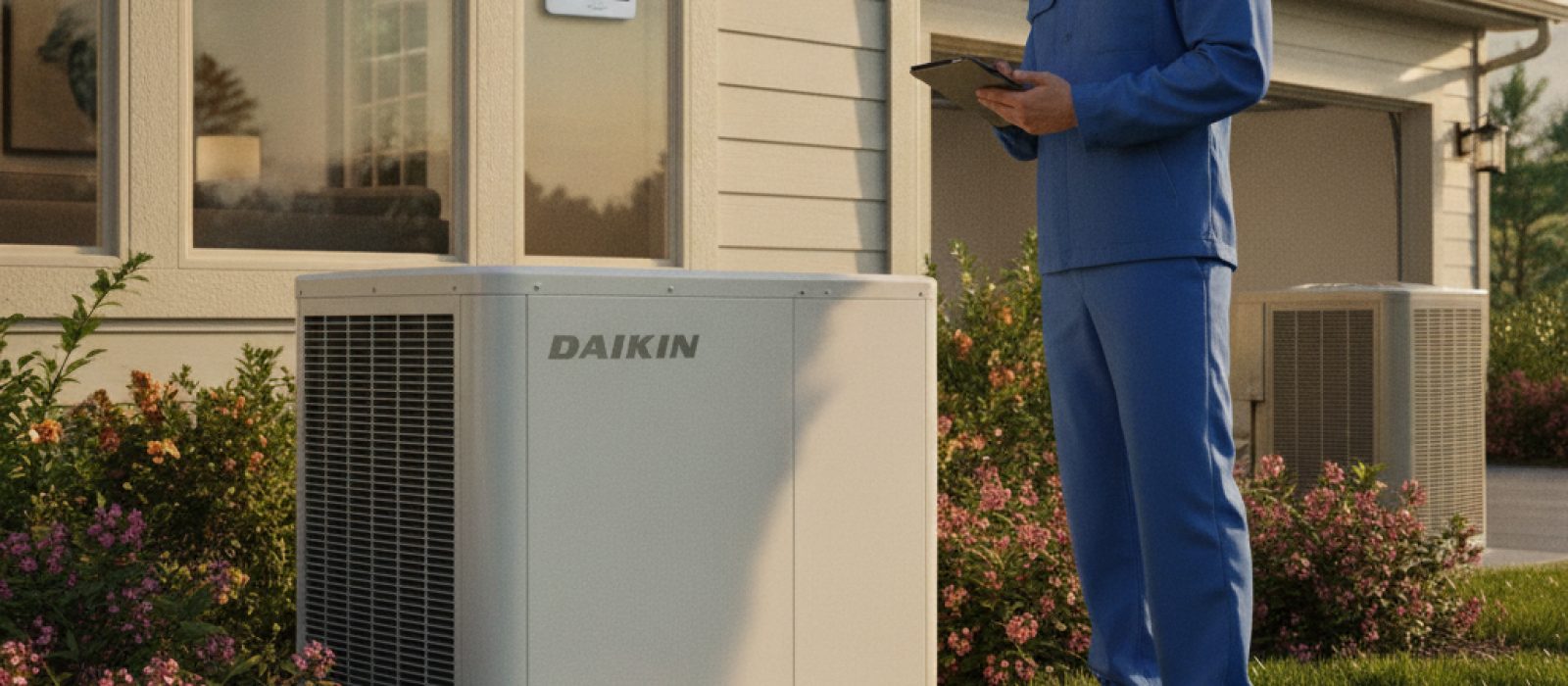
A comprehensive guide to understanding Daikin HVAC systems, including model tiers, standard maintenance requirements, and factory warranty coverage.
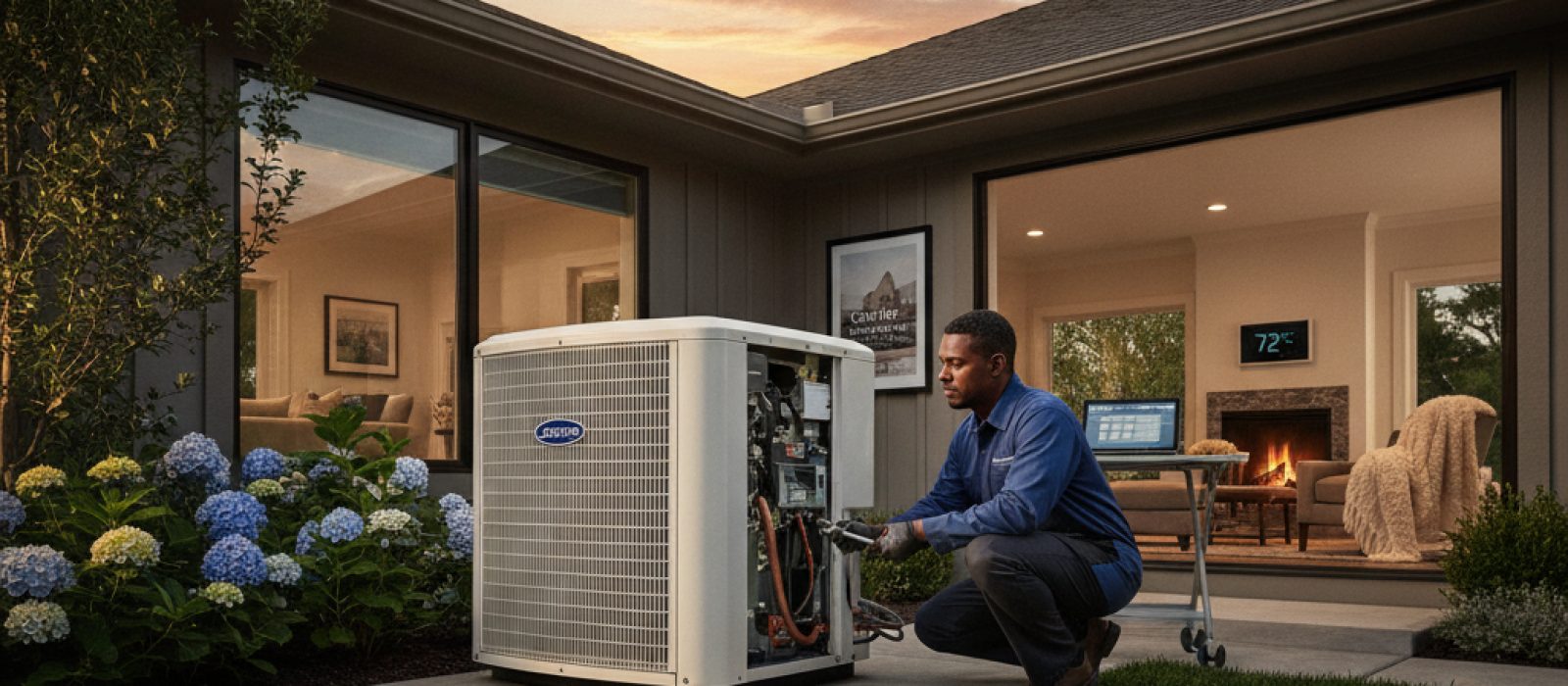
A comprehensive guide to understanding Carrier air conditioning systems, efficiency ratings, installation factors, and maintenance requirements.
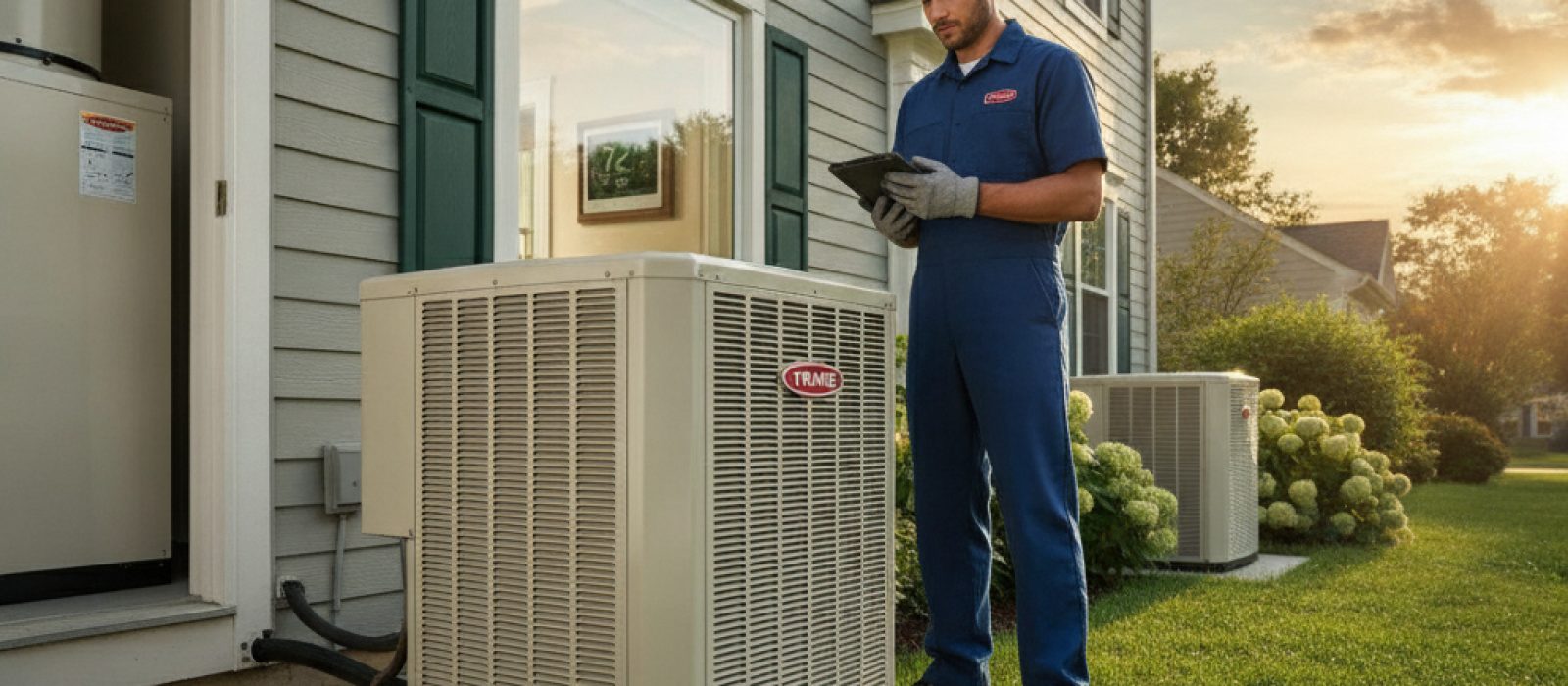
A guide to understanding Trane residential cooling systems, including component integration and maintenance requirements for homeowners.
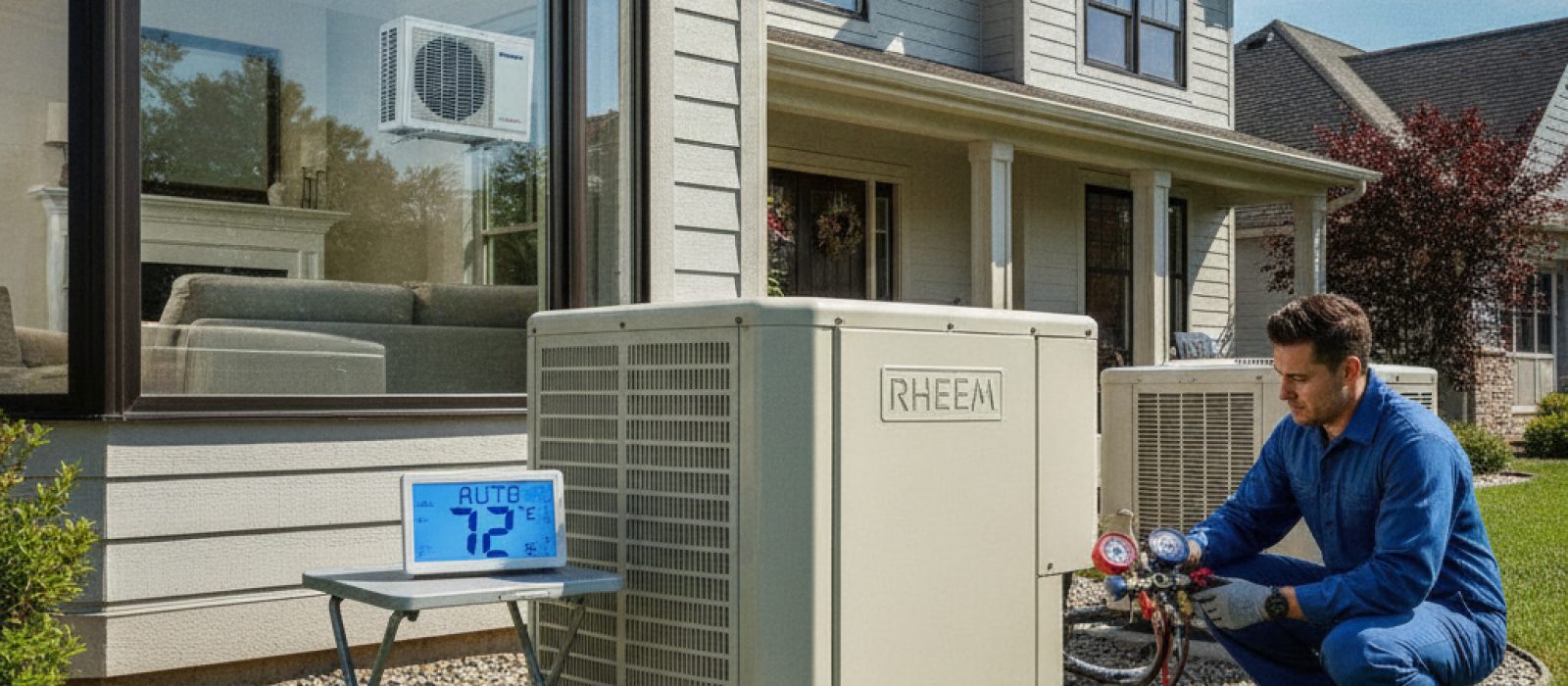
A practical guide to understanding Rheem HVAC systems, covering cooling performance, heating efficiency, and essential maintenance for homeowners.
Be the first to comment.