
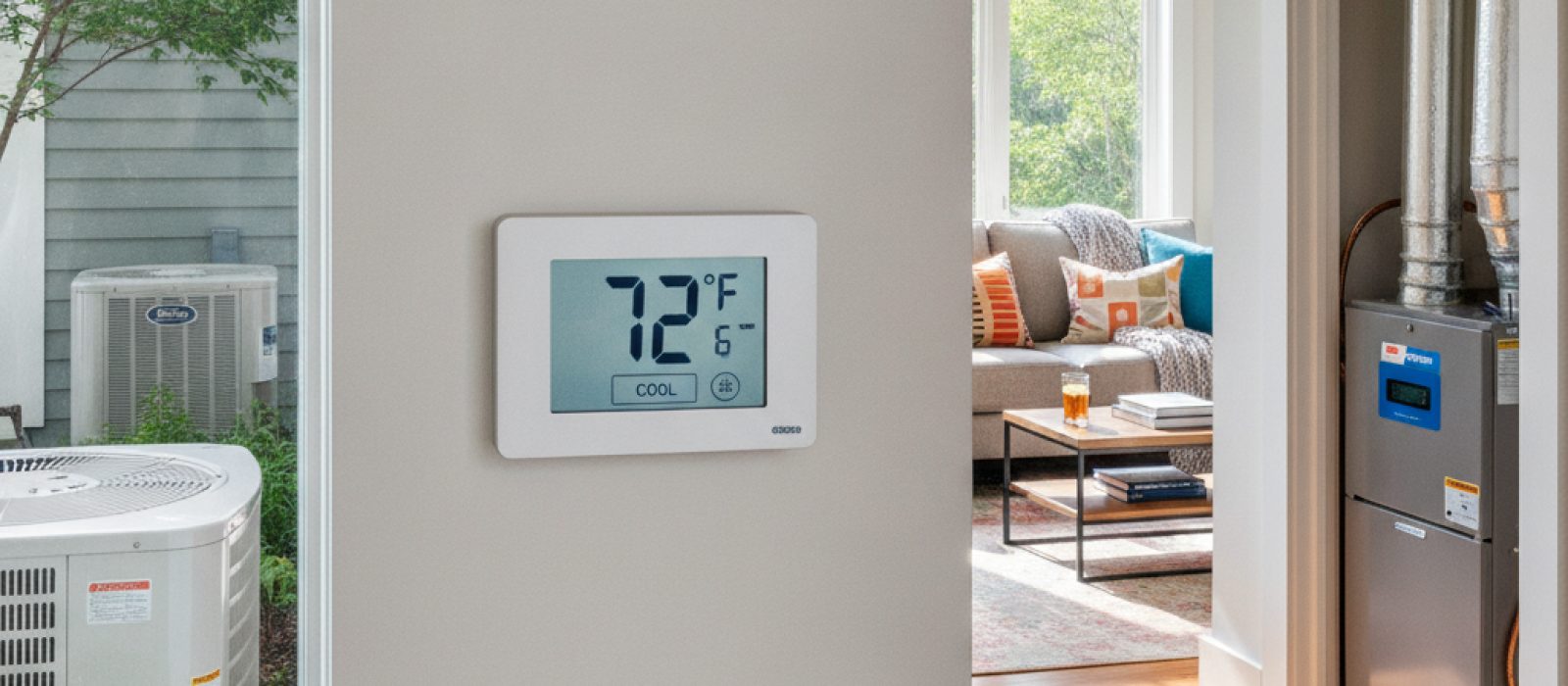
York, Ruud, Bryant and American Standard HVAC: Brand Overview
A guide to understanding the cooling technology and reliability of four major HVAC manufacturers for U.S. homeowners.
4 min read

Rheem provides a wide range of climate control equipment, including central air conditioners, gas furnaces, and heat pumps. These systems are engineered with a focus on modularity, allowing components to integrate into various residential configurations. Understanding these systems starts with recognizing the primary tiers of efficiency, ranging from standard-efficiency models to high-efficiency, variable-speed units designed for precise temperature control.
The cooling side of the product line often utilizes scroll compressors and advanced coil designs to facilitate heat exchange. In warmer climates, the performance of these air conditioners is heavily dependent on proper installation and airflow management. When considering an upgrade, it is vital to evaluate how a new unit will interact with your existing ductwork, as undersized or leaky ducts can negate the efficiency gains of modern high-SEER equipment.
Rheem air conditioning systems are categorized by their Seasonal Energy Efficiency Ratio (SEER2) ratings. Higher ratings generally indicate a system capable of moving heat more effectively while consuming less electricity. Variable-speed cooling systems offer an advantage by running at lower capacities for longer periods, which helps maintain consistent humidity levels in addition to cooling the air.
Homeowners often prioritize these units for their quiet operation and potential for reduced energy bills. However, these benefits are only realized if the system is matched correctly to the home's cooling load. An oversized air conditioner will cycle on and off too frequently, leading to short-cycling, which reduces the lifespan of the equipment and prevents adequate dehumidification.
For colder climates, Rheem offers gas furnaces that utilize multi-stage burners to modulate heat output. This allows the system to run on low fire during mild weather and ramp up to high fire only when necessary. This modulation reduces temperature swings within the home and minimizes the noise associated with sudden blower activation.
Heat pumps serve as a versatile alternative, providing both heating and cooling in a single package. In moderate climates, these systems transfer heat rather than generating it, which can be highly efficient. When exploring these options, homeowners should consult with professionals regarding Heat Pumps installation to ensure the system is sized correctly for the local climate zone and the home’s thermal envelope.
Regardless of the brand, the longevity of an HVAC system is directly tied to regular Maintenance & Tune-up visits. These sessions are not merely about cleaning; they provide an opportunity for a technician to verify refrigerant pressures, check electrical connections, and inspect the integrity of the heat exchanger in gas furnaces. Neglecting these tasks can lead to premature component failure and safety hazards.
Homeowners can contribute to system health by keeping the area around the outdoor condenser clear of debris, vegetation, and fencing. Indoors, the most critical user-level task is the frequent replacement of air filters. A clogged filter restricts airflow, forcing the blower motor to work harder, which can lead to overheating and increased energy consumption. If you notice uneven temperatures throughout the house, it may be time to consider Air Duct Cleaning to remove dust buildup that impedes system performance.
When a system fails to start or cool, the first step is always to check the thermostat and the circuit breaker. If the thermostat is blank or unresponsive, it may require new batteries or a reset. If the breaker has tripped, it is essential to determine the cause before flipping it back on; a tripped breaker often indicates an electrical short or a motor that is drawing excessive current.
If the system is running but failing to reach the set temperature, check the air intake and the outdoor unit. Ensure that nothing is blocking the return air vents inside the home. If these simple checks do not resolve the issue, professional Emergency HVAC services should be contacted to prevent further damage. Never attempt to open the electrical cabinet or handle refrigerant lines, as these components pose significant safety risks and require specialized training to service.
Modern HVAC systems are often integrated with advanced filtration and purification accessories to enhance the living environment. Adding high-efficiency media filters or ultraviolet light systems can significantly reduce airborne contaminants. When discussing Indoor Air Quality with a technician, ask about how specific Rheem-compatible accessories can integrate with your furnace or air handler to provide cleaner air throughout the home year-round.
A guide to understanding the cooling technology and reliability of four major HVAC manufacturers for U.S. homeowners.
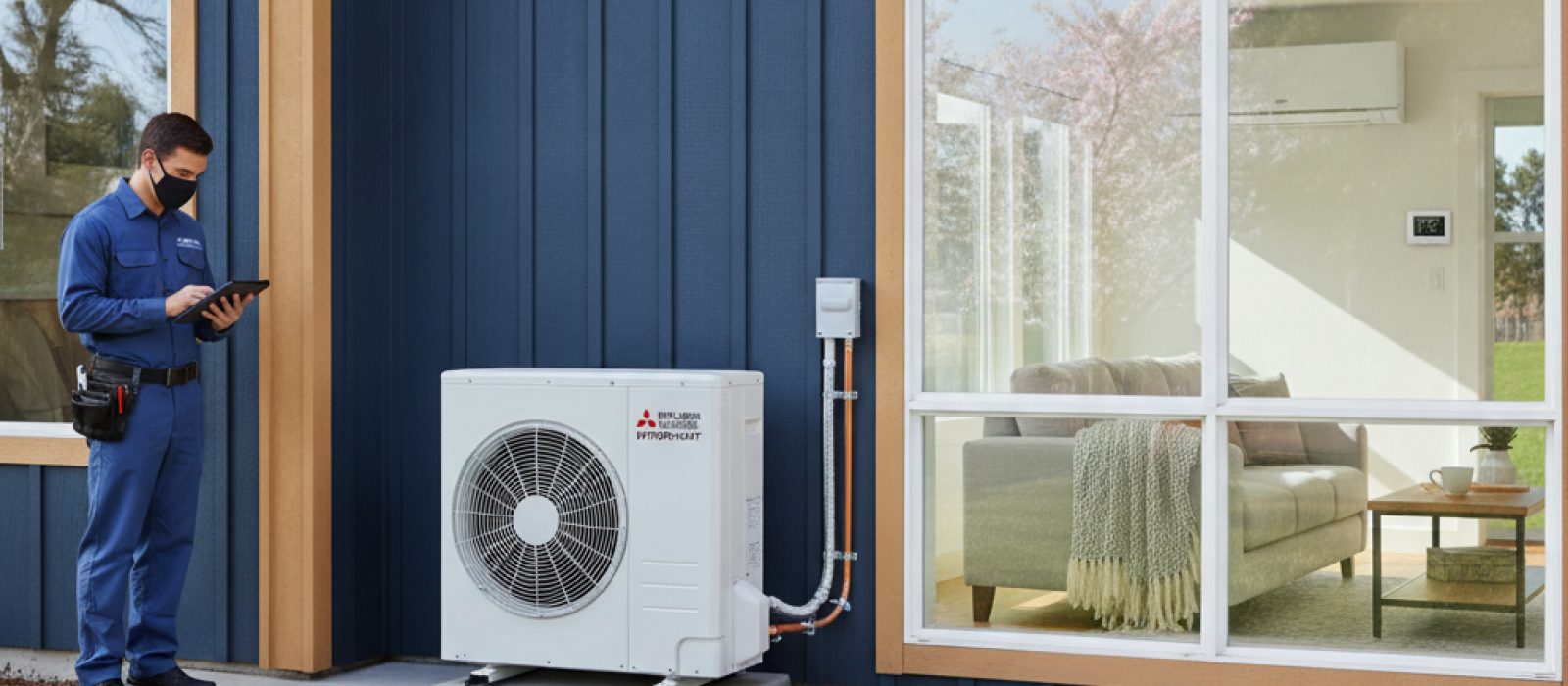
A comprehensive look at Mitsubishi mini-split technology and Hyper-Heat performance for year-round climate control in U.S. homes.
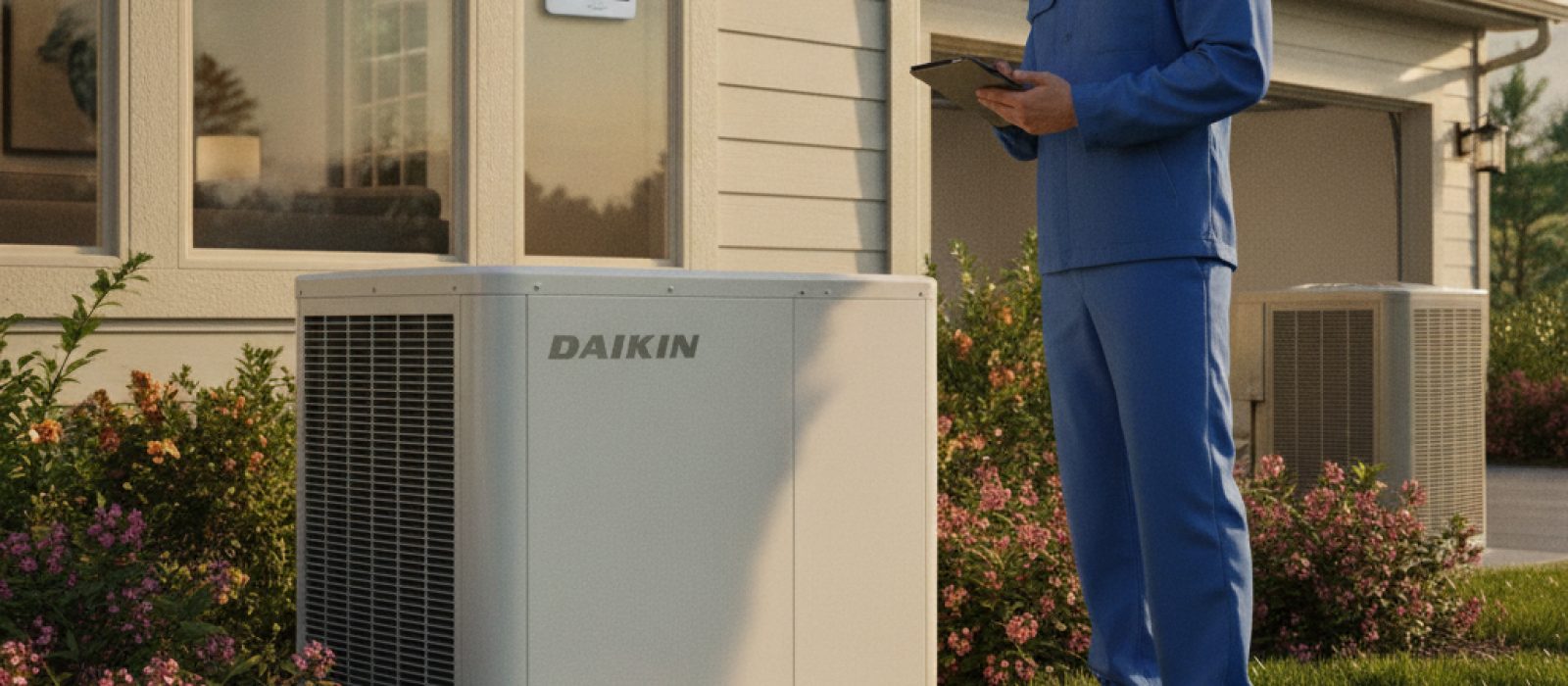
A comprehensive guide to understanding Daikin HVAC systems, including model tiers, standard maintenance requirements, and factory warranty coverage.
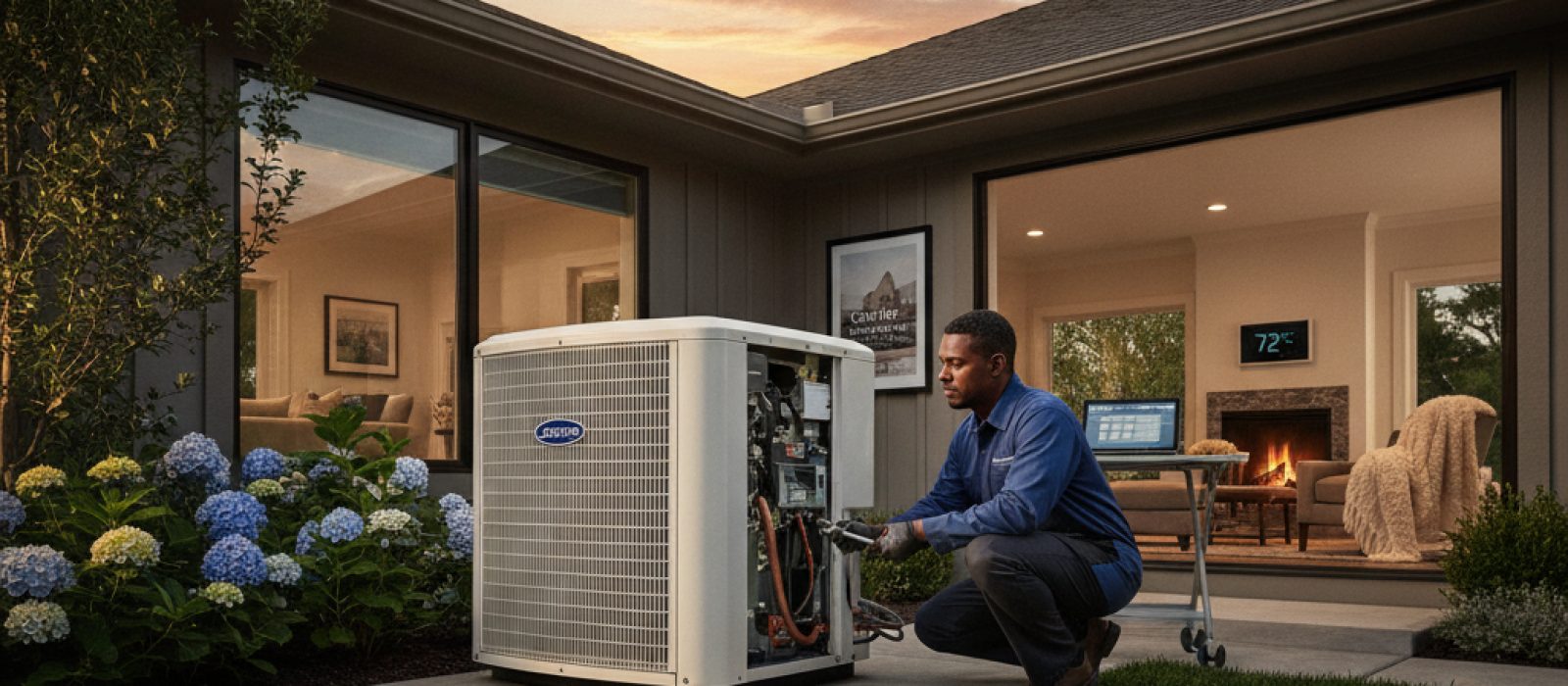
A comprehensive guide to understanding Carrier air conditioning systems, efficiency ratings, installation factors, and maintenance requirements.
An objective look at Goodman HVAC systems, covering performance, longevity, and what homeowners should know before choosing a budget-friendly cooling solution.
A guide to understanding Trane residential cooling systems, including component integration and maintenance requirements for homeowners.
Be the first to comment.