
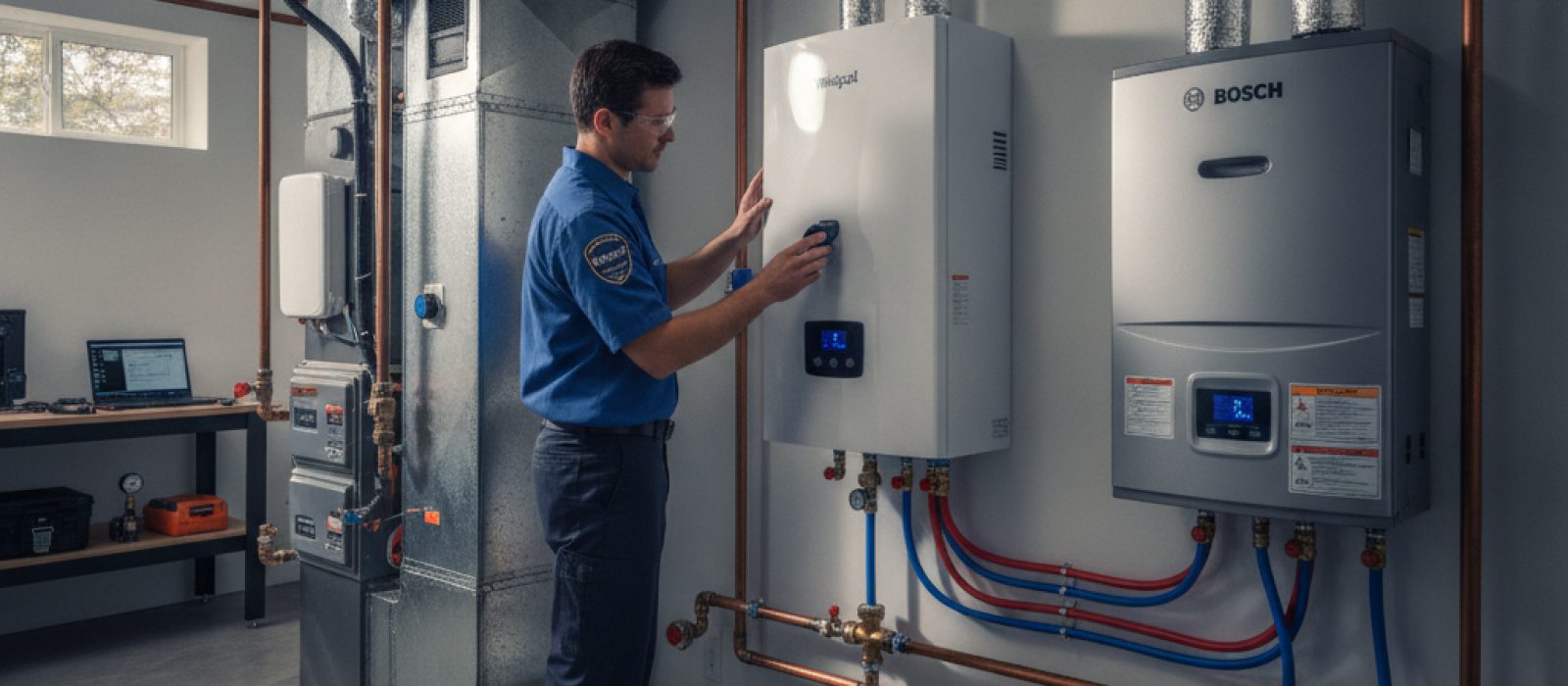
Whirlpool and Bosch Water Heaters: Overview and Common Issues
A practical guide to understanding the operational differences, maintenance needs, and common troubleshooting steps for Whirlpool and Bosch water heaters.
4 min read

A hot water recirculating pump is a device designed to eliminate the long wait times often experienced at fixtures located far from the primary water heater. In a standard plumbing configuration, water cools inside the pipes between uses. When a faucet is turned on, the cold water must be purged from the lines before the heated water arrives. A recirculating pump creates a loop that keeps water moving, ensuring heated water is always close to the point of use.
There are two primary methods for creating this loop. A dedicated return line system utilizes a dedicated pipe that runs from the furthest fixture back to the water heater. This is the most efficient configuration but is often difficult to implement in existing homes without significant renovations. The second method, known as a retrofit system, uses a bypass valve installed under the sink to push the cooled water back into the cold water supply line, effectively using the cold line as the return path.
Choosing the right system depends on the layout of the home and the accessibility of the plumbing. Homeowners should consult with professionals specializing in Plumbing Services to evaluate which configuration suits their specific infrastructure.
This system is ideal for new construction or major remodeling projects. Because a dedicated line is installed, the pump operates independently of the cold water lines. This prevents the cold water supply from becoming lukewarm, which can sometimes occur in poorly managed retrofit installations.
Retrofit pumps are designed for homes where adding new piping is impractical. These pumps mount directly to the water heater or under a sink. They are generally simpler to install and represent a practical solution for homeowners looking to improve comfort without opening walls.
The cost of installing a hot water recirculating system varies by system and region. It is not merely the price of the pump that dictates the total expense, but the complexity of the labor involved. When budgeting for this upgrade, consider the following variables.
Like any mechanical component, recirculating pumps require periodic attention to ensure reliable operation. Over time, mineral buildup from hard water can affect the impeller or the internal seals of the pump. Homeowners in areas with high mineral content may benefit from integrating Water Treatment solutions to extend the life of their plumbing components.
Routine maintenance typically involves checking the pump for leaks, ensuring the timer settings remain accurate, and inspecting the bypass valve. If the pump becomes noisy or fails to circulate water effectively, a professional should be contacted to diagnose whether the issue is mechanical or related to the plumbing loop itself.
A common concern regarding recirculating pumps is the energy required to keep water moving and the heat lost through the pipes. Because the water is constantly circulating, the water heater must cycle on more frequently to maintain the temperature. To mitigate this, many modern pumps feature automated controls.
Using a timer allows the pump to operate only during peak usage hours, such as early morning or evening. Temperature-sensitive pumps are even more efficient, as they only activate when the water temperature in the loop drops below a specific threshold. When managed correctly, these systems provide a balance between luxury and energy efficiency, often complementing broader Energy Efficient Solutions within the home.
While some retrofit pumps are marketed as DIY-friendly, the integration with a home's water heater and electrical system often requires a licensed expert. Improper installation can lead to cross-connection issues where hot and cold water mix, or damage to the water heater itself. If the system involves complex plumbing rerouting or requires a new dedicated circuit, it is essential to engage a licensed plumber to ensure the work is done safely and adheres to local building codes.
A practical guide to understanding the operational differences, maintenance needs, and common troubleshooting steps for Whirlpool and Bosch water heaters.
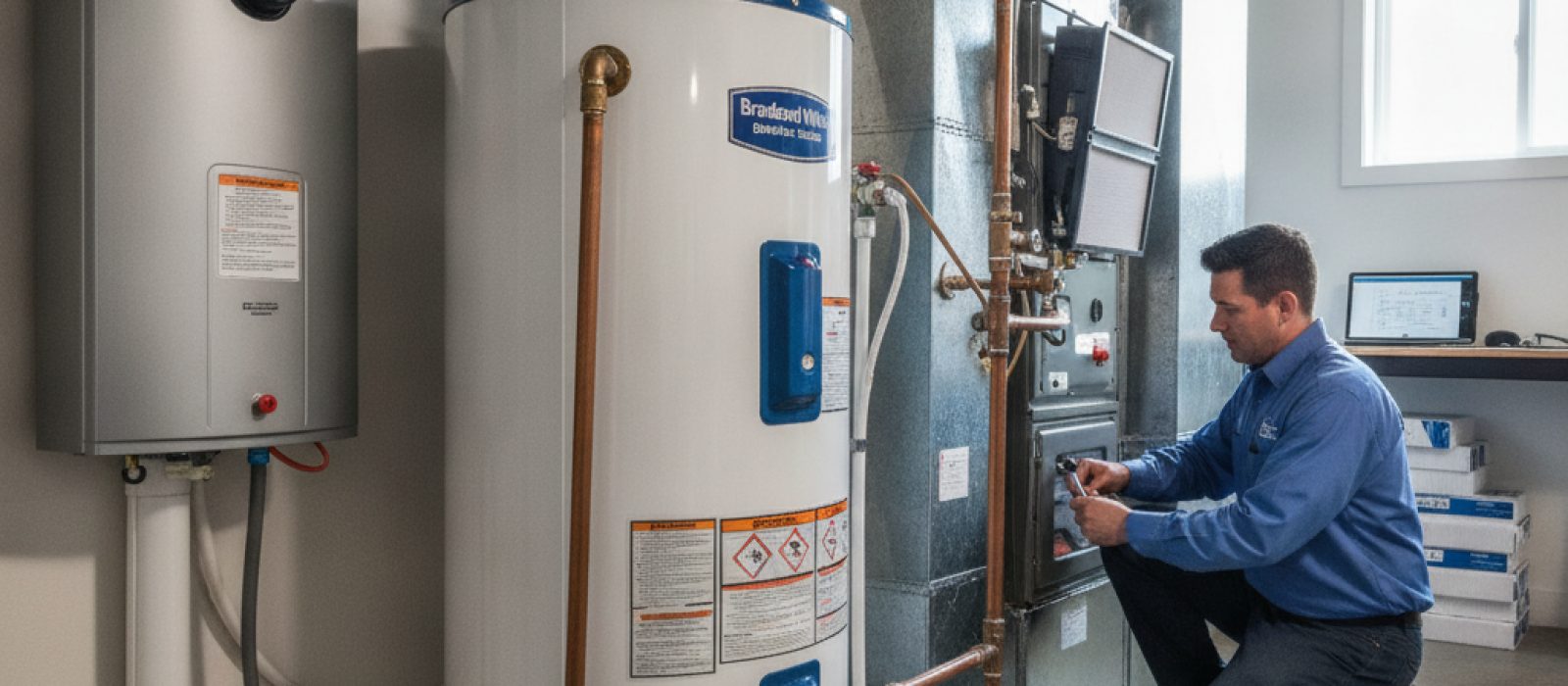
Learn how to choose between 40 and 75-gallon Bradford White water heaters and understand which model fits your home's hot water demands.
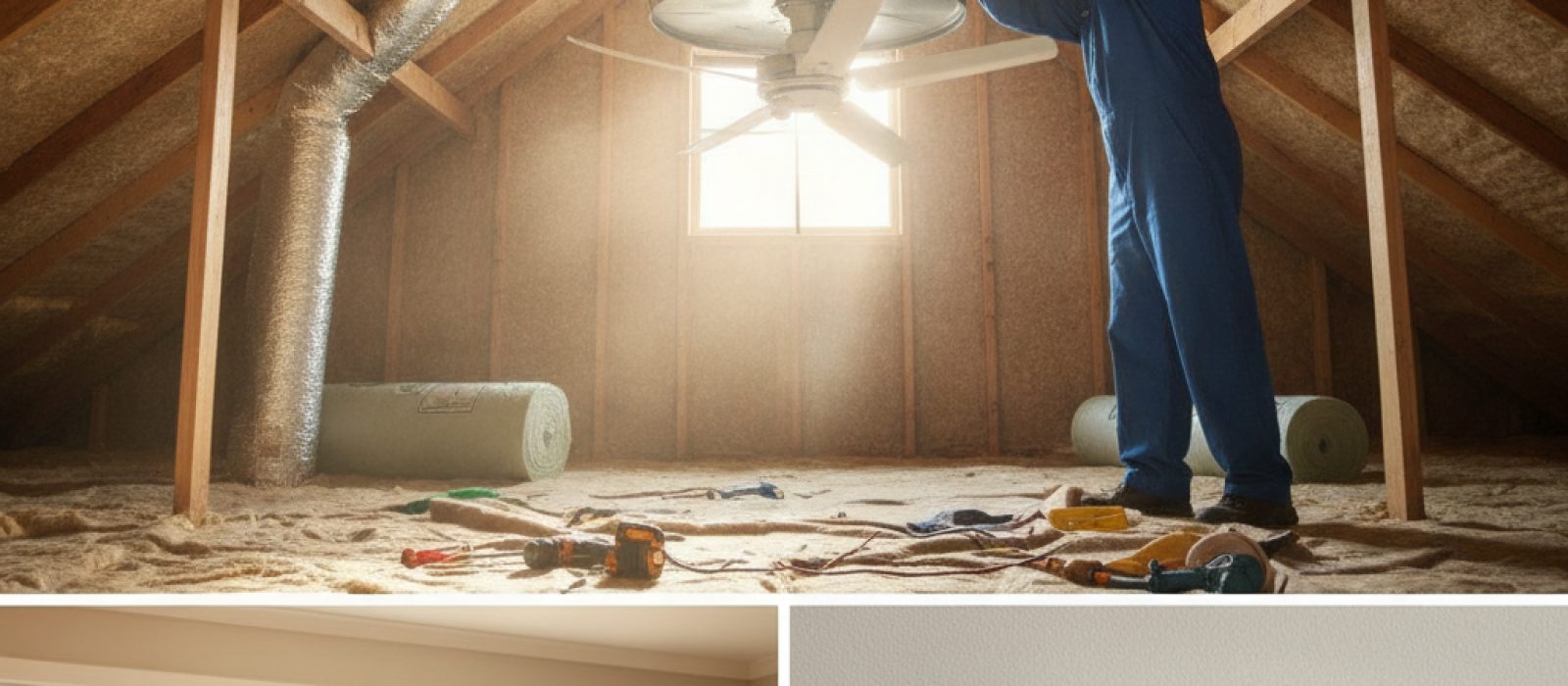
Learn how attic fans manage thermal buildup, the factors influencing installation costs, and the critical mistakes to avoid for a balanced home system.
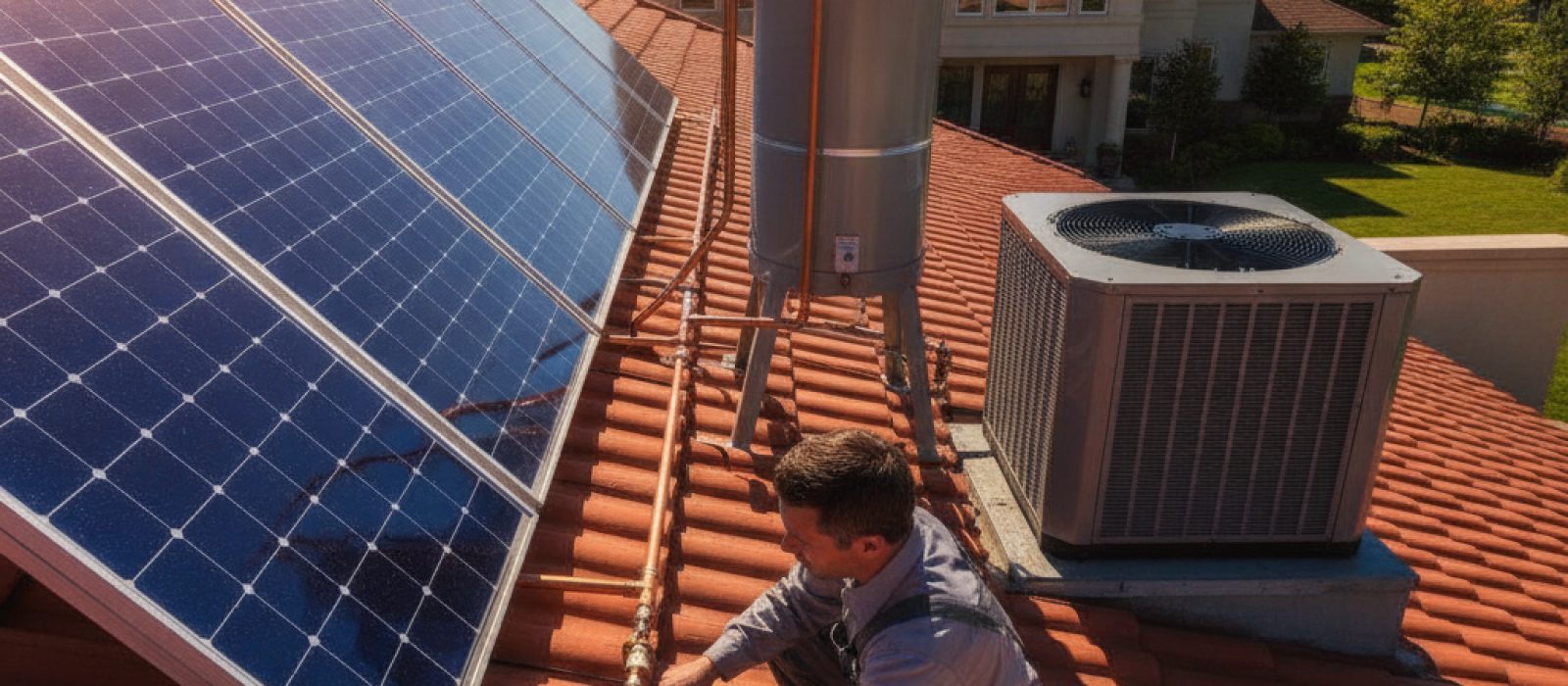
Understand the mechanics, efficiency benefits, and practical considerations of installing a solar-powered water heating system in your home.
Learn how whole-house surge protectors safeguard sensitive HVAC equipment and home electronics from damaging power spikes and electrical surges.
Learn how hydro jetting uses high-pressure water to clear stubborn plumbing blockages and when it is the right solution for your home's drainage issues.
Be the first to comment.