
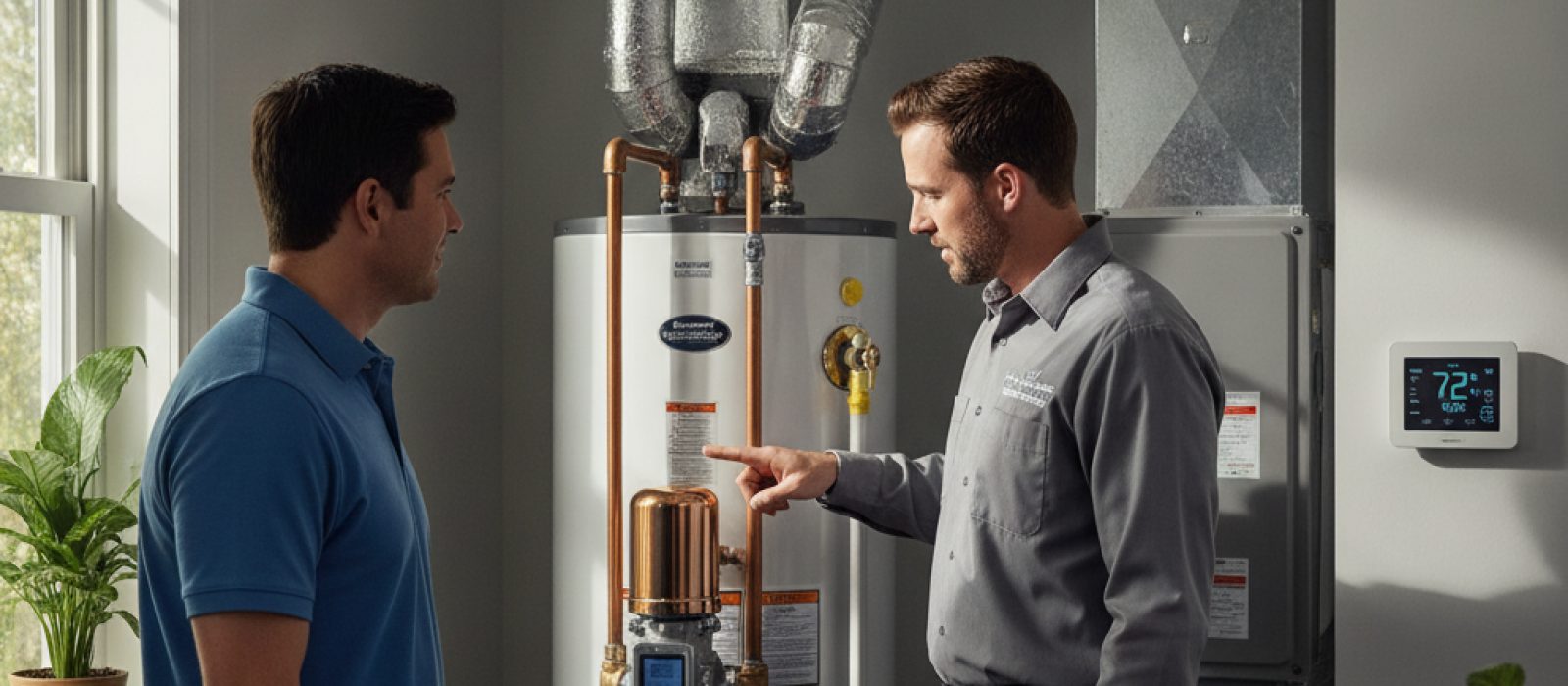
Hot Water Recirculating Pumps: How They Work and What They Cost
Learn how hot water recirculating pumps provide instant hot water, the different installation types, and the factors that influence overall project costs.
4 min read

Hydro jetting is a specialized plumbing process that uses high-pressure water to scour the interior walls of drain pipes. Unlike traditional drain snakes or augers, which simply punch a hole through a blockage, hydro jetting removes debris, grease, and mineral buildup from the entire diameter of the pipe. This method restores pipes to a near-original condition, effectively resetting the flow capacity of the drainage system.
This process utilizes a powerful pump and a specialized nozzle attached to a high-pressure hose. As the technician feeds the hose into the drain line, the nozzle releases water at pressures ranging from several hundred to thousands of pounds per square inch. The force of the water is sufficient to pulverize tree roots, break apart hardened scale, and liquefy heavy grease deposits that commonly cause recurrent clogs.
Occasional slow drains are often caused by minor hair accumulation or soap scum, but persistent issues usually indicate a deeper problem. If you notice multiple drains in your home running slowly simultaneously, it often points to a clog in the main sewer line rather than an isolated fixture. This is a common scenario where professional intervention is necessary.
Frequent backups are another primary indicator. If you have already attempted to clear a drain with a mechanical auger or chemical cleaner and the problem returns within a few weeks, the blockage is likely not being fully removed. Hydro jetting is often the next logical step for homeowners dealing with recurring sewer line obstructions.
Additionally, if you smell foul odors emanating from your drains, it may be a sign of decaying matter trapped along the pipe walls. While routine maintenance like Plumbing Services can address minor clogs, hydro jetting is the definitive solution for deep-seated buildup that causes these unpleasant smells.
Before any water is pumped, a professional will typically perform a video camera inspection of the sewer line. This is a critical step because it allows the technician to identify the exact location and nature of the obstruction. It also helps the pro determine if the pipes are structurally sound enough to withstand the high-pressure water.
If the pipe is cracked, collapsed, or severely corroded, hydro jetting could cause further damage. The camera inspection ensures that the method is appropriate for the specific condition of your infrastructure. Once the area is cleared, the hose is inserted, usually through a cleanout—an access point designed specifically for system maintenance.
The technician will work the hose through the line, pulling back slowly to ensure the water pressure has enough time to scrub the walls of the pipe. The dislodged debris is then flushed out through the main line, leaving the drainage system clear and functional.
Traditional drain snaking is effective for localized blockages, such as a single object stuck in a P-trap. However, a snake only creates a path through the debris. It does not clean the pipe walls, which means the remaining buildup will likely attract more waste and lead to a new clog in the near future.
Hydro jetting offers a comprehensive cleaning. By removing the buildup entirely, it significantly extends the time between required cleanings. While it is a more intensive procedure, it is often more cost-effective in the long run for homes with aging pipes that are prone to persistent grease or root intrusion.
Hydro jetting is not a DIY project. The equipment used is heavy-duty and operates at pressures that can easily cause severe injury to skin or eyes if handled incorrectly. Furthermore, improper use of the equipment can damage plumbing joints or cause a pipe to burst, leading to catastrophic water damage inside walls or under a foundation.
Professional technicians are trained to calibrate the pressure based on the pipe material—such as PVC, clay, or cast iron—and the age of the system. They also know how to manage the water flow so that debris does not back up into other fixtures in the home. If you notice signs of a failing sewer system, consult with experts who offer comprehensive Plumbing Services to assess whether jetting is the safest path forward.
Plumbing health is often linked to the overall efficiency of your home. Just as you prioritize Maintenance & Tune-up for your HVAC system to ensure longevity, treating your sewer lines with professional care prevents emergency situations. While plumbing and HVAC are distinct systems, both rely on clear, unobstructed pathways—whether it is airflow in your ducts or wastewater in your pipes.
If you are experiencing issues with your home’s climate control or air quality, remember that Indoor Air Quality and Water Treatment are also vital components of a healthy living environment. Addressing these systems holistically ensures that your home functions at peak performance throughout the year.
Learn how hot water recirculating pumps provide instant hot water, the different installation types, and the factors that influence overall project costs.
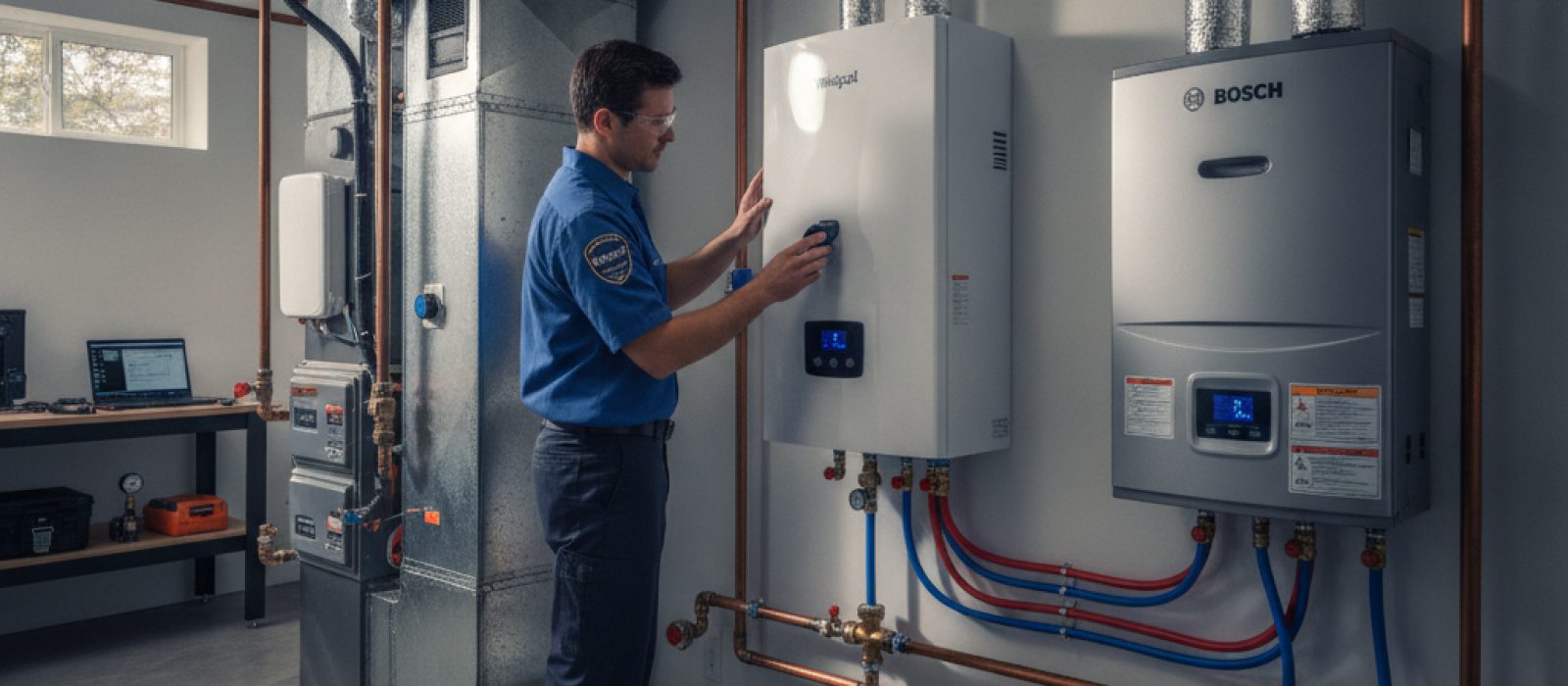
A practical guide to understanding the operational differences, maintenance needs, and common troubleshooting steps for Whirlpool and Bosch water heaters.
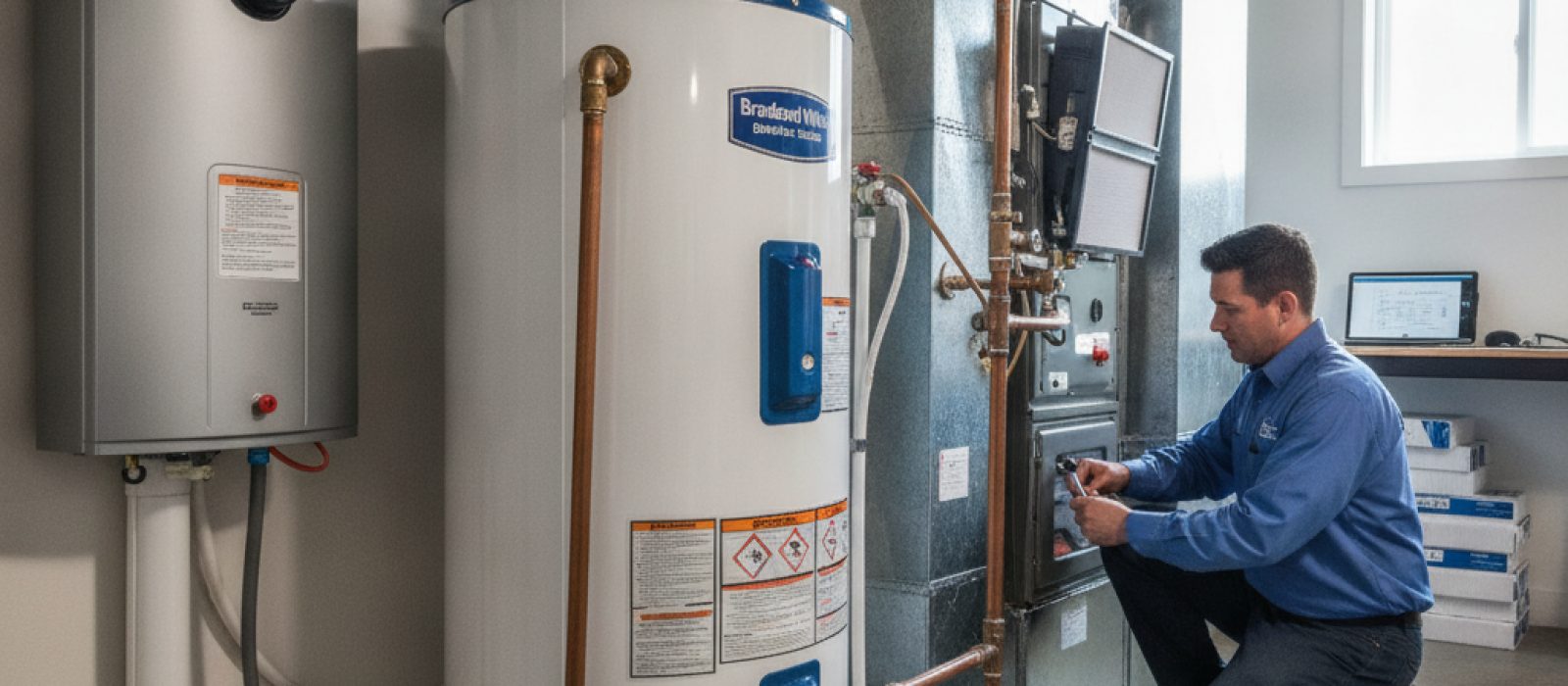
Learn how to choose between 40 and 75-gallon Bradford White water heaters and understand which model fits your home's hot water demands.
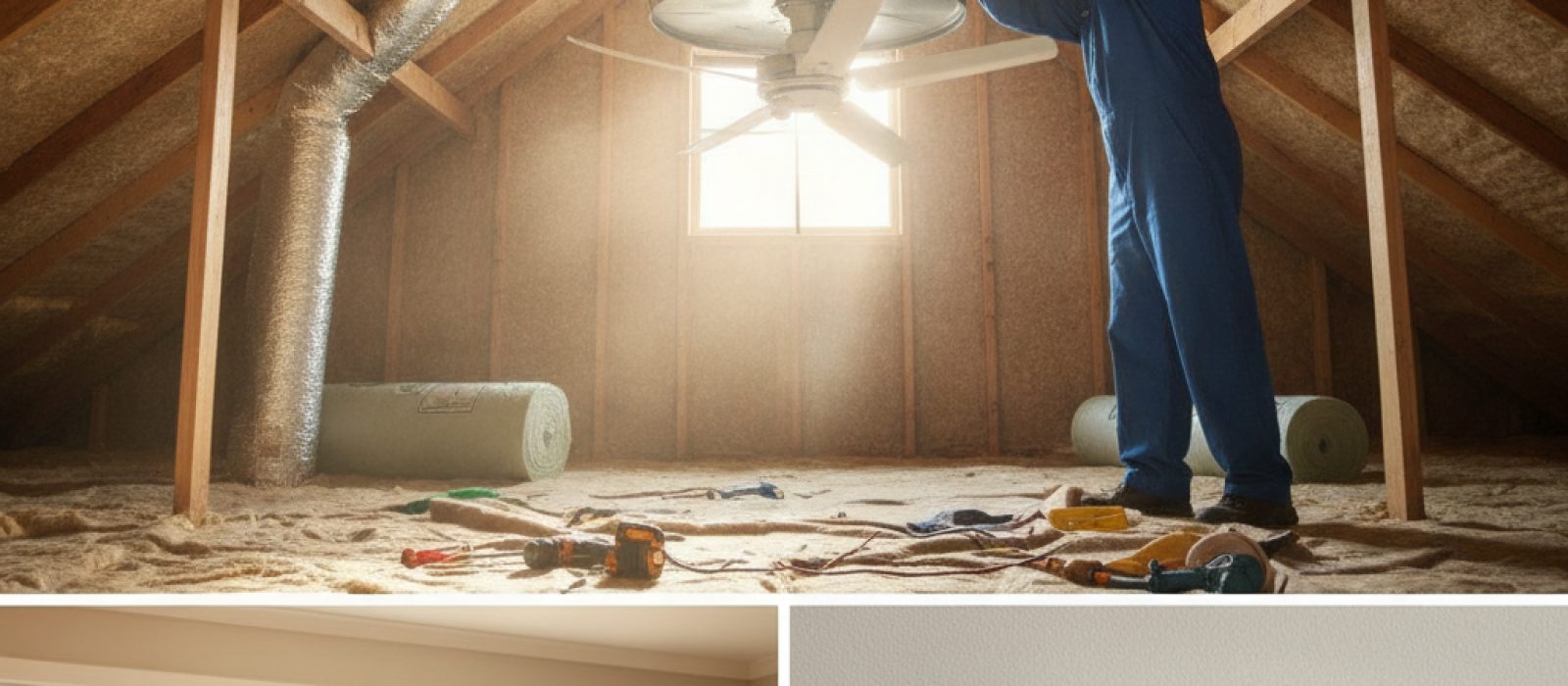
Learn how attic fans manage thermal buildup, the factors influencing installation costs, and the critical mistakes to avoid for a balanced home system.
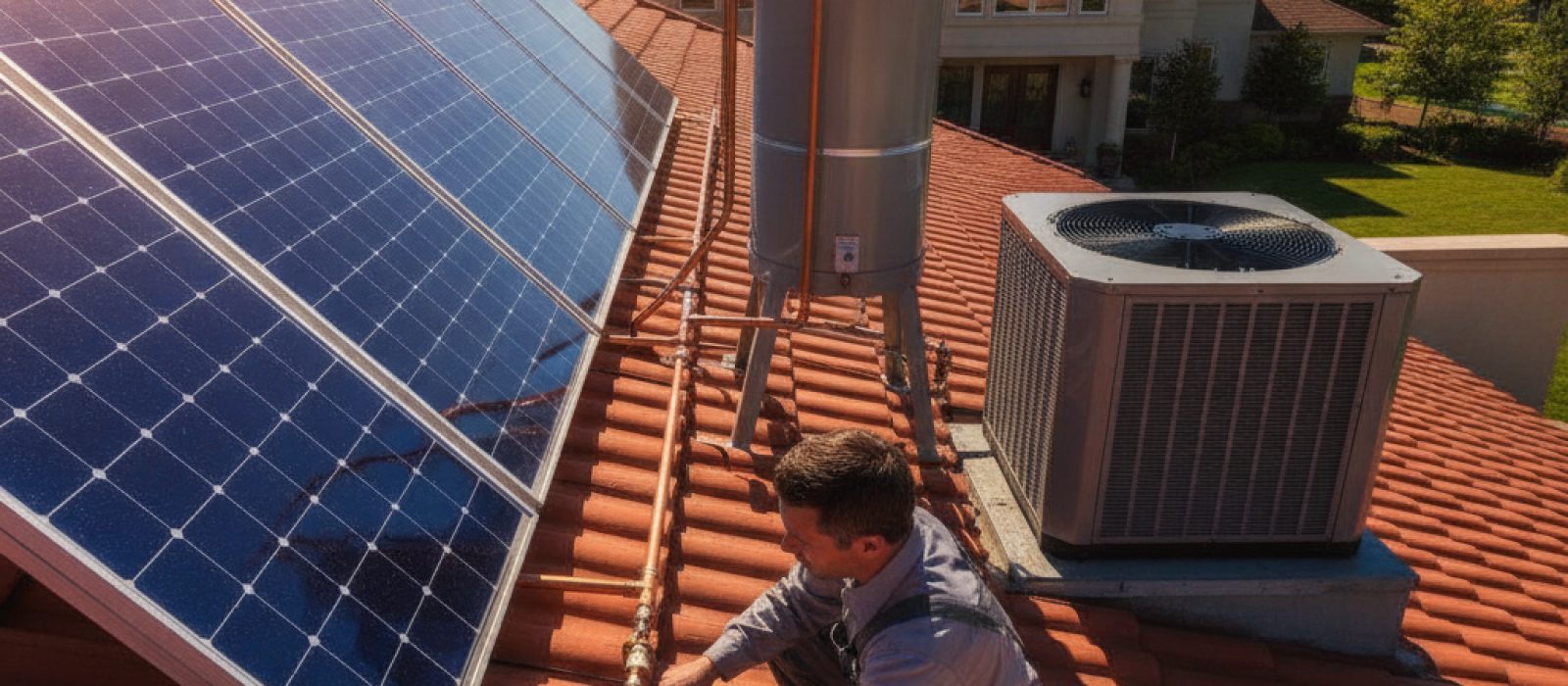
Understand the mechanics, efficiency benefits, and practical considerations of installing a solar-powered water heating system in your home.
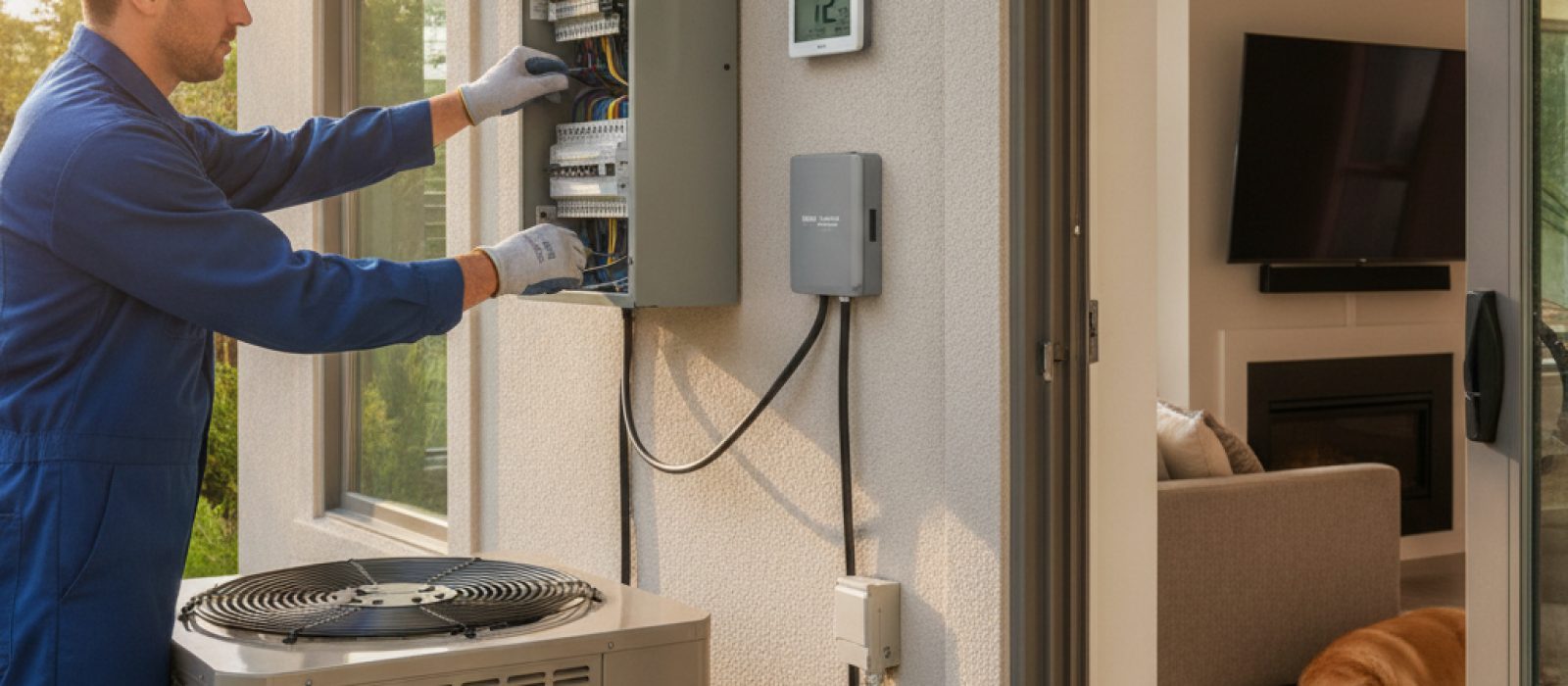
Learn how whole-house surge protectors safeguard sensitive HVAC equipment and home electronics from damaging power spikes and electrical surges.
Be the first to comment.