
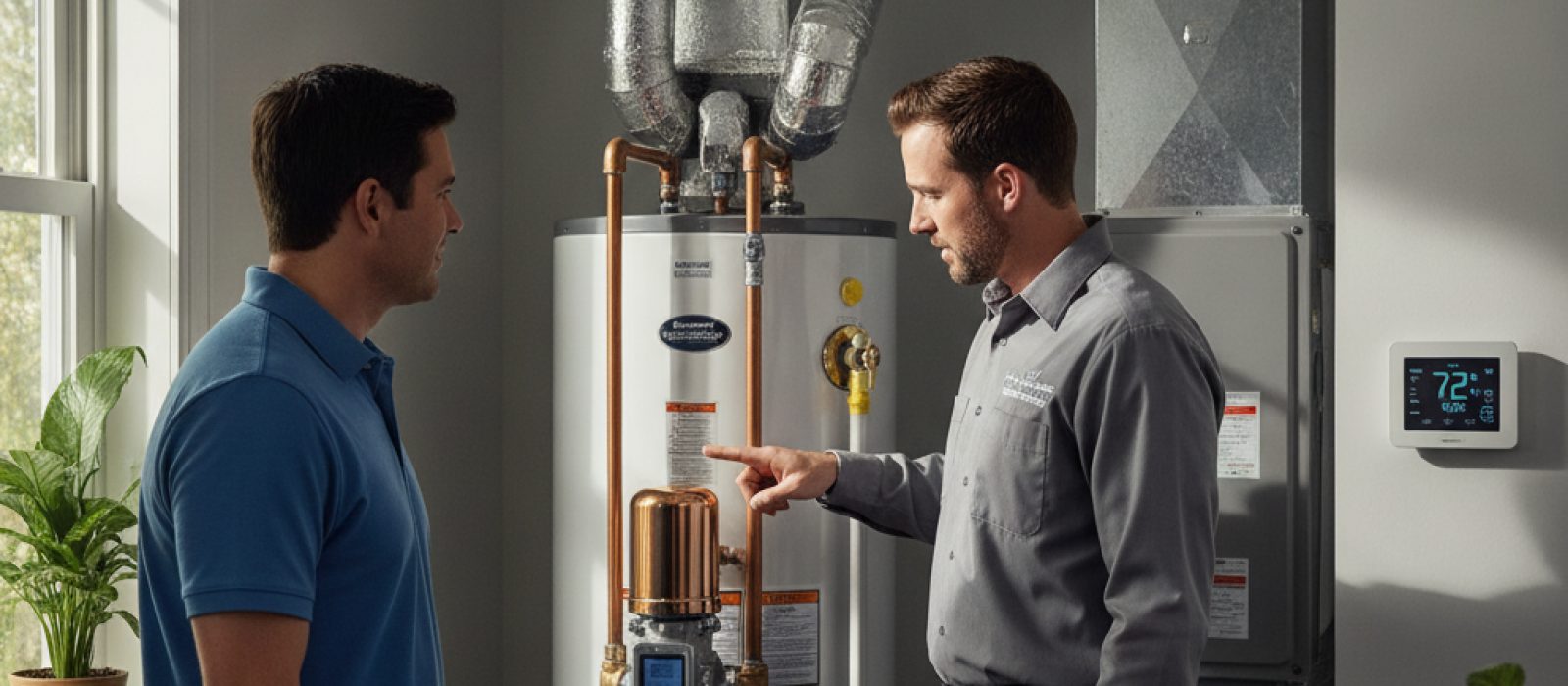
Hot Water Recirculating Pumps: How They Work and What They Cost
Learn how hot water recirculating pumps provide instant hot water, the different installation types, and the factors that influence overall project costs.
3 min read

Attic fans are designed to exhaust superheated air from the attic space, replacing it with cooler air drawn from outside. During summer, temperatures in an unventilated attic can reach extremes that radiate heat downward into the living space, forcing your cooling system to work significantly harder. By mechanically forcing this air out, the fan lowers the temperature of the attic environment, which can reduce the thermal load on your ceiling insulation.
The primary advantage of a properly installed attic fan is the regulation of attic temperatures. When an attic remains excessively hot, the heat can shorten the lifespan of roofing materials and potentially cause shingles to deteriorate prematurely. Reducing this heat also helps maintain the efficiency of your AC Services by preventing the home's cooling system from fighting against the heat radiating from above.
Beyond temperature regulation, attic fans play a role in moisture control. During cooler months or periods of high humidity, condensation can accumulate on roof decking and rafters. If left unchecked, this moisture leads to mold growth and wood rot. A well-ventilated attic promotes consistent airflow, preventing the buildup of damp air that causes structural damage.
The cost of installing an attic fan varies by system and region. Several variables dictate the total investment, including the type of fan chosen—such as gable-mounted, roof-mounted, or solar-powered units. The complexity of the installation often hinges on the accessibility of the attic and the existing electrical infrastructure.
Professional installation is highly recommended because it involves critical electrical connections. If your home lacks an existing junction box in the attic, the cost will include the labor for professional Electrical Services to run appropriate wiring. Additionally, modifying the roof to accommodate a roof-mounted unit or cutting into gable siding requires precision to ensure the area remains weather-tight.
The most frequent error in attic fan installation is failing to provide adequate intake ventilation. An attic fan cannot function if it does not have a consistent supply of air to pull from. If the soffit vents are blocked by insulation or debris, the fan will struggle to pull air, potentially creating negative pressure that pulls conditioned air from your living space into the attic.
Another common mistake is improper sizing. A fan that is too small for the attic's square footage will provide negligible benefits, while one that is excessively powerful can lead to inefficient energy usage and unnecessary noise. Ensuring the fan is calibrated to the specific cubic footage of your attic is vital for optimal performance.
Integrating an attic fan into your home’s existing ecosystem requires careful planning. If the fan is not properly sealed during installation, it can create air leaks that undermine your efforts to improve Indoor Air Quality. Furthermore, if you are planning major home efficiency upgrades, consider consulting with professionals who specialize in Energy Efficient Solutions to ensure the attic fan complements your existing insulation and HVAC strategy.
Improperly installed fans can also disrupt the balance of your home's air pressure. If your home is not adequately sealed, the negative pressure created by the fan might draw air from the crawlspace or wall cavities, which may inadvertently introduce dust, allergens, or humidity into your living environment. A licensed professional ensures that the fan is integrated into the home's overall ventilation plan rather than acting as an isolated device.
Once installed, attic fans require periodic inspections to remain effective. Over time, dust and debris can accumulate on the fan blades, which reduces airflow and can cause the motor to overheat. Checking the intake vents annually is also necessary to ensure that insulation or storage items have not blocked the airflow path. If the unit begins to make unusual noises or fails to activate during high temperatures, it is time to have a technician perform a routine inspection to prevent motor failure.
Learn how hot water recirculating pumps provide instant hot water, the different installation types, and the factors that influence overall project costs.
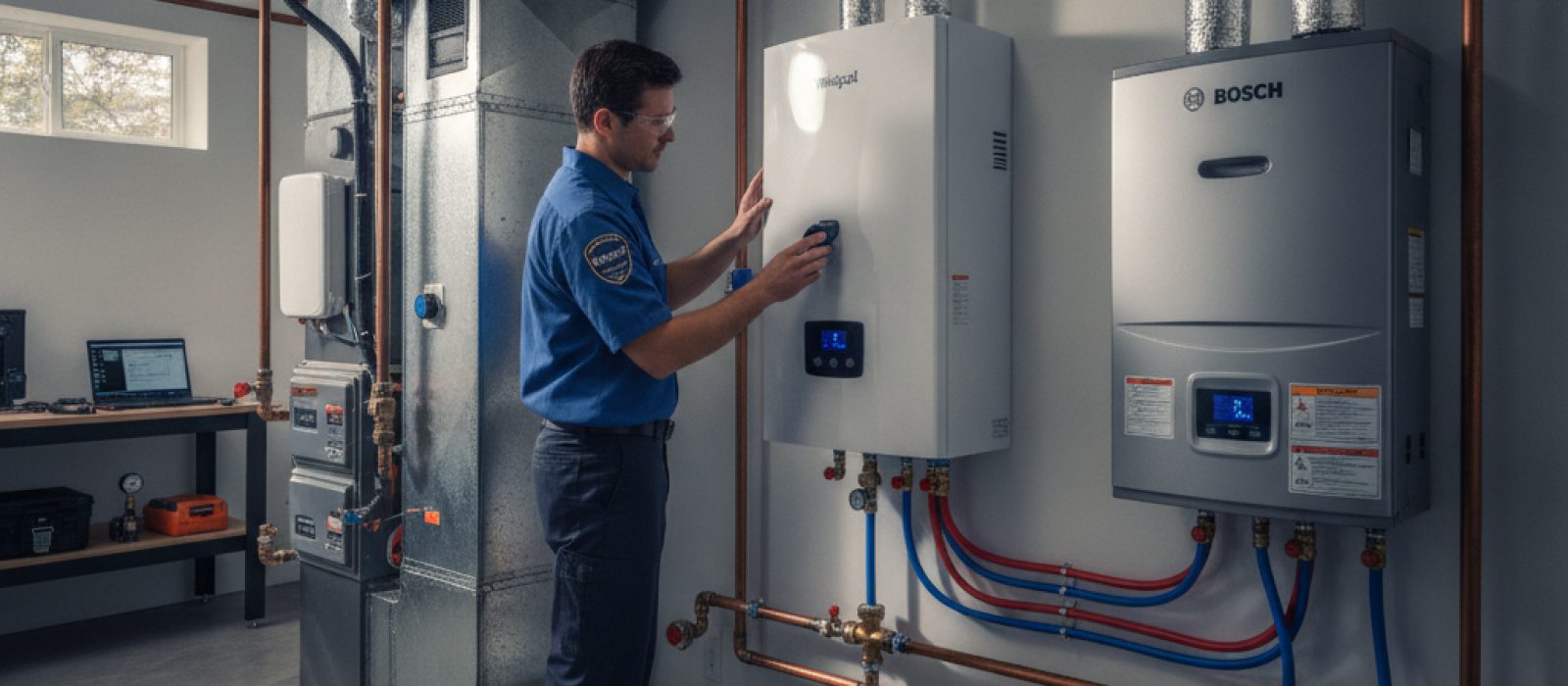
A practical guide to understanding the operational differences, maintenance needs, and common troubleshooting steps for Whirlpool and Bosch water heaters.
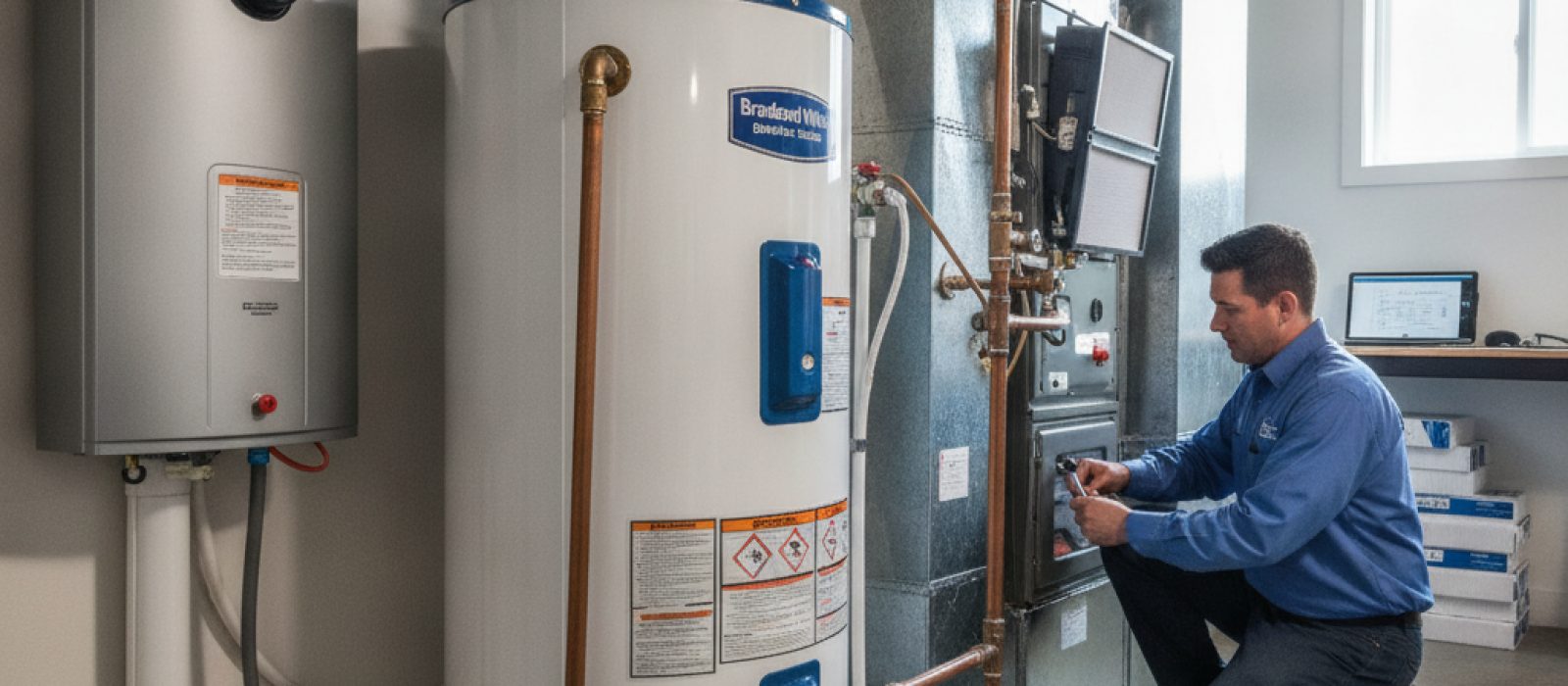
Learn how to choose between 40 and 75-gallon Bradford White water heaters and understand which model fits your home's hot water demands.
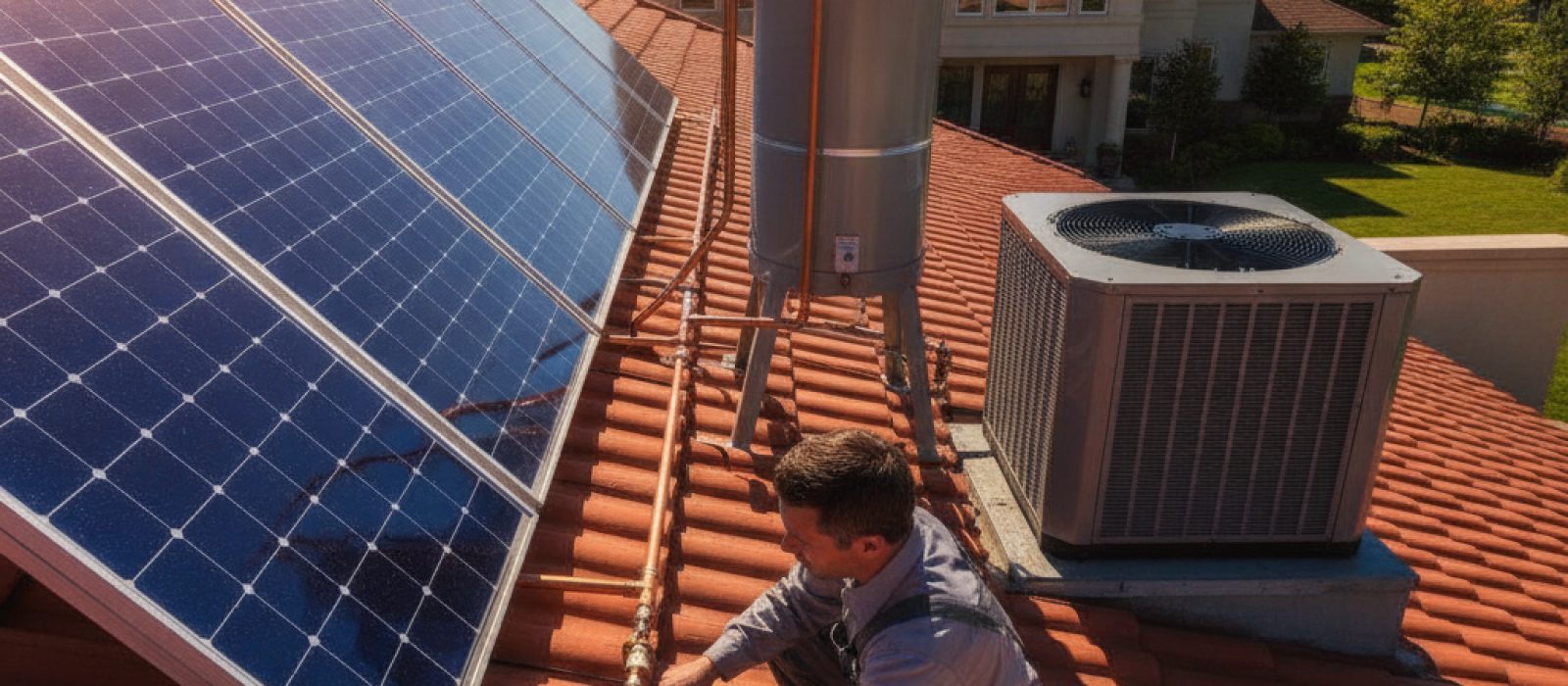
Understand the mechanics, efficiency benefits, and practical considerations of installing a solar-powered water heating system in your home.
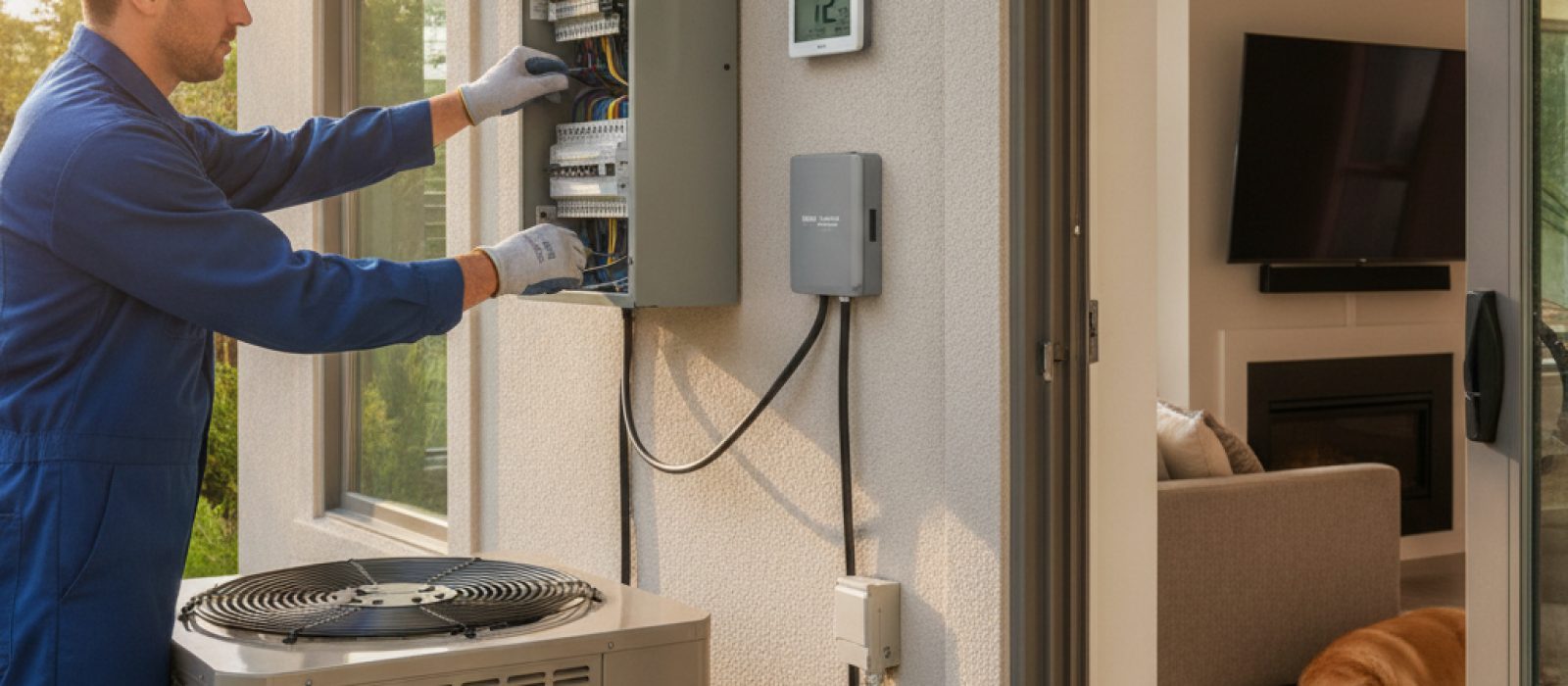
Learn how whole-house surge protectors safeguard sensitive HVAC equipment and home electronics from damaging power spikes and electrical surges.
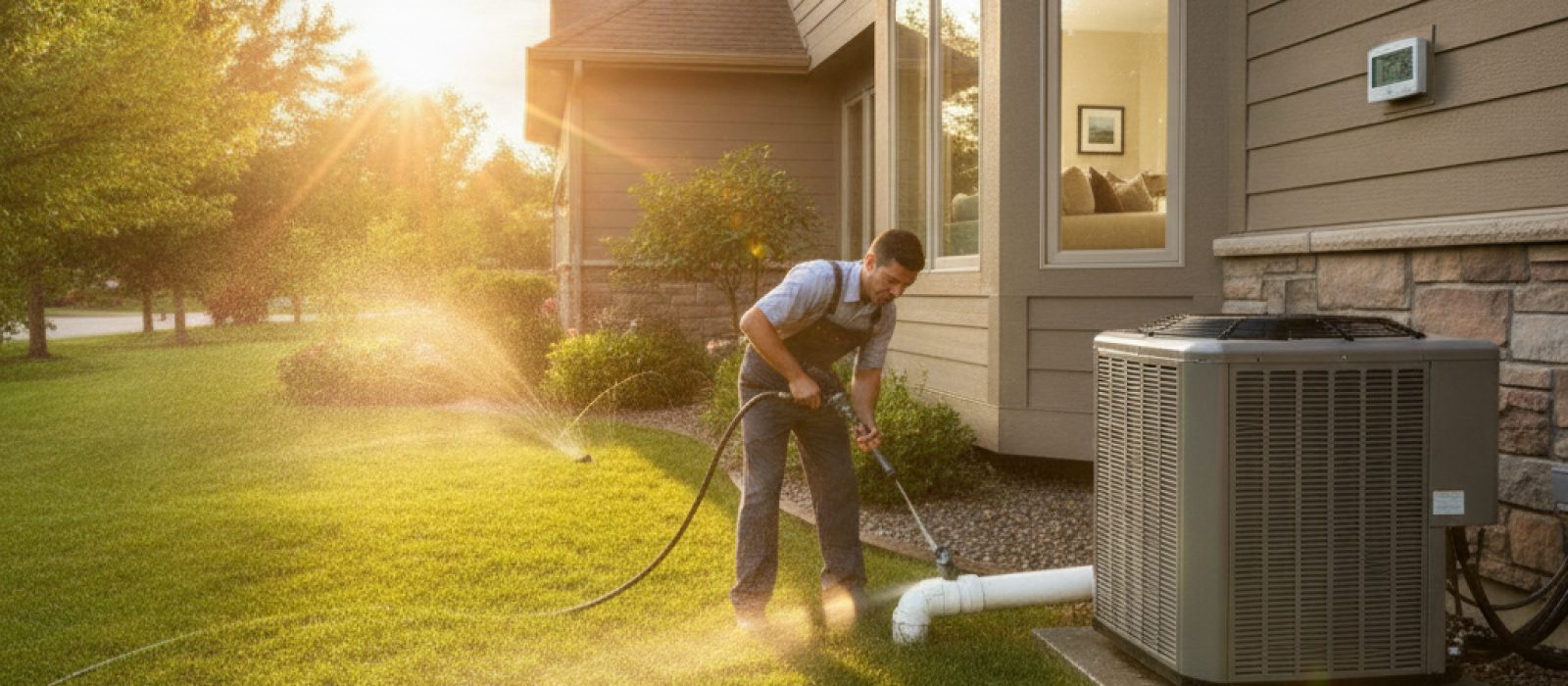
Learn how hydro jetting uses high-pressure water to clear stubborn plumbing blockages and when it is the right solution for your home's drainage issues.
Be the first to comment.