
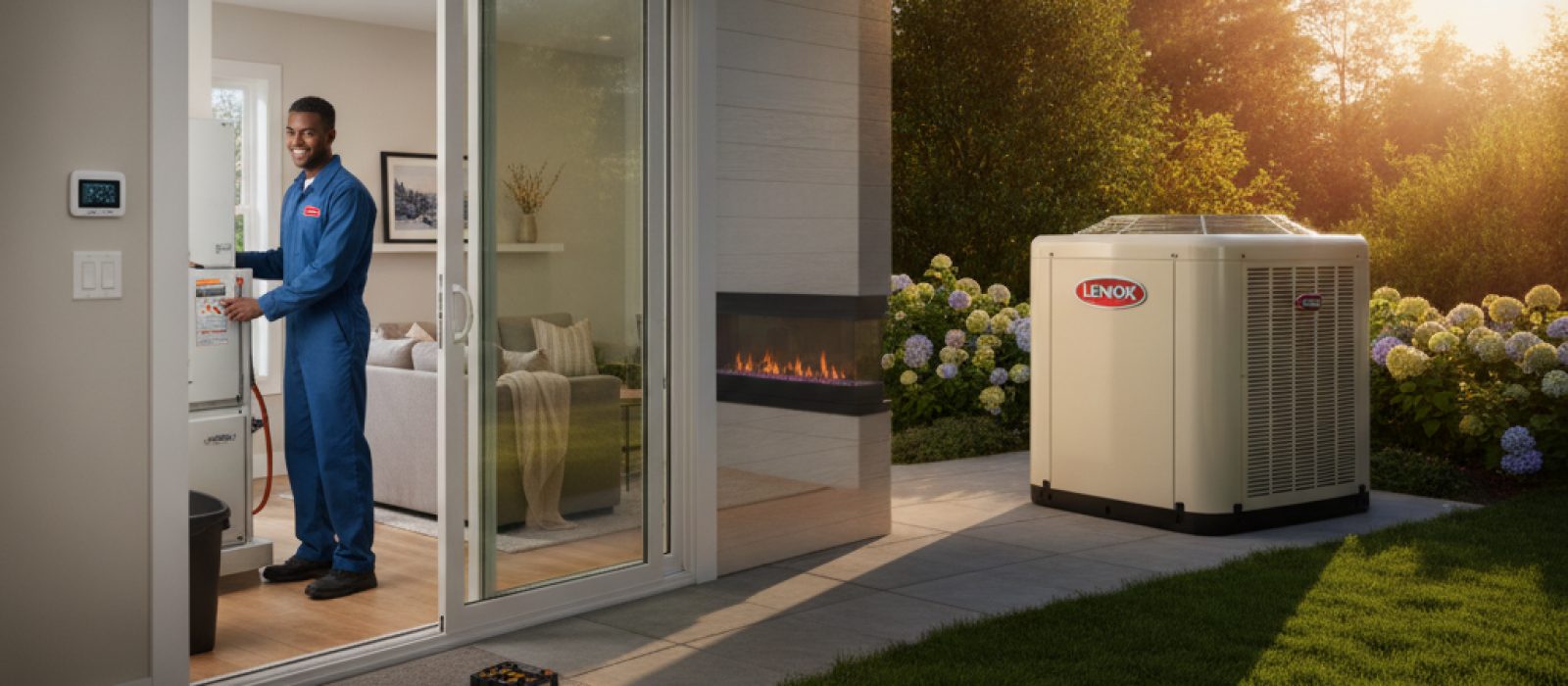
Lennox Furnaces and Heat Pumps: Repair Costs and Buying Guide
A practical guide for homeowners evaluating Lennox heating and cooling systems, covering repair expectations, maintenance needs, and replacement factors.
4 min read

The Carrier Infinity series represents the premium tier of the manufacturer's residential climate control offerings. At its core, the series focuses on variable-speed technology, which allows the system to adjust its output in small increments rather than simply cycling between full power and off. This modulation is the primary driver behind the consistent temperatures and high energy efficiency associated with these units.
When considering a heat pump from this line, the system is designed to act as both a heating and cooling source. During the summer, it functions similarly to a standard air conditioner, moving heat from inside the home to the outdoors. In the winter, the cycle reverses, extracting available heat from the outside air and transferring it indoors. This dual functionality necessitates professional installation to ensure the refrigerant pressures and electrical connections are calibrated for both operating modes.
The defining feature of the Infinity series is the use of inverter-driven compressors. In traditional single-stage systems, the unit runs at 100 percent capacity until the thermostat setpoint is reached, then shuts off abruptly. This leads to temperature swings and higher humidity levels because the system does not run long enough to effectively dehumidify the air.
Variable-speed systems can operate at lower capacities for longer durations. By running at 30 or 40 percent capacity, the system maintains a steady state, which keeps the air moving through the filters and over the evaporator coil. This continuous, low-level operation is often more effective at managing indoor air quality than intermittent high-speed operation. Homeowners seeking consistent comfort often find this level of control beneficial for maintaining stable humidity levels throughout the home.
Beyond central heat pump configurations, the Infinity series includes ductless mini-split options. These systems are ideal for homes without existing ductwork, such as historic properties, room additions, or spaces where adding ducts would be structurally impractical. A mini-split system consists of an outdoor compressor connected to one or more indoor air-handling units via small refrigerant lines.
Because these systems do not rely on a central blower, they eliminate the energy losses associated with leaky or poorly insulated ductwork. For those looking to improve efficiency in specific zones, mini-splits allow for independent temperature control in different rooms. This zoning capability prevents the need to heat or cool unoccupied areas, which can lead to significant energy savings over time.
High-end systems require consistent attention to maintain their efficiency ratings. Homeowners should prioritize regular filter changes, as restricted airflow can cause the variable-speed motor to work harder, potentially shortening its lifespan. While basic filter maintenance is a standard homeowner task, the complex electronics and refrigerant systems require specialized knowledge.
Scheduling a professional Maintenance & Tune-up is recommended at least once before the heating season and once before the cooling season. During these visits, a technician checks the refrigerant charge, cleans the coils, and inspects the electrical connections for signs of wear. If you notice a decline in performance, it is advisable to consult with experts in Heating Services to diagnose potential issues before they escalate into major mechanical failures.
The Infinity series is designed to communicate with proprietary smart thermostats. These controllers are the "brain" of the system, managing the inverter speed and monitoring sensors throughout the home. Unlike standard thermostats, these devices provide feedback on system health and energy usage patterns.
Using these advanced controls allows the system to prioritize either comfort or energy savings depending on the user's preference. Proper configuration of these settings is essential for achieving the efficiency levels advertised for the equipment. If the system is not communicating correctly with the indoor air handler or the outdoor compressor, it may default to a less efficient operating mode.
Installation complexity is higher for variable-speed heat pumps than for conventional systems. The technician must ensure that the electrical supply is compatible with the inverter drive and that the refrigerant piping is sized correctly to prevent oil return issues. In some cases, existing wiring may need to be upgraded by a professional to handle the specific requirements of the high-efficiency control boards.
Furthermore, because these systems are often paired with advanced filtration, homeowners should discuss their specific needs with professionals who specialize in Energy Efficient Solutions. A well-integrated system that includes high-quality filtration and proper ventilation can significantly impact the overall health of the home environment. When planning a replacement, it is also a prudent time to have a professional evaluate the existing Ductwork Services to ensure that the new equipment will not be restricted by undersized or damaged ducts.
While homeowners can safely manage tasks like cleaning outdoor debris away from the unit and replacing air filters, any issue involving the electrical cabinet, the refrigerant cycle, or the control board must be handled by a licensed professional. Attempting to troubleshoot these components without proper training can result in damage to the inverter drive or safety risks due to high-voltage electrical components.
If the system displays an error code on the thermostat, document the code and provide it to the service provider. This information helps the technician arrive prepared with the correct diagnostic tools. For urgent issues, such as a total loss of heat or cooling, contact a provider of Emergency HVAC services to ensure the problem is addressed before it leads to frozen pipes or other property damage.
A practical guide for homeowners evaluating Lennox heating and cooling systems, covering repair expectations, maintenance needs, and replacement factors.
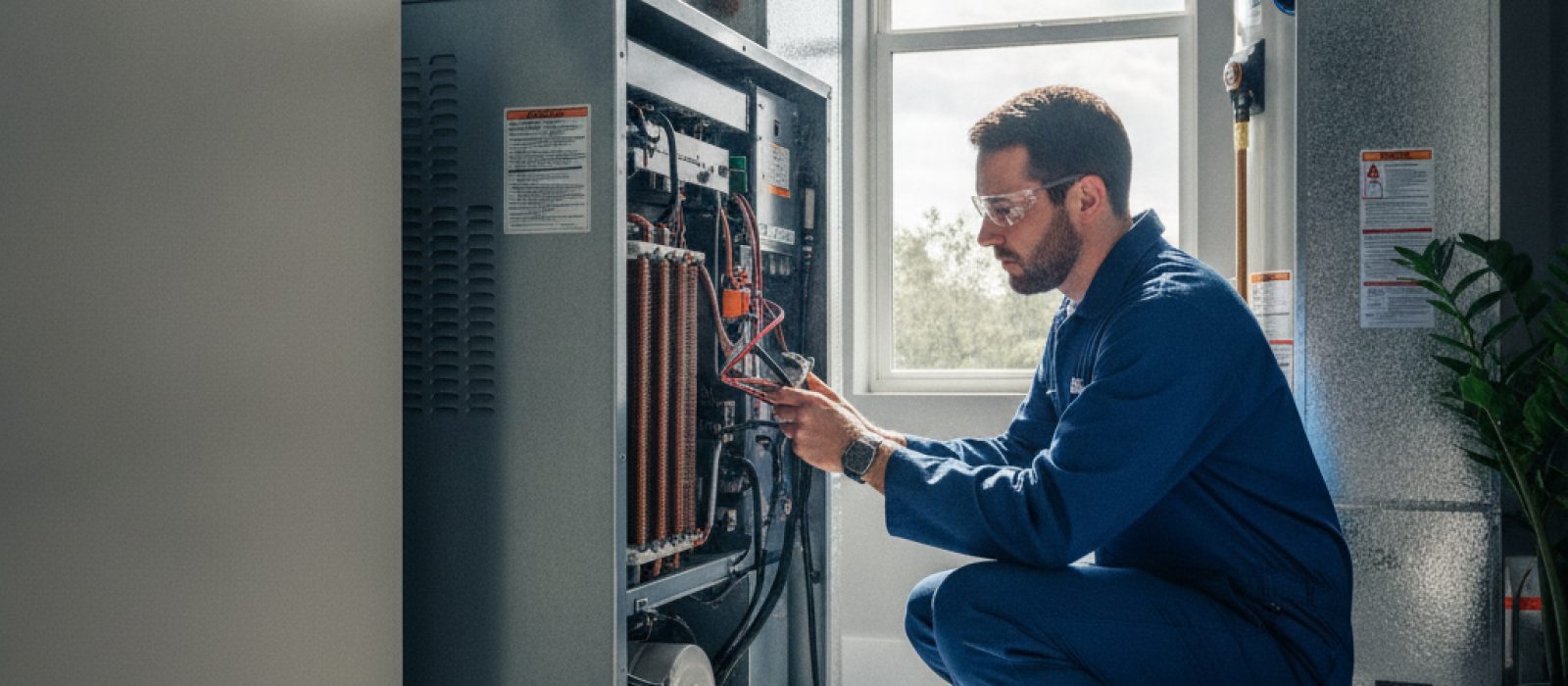
Learn how the air handler functions as the heart of your HVAC system, circulating air and regulating temperature throughout your home.
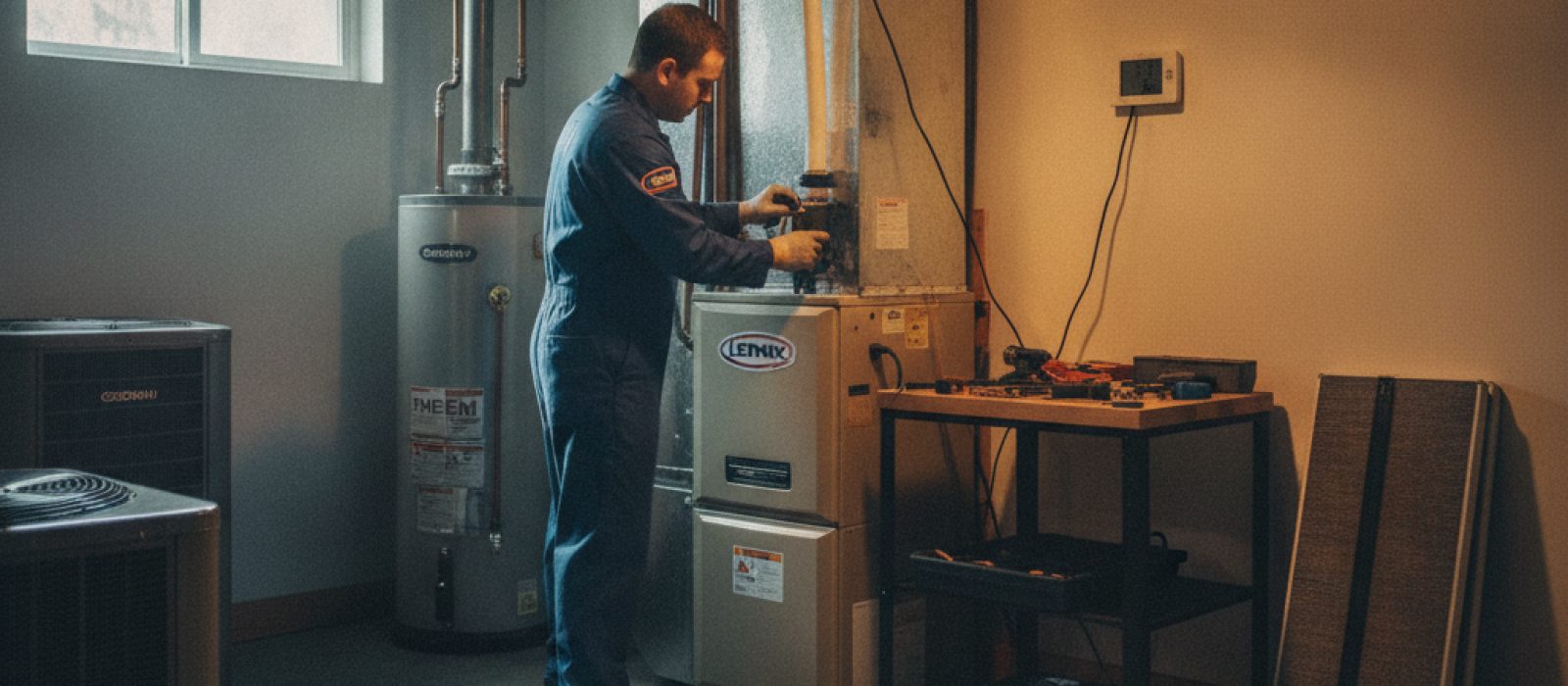
Learn how specific furnace brands influence repair frequency, component availability, and the diagnostic process for your home heating system.
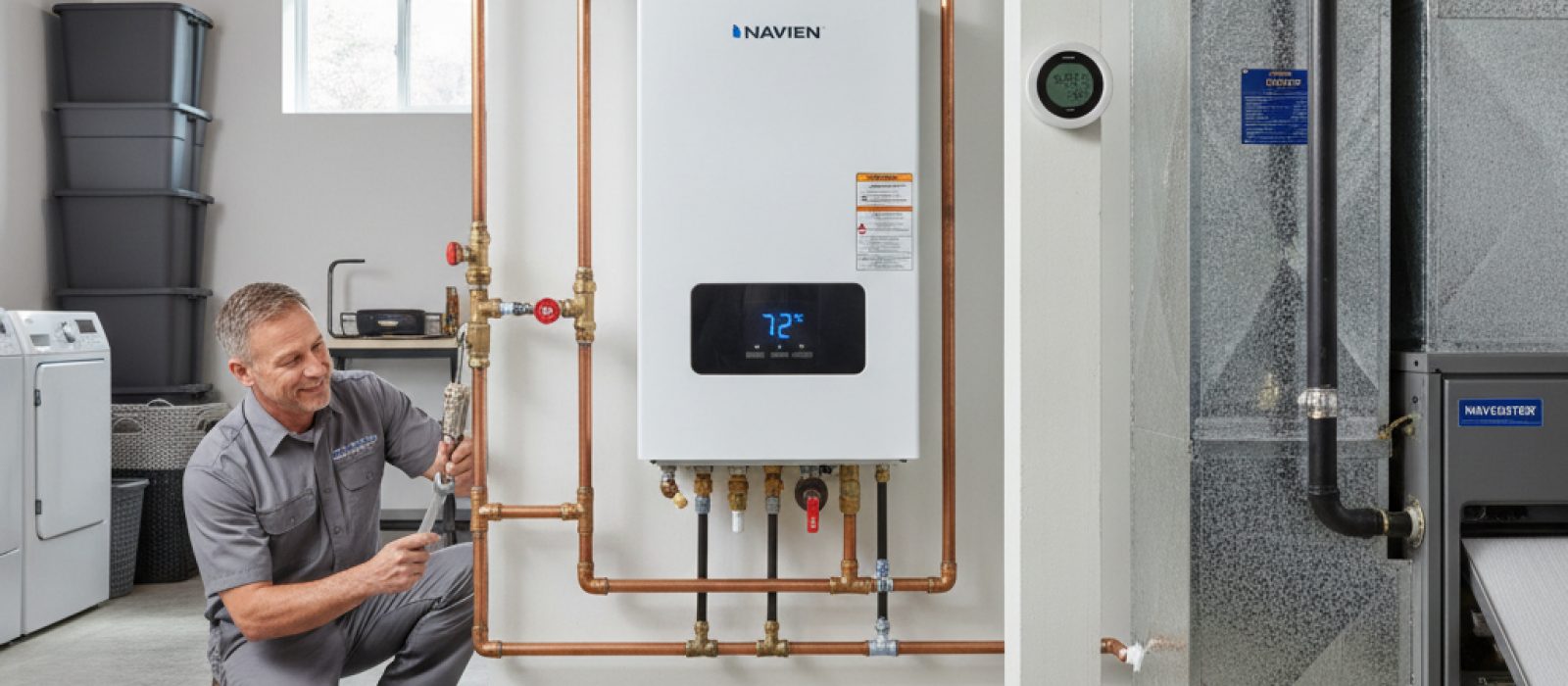
Evaluate the performance, efficiency, and installation requirements of Navien boilers for your residential heating system.
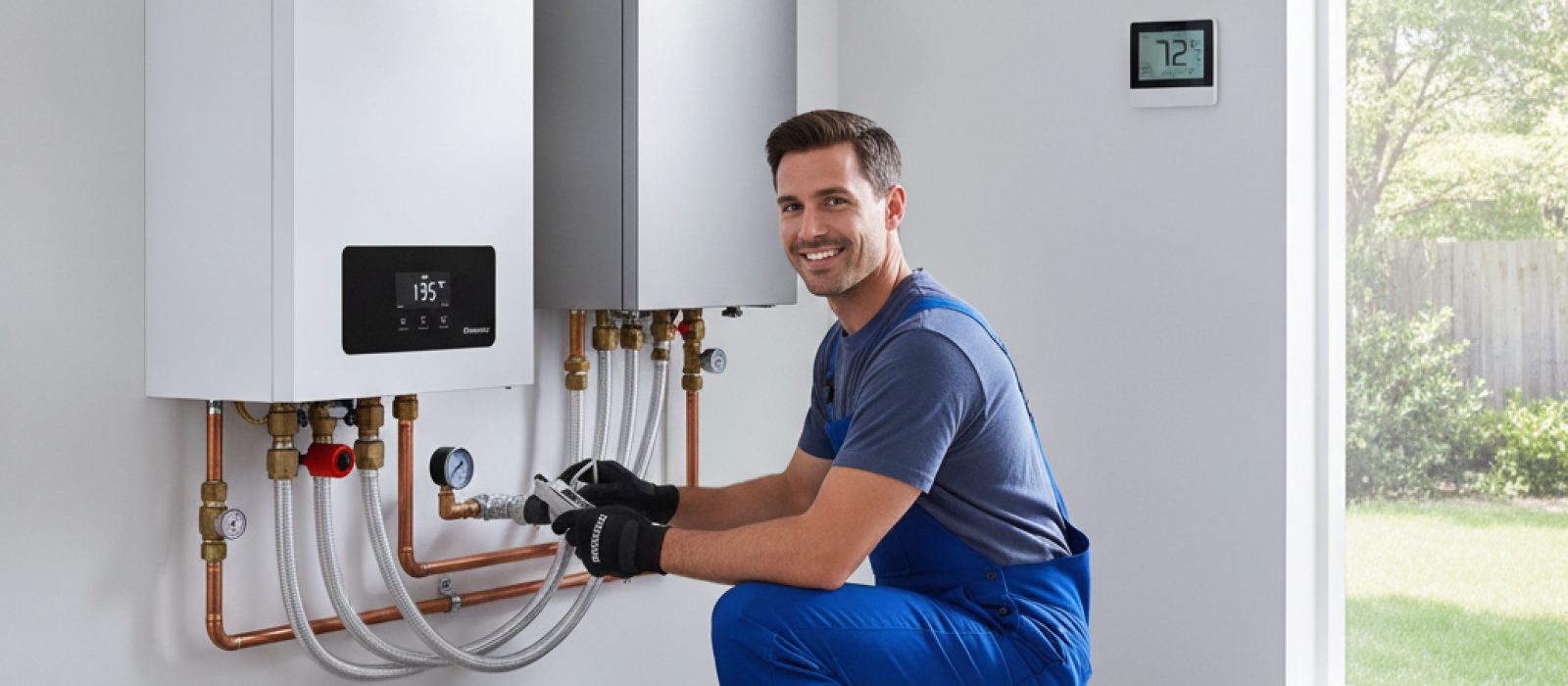
Learn how Rinnai combi boilers provide dual-function heating and hot water, helping you decide if this high-efficiency technology fits your home.
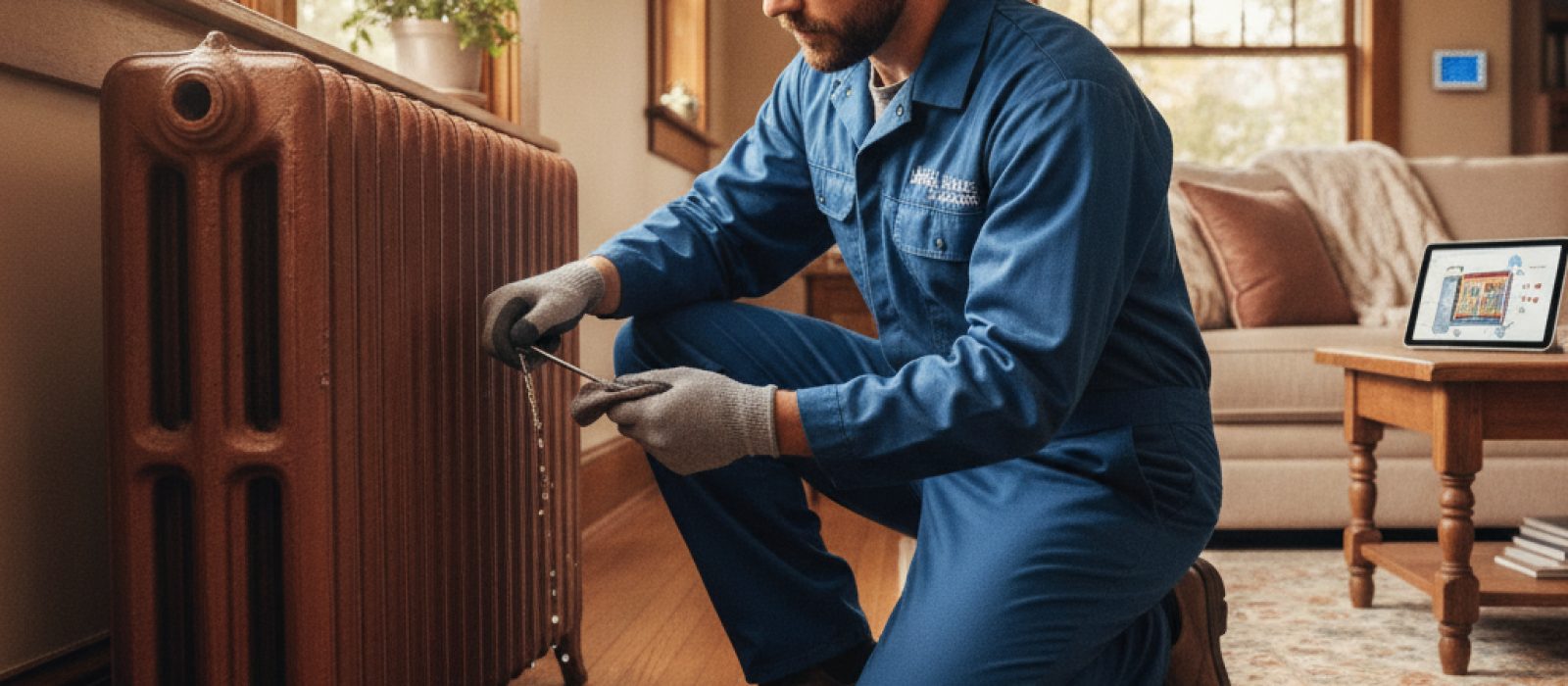
Learn how to maintain, bleed, and improve the efficiency of your home's radiator heating system to ensure comfort throughout the colder months.
Be the first to comment.