
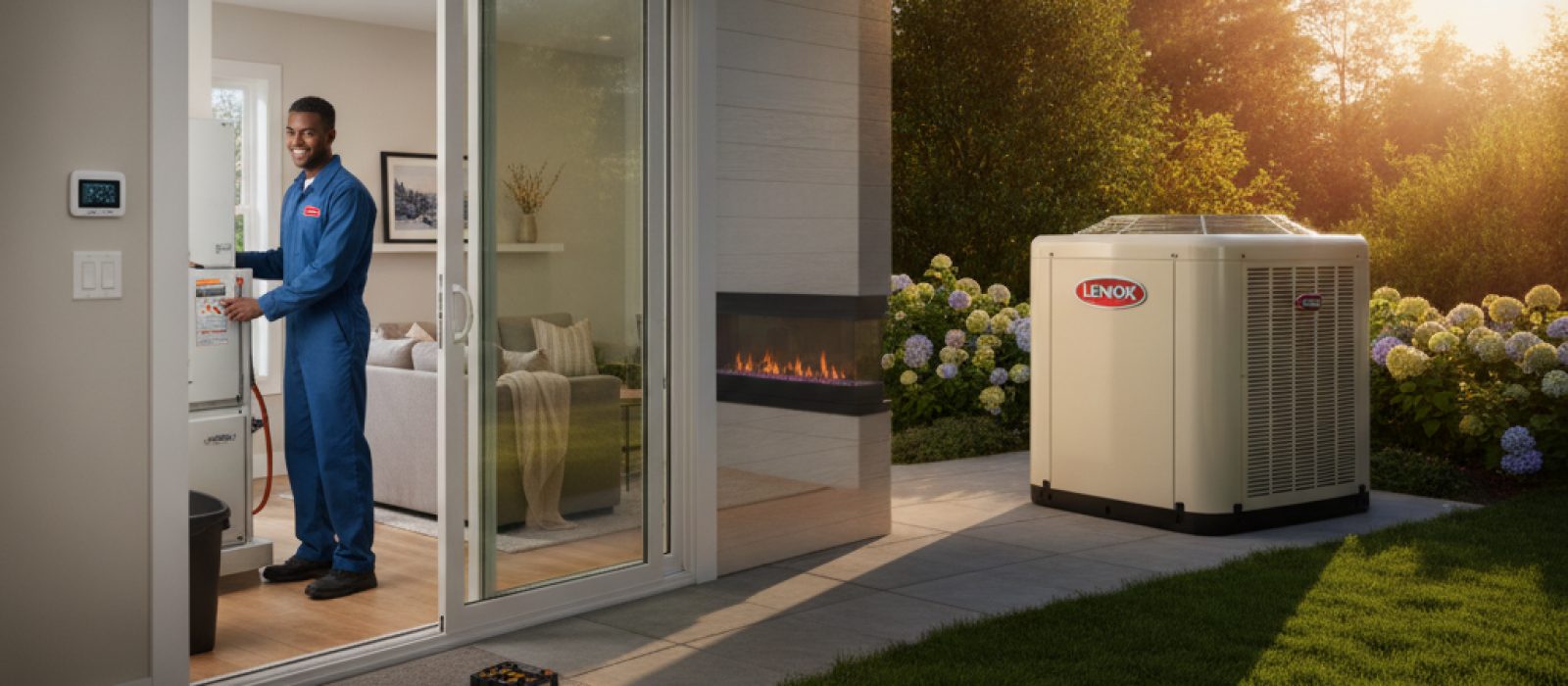
Lennox Furnaces and Heat Pumps: Repair Costs and Buying Guide
A practical guide for homeowners evaluating Lennox heating and cooling systems, covering repair expectations, maintenance needs, and replacement factors.
4 min read

When a furnace fails, the manufacturer often dictates the path to restoration. While the fundamental operation of gas-fired furnaces remains consistent across the industry, proprietary components, control boards, and heat exchanger designs vary significantly between major manufacturers. Understanding these differences helps homeowners set realistic expectations for repair timelines and part availability.
Lennox systems often utilize high-precision, proprietary components. This design philosophy favors efficiency but can occasionally lead to longer lead times for specific replacement parts, as these items are typically restricted to authorized distribution channels. Repairs on these units often require specialized diagnostic tools to interface with the system's sophisticated control boards.
Goodman furnaces are frequently recognized for their modular design and widespread parts compatibility. Because these systems are designed for broader distribution, replacement parts are often readily available through most HVAC supply houses. This accessibility can potentially reduce the duration of a service visit, provided the issue is not related to a rare, discontinued component.
Rheem units often feature a focus on ease of maintenance, with many cabinet designs allowing for straightforward access to the blower assembly and ignition system. Repair challenges on these units generally center on the integration of smart-grid technology and complex safety sensors that require precise calibration during installation or replacement.
Trane furnaces are built around robust, heavy-duty heat exchangers and proprietary blower motor configurations. The durability of these components is a hallmark of the brand, but when failures do occur, the weight and specific mounting requirements of the parts may necessitate a two-person team for safe installation. These systems often require a deep understanding of their specific airflow requirements to ensure the furnace performs within factory specifications after the repair.
Bryant, often sharing engineering lineages with other major manufacturers, utilizes a wide network of standard parts. Repairs on these units are typically streamlined because the internal components are familiar to most licensed technicians. The diagnostic process is usually straightforward, relying on standard error codes that align with common industry training.
Regardless of the brand, the most common furnace failures stem from neglected maintenance rather than inherent manufacturing defects. Regular Maintenance & Tune-up visits are essential for identifying worn-out capacitors, dirty flame sensors, or obstructed condensate drains before they trigger a total system shutdown.
A flame sensor, for instance, is a universal component that requires periodic cleaning. If this sensor becomes coated in carbon buildup, the furnace will cycle on and off repeatedly, a symptom that can be misdiagnosed as a faulty control board. A technician can clean this component in minutes during a routine service call, preventing the need for more invasive Furnace Services later in the season.
Homeowners can safely perform basic tasks such as replacing air filters or clearing the area around the furnace to ensure proper airflow. However, any issue involving the gas supply, electrical wiring, or the heat exchanger must be addressed by a licensed professional. Attempting to bypass safety switches or modify gas valves without proper certification creates significant fire and carbon monoxide risks.
If you experience a total loss of heat during extreme temperatures, utilize Emergency HVAC services to ensure a prompt assessment. Attempting to repair a malfunctioning furnace during an emergency often leads to hasty decisions or the use of improper parts, which can void manufacturer warranties or result in permanent damage to the unit.
Deciding between a repair and a full system replacement depends on the age of the equipment and the nature of the failure. If a furnace is nearing the end of its projected lifespan and requires a major component like a heat exchanger or an inducer motor, the cost of the repair may approach a significant percentage of the cost of a new, more efficient unit. In such cases, Energy Efficient Solutions should be considered to lower long-term utility costs.
A technician will evaluate the overall health of the system by measuring combustion efficiency and checking for structural integrity within the heat exchanger. If the system is frequently breaking down, the accumulated cost of individual repairs often outweighs the investment in a modern, reliable system that offers quieter operation and improved indoor comfort.
While component design varies, the diagnostic steps remain largely universal. A professional will always start by verifying the power supply, checking the thermostat signal, and then analyzing the sequence of operation. Whether working on a Lennox, Trane, or Rheem, the technician is looking for a specific break in the chain of events—ignition, flame verification, or blower activation.
If the furnace fails at the ignition stage, the technician examines the hot surface igniter or pilot assembly. If the furnace fires but shuts down immediately, the issue is likely a safety switch, such as a high-limit switch or pressure switch. By following this systematic approach, professionals can isolate the failure regardless of the brand name on the cabinet.
A practical guide for homeowners evaluating Lennox heating and cooling systems, covering repair expectations, maintenance needs, and replacement factors.
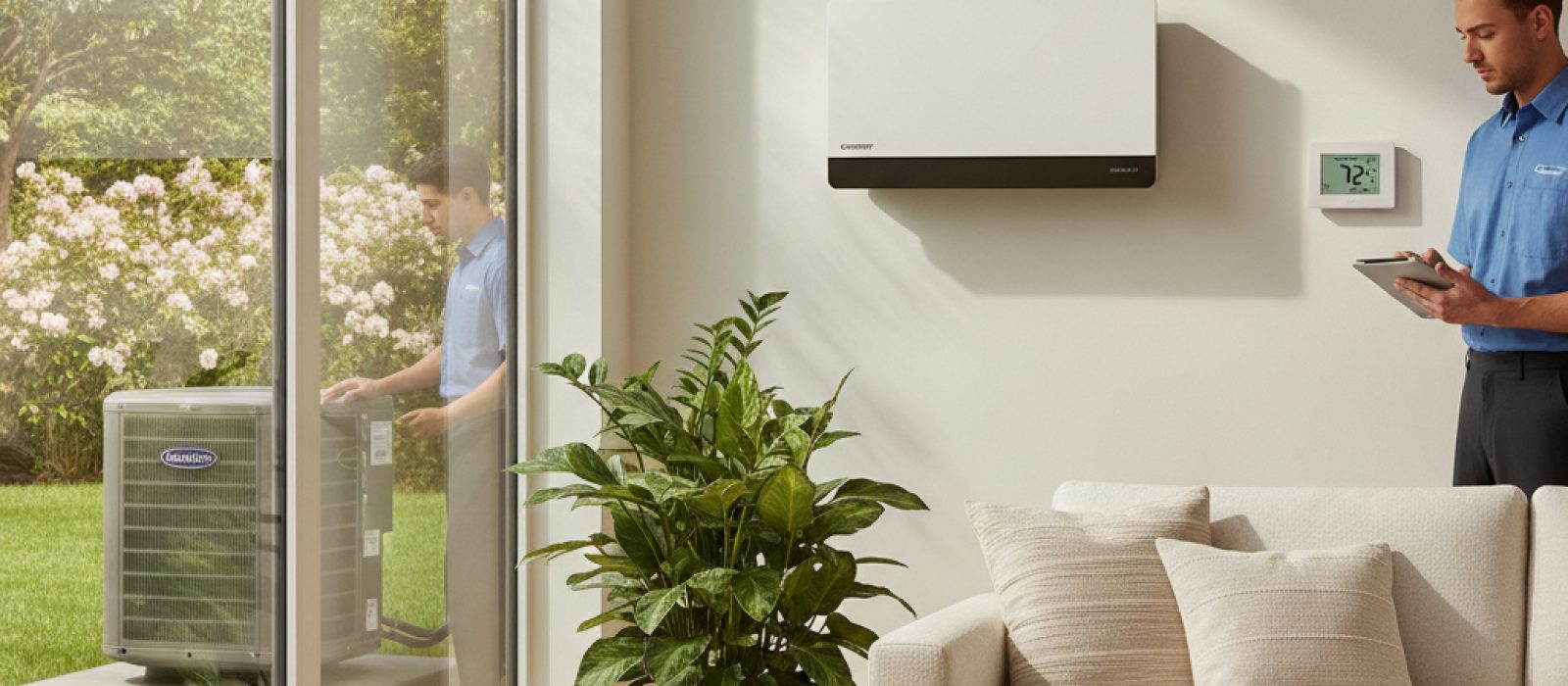
Learn how the Carrier Infinity series heat pumps and ductless systems balance high-efficiency heating with advanced climate control features.
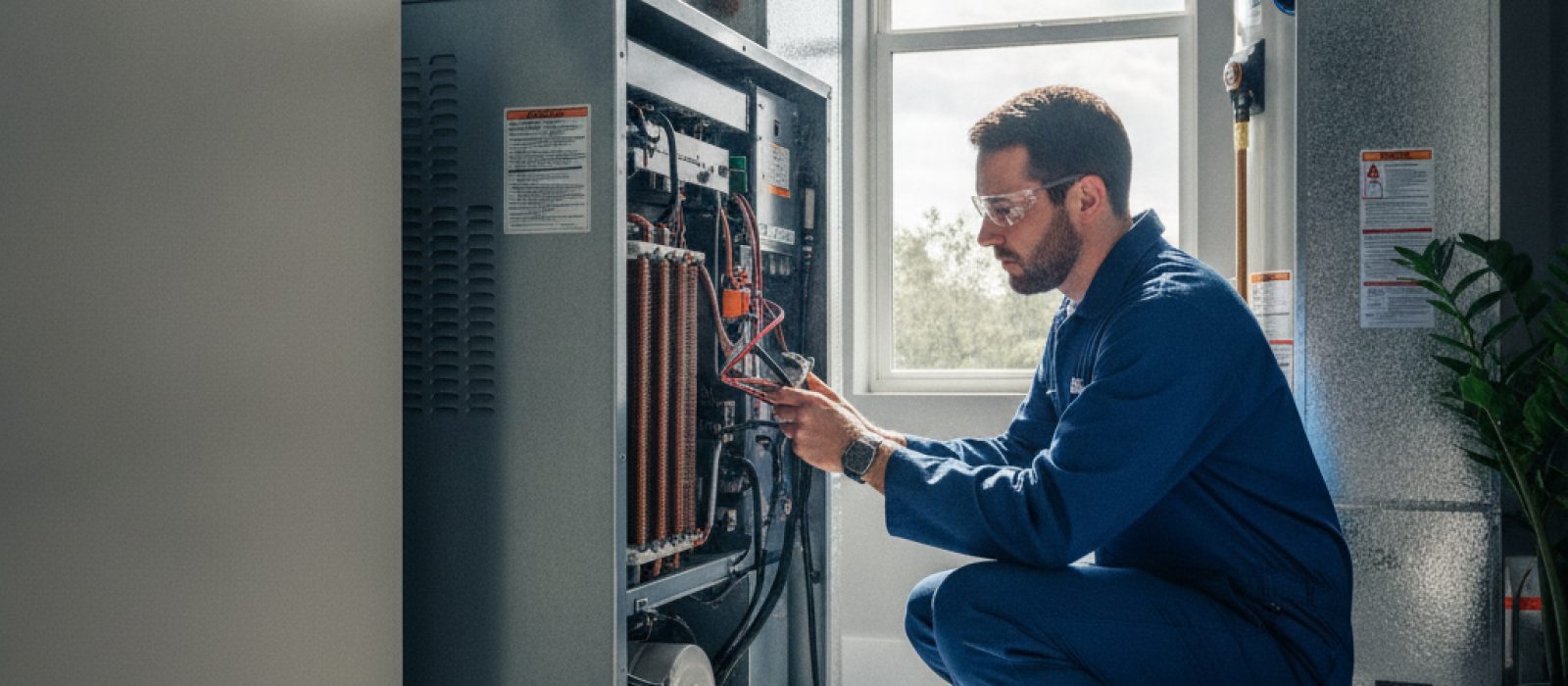
Learn how the air handler functions as the heart of your HVAC system, circulating air and regulating temperature throughout your home.
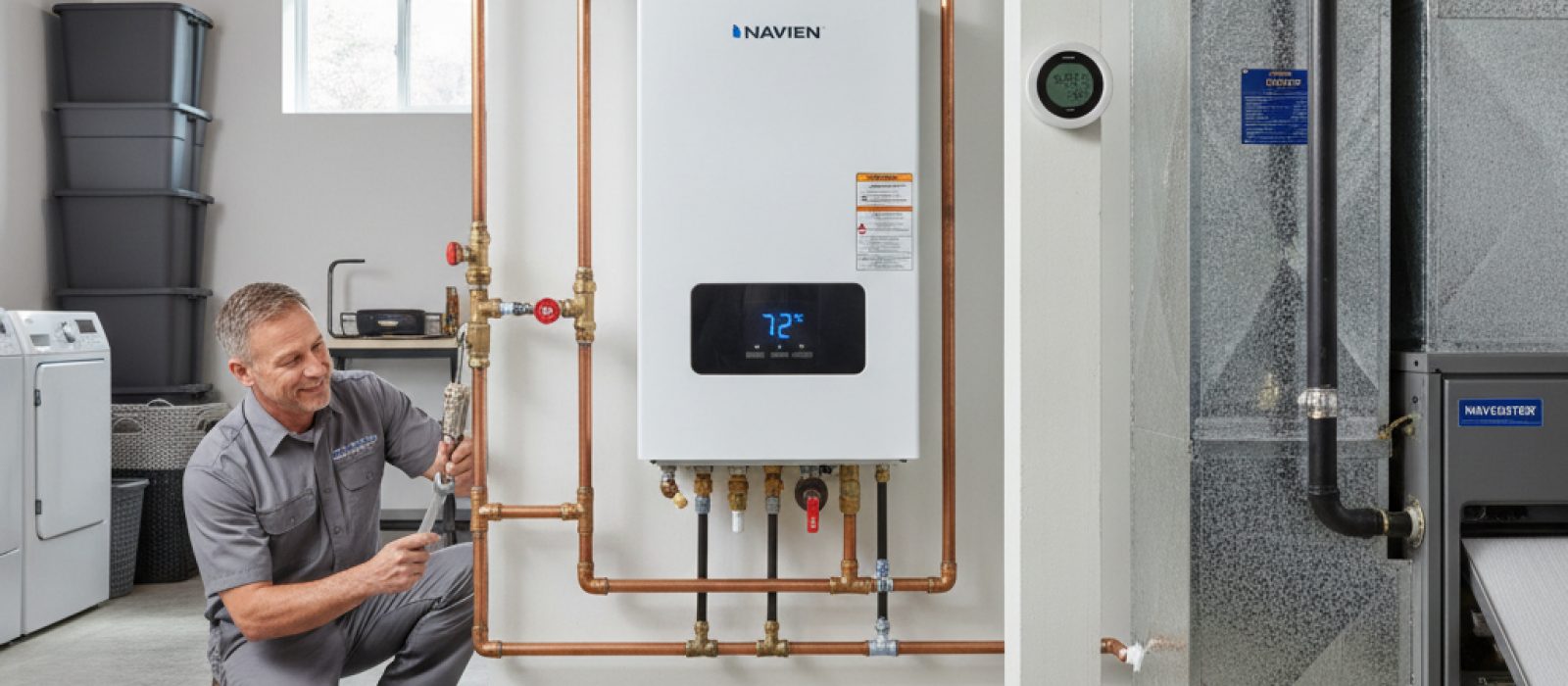
Evaluate the performance, efficiency, and installation requirements of Navien boilers for your residential heating system.
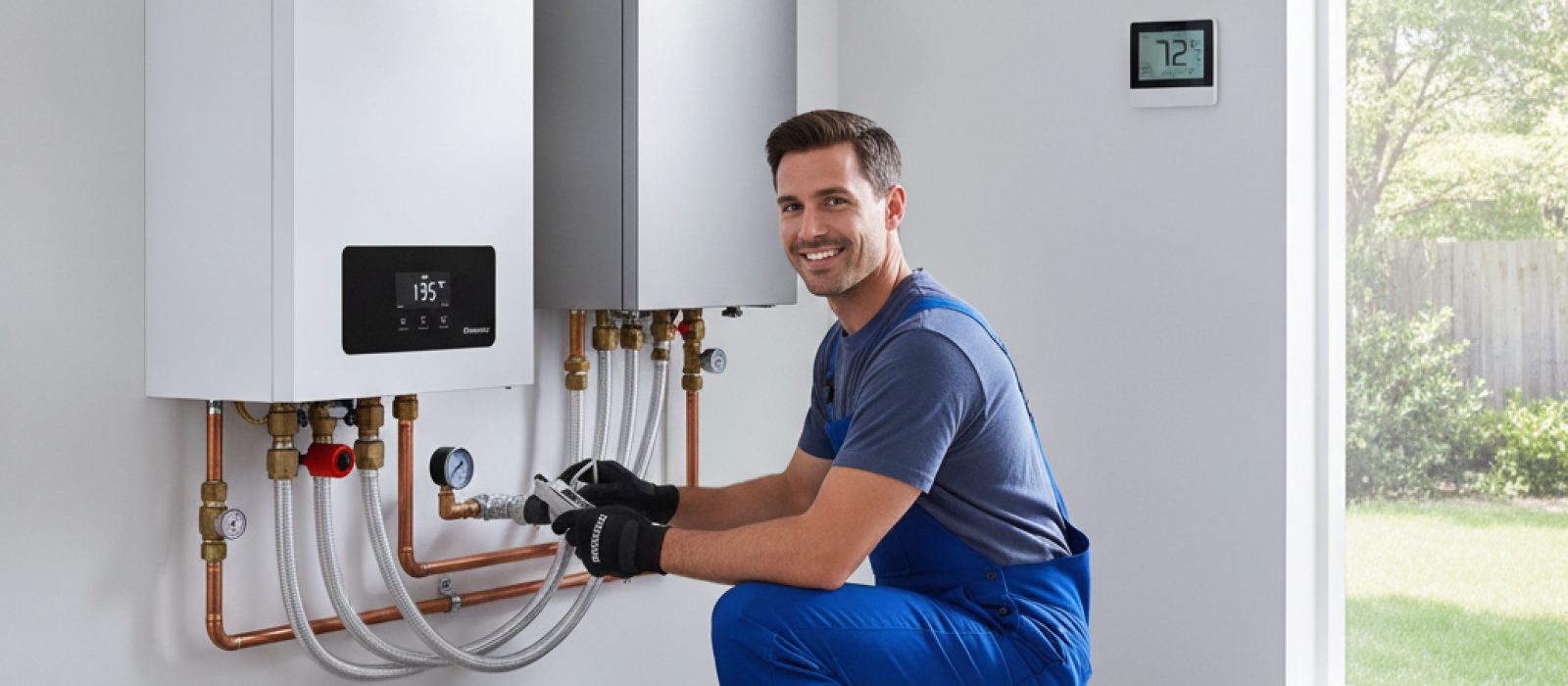
Learn how Rinnai combi boilers provide dual-function heating and hot water, helping you decide if this high-efficiency technology fits your home.
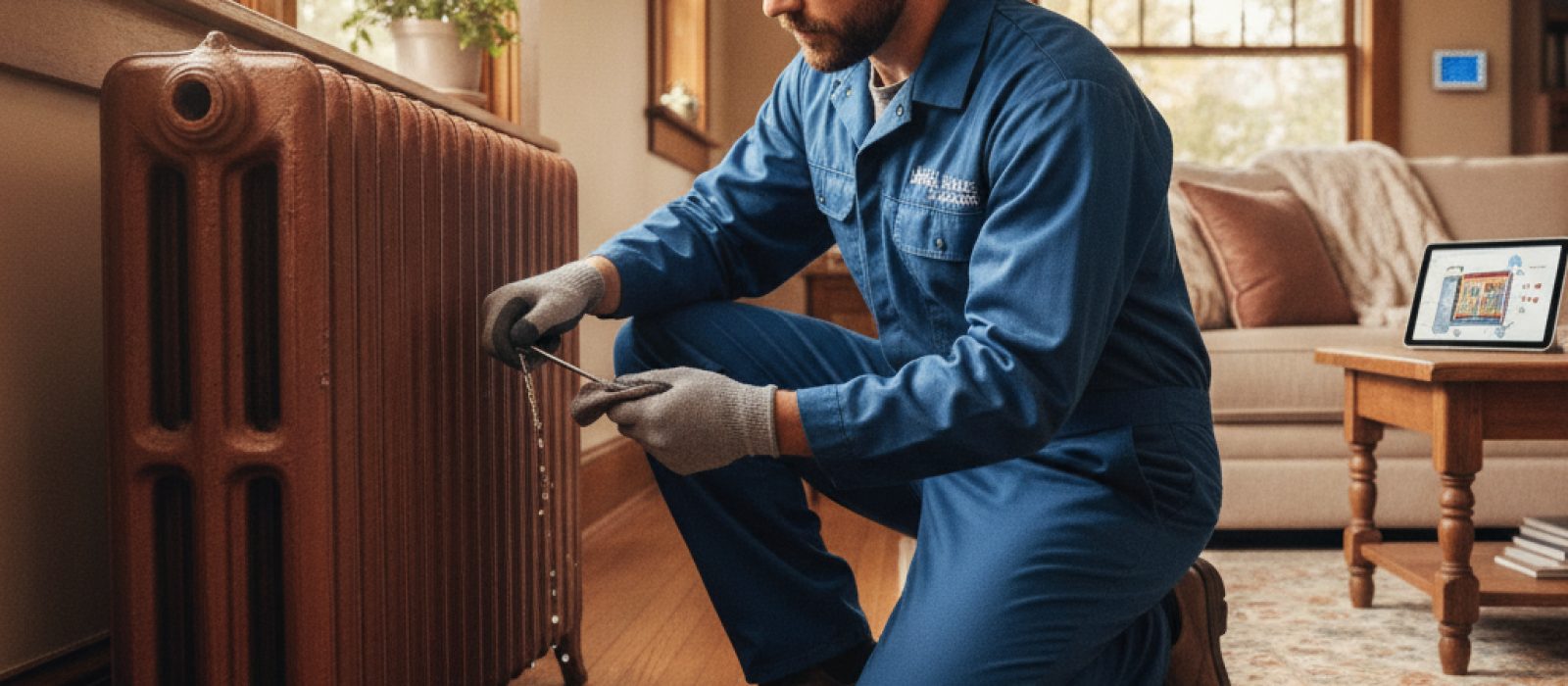
Learn how to maintain, bleed, and improve the efficiency of your home's radiator heating system to ensure comfort throughout the colder months.
Be the first to comment.