
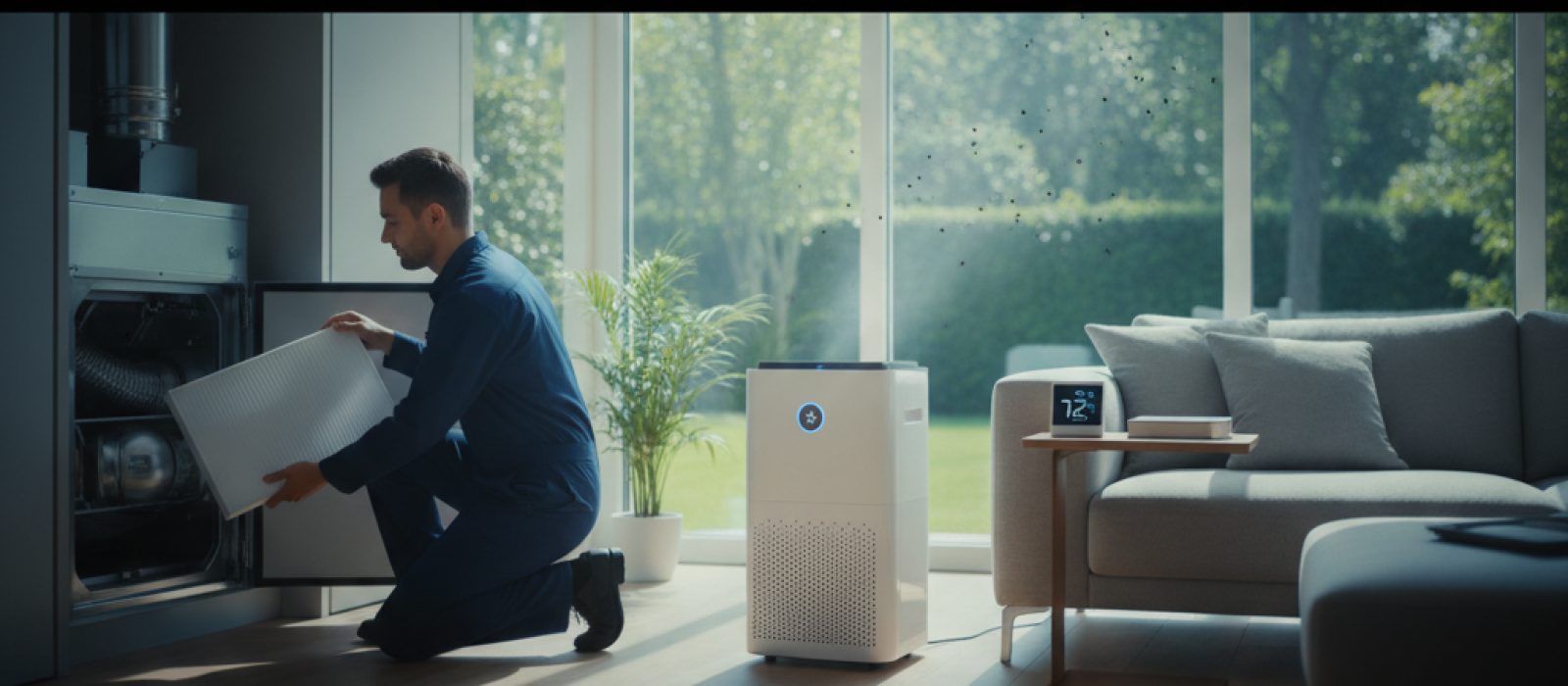
HEPA Air Cleaners for Allergies: What Actually Works
Learn how HEPA air cleaners function, their limitations in home environments, and how to effectively manage indoor air quality for allergy relief.
3 min read

Home humidifiers are vital components for maintaining comfort during dry winter months, but they require consistent oversight to prevent them from becoming a source of biological contamination. When water sits stagnant in a reservoir or saturates a filter, it provides an ideal environment for mold and bacteria to flourish. These contaminants can then be aerosolized and distributed throughout the home, directly impacting your indoor air quality. Understanding the mechanics of your system is the first step toward preventing these risks.
Maintenance requirements vary significantly based on the type of humidifier installed in your home. Evaporative whole-home humidifiers, which are often integrated with your furnace, rely on a water panel or pad that air passes through. Ultrasonic humidifiers, often portable units, use high-frequency vibrations to create a mist. Because ultrasonic units disperse everything present in the water—including minerals and biological growth—they require the most rigorous sanitation routines.
Consistent maintenance is the most effective deterrent against mold. For whole-home systems, the water panel should be inspected at least once a month during the heating season and replaced according to the manufacturer's suggested interval, typically once or twice per year. If you notice mineral buildup or a musty odor, the unit requires immediate attention regardless of the calendar.
Hard water is a primary contributor to mold growth because mineral deposits create a rough surface area where biofilms can easily attach. If your home has hard water, consider discussing water treatment options with a professional. Reducing the mineral content in the water supply prevents the scale buildup that traps moisture and organic matter, effectively starving potential mold colonies of the environment they need to thrive.
Even if the humidifier is clean, the surrounding environment can harbor mold. If your home's air duct cleaning history is nonexistent, dust and debris may have accumulated near the humidifier discharge point. This organic matter can become damp and support fungal growth. Ensuring your ventilation system is free of obstructions and clean helps maintain the integrity of your indoor air quality strategy.
While basic cleaning and pad replacement are standard tasks for homeowners, certain situations require professional intervention. If you discover extensive, deep-seated mold growth within the internal components of a furnace-mounted unit, or if the unit continues to produce a musty smell after a thorough cleaning, it may indicate a deeper issue within the system. Scheduling a professional maintenance and tune-up can ensure that the humidifier is properly calibrated, that the water drainage lines are clear, and that the electrical components remain safe from moisture intrusion.
After cleaning, always ensure the unit is completely dry before reassembling if it will be inactive for a period. Mold requires moisture to survive; by eliminating standing water at the end of the season, you prevent colonization during the summer months. Always verify that the drain line is clear and free-flowing, as water backing up into the unit is a common cause of internal mold growth.
If you suspect that your HVAC system's performance has been compromised by poor indoor air quality, or if you encounter persistent issues with your humidifier, reaching out for furnace services can help diagnose whether the problem is isolated to the humidifier or part of a larger system efficiency concern. Maintaining a balanced, clean system is essential for long-term health and comfort.
Learn how HEPA air cleaners function, their limitations in home environments, and how to effectively manage indoor air quality for allergy relief.
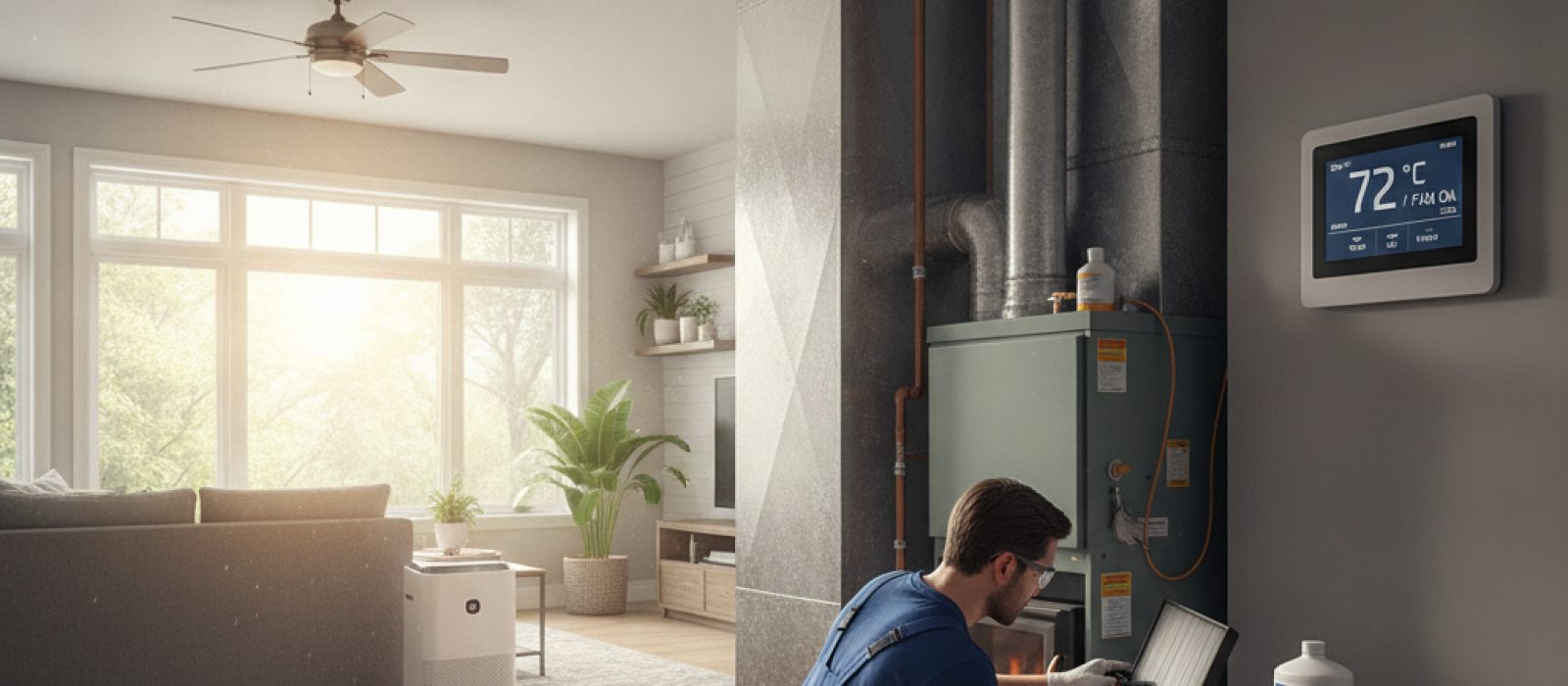
Learn to identify common indoor pollutants and discover practical, effective strategies to improve the air quality within your home.
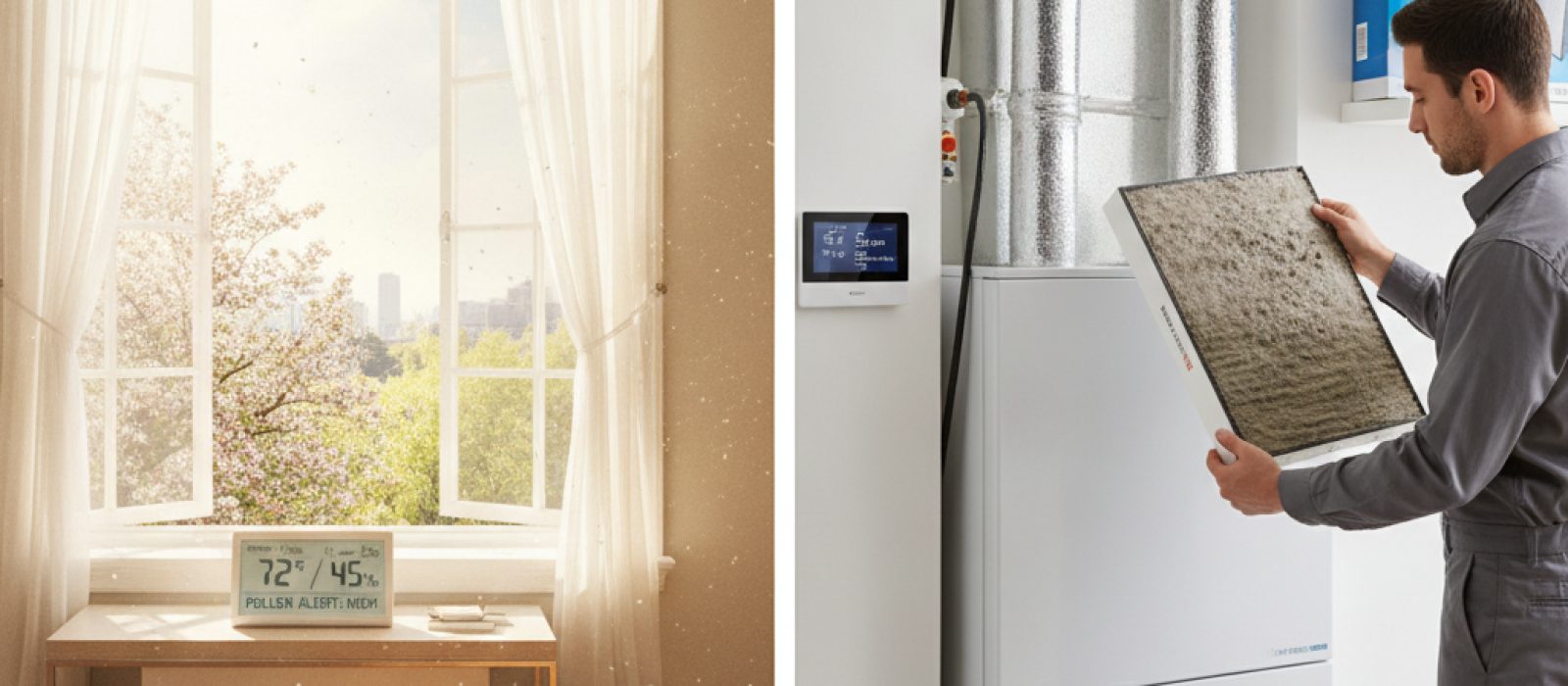
Learn the balance between natural ventilation and mechanical filtration to maintain optimal indoor air quality in your home.
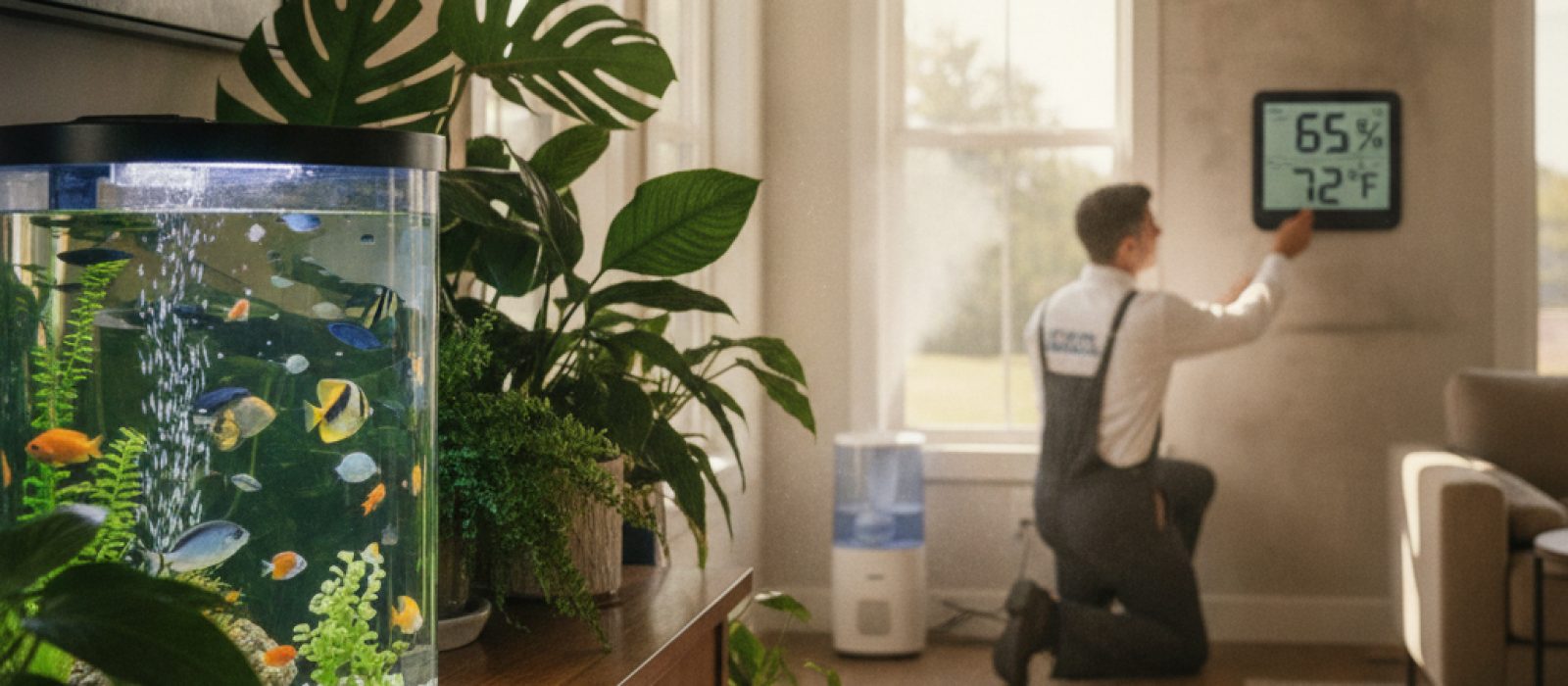
Learn how common household features like aquariums and plants impact indoor air quality and how to manage the resulting humidity levels effectively.

Discover how holiday traditions impact your home's indoor air quality and learn practical steps to maintain a healthy breathing environment this winter.
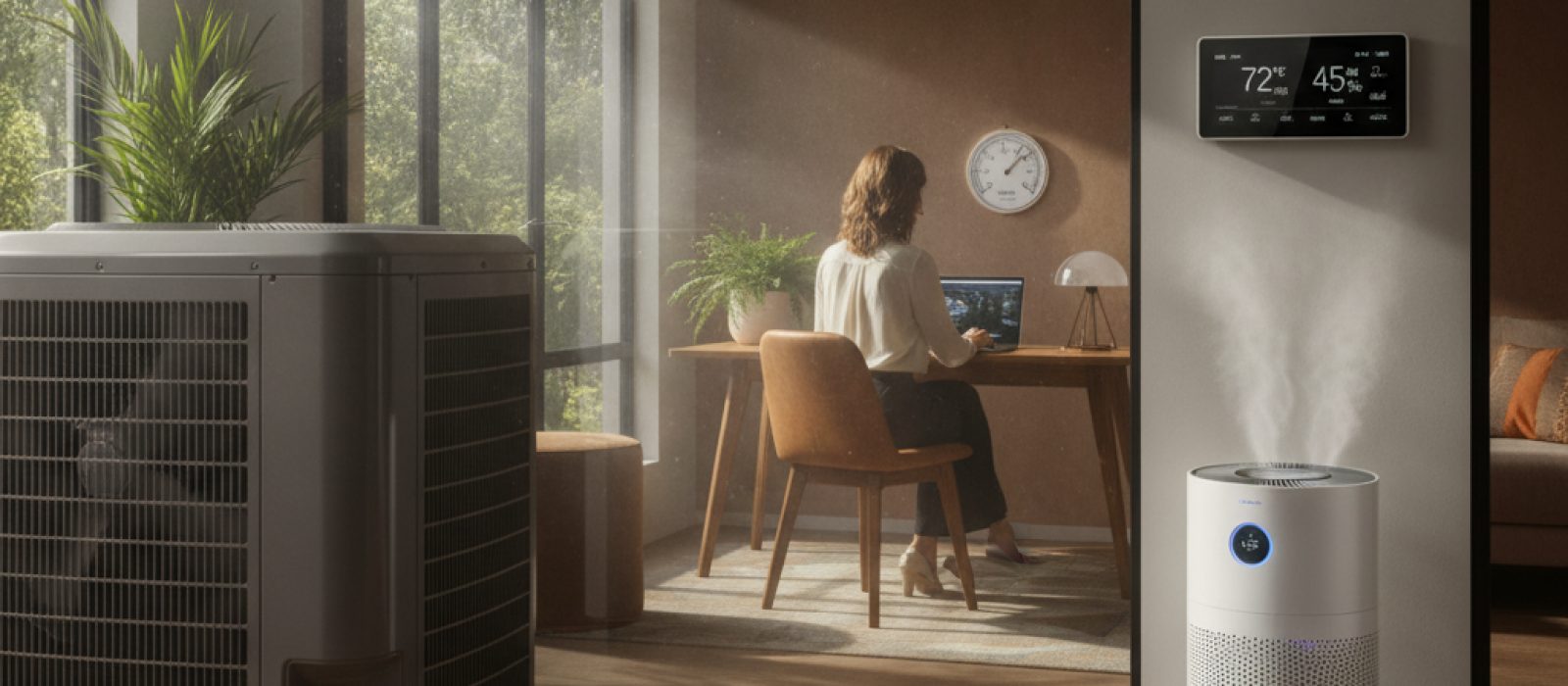
Improve productivity and health by optimizing the indoor air quality of your home office through ventilation, filtration, and humidity control.
Be the first to comment.