
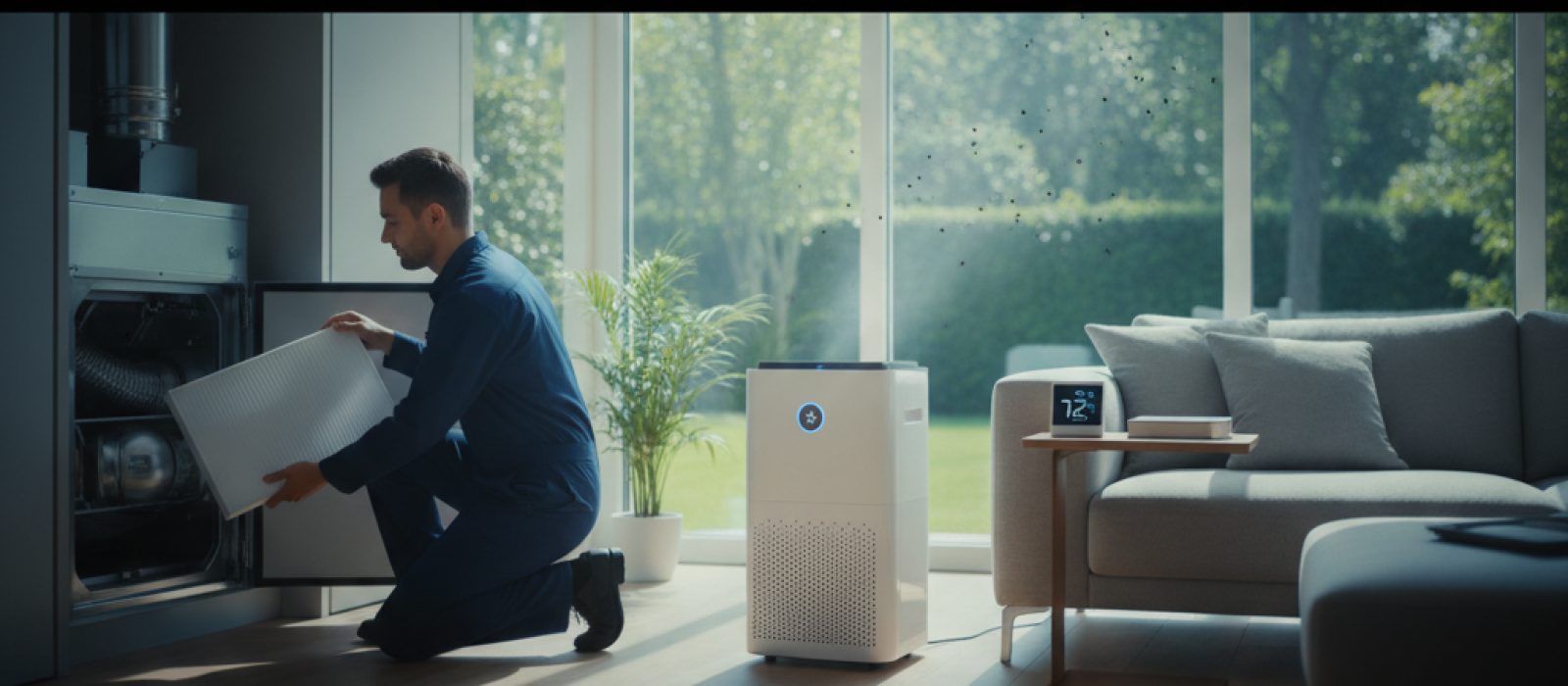
HEPA Air Cleaners for Allergies: What Actually Works
Learn how HEPA air cleaners function, their limitations in home environments, and how to effectively manage indoor air quality for allergy relief.
3 min read

Winter holidays bring warmth, comfort, and festive atmosphere, but they also introduce specific challenges to your indoor air quality. While many homeowners focus on furnace performance, the pollutants generated by decorative items and seasonal activities can overwhelm standard filtration systems. Understanding these sources is the first step in maintaining a healthy, breathable home environment during the coldest months of the year.
The primary contributors to compromised winter air quality are combustion-based decorations. Candles, particularly those made from paraffin wax, release fine particulate matter and volatile organic compounds (VOCs) when burned. These microscopic particles can linger in the air long after the flame is extinguished, eventually settling on surfaces or being pulled into your HVAC system.
Wood-burning fireplaces present a more significant challenge. Even with a properly functioning chimney, minor downdrafts or incomplete combustion can introduce carbon monoxide and nitrogen dioxide into the living space. If you rely on these for supplemental heat, ensure your carbon monoxide detectors are tested and positioned correctly. For those who notice persistent soot or odors, professional Furnace Services can help evaluate if your heating system is properly balanced to handle the air pressure changes caused by fireplace use.
Holiday decorations often act as giant dust magnets. Artificial trees, stored ornaments, and boxes of lights collected from attics or basements frequently harbor dust, mold spores, and dander. When brought into the warm, dry air of a home, these allergens are quickly circulated by your heating system.
If you find that your home feels particularly dusty or stuffy once the decorations are up, it may be time to consider professional Air Duct Cleaning. Removing the accumulation of debris from the previous year ensures that your HVAC system isn't blowing settled dust back into your living space every time the heat kicks on.
Winter air is naturally dry, but indoor activities can create localized humidity spikes. Cooking large meals, having guests over, and even using decorative water features can increase moisture levels. This excess humidity can encourage mold growth in damp areas, while simultaneously, the dry furnace air can irritate respiratory passages.
Maintaining a balanced environment requires a proactive approach to ventilation. If your home feels stagnant, utilize exhaust fans in kitchens and bathrooms to manage moisture and odors. For more comprehensive control, Indoor Air Quality assessments can identify whether your current system requires an integrated humidifier or a whole-home ventilation solution to keep your indoor climate consistent.
The most effective way to combat seasonal air quality degradation is through consistent Maintenance & Tune-up of your HVAC equipment. A clean system operates more efficiently and is better equipped to filter the air effectively. During a seasonal check, a technician ensures that the blower motor and coils are free of debris, which prevents the system from struggling against the increased pollutant load of the winter season.
Avoid the temptation to block air registers with furniture or holiday décor. Proper airflow is essential for the system to cycle air through the filter. If you find yourself frequently adjusting your thermostat to compensate for uneven heating or poor air movement, consult with a professional to ensure your ductwork and registers are optimized for your home's layout.
While homeowners can manage simple tasks like replacing filters and cleaning decorative items, some issues require expert intervention. If you notice persistent odors, visible mold growth, or if your carbon monoxide alarms trigger, shut down combustion appliances immediately and seek professional assistance. Do not attempt to modify gas lines or fireplace inserts yourself; these tasks carry significant safety risks and should only be handled by licensed professionals.
Learn how HEPA air cleaners function, their limitations in home environments, and how to effectively manage indoor air quality for allergy relief.
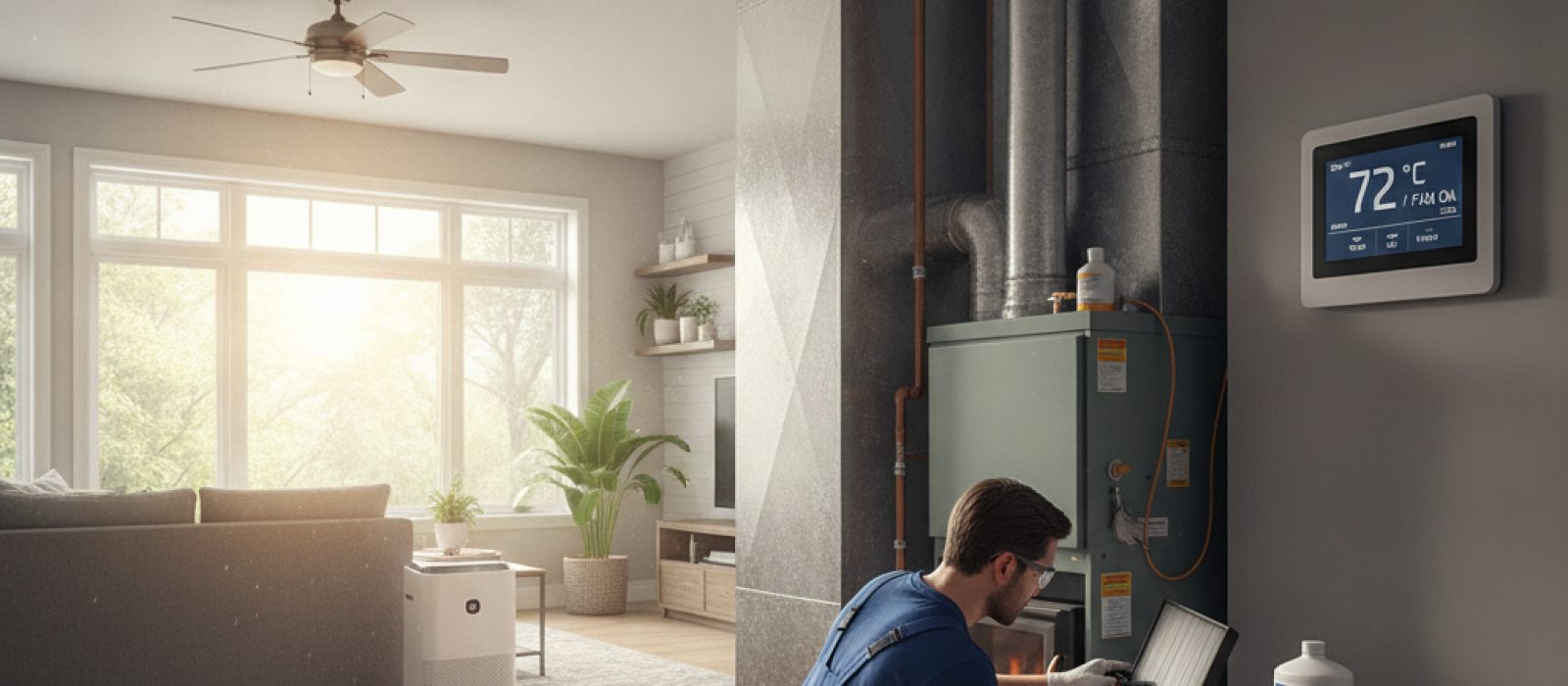
Learn to identify common indoor pollutants and discover practical, effective strategies to improve the air quality within your home.
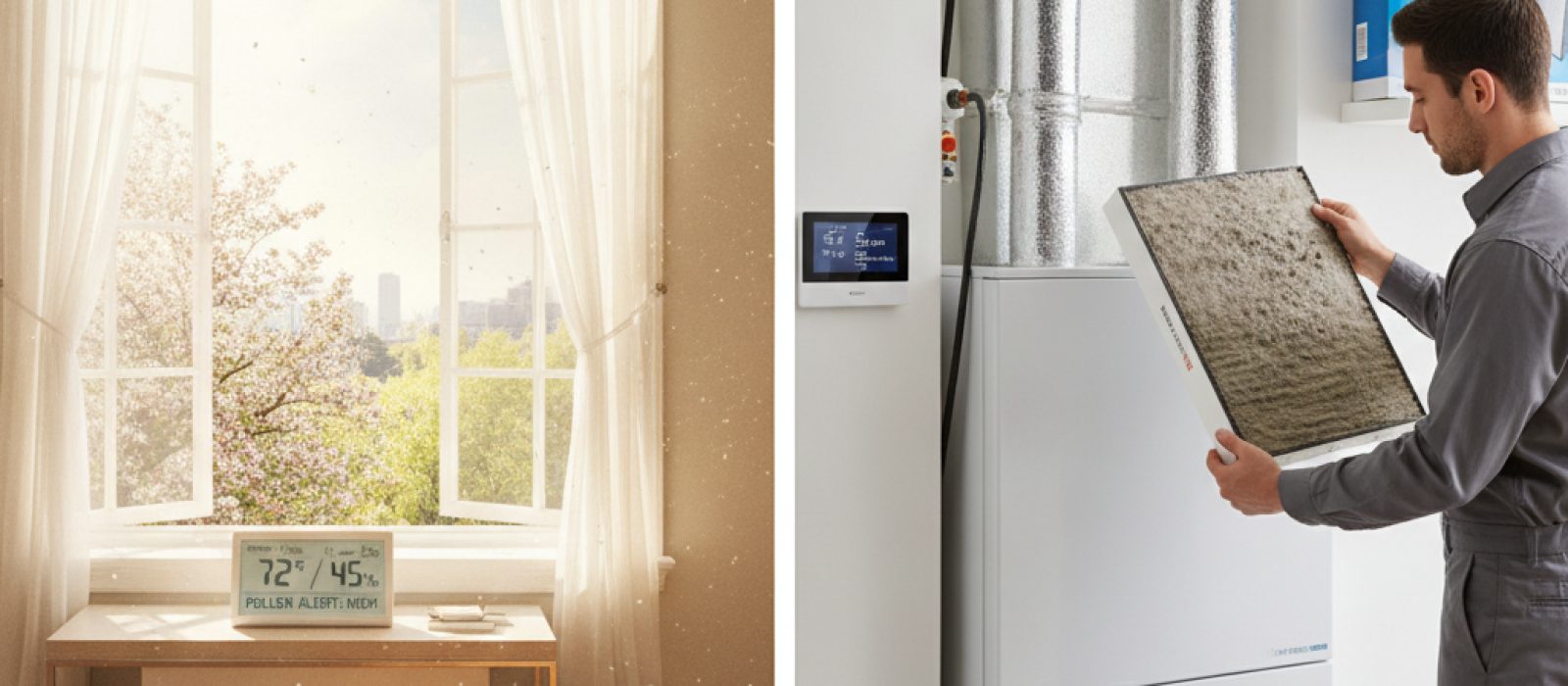
Learn the balance between natural ventilation and mechanical filtration to maintain optimal indoor air quality in your home.
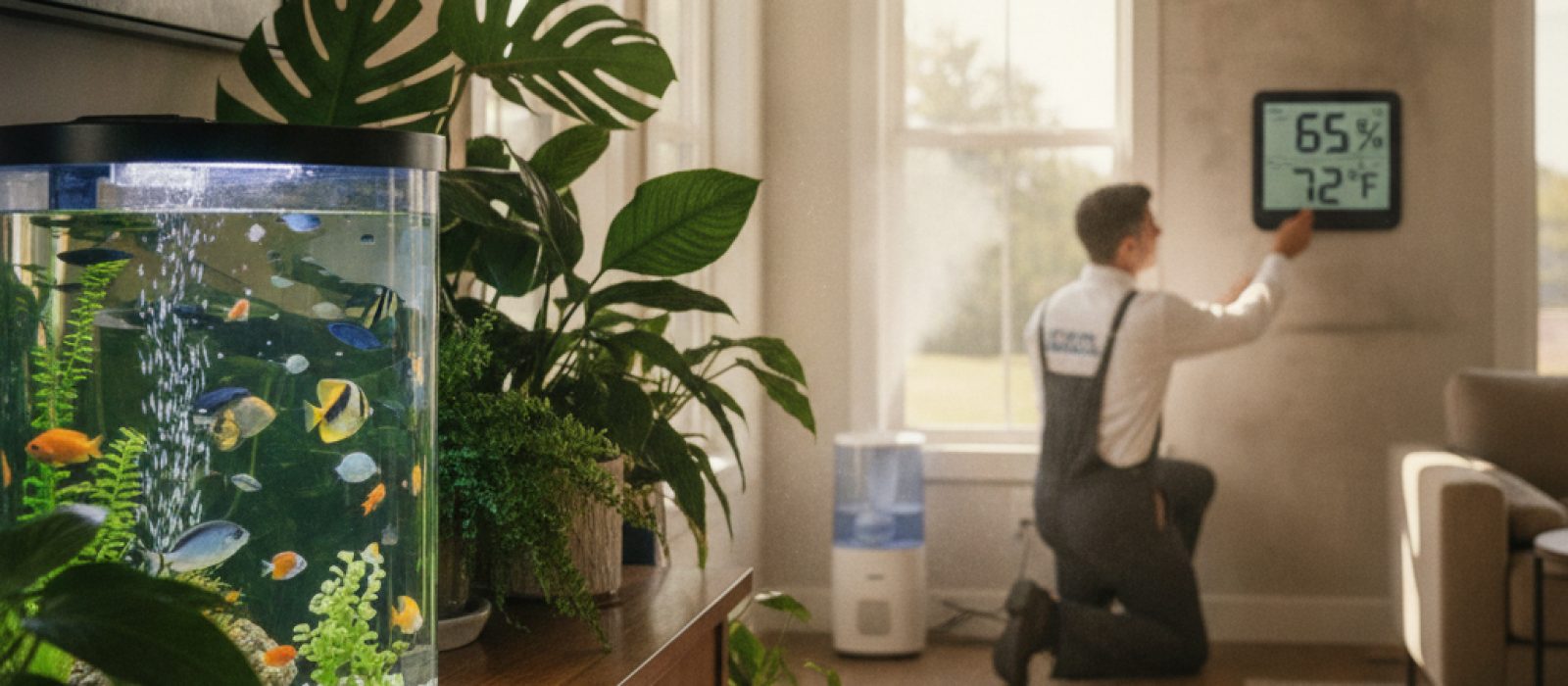
Learn how common household features like aquariums and plants impact indoor air quality and how to manage the resulting humidity levels effectively.
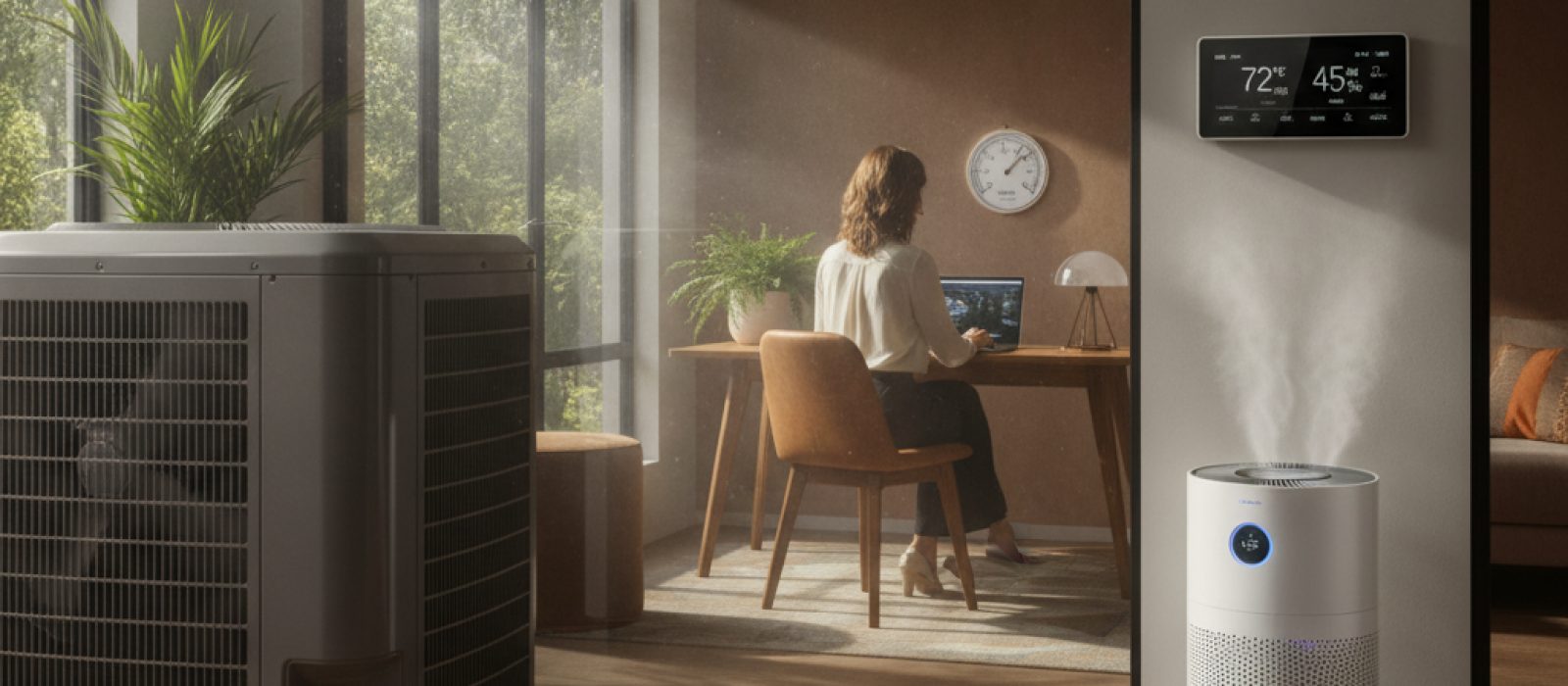
Improve productivity and health by optimizing the indoor air quality of your home office through ventilation, filtration, and humidity control.
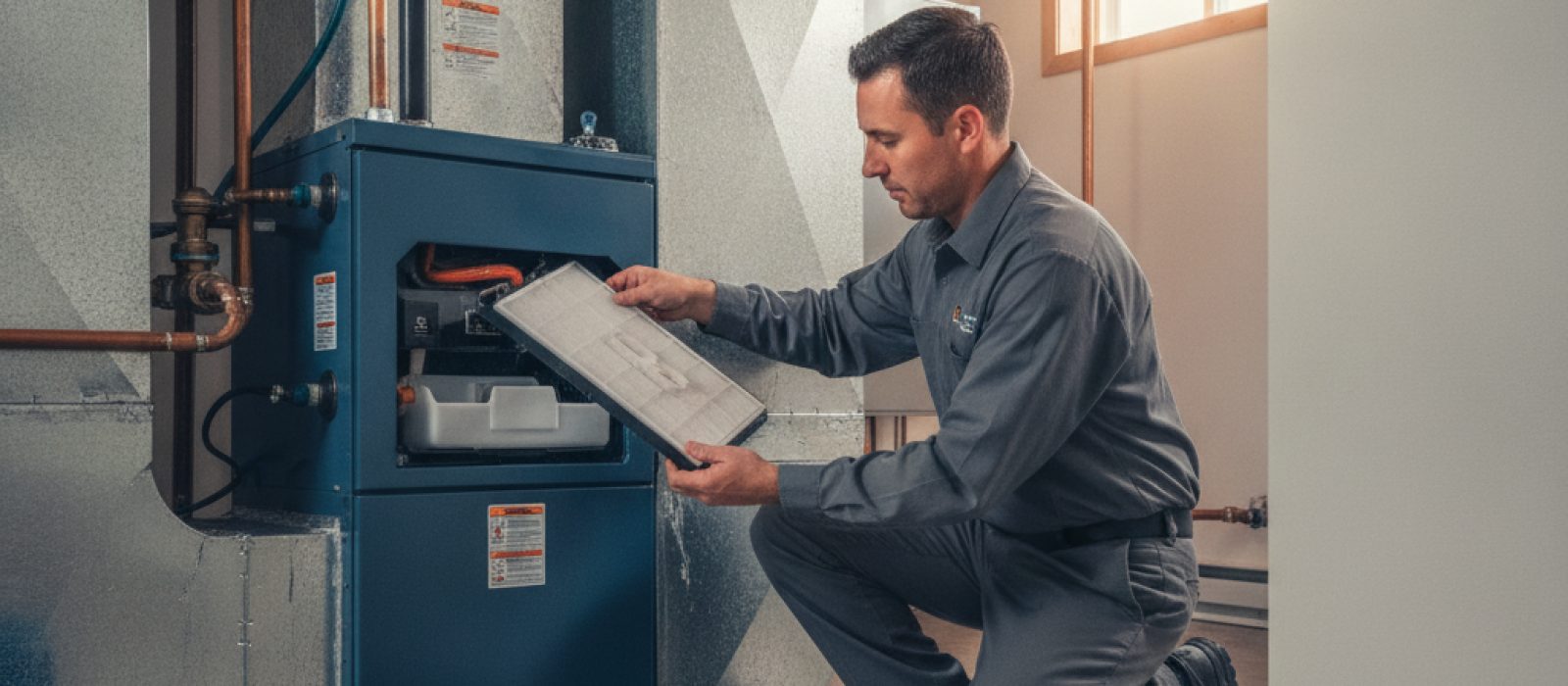
Learn essential steps to keep your home humidifier clean and mold-free, ensuring healthy indoor air quality throughout the heating season.
Be the first to comment.