HVAC Service Fast

Why Does My Home Get So Dusty So Fast? An HVAC Perspective

4 min read

Why Does My Home Get So Dusty So Fast? An HVAC Perspective

The Ubiquitous Enemy: What Exactly is Dust?

Dust isn't just tiny bits of dirt; it's a complex cocktail of microscopic particles. In the average U.S. home, common dust components include dead skin cells (yes, yours and your pets'!), fabric fibers from clothes, carpets, and upholstery, pollen, pet dander, insect fragments, soil particles tracked in from outside, and even microscopic plastic particles. It's constantly being generated within your home and entering from the outside. So, the first thing to understand is that dust is an inevitable part of living.

Your HVAC System: Friend or Foe in the Dust Battle?

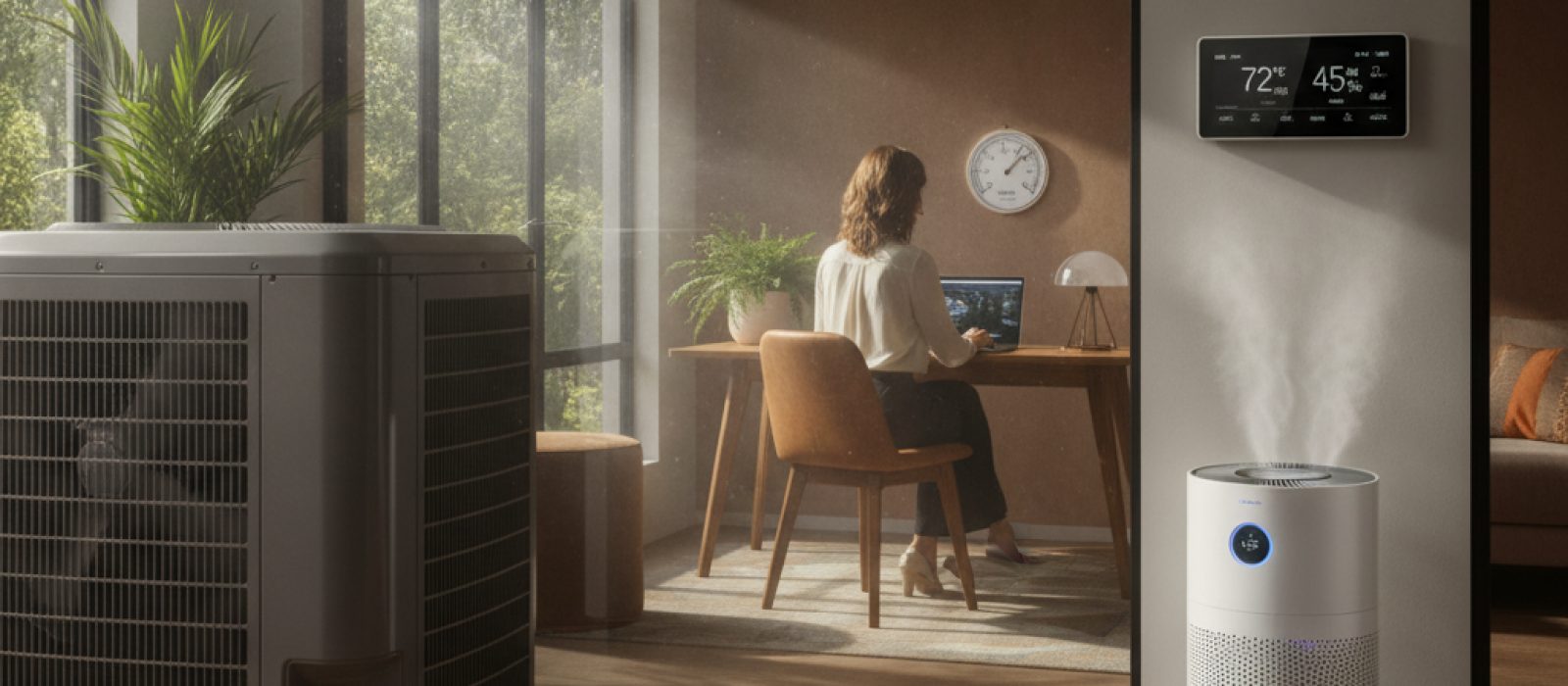
While your HVAC system is designed to provide comfort and improve indoor air quality, it can also inadvertently contribute to dust accumulation if not properly maintained. Here's how:

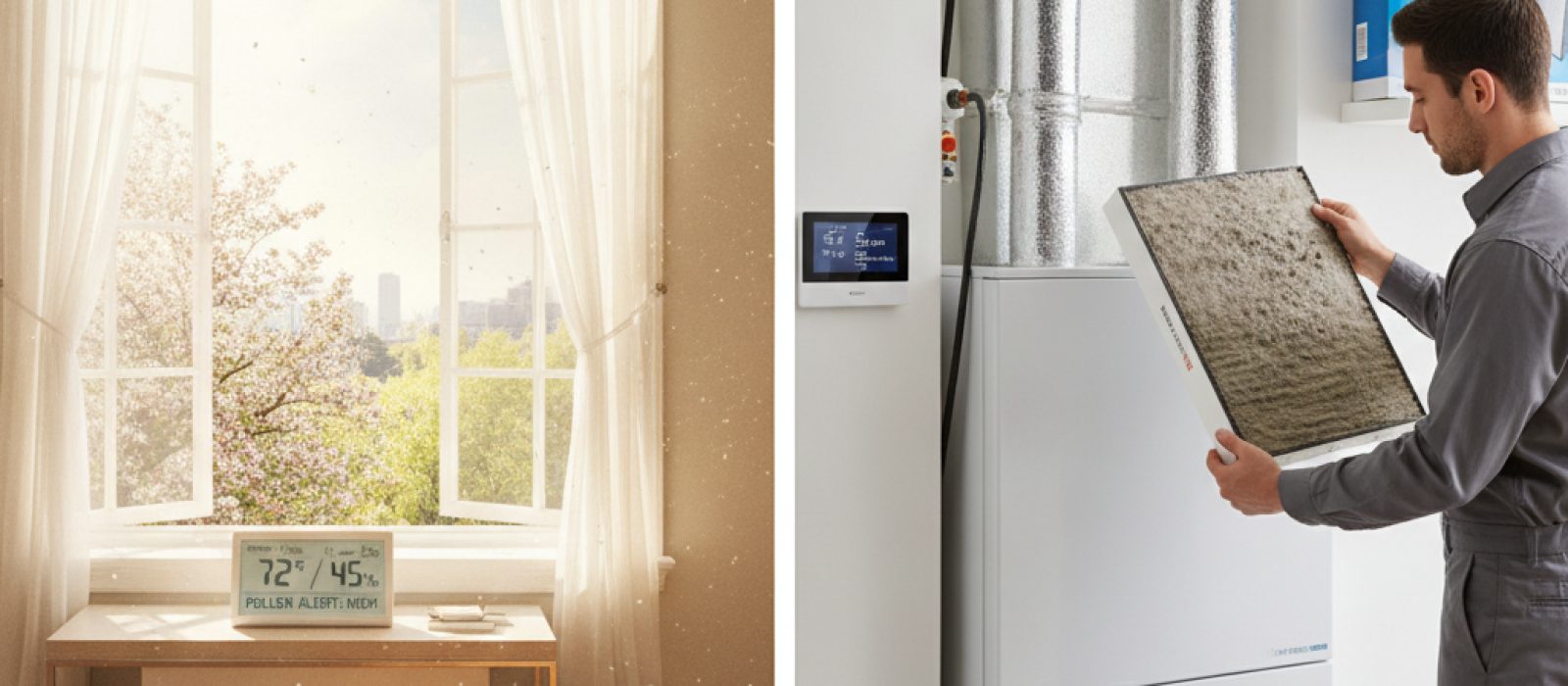
  • Inefficient Air Filtration: The most common culprit is an inadequate or dirty air filter. A low-MERV (Minimum Efficiency Reporting Value) filter might not capture smaller dust particles effectively, allowing them to recirculate through your home. A clogged filter, on the other hand, restricts airflow and can reduce the filter's ability to trap anything, leading to more dust and potential strain on your system.
  • Leaky Ductwork: If your ductwork has cracks, gaps, or poorly sealed connections, it can draw in dusty air from unconditioned spaces like attics, crawl spaces, or wall cavities. This dust is then distributed throughout your living areas.
  • Improper Ventilation: While good ventilation is crucial, an imbalance can sometimes contribute. For example, if your home is depressurized due to exhaust fans running without adequate makeup air, outside air (and its accompanying dust and pollen) can be pulled in through cracks and crevices.
  • Dirty Coils and Blower Components: Over time, dust can accumulate on your indoor coil (evaporator coil) and blower fan. When air passes over these dirty surfaces, it can pick up and redistribute these particles throughout your home.

Beyond HVAC: Other Common Dust Generators

While your HVAC system is a major player, it's not the only source of dust. Consider these other contributors:

  • Textiles Galore: Carpets, rugs, upholstered furniture, curtains, and even your bedding are notorious for shedding fibers and trapping dust. Every time you walk on a carpet or sit on a couch, you release microscopic particles into the air.
  • Pets: Our furry friends are wonderful companions, but they are also significant sources of dander and hair, which are prime components of household dust.
  • Open Windows and Doors: While fresh air is good, it also invites outdoor dust, pollen, and pollutants into your home.
  • Household Activities: Cooking, sweeping, vacuuming (especially with an inefficient filter), and even just moving around can stir up and redistribute dust.
  • Personal Items: Clothes, books, decorative items, and even paper can shed fibers and particles over time.

Winning the War Against Dust: Practical Solutions

Don't despair! While complete dust elimination is impossible, you can significantly reduce its presence with a proactive approach:

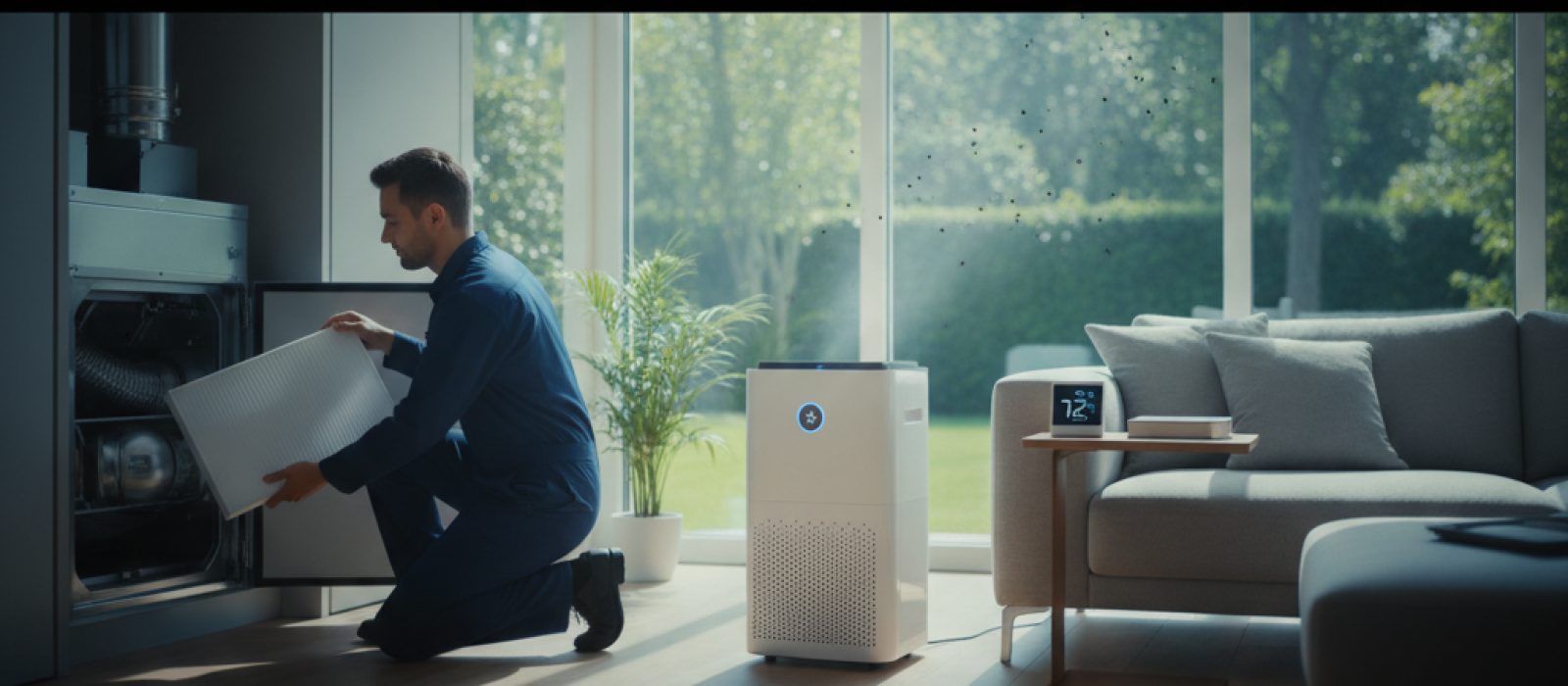
  • Upgrade Your HVAC Filter: Replace your air filter regularly (every 1-3 months, or more often with pets). Consider upgrading to a higher MERV filter (MERV 8-11 is often a good balance for most homes, providing better filtration without overly restricting airflow). Consult with your HVAC technician to ensure your system can handle a higher MERV rating.
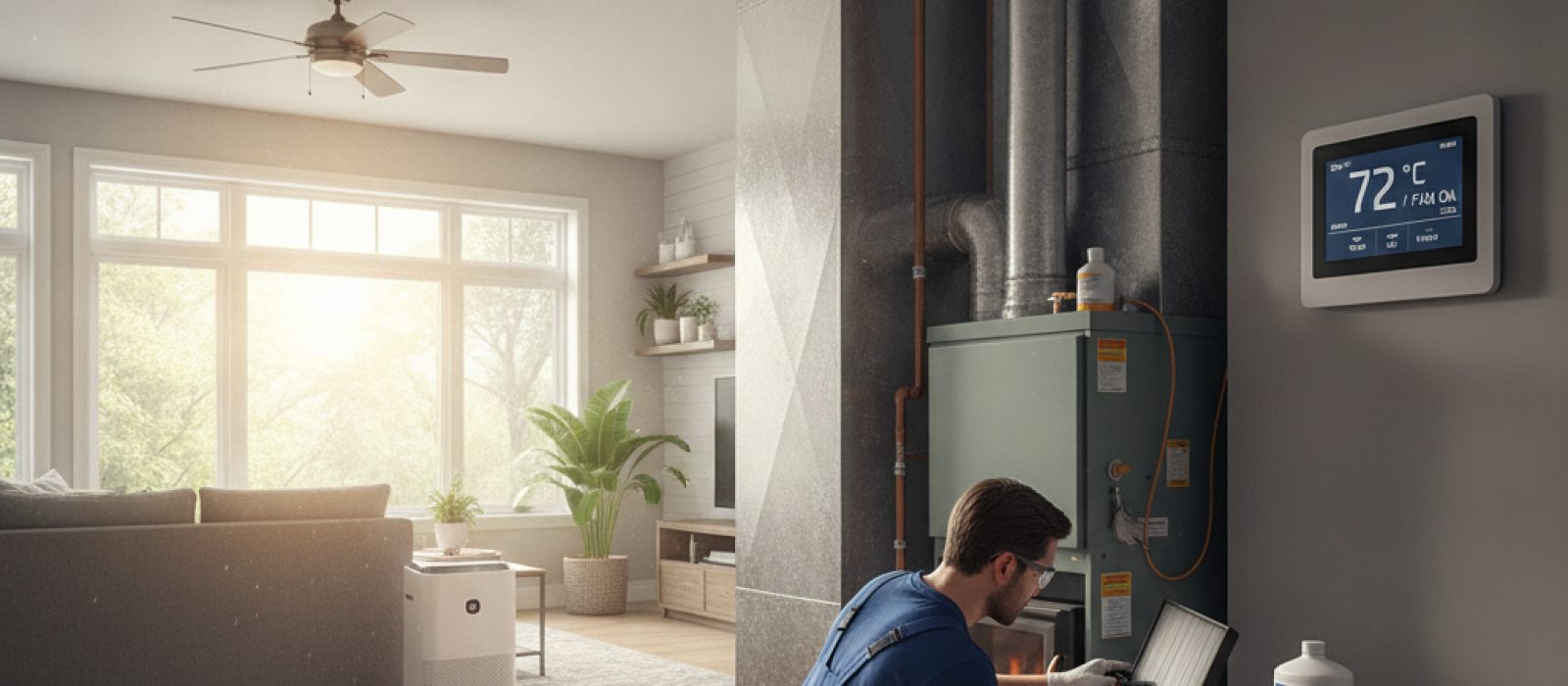
  • Schedule Regular HVAC Maintenance: A professional tune-up will include cleaning coils, checking blower components, and inspecting ductwork for leaks. This ensures your system is running efficiently and not contributing to dust issues.
  • Seal Your Ducts: If you suspect leaky ductwork, have an HVAC professional inspect and seal it. This can dramatically reduce the amount of dust pulled from unconditioned spaces.
  • Clean Regularly and Smartly: Dust with microfiber cloths that trap dust instead of just moving it around. Vacuum frequently with a HEPA-filtered vacuum cleaner. Wash bedding weekly in hot water.
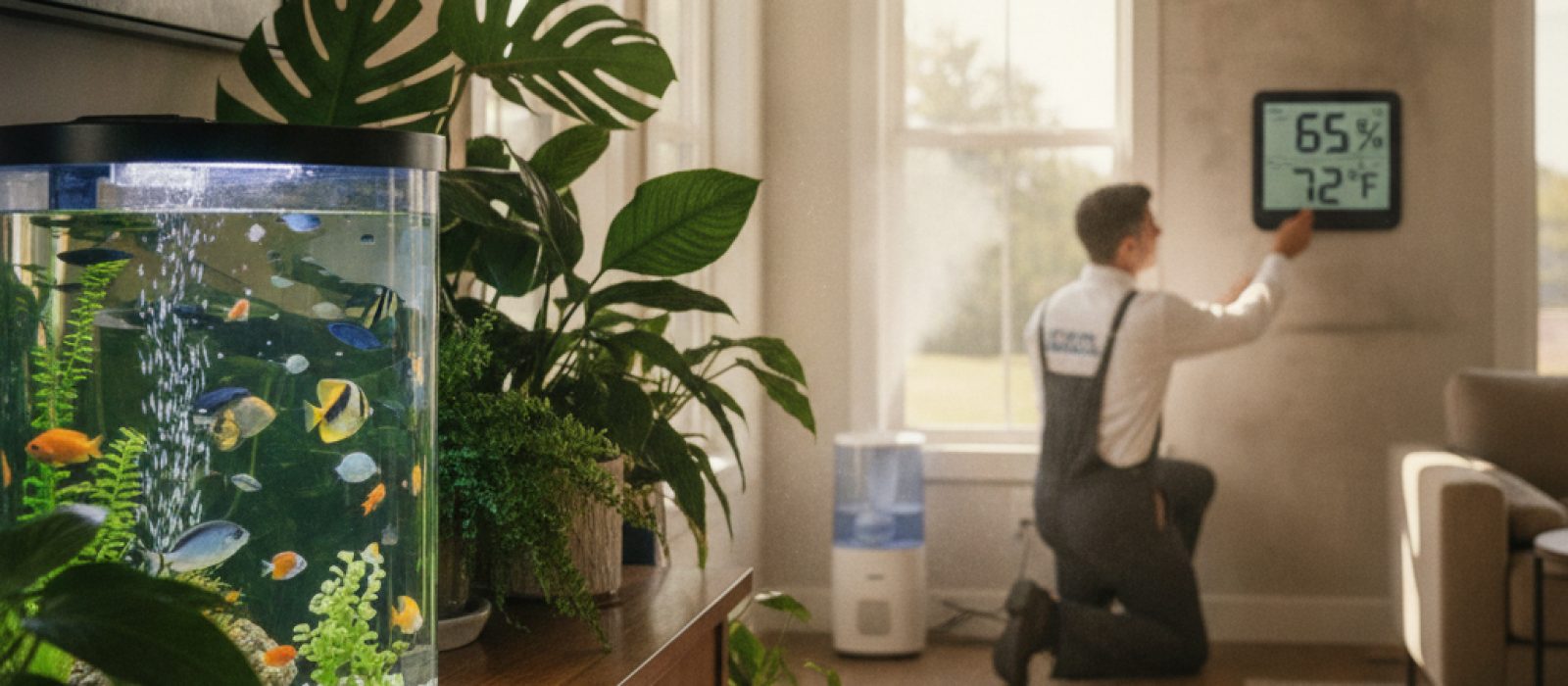
  • Control Humidity: Proper indoor humidity levels (ideally between 30-50%) can help reduce dust mites and some types of dust. Your HVAC system can help manage this.
  • Consider Air Purifiers: For particularly dusty areas or allergy sufferers, a standalone air purifier with a HEPA filter can provide an extra layer of filtration.
  • Minimize Clutter: Fewer surfaces mean fewer places for dust to settle.
  • Use Doormats: Place quality doormats at all entrances to trap outdoor dirt and dust before it enters your home.

By understanding the sources of dust and taking proactive steps, especially regarding your HVAC system's maintenance and filtration, you can enjoy a cleaner, healthier, and more comfortable home environment. If you're struggling with excessive dust, don't hesitate to contact a qualified HVAC professional to assess your system and provide tailored solutions.

#HVAC maintenance #Indoor Air Quality #air filters #dust #ductwork #home cleaning

Frequently asked questions

What is household dust made of?
Household dust is a mix of dead skin cells, fabric fibers, pollen, pet dander, insect fragments, soil particles, and even microscopic plastic particles, generated both inside and outside the home.
How can my HVAC system contribute to a dusty home?
Your HVAC system can contribute to dust if it has an inefficient or dirty air filter, leaky ductwork, improper ventilation, or dirty coils and blower components that redistribute dust.
What are common non-HVAC sources of dust in a home?
Beyond HVAC, major dust generators include textiles like carpets and upholstery, pets, open windows and doors, household activities like cooking and vacuuming, and personal items such as books and decorative objects.
What MERV rating is recommended for HVAC filters to reduce dust?
A MERV 8-11 filter is often a good balance for most homes, providing better filtration for dust without overly restricting airflow. It's best to consult an HVAC technician to ensure your system can handle a higher MERV rating.
What are some effective ways to reduce dust besides HVAC improvements?
Effective non-HVAC solutions include regular cleaning with microfiber cloths, frequent vacuuming with a HEPA-filtered vacuum, and washing bedding regularly.

Related articles

Comments (0)

Be the first to comment.

Leave a comment

Security code

Comments are moderated before they appear.