
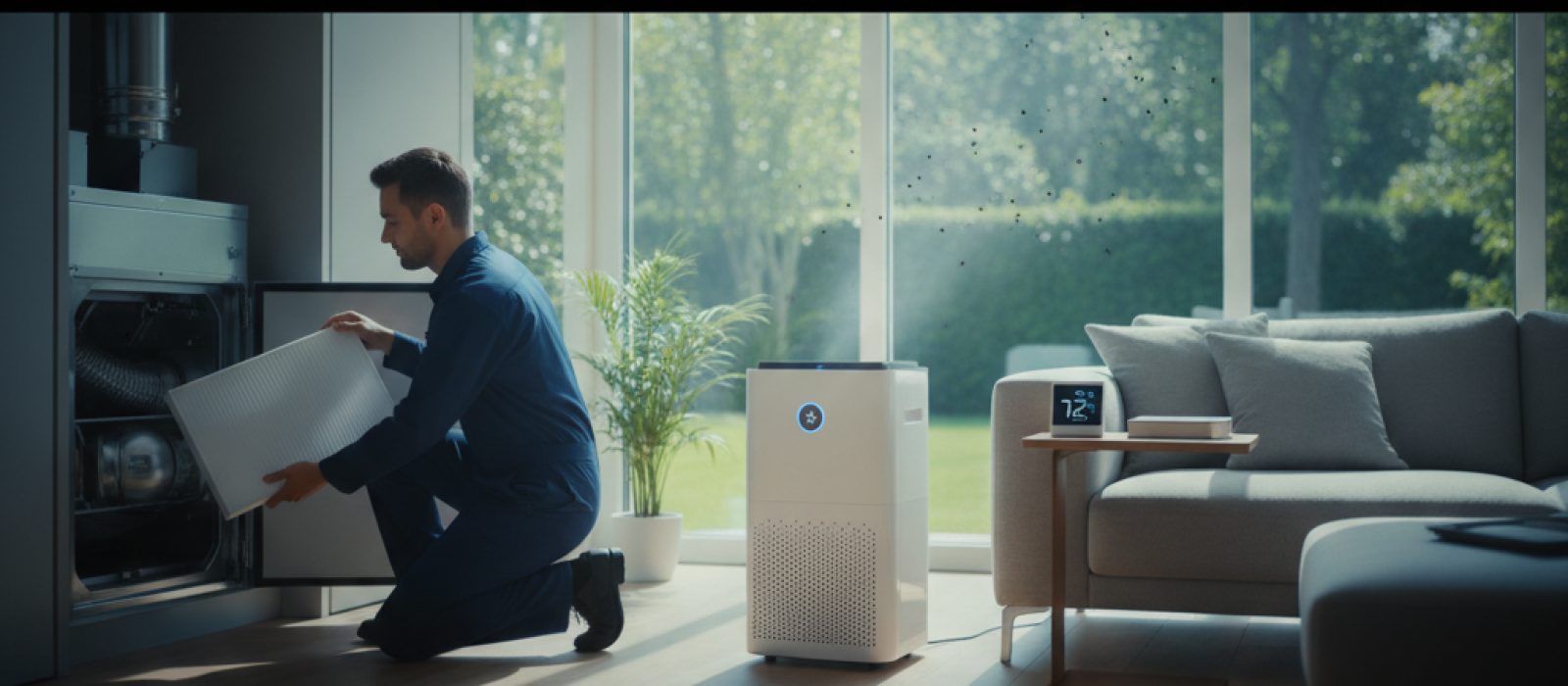
HEPA Air Cleaners for Allergies: What Actually Works
Learn how HEPA air cleaners function, their limitations in home environments, and how to effectively manage indoor air quality for allergy relief.
4 min read

You turn on your air conditioner, expecting a rush of cool, fresh air, but instead, your home fills with a damp, musty odor. It's a common complaint for many homeowners, and while it's certainly unpleasant, it's also a clear indicator that something isn't quite right with your HVAC system. A musty smell usually points to one main culprit: mold or mildew growth. But where is it growing, and why? Let's explore the reasons behind that unwelcome aroma and what you can do about it.
Mold and mildew thrive in dark, damp environments, and unfortunately, several components of your HVAC system provide the perfect breeding ground. Here are the most common places to find them:
While mold and mildew are the primary causes of a musty AC smell, a few other issues could contribute to similar odors:
Dealing with a musty AC smell requires a systematic approach. Here's what you can do:
This is the simplest and often most effective first step. A dirty filter not only reduces efficiency but also traps moisture and contaminants. Aim to change your filter every 1-3 months, or more frequently if you have pets or allergies.
Visually inspect the drain pan for standing water or slime. If you see buildup, you can carefully clean it out. You can also pour a cup of distilled vinegar down the drain line a few times a year to help prevent algae growth.
If you're comfortable, you can visually inspect your evaporator coils (often located in your indoor unit). If they appear dirty or slimy, they likely need cleaning. This is often best left to a professional, as improper cleaning can damage the delicate fins.
High indoor humidity contributes to mold growth. Consider using a dehumidifier in particularly damp areas of your home, especially during humid months. Ensure your home is properly sealed and ventilated.
This is arguably the most crucial step. A professional HVAC technician can:
Regular maintenance not only eliminates odors but also improves system efficiency, extends the lifespan of your unit, and ensures healthier indoor air quality.
A musty odor from your AC isn't just an annoyance; it's a signal. Mold and mildew can impact indoor air quality, potentially aggravating allergies and respiratory issues for sensitive individuals. By understanding the common causes and taking proactive steps, especially professional maintenance, you can banish that musty smell and enjoy truly fresh, clean air throughout your home.
Learn how HEPA air cleaners function, their limitations in home environments, and how to effectively manage indoor air quality for allergy relief.
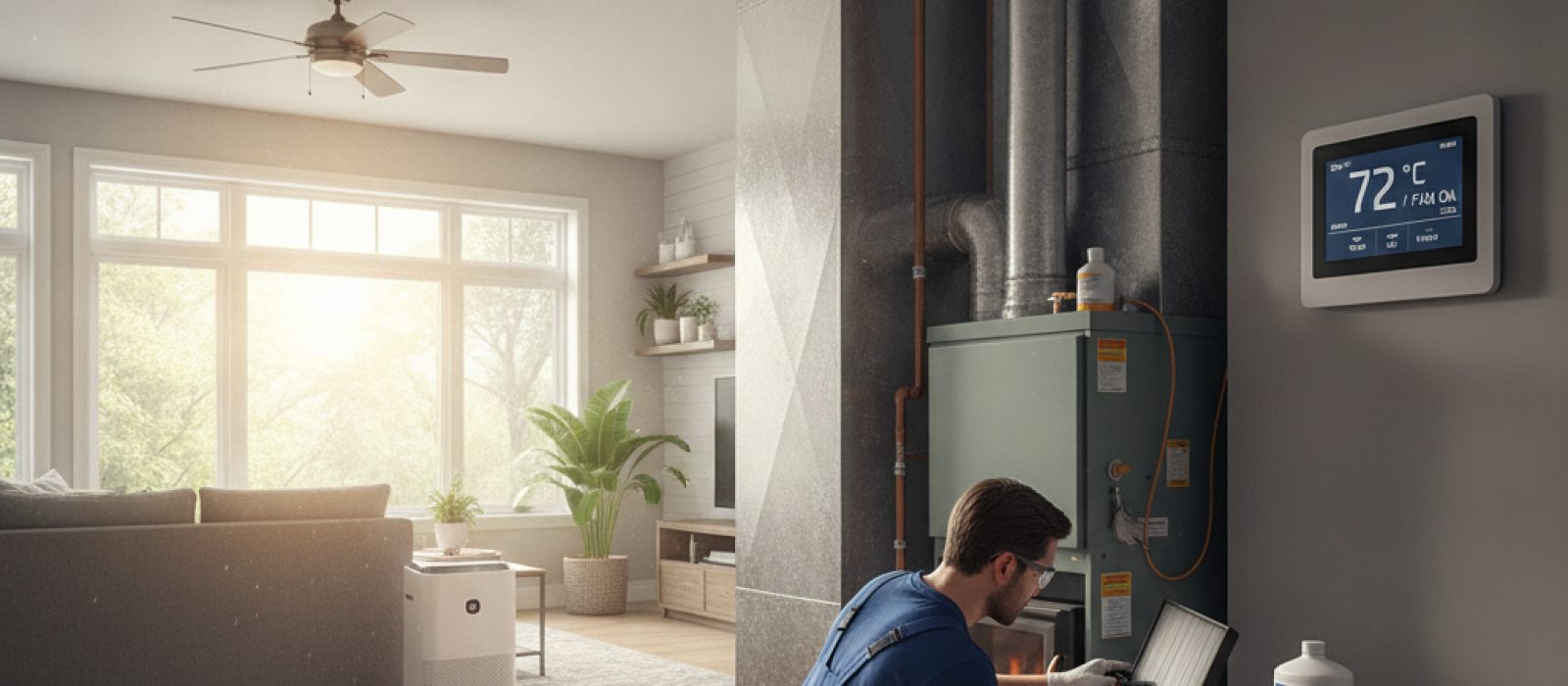
Learn to identify common indoor pollutants and discover practical, effective strategies to improve the air quality within your home.
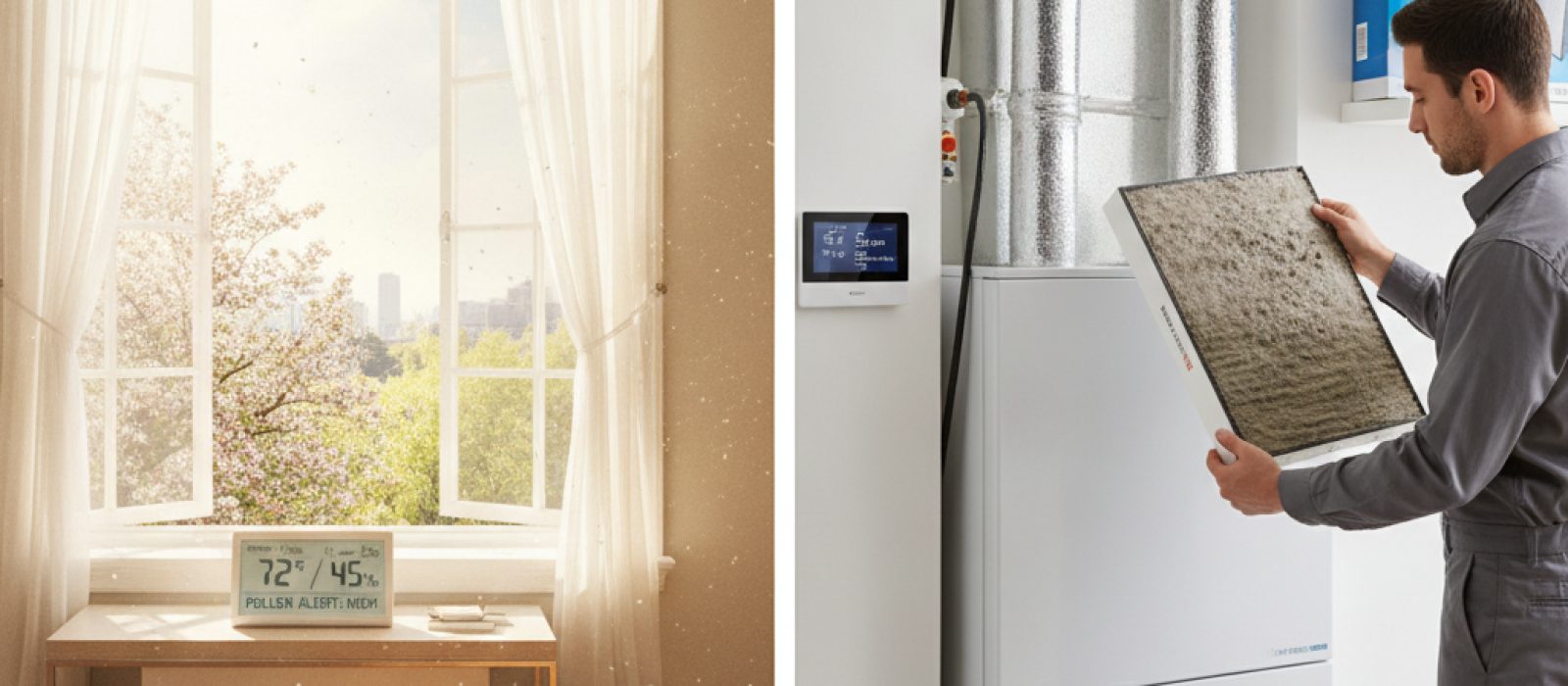
Learn the balance between natural ventilation and mechanical filtration to maintain optimal indoor air quality in your home.
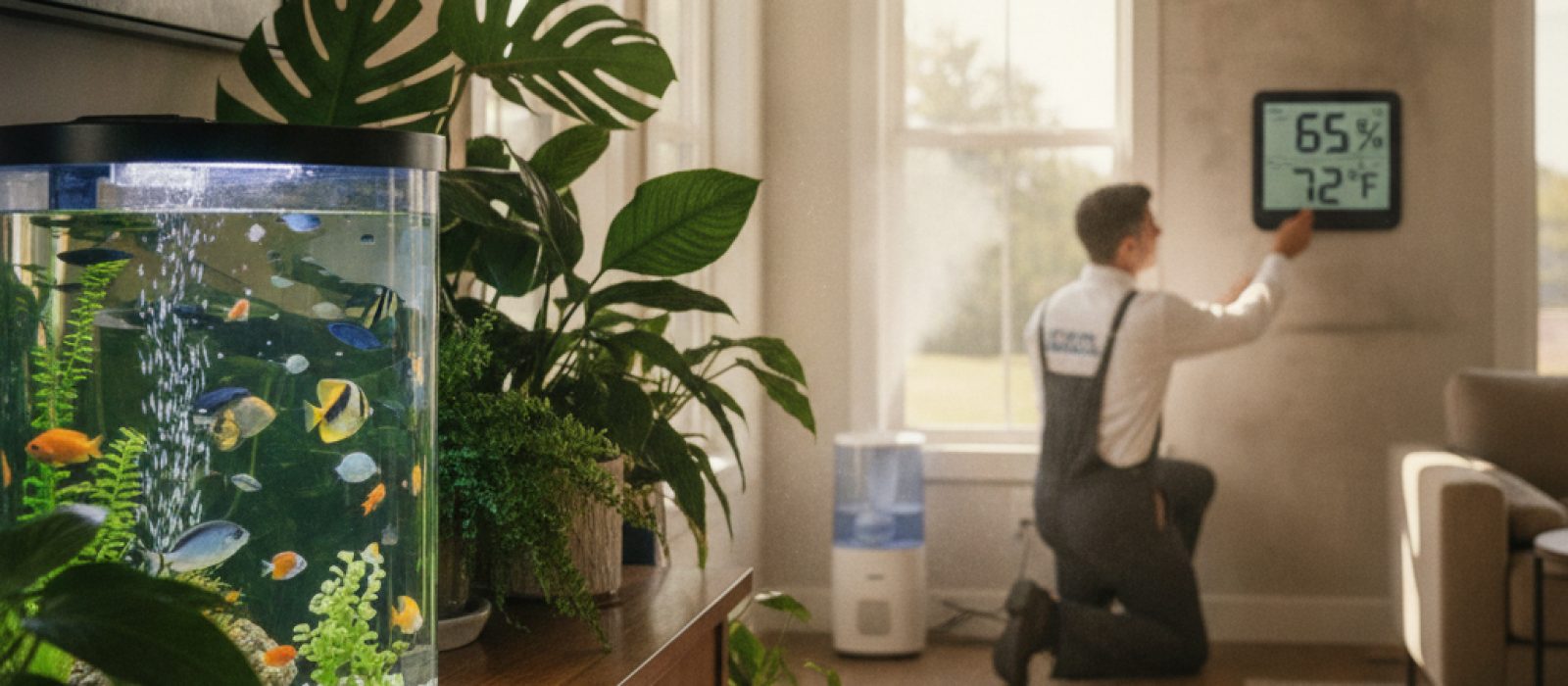
Learn how common household features like aquariums and plants impact indoor air quality and how to manage the resulting humidity levels effectively.

Discover how holiday traditions impact your home's indoor air quality and learn practical steps to maintain a healthy breathing environment this winter.
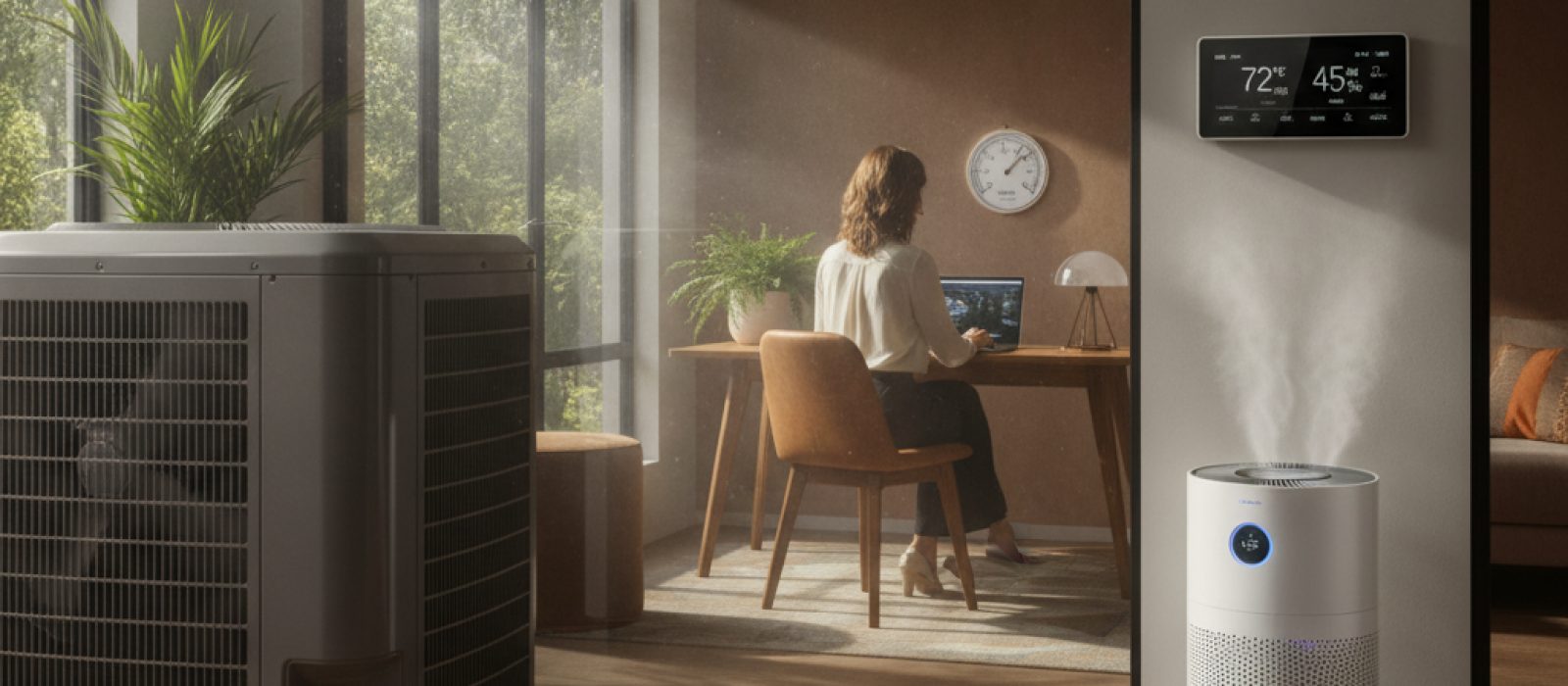
Improve productivity and health by optimizing the indoor air quality of your home office through ventilation, filtration, and humidity control.
Be the first to comment.