The Mystery of Uneven Dust: It's Not Your Imagination
You’ve cleaned your home from top to bottom, only to find a fresh layer of dust reappearing in one particular room far sooner than others. It's a common frustration for homeowners across the U.S., and it’s not just a figment of your imagination. There are very real, often interconnected, reasons why some rooms in your house seem to be dust magnets while others remain relatively pristine. Understanding these factors is the first step toward a cleaner, healthier home environment.
Understanding What Dust Really Is
Before we dive into why some rooms are dustier, let's briefly clarify what dust actually is. Household dust is a complex mixture of tiny particles, including dead skin cells (human and pet), fabric fibers from clothes, carpets, and upholstery, pollen, pet dander, soil particles, insect fragments, and even microscopic pieces of plastic. It's an inevitable part of indoor living, but its distribution can vary greatly.
Key Factors Contributing to Dustier Rooms
1. Airflow and HVAC System Performance
- Uneven Air Distribution: Your HVAC system is designed to circulate air throughout your home. However, if your ductwork has leaks, blockages, or if some registers are partially closed or poorly balanced, certain rooms might receive less filtered air or experience stagnant air pockets. Stagnant air allows dust particles to settle more quickly.
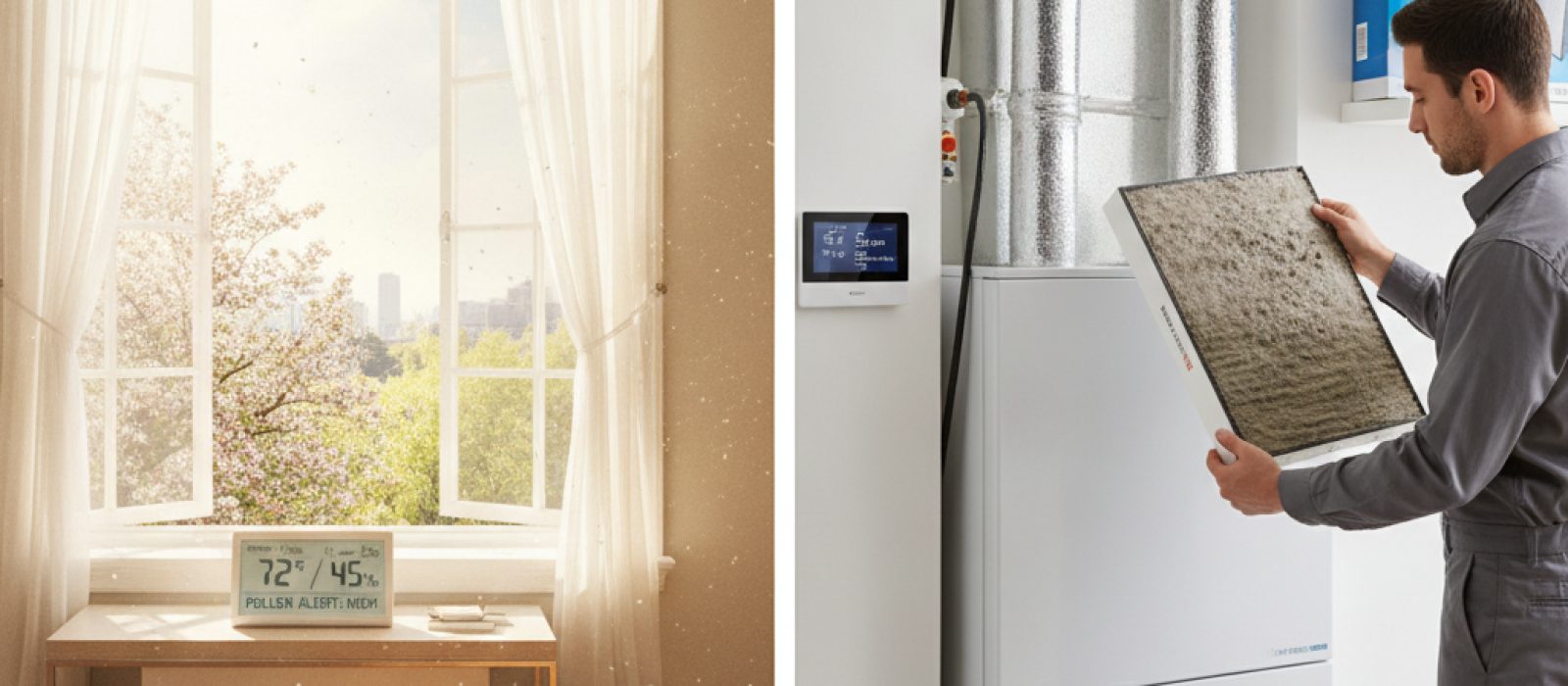
- Filter Efficiency and Maintenance: A dirty or inefficient HVAC filter won't capture dust effectively. If your system is constantly circulating unfiltered or poorly filtered air, dust will accumulate everywhere, but particularly in rooms with higher air movement from the vents, or conversely, in rooms where air isn't moving enough to keep dust airborne and directed towards returns.
- Return Vent Placement: The location and number of return air vents are crucial. Rooms without adequate return vents can become pressurized, pushing dusty air out through cracks rather than pulling it back into the filtration system.
2. Room Usage and Occupancy
The more a room is used, the more dust it tends to generate. Consider these points:
- Bedrooms: We spend a significant amount of time in our bedrooms. Dead skin cells, fabric fibers from bedding and clothing, and pet dander (if pets sleep there) contribute heavily to dust.
- Living Rooms/Family Rooms: These high-traffic areas often have more upholstered furniture (sofas, chairs), carpets, and curtains, all of which shed fibers and trap dust. Constant movement stirs up settled particles.
- Home Offices: Paper products, electronics (which can attract dust via static electricity), and continuous human presence make home offices prime dust zones.
3. Furnishings and Materials
The items within a room play a huge role in its dustiness:
- Carpeting and Rugs: These are notorious dust traps. They hold onto fibers, pet dander, and other particulates, releasing them back into the air with every step. Rooms with more carpeting will generally be dustier than those with hard flooring.
- Upholstered Furniture: Sofas, armchairs, and decorative pillows shed fabric fibers and collect dust within their weaves.
- Curtains and Drapes: Similar to upholstery, fabric window treatments are excellent at collecting and holding dust.
- Open Shelving and Knick-Knacks: Every exposed surface, especially those with many small items, provides more area for dust to settle and is harder to clean thoroughly.
4. External Factors and Location
- Proximity to Entrances: Rooms near front doors or high-traffic entryways will naturally accumulate more dust, dirt, and outdoor pollutants tracked in from outside.
- Windows and Air Leaks: Old or poorly sealed windows and doors can allow outdoor dust, pollen, and pollutants to seep into a room. Rooms with frequently opened windows will also experience higher dust levels.
- Construction or Renovation Nearby: If there's ongoing construction outside your home or a renovation project within, dust levels will inevitably increase, especially in adjacent rooms.
What Can You Do About It?
Addressing uneven dust distribution often requires a multi-faceted approach:
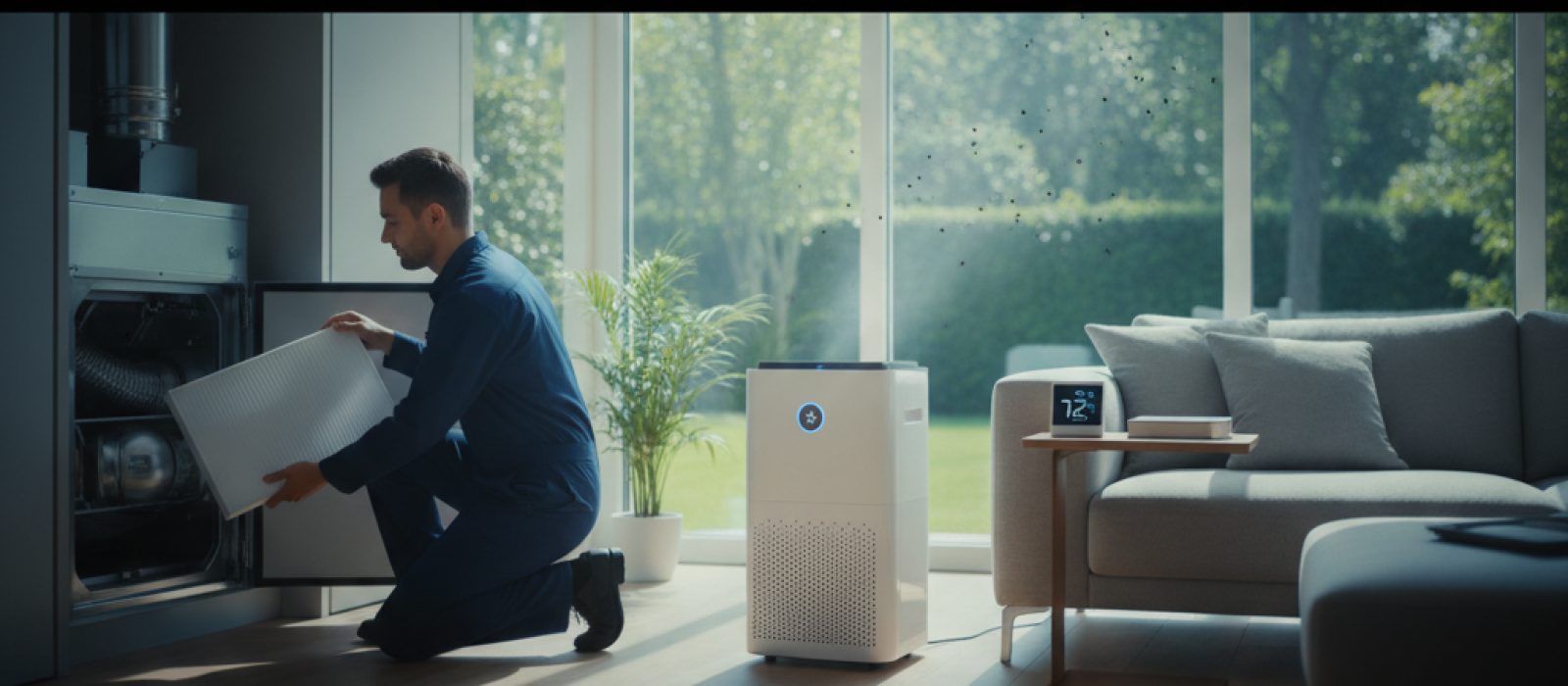
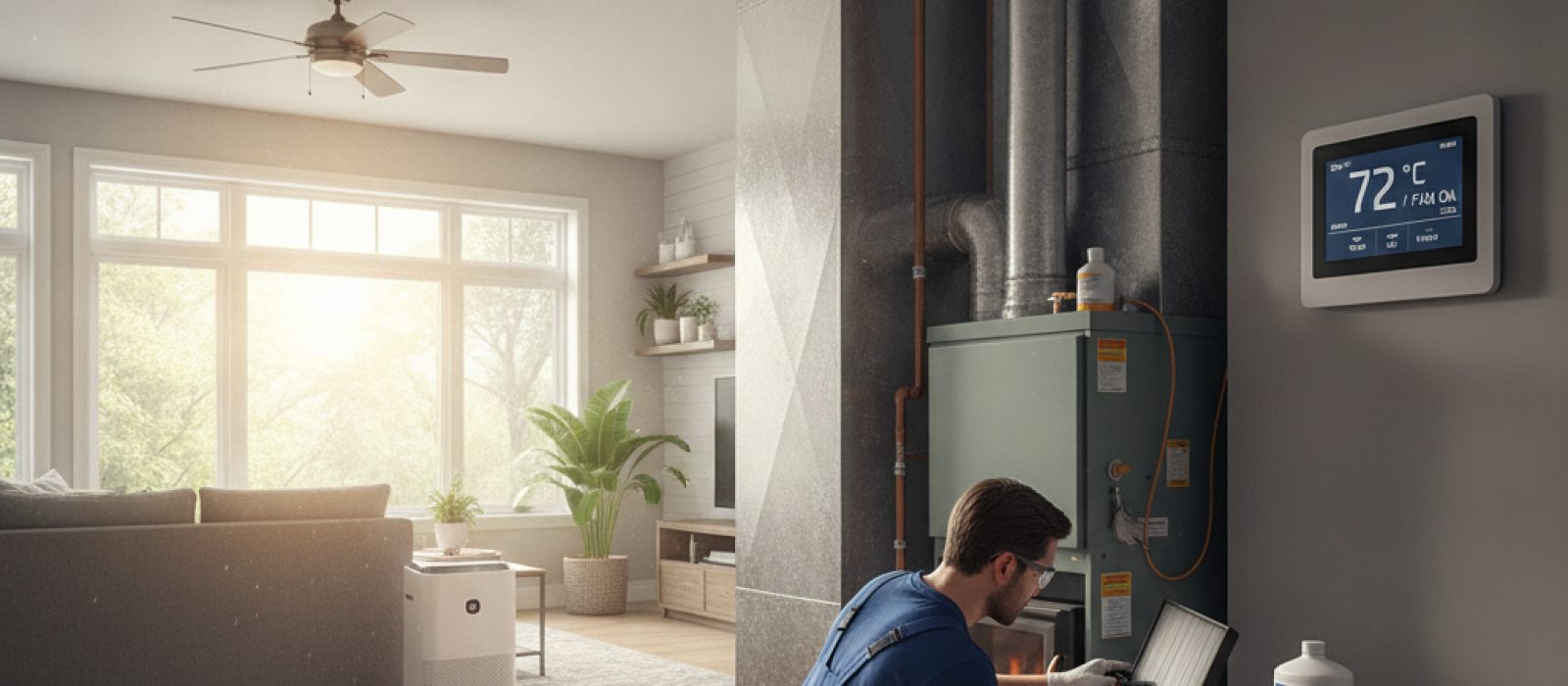
- Regular HVAC Maintenance: Schedule annual professional HVAC tune-ups. This ensures your system is balanced, ducts are sealed, and filters are changed regularly (every 1-3 months, depending on filter type and home conditions).
- Upgrade Your Air Filter: Consider using a higher MERV (Minimum Efficiency Reporting Value) filter. A MERV 8-11 is usually a good balance for most homes, capturing more particles without overly restricting airflow.
- Clean Strategically: Focus your dusting efforts on high-dust areas. Use a damp cloth to pick up dust rather than just scattering it. Vacuum carpets and upholstery frequently with a HEPA-filtered vacuum.
- Consider Room Design: In perpetually dusty rooms, minimize fabric surfaces where possible. Opt for hard flooring, blinds instead of heavy drapes, and furniture with smoother, easier-to-clean surfaces.
- Seal Air Leaks: Caulk around windows and doors to prevent outdoor dust intrusion.
- Introduce Air Purifiers: For particularly dusty rooms, a portable air purifier with a HEPA filter can significantly reduce airborne particles.
By understanding why certain rooms become dustier, you can take targeted steps to improve air quality and reduce cleaning time, making your entire home a more comfortable and healthier place to live.