
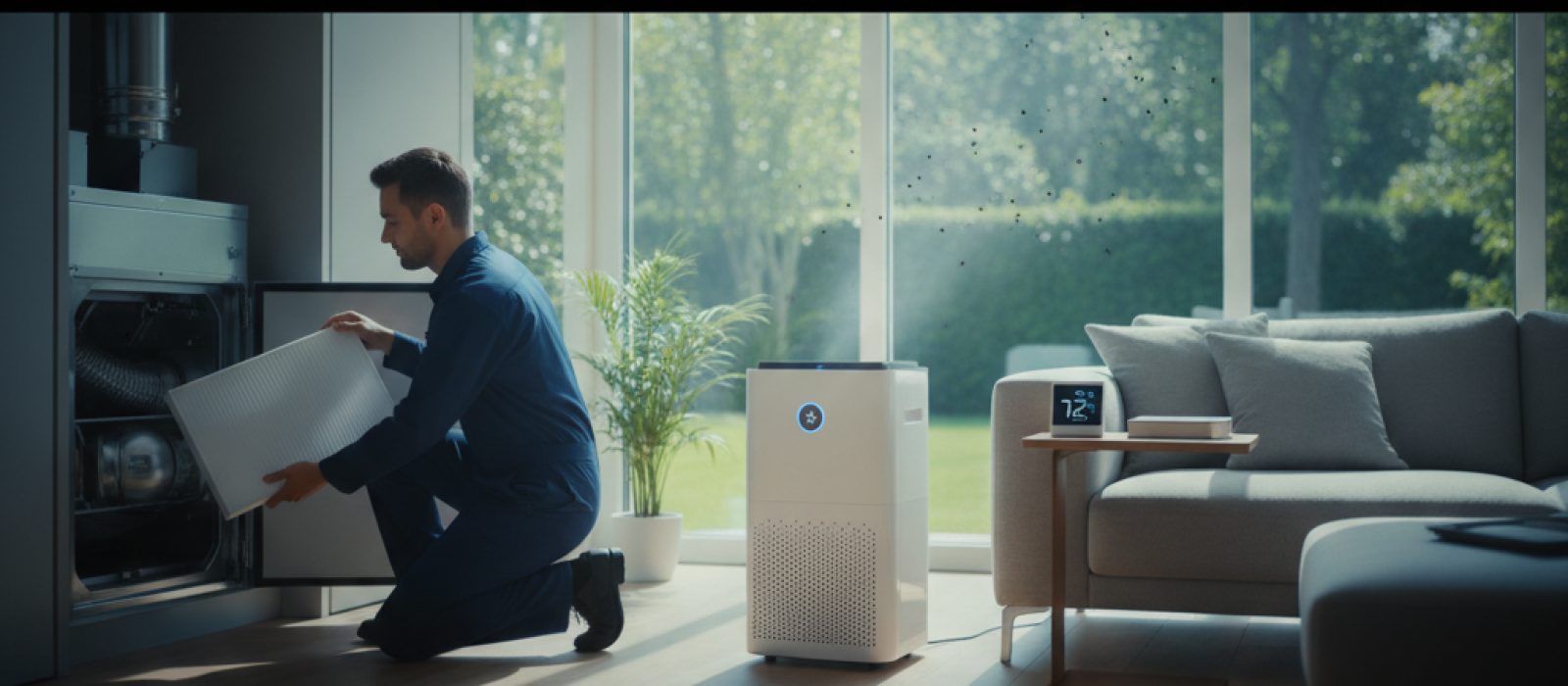
HEPA Air Cleaners for Allergies: What Actually Works
Learn how HEPA air cleaners function, their limitations in home environments, and how to effectively manage indoor air quality for allergy relief.
4 min read

Improving indoor air quality often begins with a choice between whole-house air purification systems and portable units. Whole-house systems integrate directly into your existing HVAC infrastructure, while portable units are standalone appliances designed for specific rooms. Selecting the right approach depends on your home’s square footage, the specific pollutants you aim to remove, and your long-term maintenance preferences.
Whole-house air purifiers are installed within your ductwork or attached to your air handler. Because they operate whenever your furnace or air conditioner is running, they provide a consistent, systematic approach to cleaning the air circulating throughout the entire residence. This method is highly effective for managing dust, pollen, and pet dander across multiple rooms simultaneously.
The primary advantage of a whole-house system is convenience. Once installed by a professional, these systems require minimal daily interaction beyond periodic filter replacements. Because the air is filtered at the source before it is distributed through the ducts, the system helps keep the interior of your ventilation pathways cleaner, which is a significant factor in long-term Air Duct Cleaning requirements.
Not every HVAC system can accommodate high-efficiency air cleaners. Installation often requires modifying existing return-air ductwork to house the filtration media or electronic components. Homeowners should consult with a technician to evaluate static pressure and blower motor capacity before installation. If your current system is older, a professional inspection of your Heating Services or cooling components may be necessary to ensure the blower can handle the added resistance of a high-MERV filter.
Portable air purifiers are designed to manage air quality in a single room or defined area. They are ideal for renters or homeowners who need to address specific localized issues, such as smoke in a home office or allergens in a bedroom. These units typically utilize a fan to draw air through a filter and return it to the room, operating independently of your home's central climate control system.
Portable units offer the flexibility to move the device where it is most needed. They are particularly useful for those who do not have central heating or cooling systems. However, maintenance is more frequent; filters in portable units often have lower surface areas and require replacement or cleaning on a tighter schedule to maintain airflow and efficiency.
The effectiveness of a portable unit is strictly limited to its Clean Air Delivery Rate (CADR) relative to the size of the room. Placing a small unit in an open-concept living area often results in ineffective air scrubbing. For comprehensive coverage, relying on multiple portable units can become costly and visually intrusive, whereas a whole-house system handles the volume of the entire home through the existing Indoor Air Quality infrastructure.
When deciding between the two, assess your specific air quality triggers. If you struggle with seasonal allergies that affect the entire household, a whole-house system provides a more uniform environment. If you are concerned about volatile organic compounds (VOCs) or odors in a specific workshop or kitchen, a portable unit with carbon filtration may be more practical.
All air purification systems rely on the integrity of their filters. In a whole-house system, filter changes are usually performed every few months, often coinciding with seasonal Maintenance & Tune-up visits. Portable units require the user to monitor filter status independently. Neglecting these tasks in either system leads to reduced airflow, increased energy consumption, and diminished air quality performance.
Portable units simply require a standard grounded electrical outlet. However, avoid using extension cords, as they can pose a fire risk if the unit draws significant power. Whole-house electronic air cleaners often require a dedicated low-voltage connection to the HVAC control board. If you suspect an electrical issue with your system or need to integrate a new purifier, consult an professional specializing in Electrical Services to ensure the installation meets local code requirements.
A whole-house system is a permanent investment that integrates into your home’s mechanical backbone. It works best when the fan is set to the 'on' position, ensuring continuous air circulation. Portable units are effective but require active management, including placement away from walls and furniture to ensure proper intake and exhaust. By understanding the mechanical limits of your current HVAC system, you can choose the solution that provides the best balance of air quality improvement and operational ease.
Learn how HEPA air cleaners function, their limitations in home environments, and how to effectively manage indoor air quality for allergy relief.
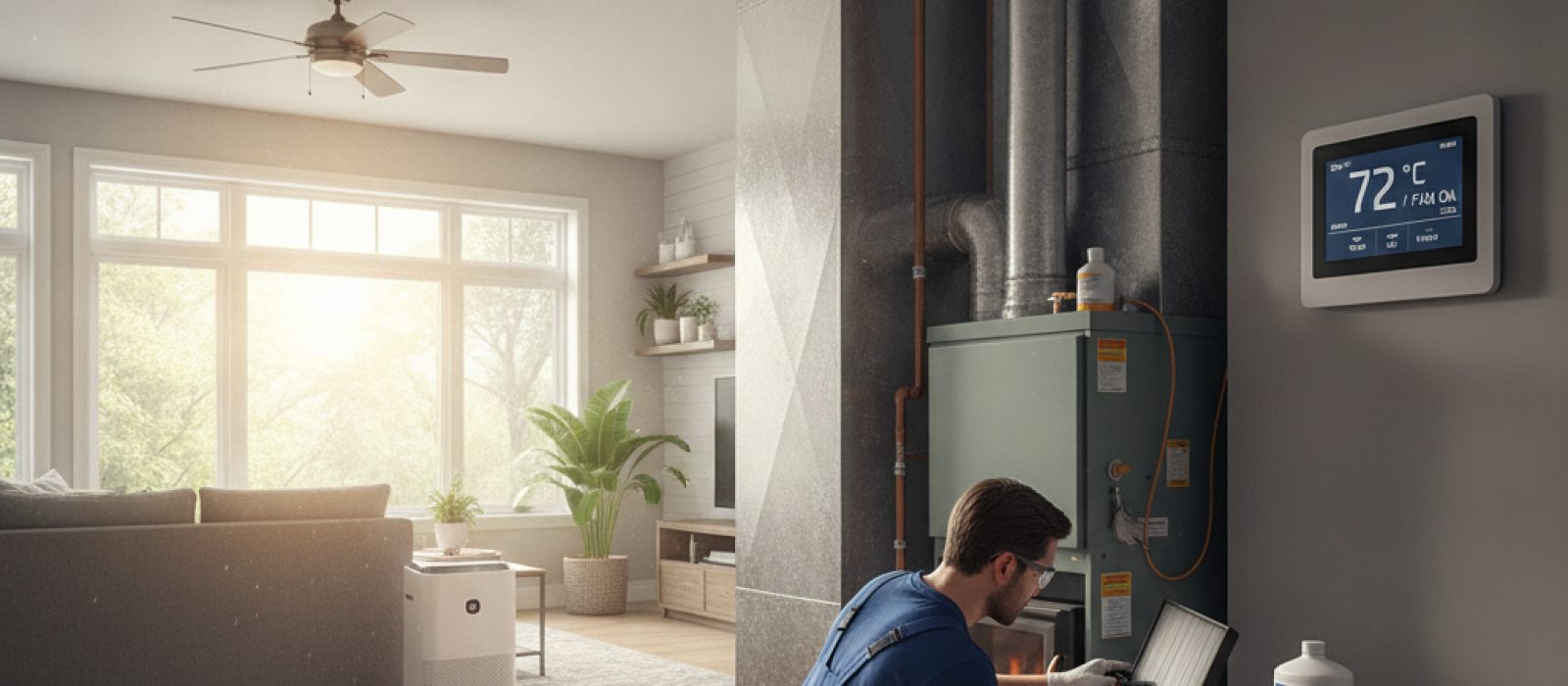
Learn to identify common indoor pollutants and discover practical, effective strategies to improve the air quality within your home.
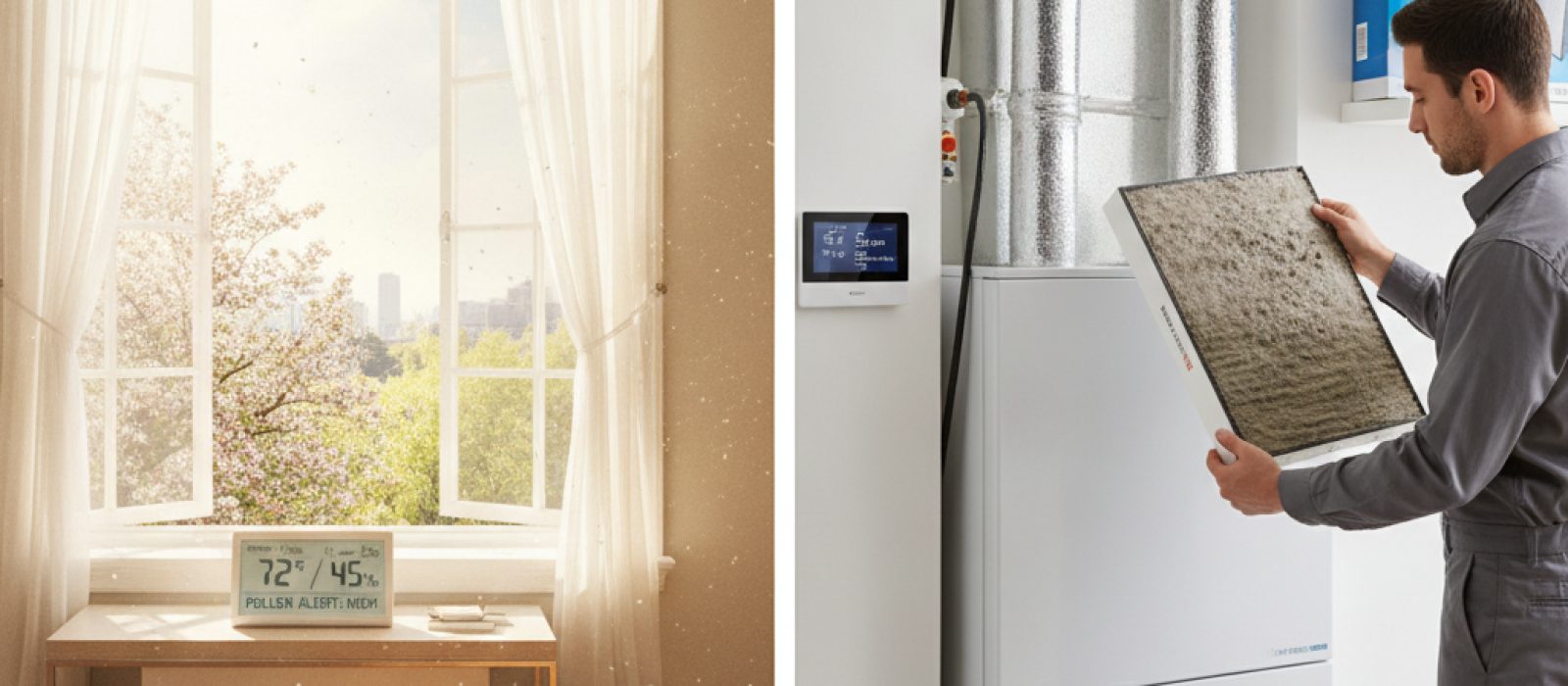
Learn the balance between natural ventilation and mechanical filtration to maintain optimal indoor air quality in your home.
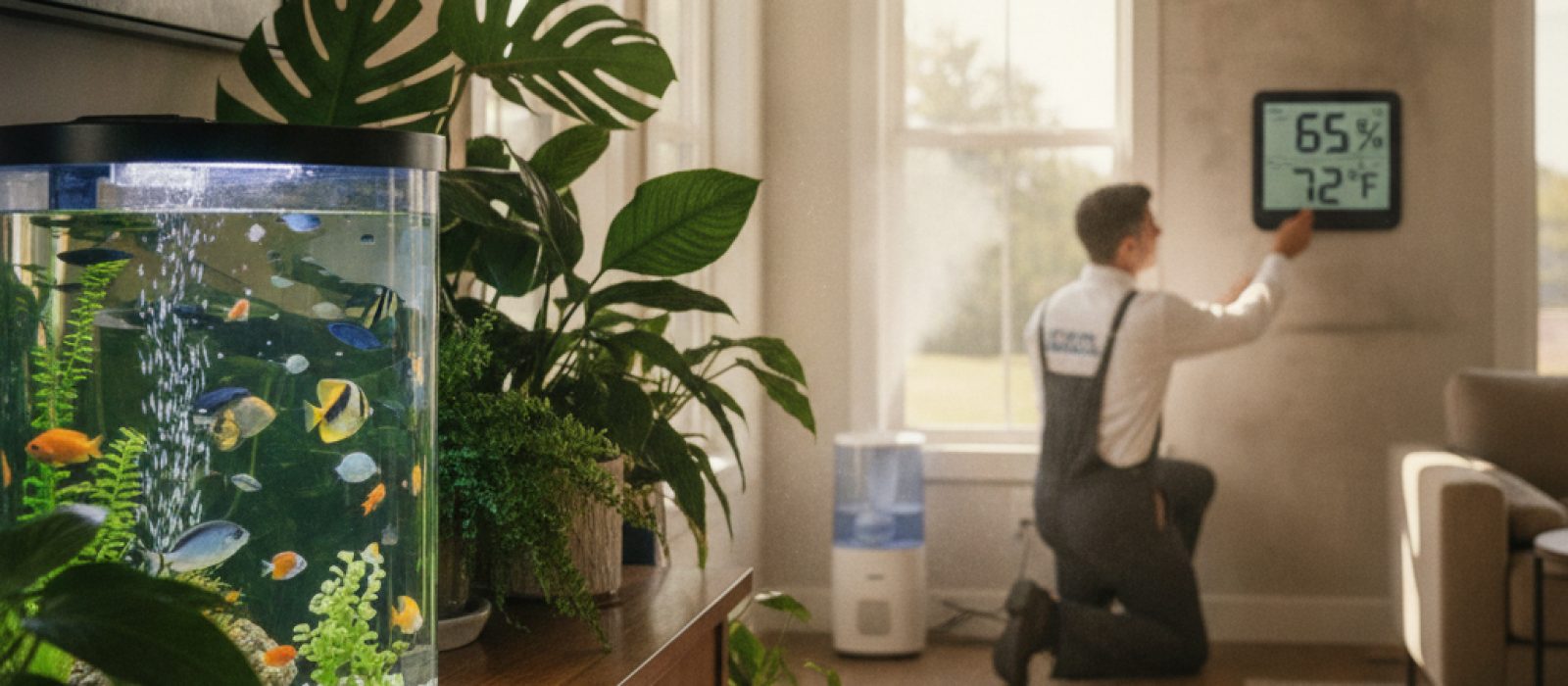
Learn how common household features like aquariums and plants impact indoor air quality and how to manage the resulting humidity levels effectively.
Discover how holiday traditions impact your home's indoor air quality and learn practical steps to maintain a healthy breathing environment this winter.
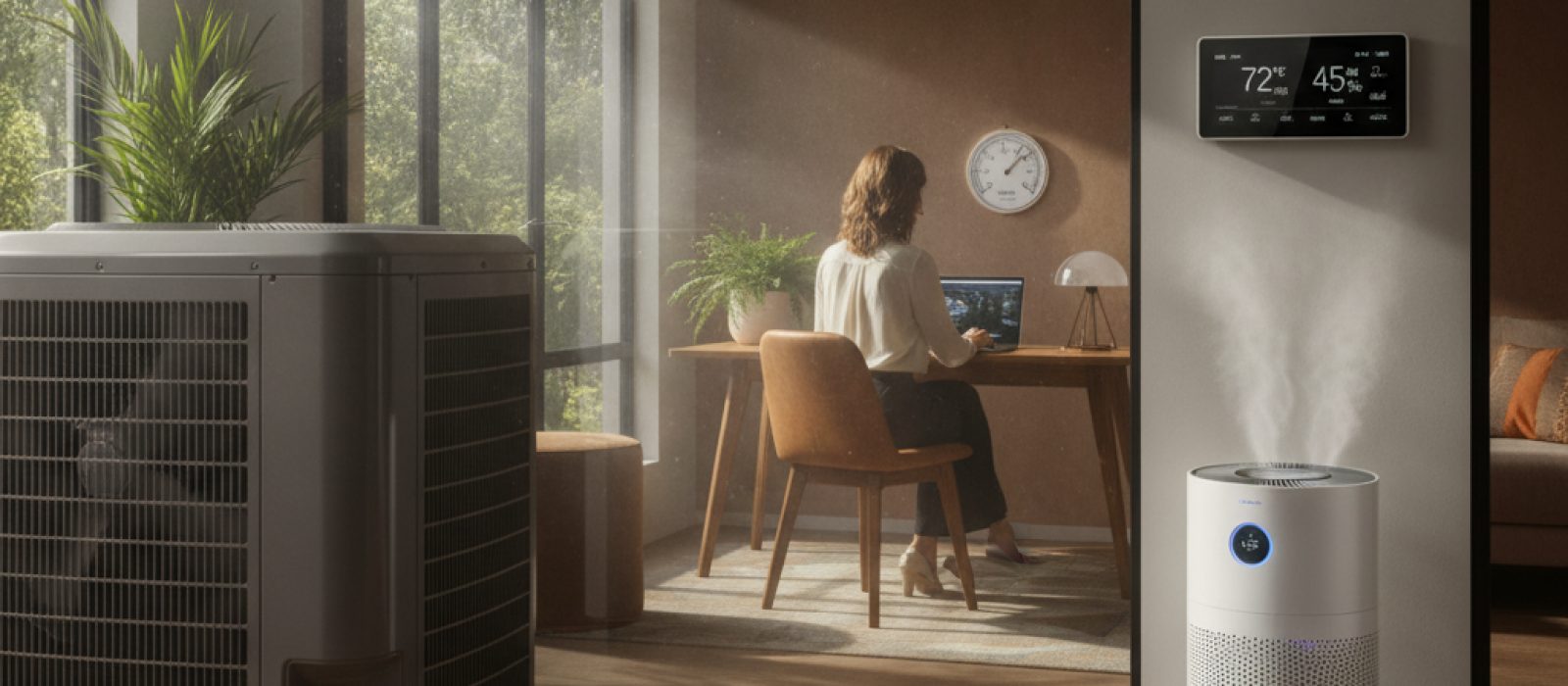
Improve productivity and health by optimizing the indoor air quality of your home office through ventilation, filtration, and humidity control.
Be the first to comment.