
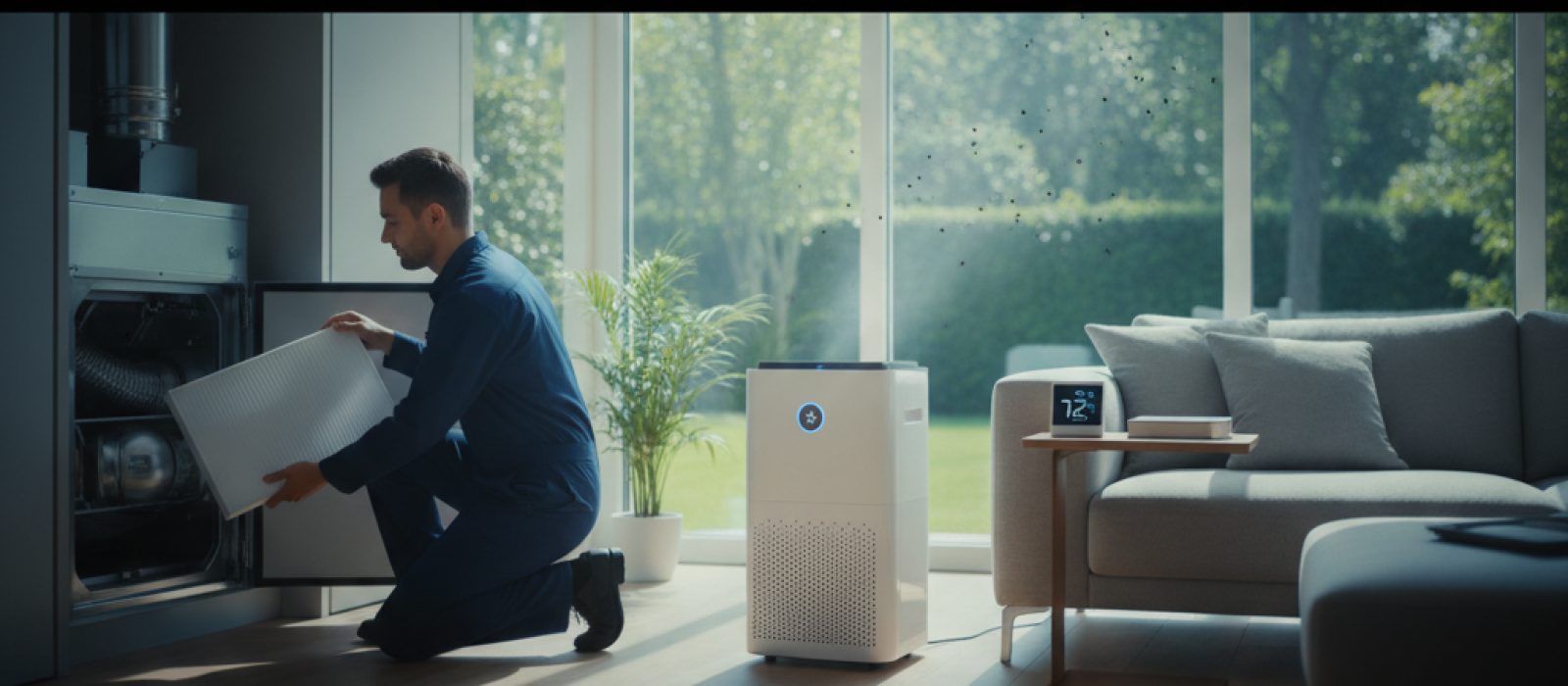
HEPA Air Cleaners for Allergies: What Actually Works
Learn how HEPA air cleaners function, their limitations in home environments, and how to effectively manage indoor air quality for allergy relief.
3 min read

Professional air duct cleaning involves the systematic removal of dust, debris, and contaminants from a home's forced-air heating and cooling system. This process requires specialized equipment designed to dislodge particles from the interior surfaces of the ductwork and extract them from the home entirely. By addressing these hidden areas, homeowners can improve overall indoor air quality and potentially support the efficiency of their HVAC equipment.
Before any cleaning tools enter the ductwork, a technician performs a thorough inspection of the entire system. This initial assessment identifies the presence of significant dust buildup, mold growth, or pest intrusion. The technician examines the supply and return vents, the air handler, and the blower compartment to determine the appropriate cleaning methodology required for the specific layout of the home.
Containment is a critical phase of the process to ensure that debris is not redistributed throughout the living space during cleaning. Technicians seal off all supply and return registers with specialized covers or adhesive film. This creates a closed-loop environment, allowing the vacuum system to maintain the negative pressure necessary to pull contaminants out of the ducts effectively.
Once the system is under negative pressure, the technician uses agitation tools to loosen material clinging to the interior walls of the ducts. Common tools include:
As these tools agitate the interior, a powerful, truck-mounted or portable high-efficiency particulate air (HEPA) vacuum system pulls the dislodged material through the ducts and into a sealed filtration unit.
While the ductwork is the primary focus, the air handler itself requires attention to ensure the system functions optimally. The technician cleans the evaporator coils, the blower motor, and the drain pan. If the system shows signs of heavy accumulation, it may be time for a comprehensive Maintenance & Tune-up to ensure the blower is operating at peak performance. Cleaning these components prevents the immediate re-contamination of the newly cleaned ducts.
After the physical debris is removed, some homeowners choose to apply a sanitizing or antimicrobial treatment to the interior of the ductwork. This step is particularly relevant in homes where moisture issues have led to microbial growth. Once completed, the technician removes all containment materials and performs a final walk-through to ensure all registers are properly reattached and the system is balanced. Regular attention to these systems is a cornerstone of effective Indoor Air Quality management.
Professional cleaning is not always necessary on a yearly basis, but certain conditions warrant a service call. If you have recently completed home renovations that generated significant drywall dust, or if you have discovered evidence of vermin or mold, professional intervention is advised. Furthermore, if you are experiencing persistent respiratory issues that seem to worsen when the system runs, it may be beneficial to consult an expert regarding your Indoor Air Quality.
While duct cleaning addresses the distribution network, it is often performed in conjunction with other essential care. For example, if your system is struggling to heat or cool effectively, a technician might check your Furnace Services or AC Services records to see if the airflow restriction is actually due to a failing blower or a clogged filter rather than duct debris. Combining these tasks during a single visit can provide a more holistic approach to home comfort and system longevity.
Learn how HEPA air cleaners function, their limitations in home environments, and how to effectively manage indoor air quality for allergy relief.
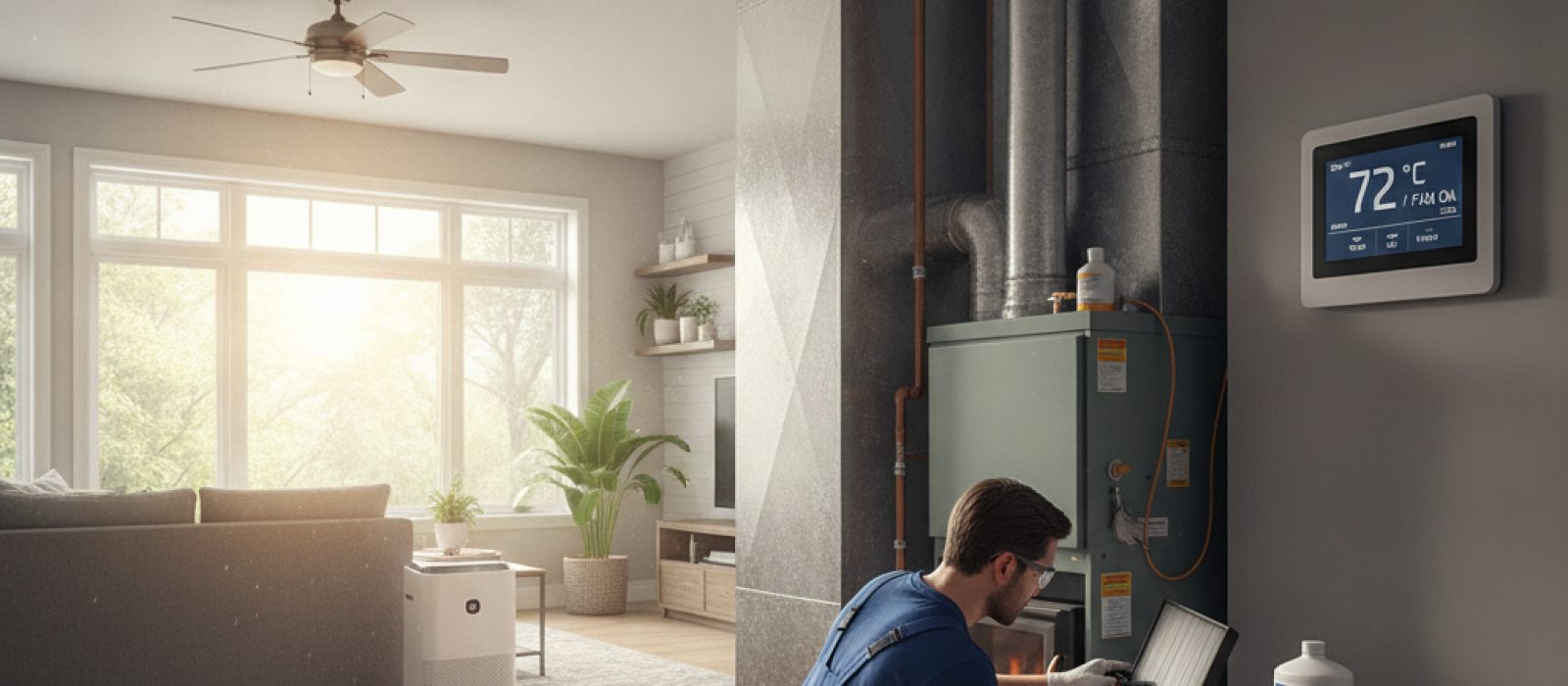
Learn to identify common indoor pollutants and discover practical, effective strategies to improve the air quality within your home.
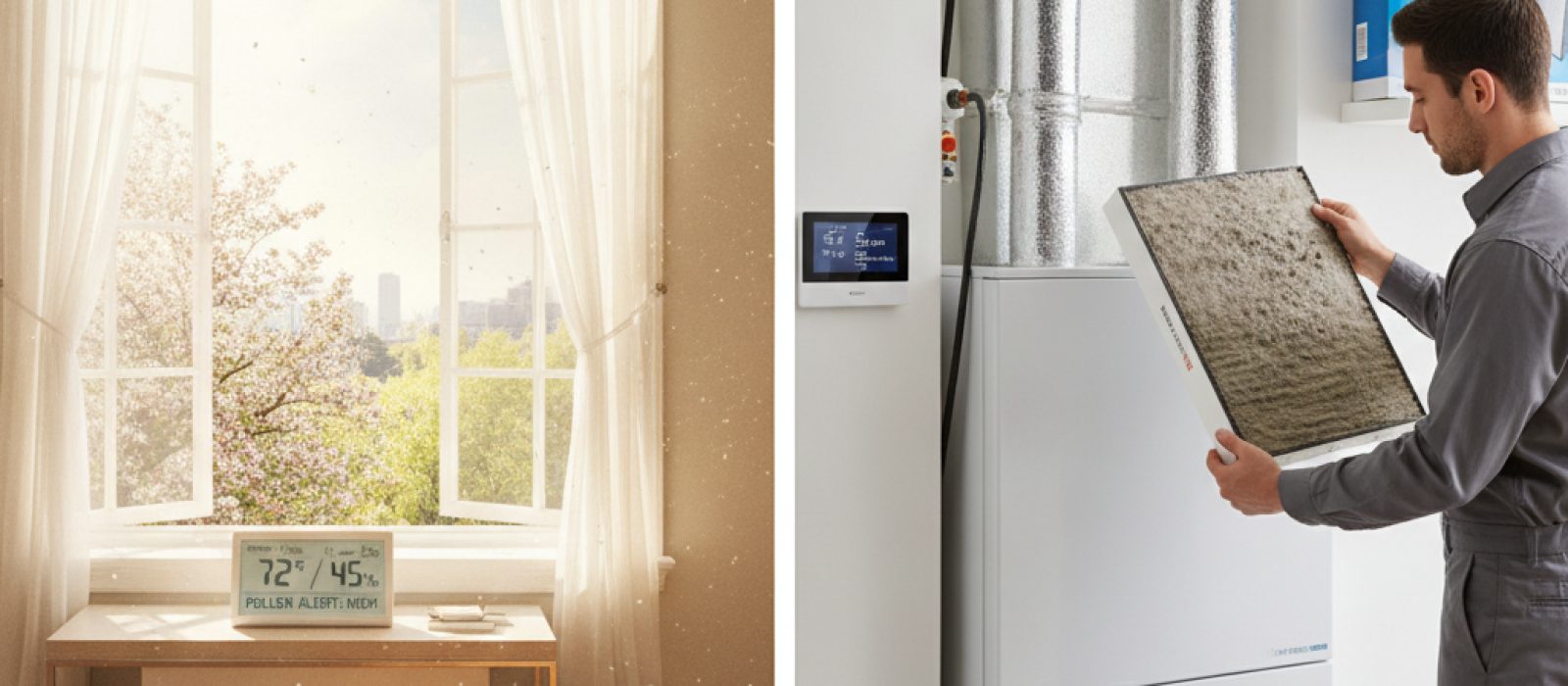
Learn the balance between natural ventilation and mechanical filtration to maintain optimal indoor air quality in your home.
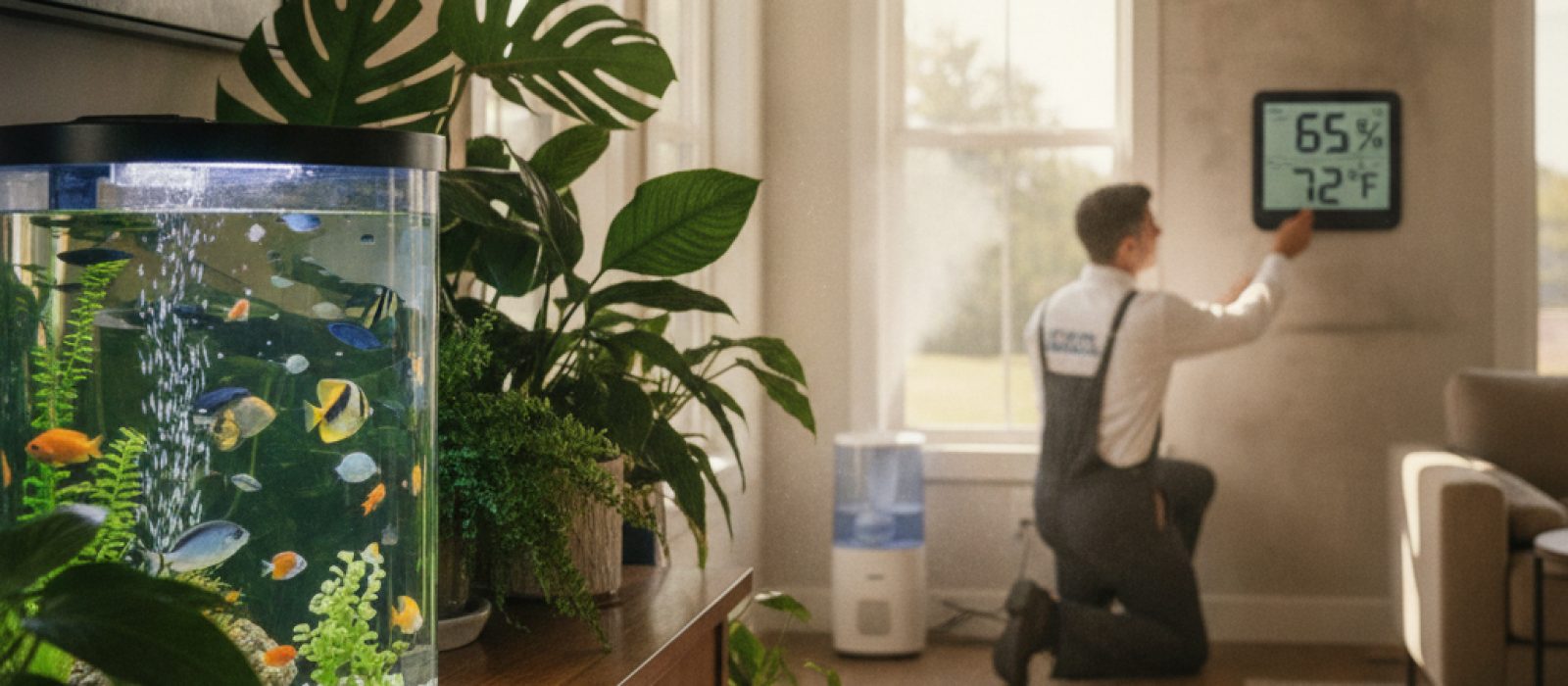
Learn how common household features like aquariums and plants impact indoor air quality and how to manage the resulting humidity levels effectively.

Discover how holiday traditions impact your home's indoor air quality and learn practical steps to maintain a healthy breathing environment this winter.
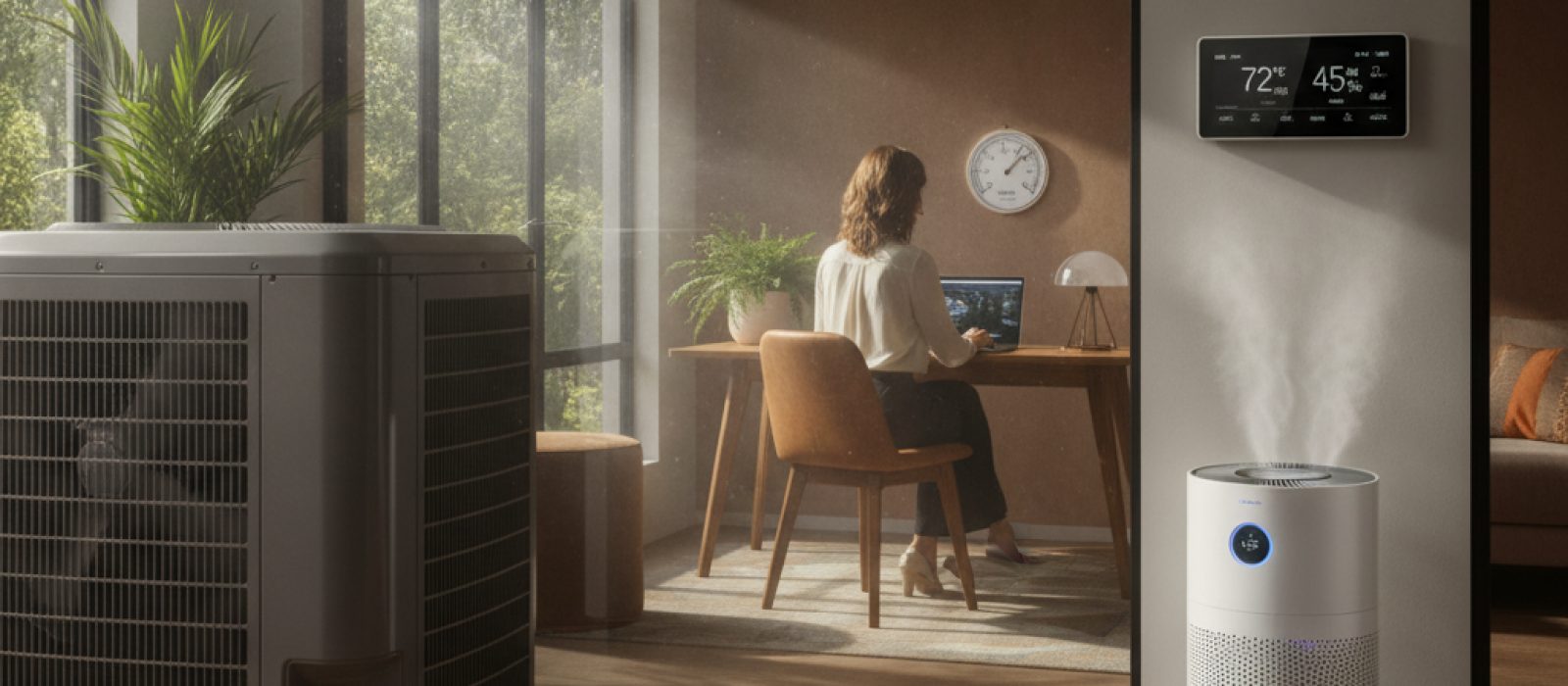
Improve productivity and health by optimizing the indoor air quality of your home office through ventilation, filtration, and humidity control.
Be the first to comment.