
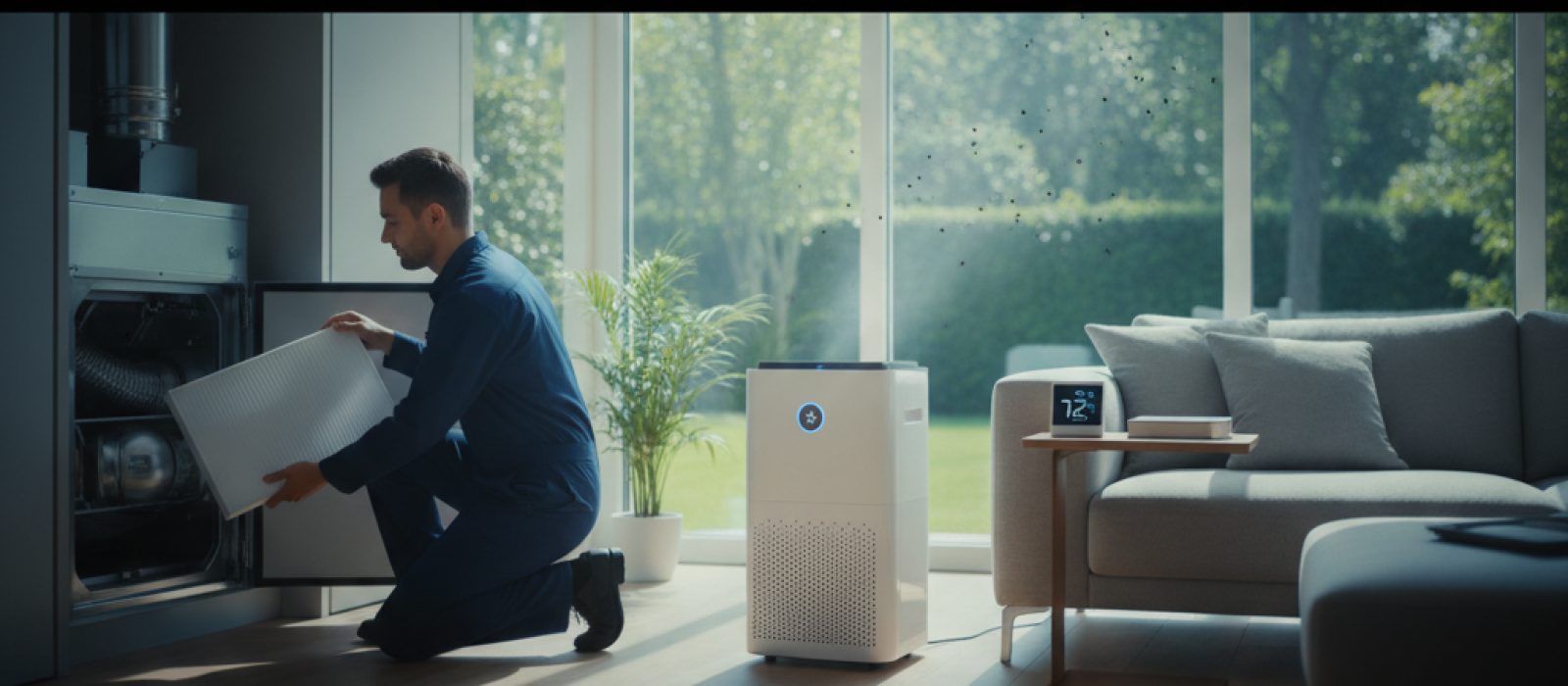
HEPA Air Cleaners for Allergies: What Actually Works
Learn how HEPA air cleaners function, their limitations in home environments, and how to effectively manage indoor air quality for allergy relief.
4 min read

You might have heard the term VOCs, or Volatile Organic Compounds, but what do they really mean for your home and your health? Simply put, VOCs are a large group of chemicals that are gases at room temperature. Many of them have a strong odor, like the "new car smell" or the scent of fresh paint, but some are odorless. While some VOCs occur naturally, a significant portion found indoors are man-made and can be released from a wide array of household products and building materials.
The concern with VOCs lies in their potential health effects. Exposure to high levels, or even long-term exposure to lower levels, can lead to various symptoms. These can range from eye, nose, and throat irritation, headaches, dizziness, and nausea, to more serious long-term issues affecting the liver, kidney, and central nervous system. Children, the elderly, and individuals with respiratory conditions like asthma are often more susceptible to these effects.
VOCs are surprisingly prevalent in our daily lives. Identifying their sources is the first step toward reducing them. Here are some of the most common culprits you might find in your home:
Improving your home's air quality doesn't require drastic measures. A combination of conscious choices and good habits can make a significant difference. Here’s how you can effectively reduce VOCs:
Whenever possible, opt for paints, varnishes, adhesives, and sealants labeled as low-VOC or zero-VOC. Many manufacturers now offer these healthier alternatives without sacrificing performance. The same goes for cleaning products; look for natural, unscented, or VOC-free options.
Ventilation is your best friend when it comes to dispersing VOCs. Open windows and doors whenever the weather permits, especially when you're painting, cleaning, or bringing new furniture into your home. Use exhaust fans in bathrooms and kitchens to vent moisture and pollutants directly outside. If you have an HVAC system, ensure it’s properly maintained and consider running the fan periodically to circulate and filter indoor air.
Store paints, solvents, and other chemical-containing products in a well-ventilated area, preferably outdoors in a shed or garage, rather than inside your living space. Always ensure lids are tightly sealed to prevent off-gassing.
Your heating, ventilation, and air conditioning system plays a crucial role in managing indoor air quality. Regular maintenance, including changing air filters frequently (every 1-3 months, depending on usage and household factors), helps capture airborne particles and some pollutants. Consider upgrading to higher-MERV rated filters, which are more effective at trapping smaller particles. An HVAC professional can also advise on whole-home air purification systems that can target VOCs.
While some houseplants can help filter certain airborne toxins, their impact on overall VOC levels in a typical home is often minimal compared to source reduction and ventilation. If you choose to use them, ensure they are healthy and not overwatered, as damp soil can sometimes contribute to mold growth.
Some air purifiers are specifically designed to target VOCs, often utilizing activated carbon filters in addition to HEPA filters for particulate matter. Research different types and choose one that addresses your specific concerns. An HVAC expert can guide you on whole-home solutions versus portable units.
Reducing VOCs in your home is an ongoing process, but by making informed choices and adopting better habits, you can significantly improve your indoor air quality. A healthier home environment not only benefits your immediate comfort but also contributes to the long-term well-being of everyone living there. If you have concerns about your indoor air quality or want to explore HVAC solutions to combat VOCs, don't hesitate to consult with a trusted HVAC professional.
Learn how HEPA air cleaners function, their limitations in home environments, and how to effectively manage indoor air quality for allergy relief.
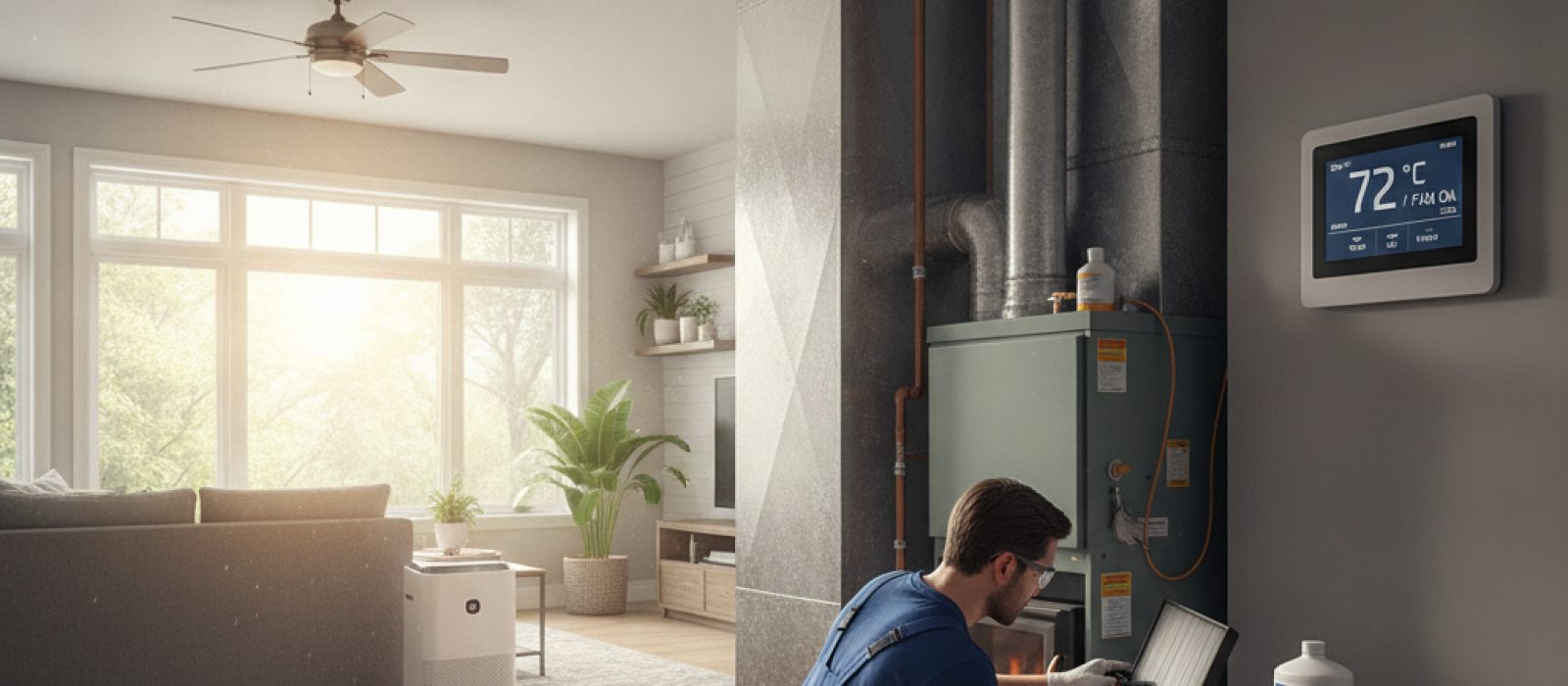
Learn to identify common indoor pollutants and discover practical, effective strategies to improve the air quality within your home.
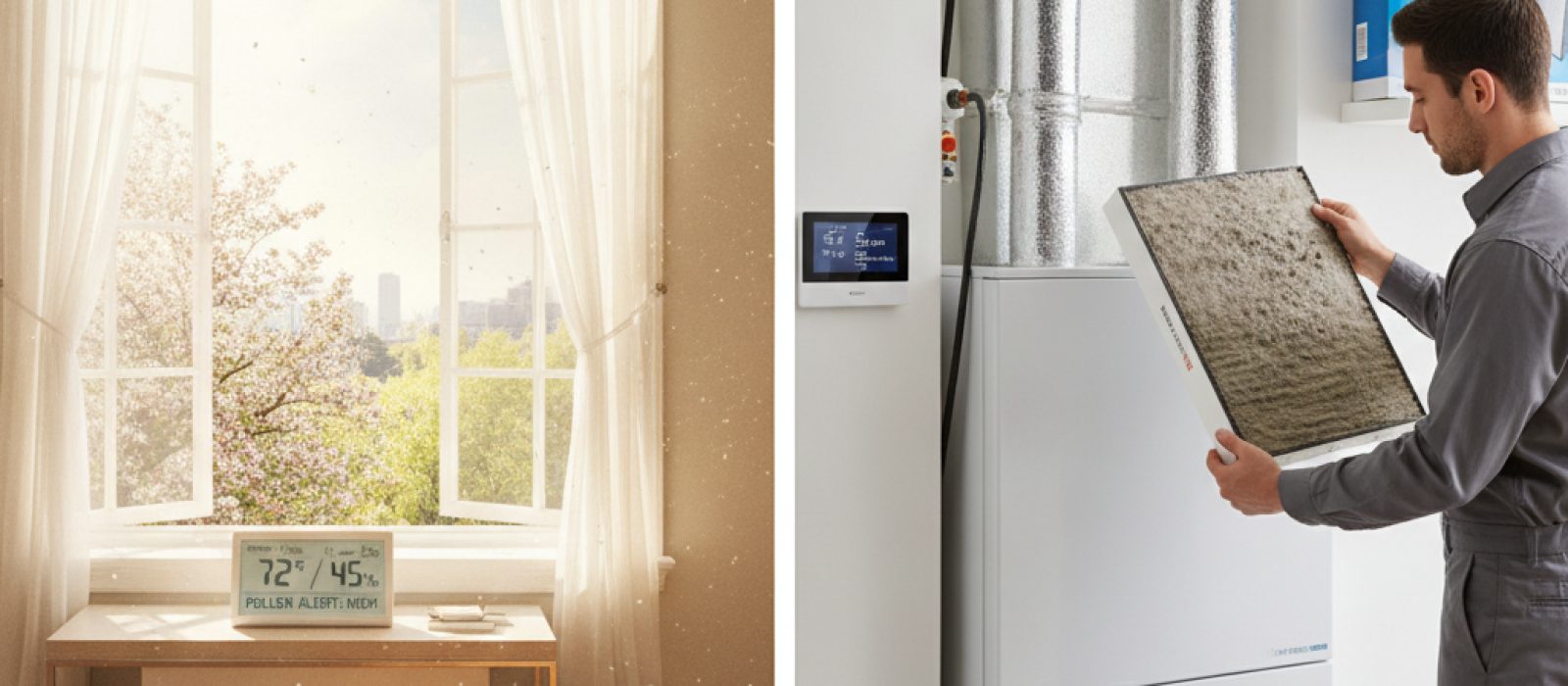
Learn the balance between natural ventilation and mechanical filtration to maintain optimal indoor air quality in your home.
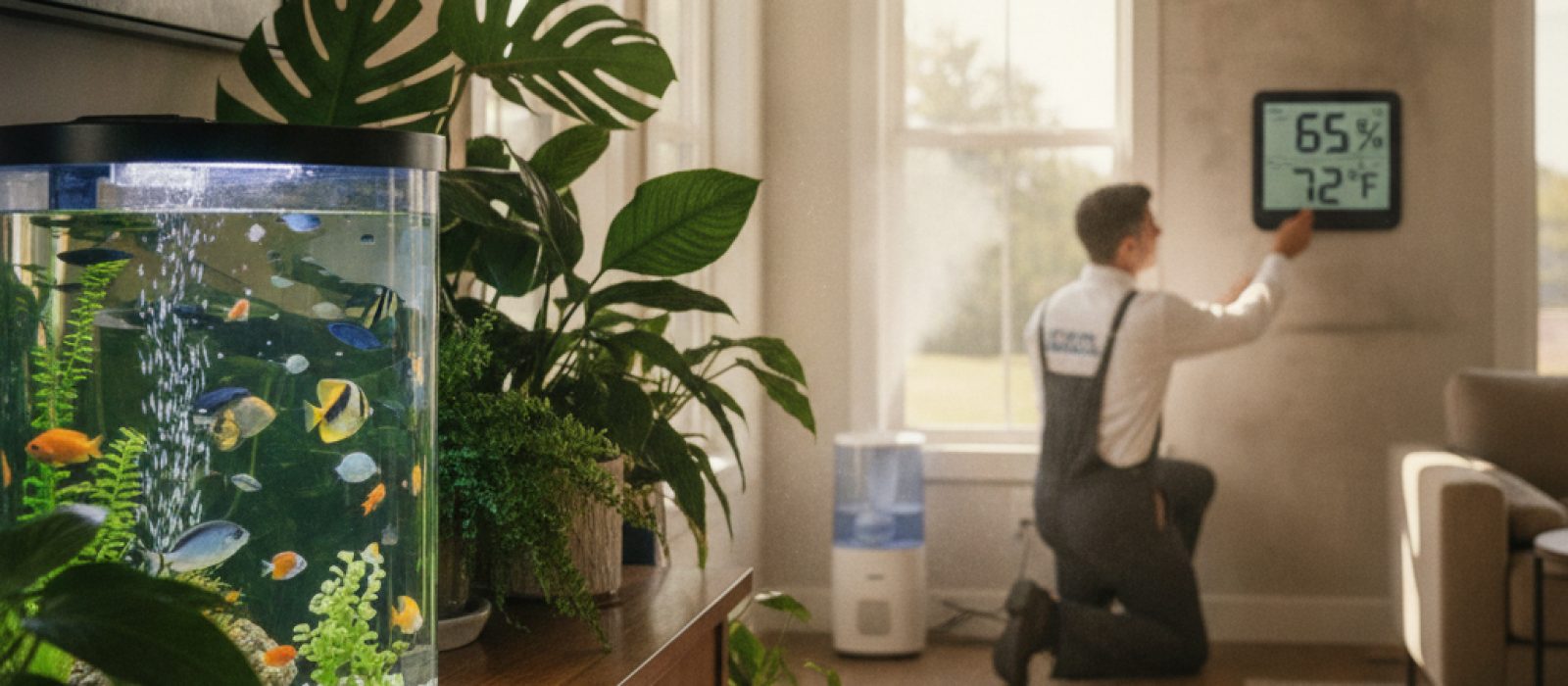
Learn how common household features like aquariums and plants impact indoor air quality and how to manage the resulting humidity levels effectively.

Discover how holiday traditions impact your home's indoor air quality and learn practical steps to maintain a healthy breathing environment this winter.
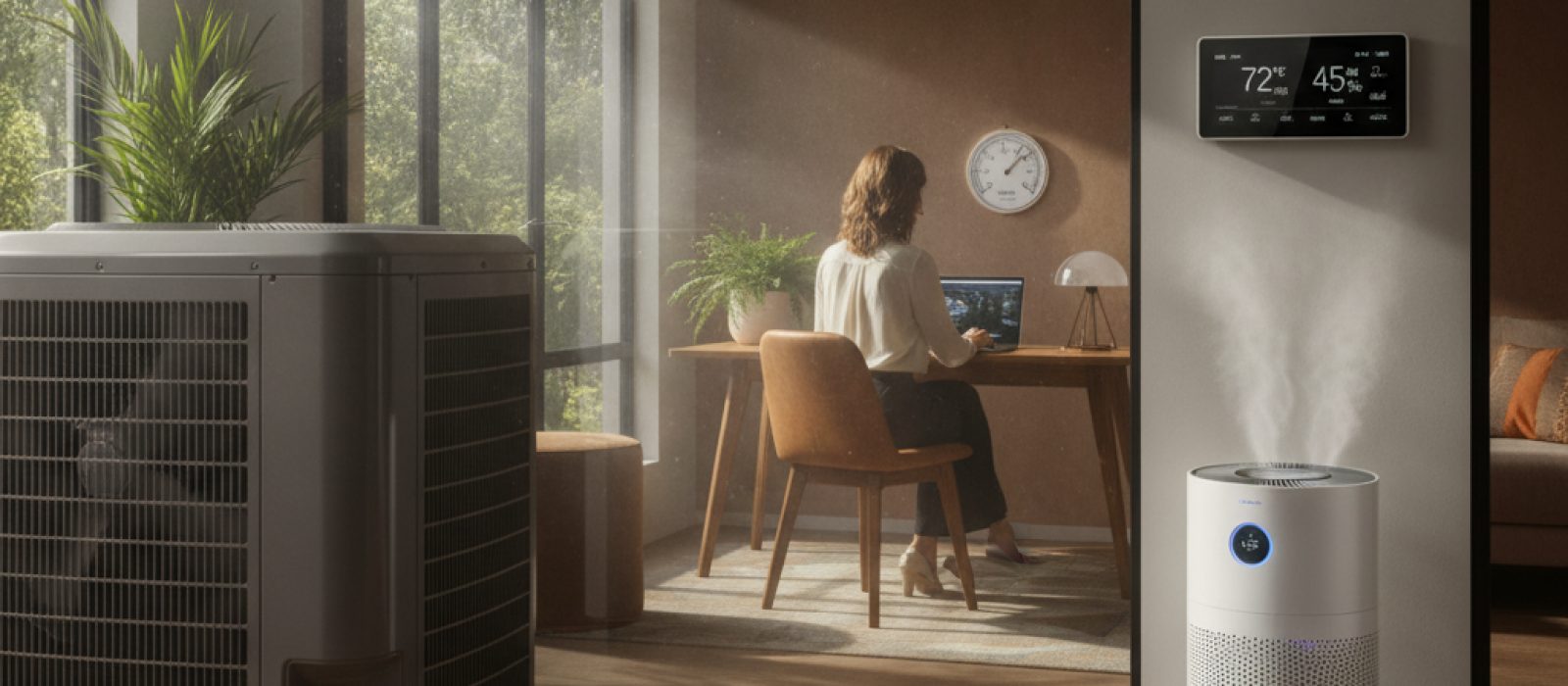
Improve productivity and health by optimizing the indoor air quality of your home office through ventilation, filtration, and humidity control.
Be the first to comment.