
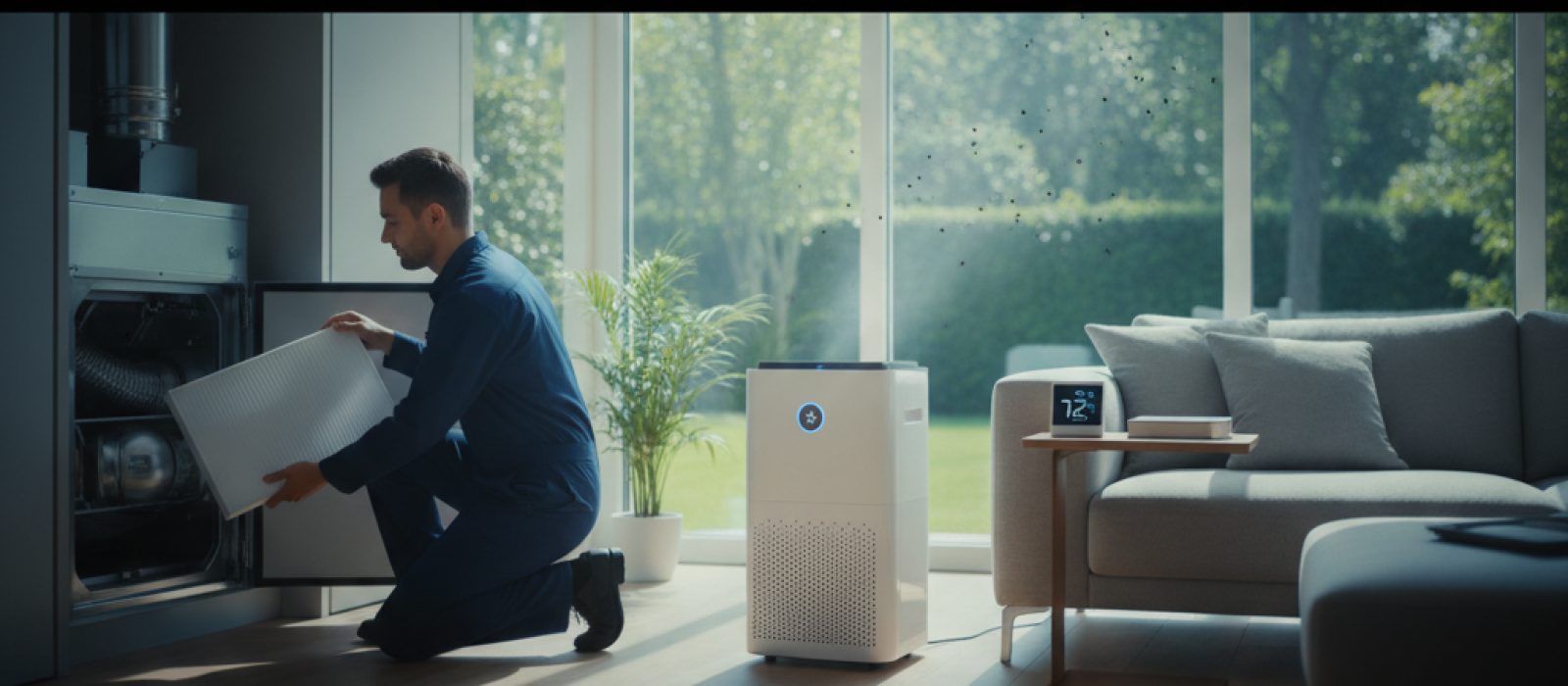
HEPA Air Cleaners for Allergies: What Actually Works
Learn how HEPA air cleaners function, their limitations in home environments, and how to effectively manage indoor air quality for allergy relief.
4 min read

As homeowners, we all want a comfortable and healthy living environment. When it comes to indoor air quality, two terms often come up: ventilation and filtration. While both are vital for maintaining good air, they serve distinct purposes and address different types of air quality issues. Understanding the difference can help you make better decisions about your HVAC system and overall home health.
Ventilation is essentially the process of exchanging indoor air with outdoor air. Think of it as your home 'breathing.' Its primary goal is to remove stale, polluted indoor air and replace it with fresh air from outside. This is crucial for several reasons:
Ventilation can be natural (air leaks, open windows/doors) or mechanical (exhaust fans, whole-house ventilation systems like ERVs or HRVs). Modern, tightly sealed homes often require mechanical ventilation to ensure adequate air exchange.
Filtration, on the other hand, is the process of removing airborne particles from the air as it circulates through your HVAC system. It doesn't exchange indoor air with outdoor air; instead, it cleans the air that's already inside your home. Your HVAC system's air filter is the most common example of this.
Here's why filtration is so important:
The effectiveness of filtration depends on the type of filter you use. Filters are rated by their MERV (Minimum Efficiency Reporting Value) rating, with higher MERV ratings indicating better particle capture.
It should be clear by now that ventilation and filtration are not interchangeable. They are complementary and equally essential for comprehensive indoor air quality management. Ventilation brings in fresh air and expels pollutants that filtration might not fully remove (like odors or high CO2 levels), while filtration cleans the air that circulates within your home, removing particles that might still be present in the incoming air or generated indoors.
A truly healthy home environment requires a balanced approach that incorporates both effective ventilation strategies and robust air filtration.
So, what can you do to ensure both proper ventilation and filtration in your home?
By understanding the roles of ventilation and filtration, you're better equipped to maintain a healthy, comfortable, and energy-efficient home. Don't hesitate to reach out to a trusted HVAC expert to discuss your specific indoor air quality needs.
Learn how HEPA air cleaners function, their limitations in home environments, and how to effectively manage indoor air quality for allergy relief.
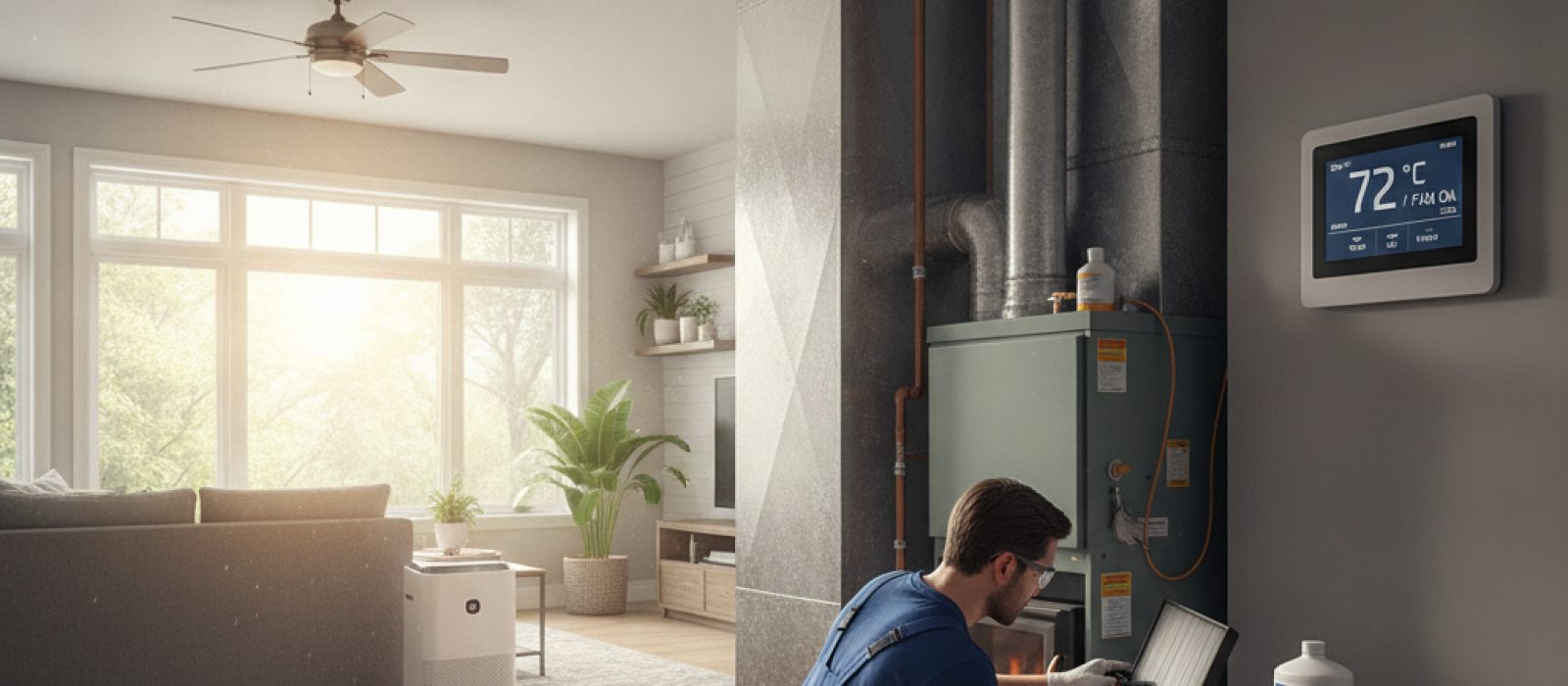
Learn to identify common indoor pollutants and discover practical, effective strategies to improve the air quality within your home.
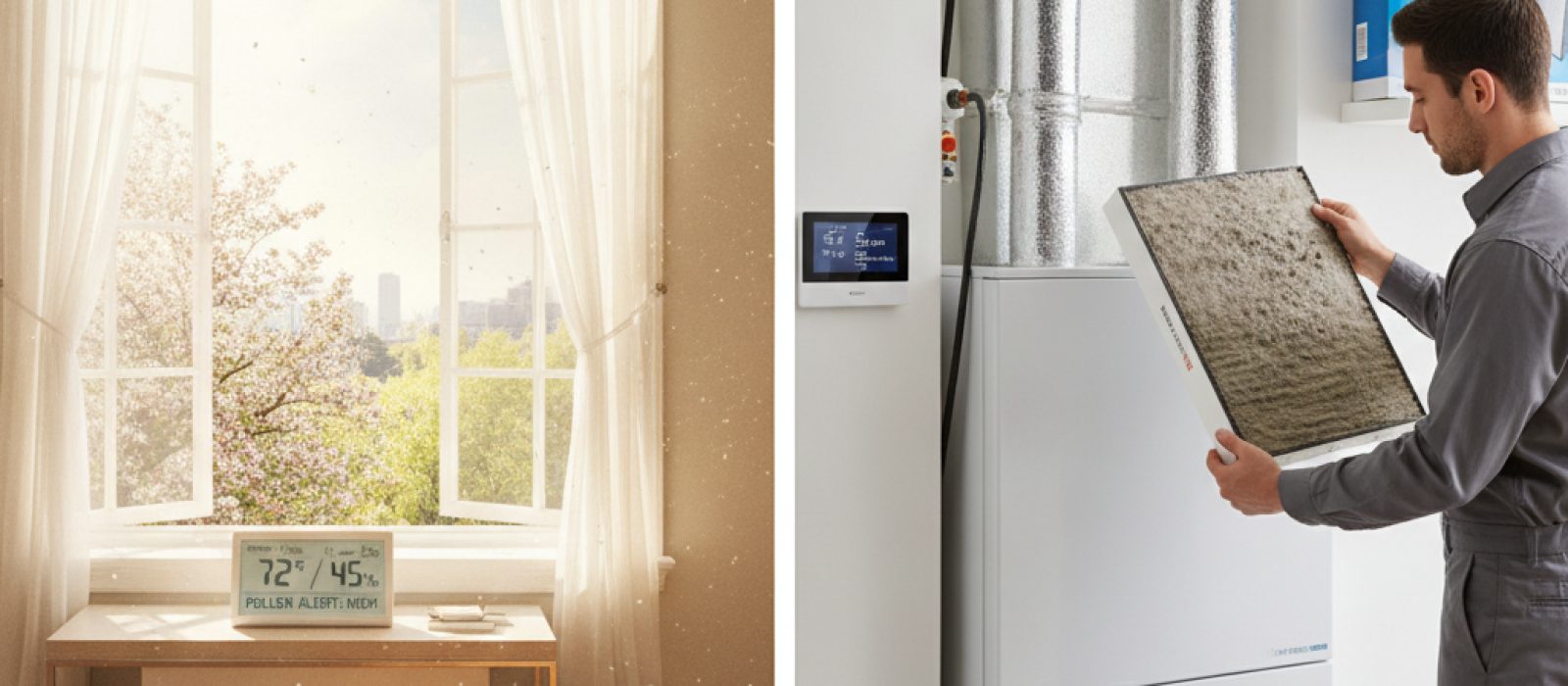
Learn the balance between natural ventilation and mechanical filtration to maintain optimal indoor air quality in your home.
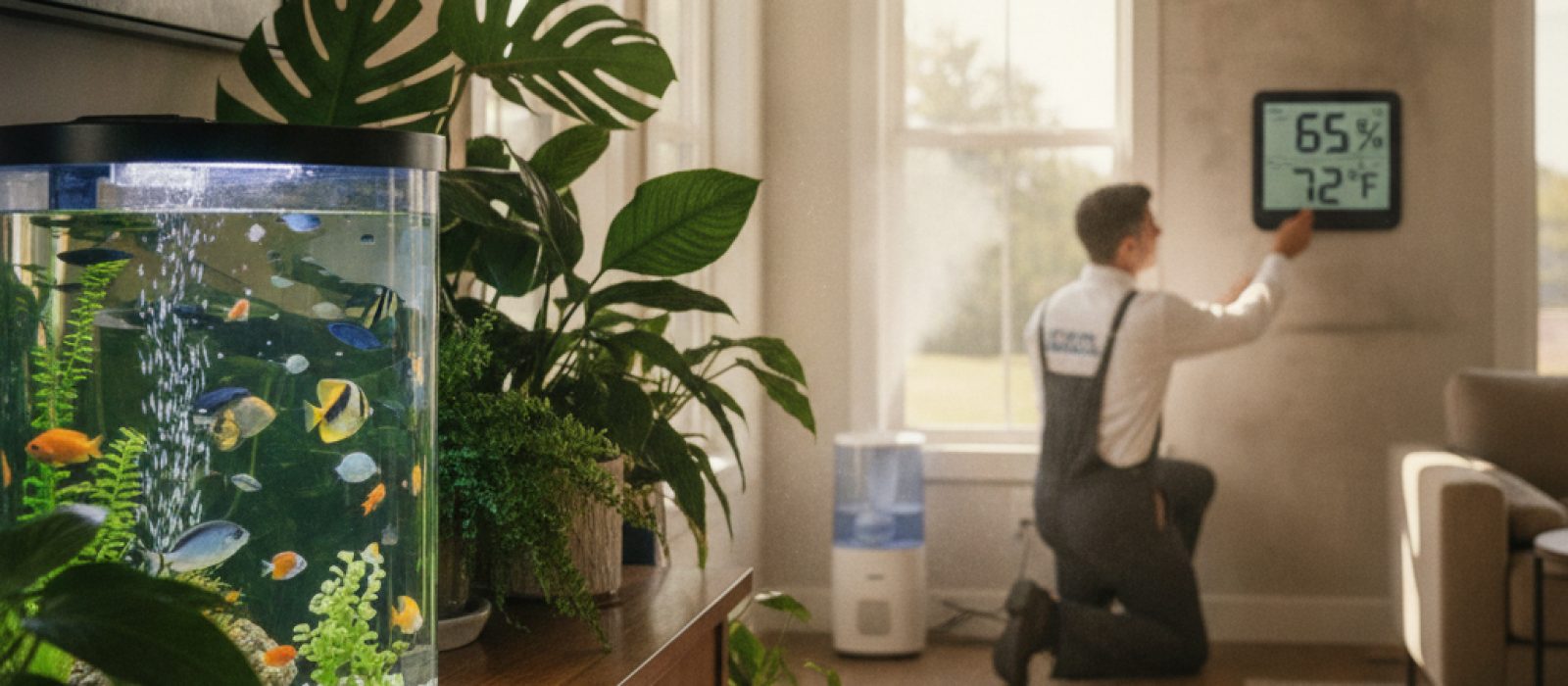
Learn how common household features like aquariums and plants impact indoor air quality and how to manage the resulting humidity levels effectively.
Discover how holiday traditions impact your home's indoor air quality and learn practical steps to maintain a healthy breathing environment this winter.
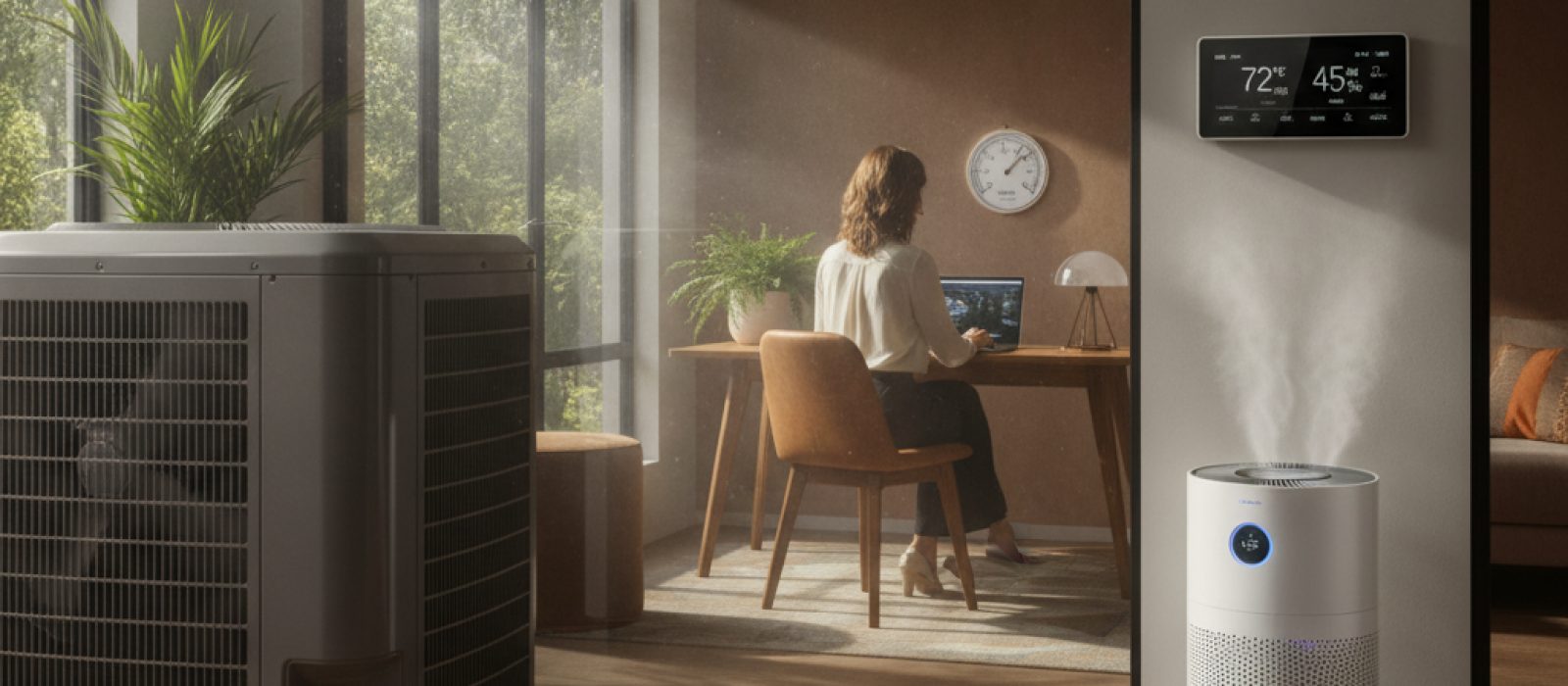
Improve productivity and health by optimizing the indoor air quality of your home office through ventilation, filtration, and humidity control.
Be the first to comment.