
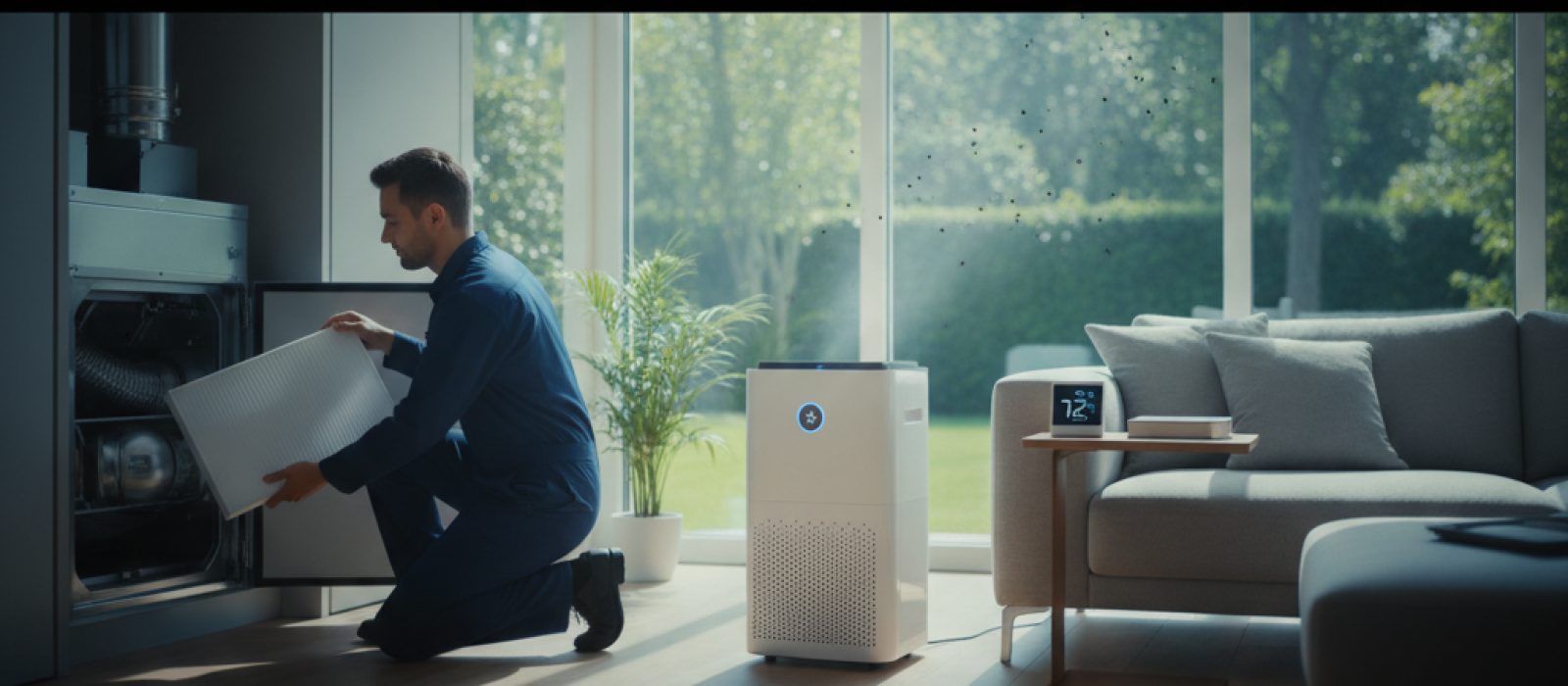
HEPA Air Cleaners for Allergies: What Actually Works
Learn how HEPA air cleaners function, their limitations in home environments, and how to effectively manage indoor air quality for allergy relief.
4 min read

Radon is a naturally occurring radioactive gas that enters homes through cracks in foundations, floor drains, and gaps around utility pipes. While radon is primarily a soil-gas issue, the way a home breathes—specifically through mechanical ventilation—directly influences how this gas moves within the living space. Understanding this interaction is a critical component of maintaining high-quality Indoor Air Quality.
Your HVAC system acts as an air distribution network. If a home has elevated radon levels, the pressure differentials created by heating and cooling equipment can either exacerbate or mitigate the concentration of gas in specific rooms. Negative pressure, often caused by exhaust fans or poorly balanced ductwork, can pull more soil gas into the building envelope, effectively drawing radon upward from the sub-slab environment.
Modern homes are designed to be energy-efficient and airtight. While this saves on energy costs, it can trap soil gases inside. When a furnace or air handler operates, it creates a cycle of supply and return air. If your home lacks proper ventilation, the system may simply recirculate air that contains trace amounts of radon, keeping the concentration levels stable rather than diluting them.
The pressure dynamics of a forced-air system are significant. If the return air ducts are leaky, the system may pull air from wall cavities or crawl spaces. If those spaces are connected to the soil, the HVAC system could inadvertently act as a vacuum, pulling radon gas into the living area. Ensuring your Ductwork Services are performed by a professional helps identify these pressure imbalances and seal leaks that compromise air integrity.
Mitigating radon often involves specialized sub-slab depressurization systems, but the HVAC system also plays a supporting role. Integrating Energy Efficient Solutions such as Heat Recovery Ventilators (HRVs) or Energy Recovery Ventilators (ERVs) can improve indoor air by exchanging stale, potentially radon-laden indoor air with fresh outdoor air. This process reduces the concentration of indoor pollutants without sacrificing thermal comfort.
These ventilation units provide a controlled way to introduce fresh air. By balancing the air pressure inside the home, you can reduce the suction effect that draws radon through the foundation. It is important to note that ventilation alone is rarely a substitute for a dedicated radon mitigation system, but it is a highly effective companion strategy for improving overall Indoor Air Quality.
Routine system care is essential for more than just comfort. During a standard inspection, a technician can evaluate the integrity of the return air system. If the return air plenum is pulling air from an unfinished basement or a damp crawl space, it is possible for the system to distribute soil-based contaminants throughout the home. Professional Maintenance & Tune-up visits are the ideal time to discuss air filtration and pressure management with a qualified expert.
Homeowners should also be aware that changing filters is a basic but necessary step. While standard filters do not capture radon gas, they keep the blower motor and coils clean. A clean system operates more efficiently, allowing for better airflow and consistent pressure management. If you notice persistent odors or high humidity in your basement, it may indicate that your HVAC system is pulling air from areas that require better sealing or remediation.
Every home should be tested for radon regardless of its HVAC setup. Testing kits are widely available, and long-term testing provides the most accurate picture of your home's year-round levels. Once you have your results, you can determine if your HVAC system requires modifications.
If testing confirms elevated levels, contact a licensed radon mitigation specialist. They will coordinate with HVAC professionals to ensure that any new ventilation equipment does not interfere with the performance of your existing heating and cooling units. Addressing the source of the radon at the foundation is the primary solution; modifying the HVAC system is the secondary layer of defense to ensure the air you breathe remains clean and safe.
Homeowners can safely perform visual checks on ductwork, such as looking for disconnected joints or large gaps in the basement. However, complex pressure testing, duct sealing, and the installation of ventilators require specialized equipment and training. Attempting to modify the airflow dynamics of a heating system without a proper assessment can lead to furnace overheating, poor distribution of conditioned air, or increased energy consumption. Always rely on a licensed professional for adjustments involving system pressure or the integration of air exchange technology.
Learn how HEPA air cleaners function, their limitations in home environments, and how to effectively manage indoor air quality for allergy relief.
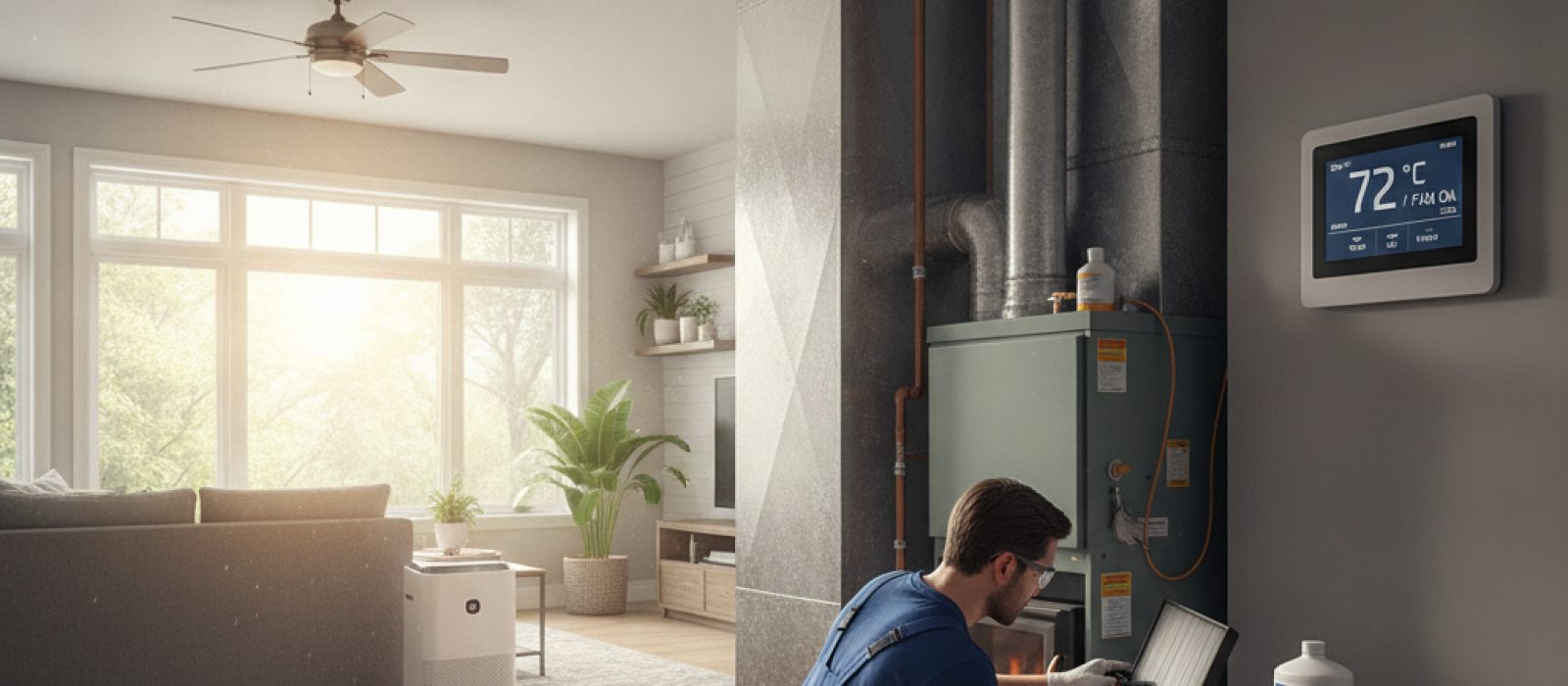
Learn to identify common indoor pollutants and discover practical, effective strategies to improve the air quality within your home.
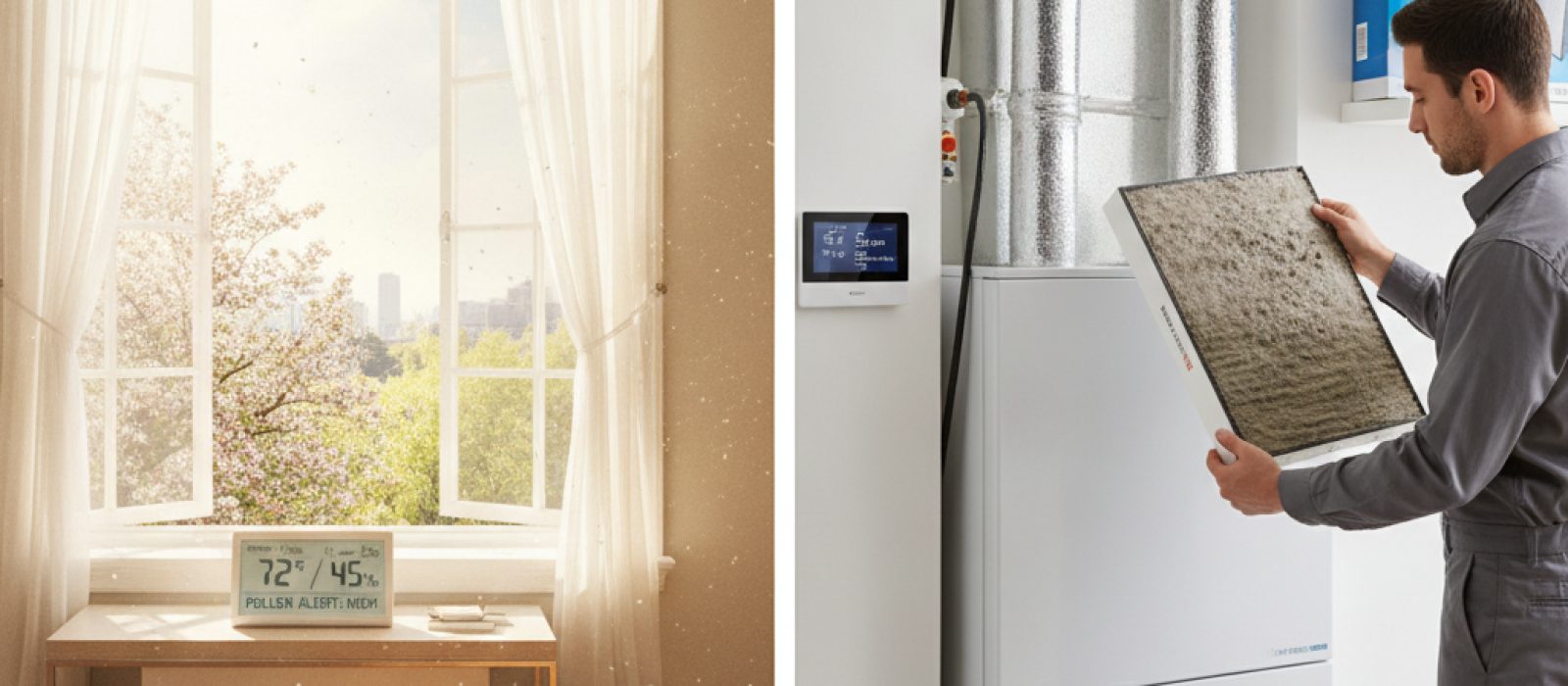
Learn the balance between natural ventilation and mechanical filtration to maintain optimal indoor air quality in your home.
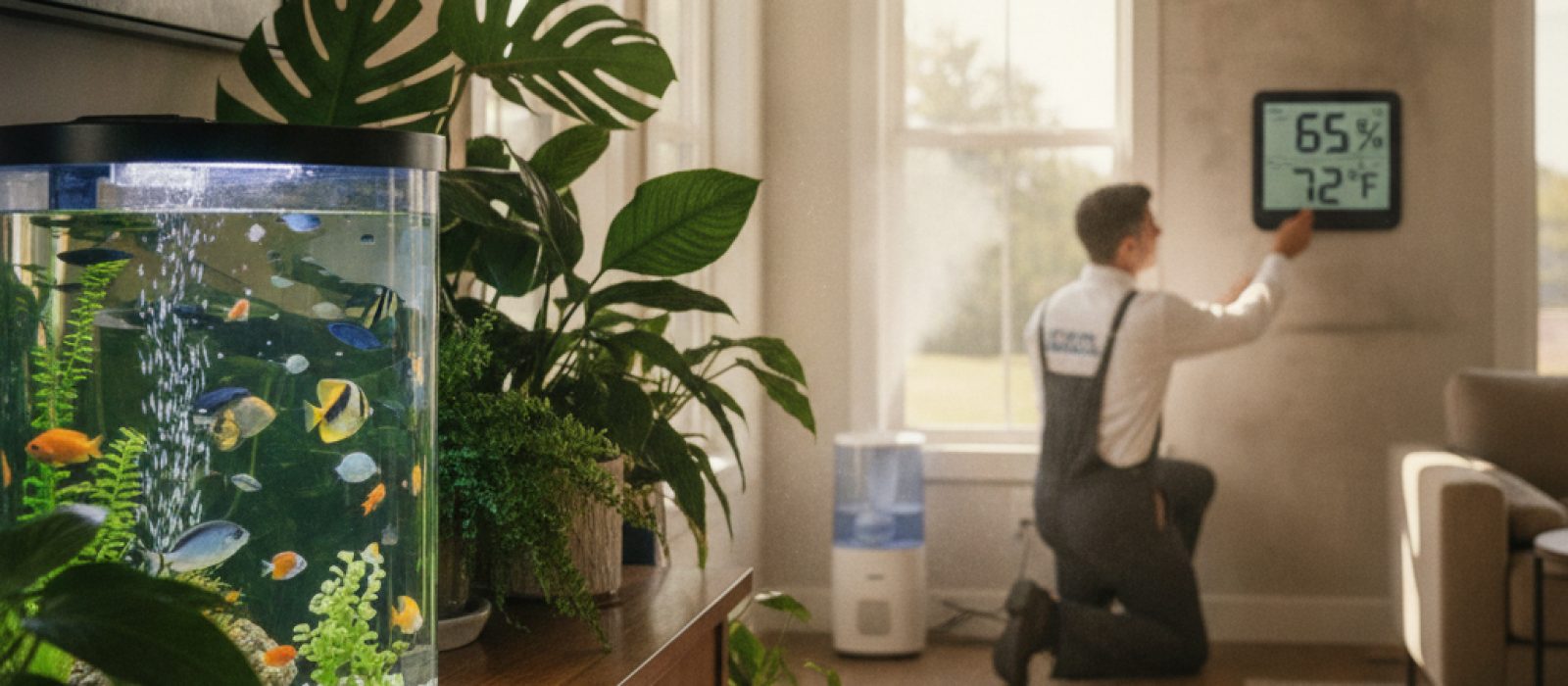
Learn how common household features like aquariums and plants impact indoor air quality and how to manage the resulting humidity levels effectively.
Discover how holiday traditions impact your home's indoor air quality and learn practical steps to maintain a healthy breathing environment this winter.
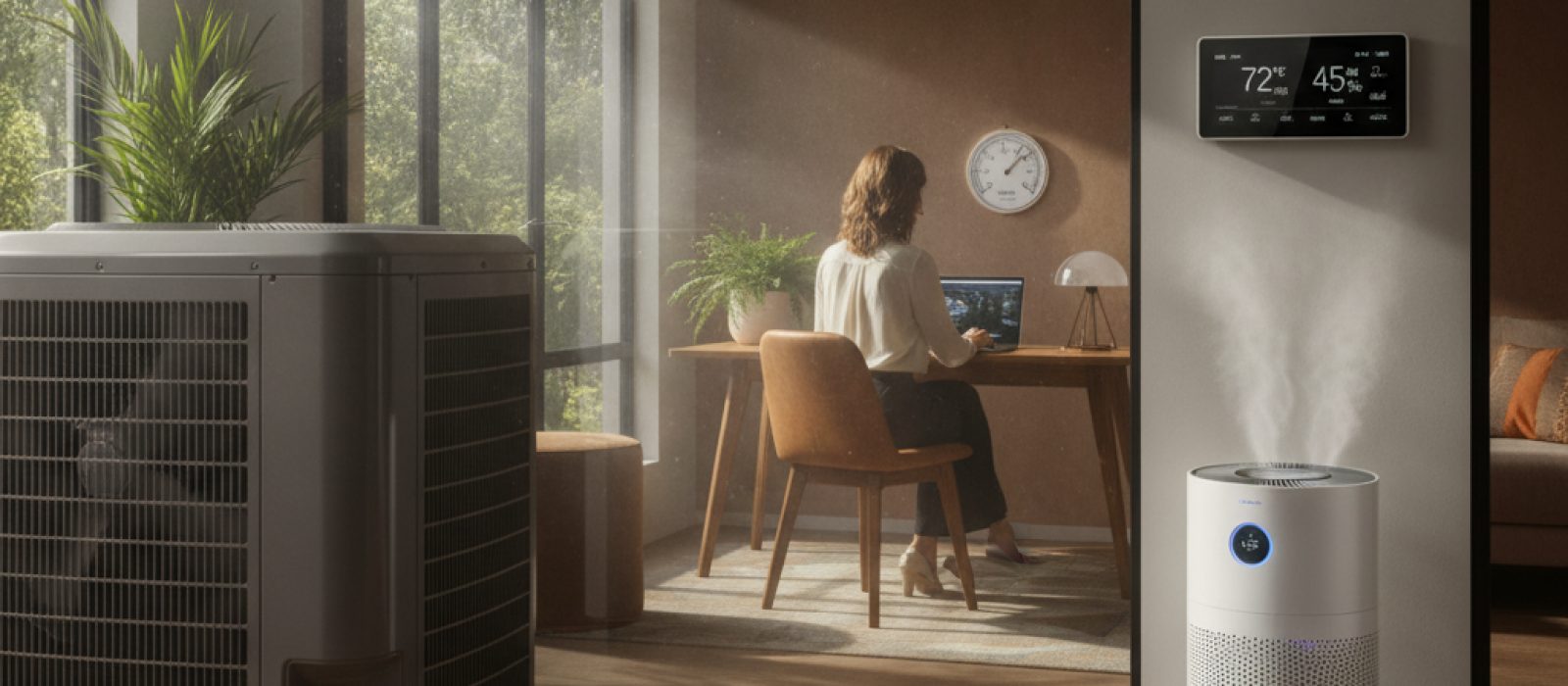
Improve productivity and health by optimizing the indoor air quality of your home office through ventilation, filtration, and humidity control.
Be the first to comment.