
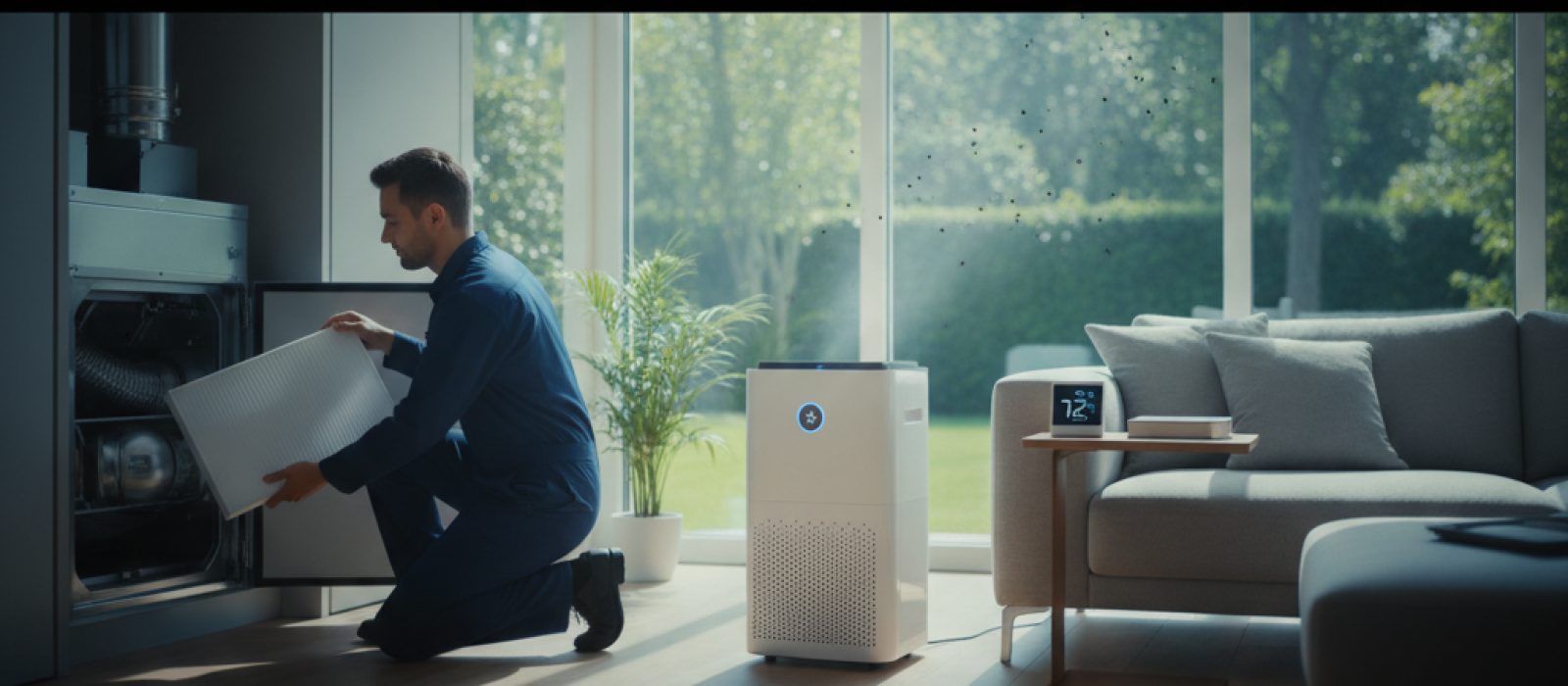
HEPA Air Cleaners for Allergies: What Actually Works
Learn how HEPA air cleaners function, their limitations in home environments, and how to effectively manage indoor air quality for allergy relief.
4 min read

Wildfires, a growing concern across many parts of the U.S., don't just affect those near the flames. The smoke they produce can travel hundreds or even thousands of miles, significantly degrading outdoor and indoor air quality. This smoke is a complex mixture of gases and fine particles, including particulate matter (PM2.5), which is small enough to penetrate deep into your lungs and even enter your bloodstream. Exposure to wildfire smoke can exacerbate respiratory conditions like asthma and COPD, cause eye and throat irritation, and lead to more serious health issues over time, particularly for children, the elderly, and those with pre-existing heart or lung conditions.
While staying indoors might seem like the obvious solution, wildfire smoke can easily infiltrate your home through various openings, cracks, and even your HVAC system. Therefore, taking proactive steps to protect your indoor air quality is crucial for your family's health and well-being during wildfire season.
Your first line of defense against wildfire smoke is to prevent it from entering your home in the first place. Think of your home as a sealed envelope.
Your heating, ventilation, and air conditioning (HVAC) system plays a pivotal role in managing indoor air quality. During wildfire smoke events, proper HVAC operation is more important than ever.
A well-maintained HVAC system is more efficient and effective at filtering air. Regular maintenance by a qualified professional can make a significant difference.
Wildfire smoke can be a persistent and concerning threat to your indoor air quality. By taking these proactive steps – sealing your home, optimizing your HVAC system with high-efficiency filters, utilizing portable air purifiers, and ensuring regular maintenance – you can significantly reduce your exposure and protect your family's health. Don't wait until the smoke is at your doorstep; prepare your home's defenses now.
Learn how HEPA air cleaners function, their limitations in home environments, and how to effectively manage indoor air quality for allergy relief.
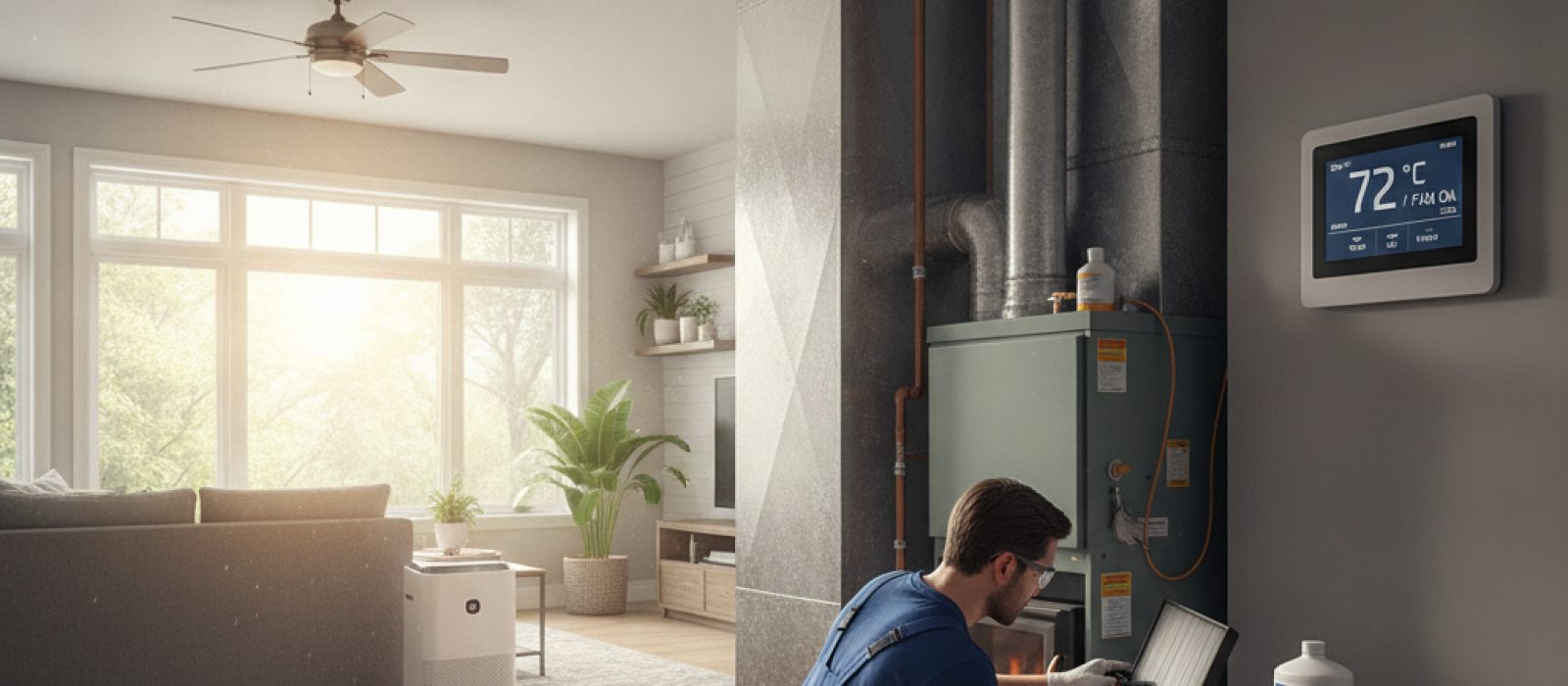
Learn to identify common indoor pollutants and discover practical, effective strategies to improve the air quality within your home.
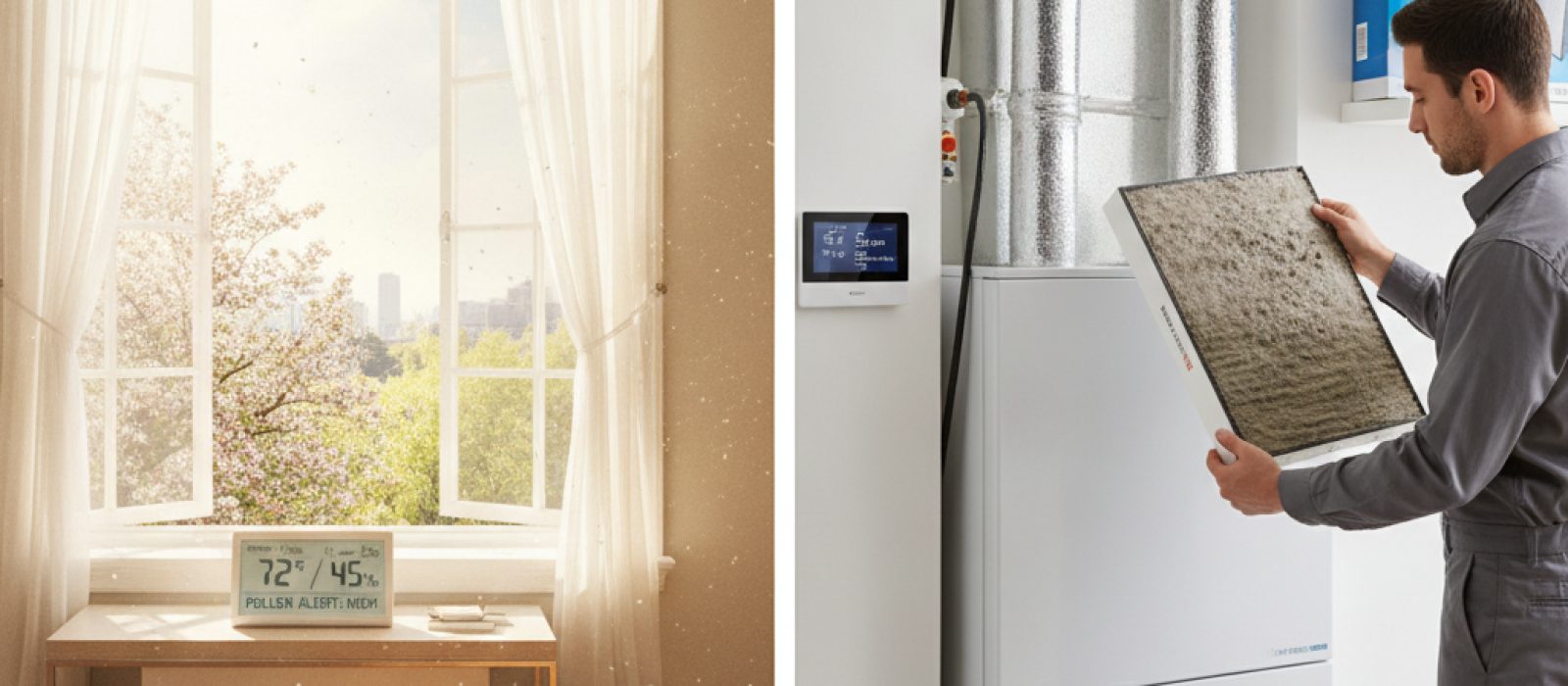
Learn the balance between natural ventilation and mechanical filtration to maintain optimal indoor air quality in your home.
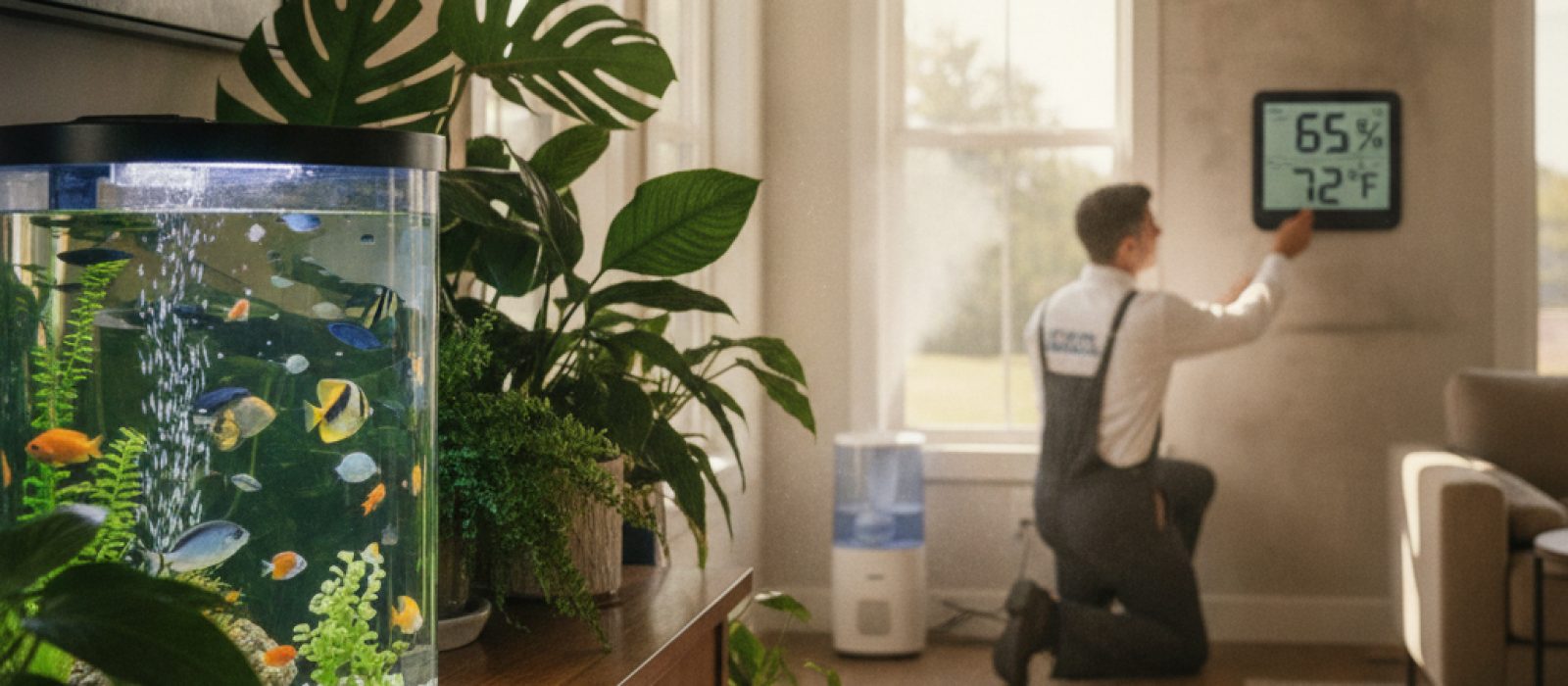
Learn how common household features like aquariums and plants impact indoor air quality and how to manage the resulting humidity levels effectively.
Discover how holiday traditions impact your home's indoor air quality and learn practical steps to maintain a healthy breathing environment this winter.
Improve productivity and health by optimizing the indoor air quality of your home office through ventilation, filtration, and humidity control.
Be the first to comment.