
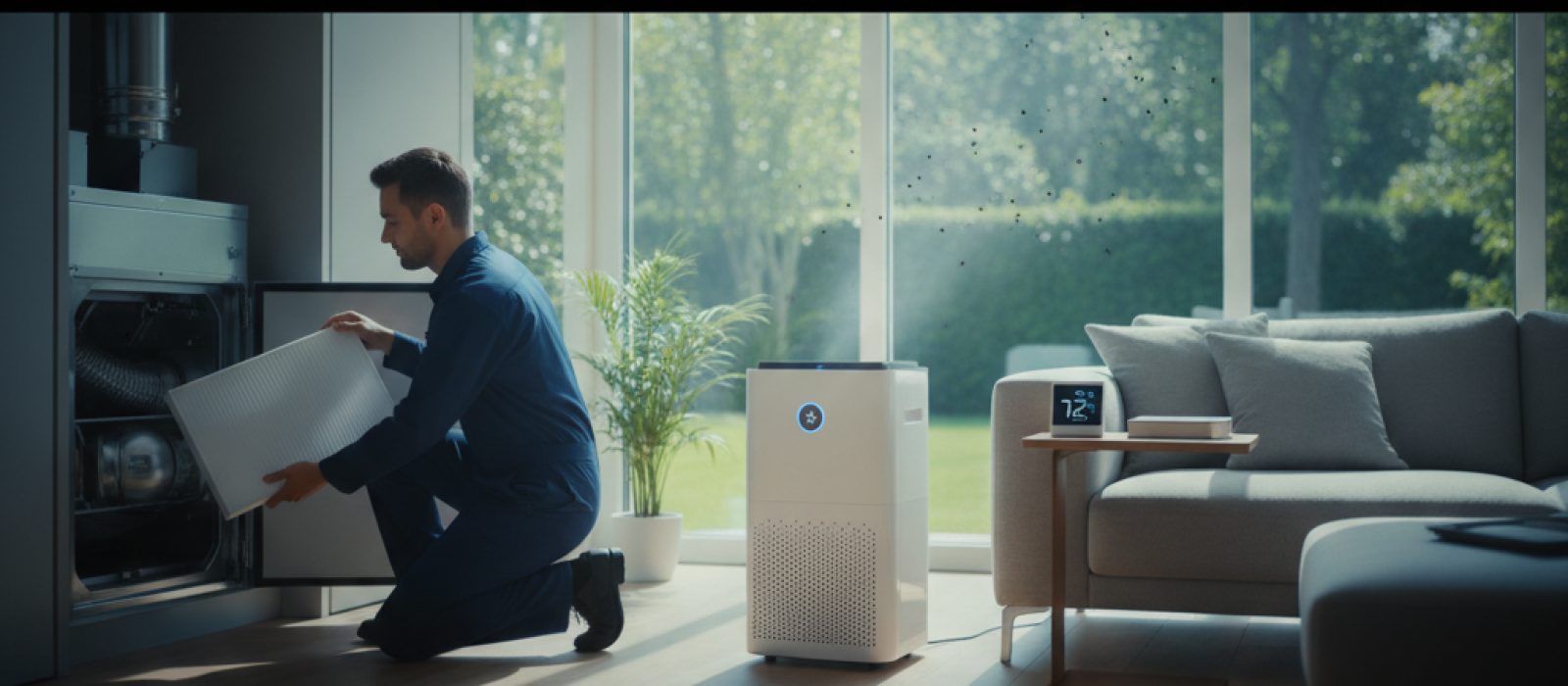
HEPA Air Cleaners for Allergies: What Actually Works
Learn how HEPA air cleaners function, their limitations in home environments, and how to effectively manage indoor air quality for allergy relief.
4 min read

Negative air pressure occurs when the air pressure inside a building is lower than the air pressure outside. This imbalance forces outdoor air to infiltrate the home through gaps, cracks, and structural openings to equalize the pressure. While a slight degree of negative pressure is sometimes intentional in specific commercial settings, it is generally detrimental to residential indoor air quality and overall comfort.
When a home is under negative pressure, it acts like a vacuum. It draws in unconditioned air from crawl spaces, attics, and wall cavities. This air often carries dust, mold spores, allergens, and moisture, which can compromise the environment your HVAC system works to maintain. Addressing this issue is a critical component of effective Indoor Air Quality management.
The most common cause of negative pressure in a modern home is the combination of powerful exhaust appliances and inadequate makeup air. Kitchen range hoods, bathroom exhaust fans, and clothes dryers all vent air to the exterior. If these appliances move more air out of the home than is being replaced, the interior pressure drops.
High-capacity range hoods are frequent culprits. If a hood is rated for a high cubic feet per minute (CFM) output, it can create significant negative pressure in a tightly sealed home. Without a dedicated makeup air system or a cracked window to allow fresh air in, the house will struggle to maintain equilibrium.
Your HVAC system plays a central role in maintaining pressure balance. If the return air ducts are undersized or obstructed, the blower motor cannot pull enough air back from the living spaces. This creates a zone of negative pressure near the return vents and positive pressure near the supply vents, leading to inefficient operation.
Leaky return ducts located in unconditioned spaces like attics or crawl spaces are particularly problematic. When the blower is running, it pulls air from these dirty areas into your living space, bypassing your filter and degrading air quality. Professional Ductwork Services can identify these leaks and ensure the system is properly sealed to maintain a neutral pressure state.
One of the most dangerous consequences of negative pressure is the potential for backdrafting in combustion appliances. Furnaces, boilers, and water heaters that vent through a chimney rely on a natural draft to carry exhaust gases, including carbon monoxide, out of the house. Negative pressure can overpower this draft, pulling toxic combustion byproducts back into the living area instead of venting them outside.
If you suspect your home has significant pressure issues, prioritize a professional inspection of your Furnace Services and venting systems. A technician can perform a combustion safety test to ensure that your appliances are venting correctly despite your home's pressure dynamics. Never ignore signs of poor venting, such as soot buildup or recurring pilot light failures.
Homeowners can often detect negative pressure through simple observation. If you notice these symptoms, it may be time to consult with a professional:
While some pressure issues require complex mechanical solutions, homeowners can take several steps to mitigate the problem. Start by ensuring that your home is properly sealed against major air leaks. Weatherstripping doors and sealing gaps around windows can reduce the volume of unconditioned air entering the home.
If your home has a high-CFM exhaust fan, consider installing a makeup air damper. This device automatically opens to allow fresh air into the home whenever the exhaust fan is activated, preventing a pressure drop. Additionally, scheduling regular Maintenance & Tune-up visits ensures your blower motor and duct configuration remain optimized for balanced airflow.
If your home continues to experience pressure imbalances, a professional assessment of your ventilation strategy is necessary. An expert can calculate the total exhaust capacity of your home and determine if a fresh air intake system or an energy recovery ventilator is required to maintain a healthy, neutral pressure environment.
Learn how HEPA air cleaners function, their limitations in home environments, and how to effectively manage indoor air quality for allergy relief.
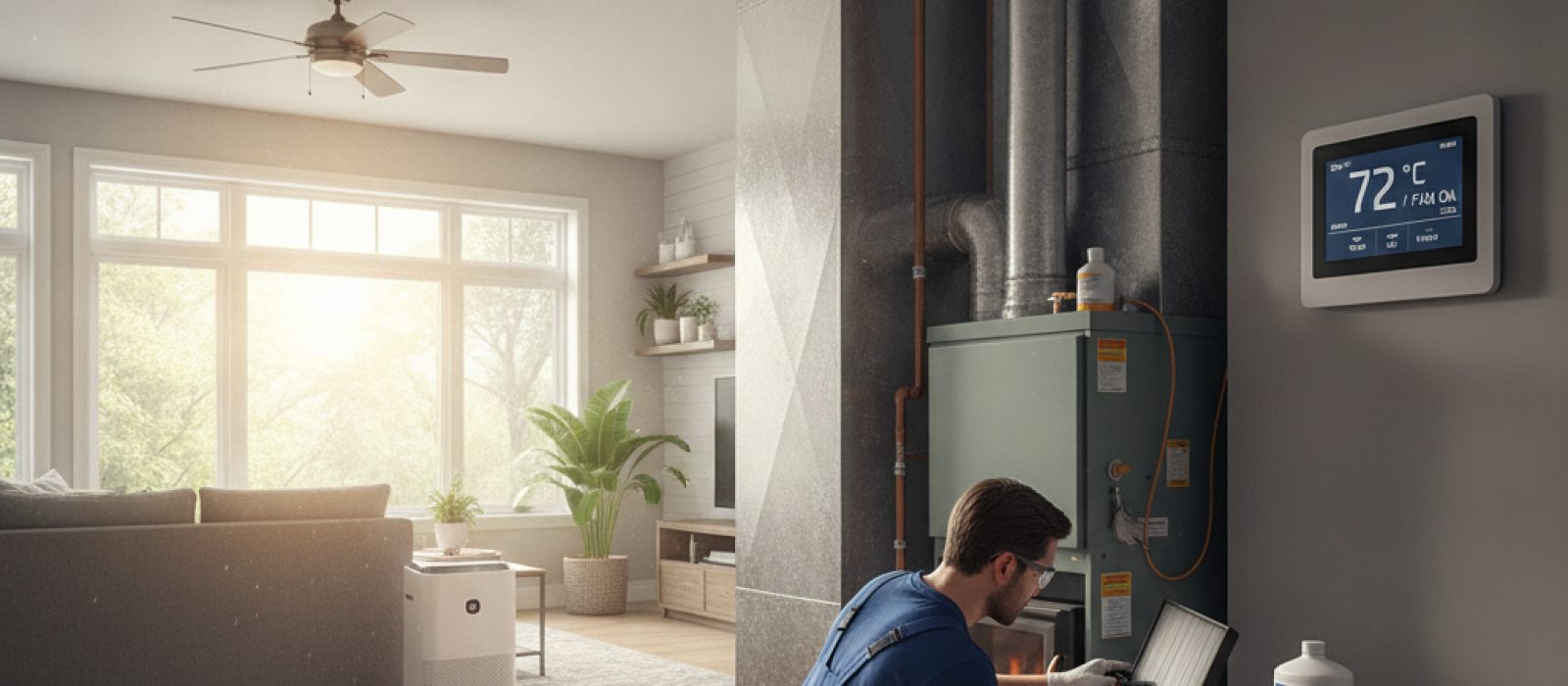
Learn to identify common indoor pollutants and discover practical, effective strategies to improve the air quality within your home.
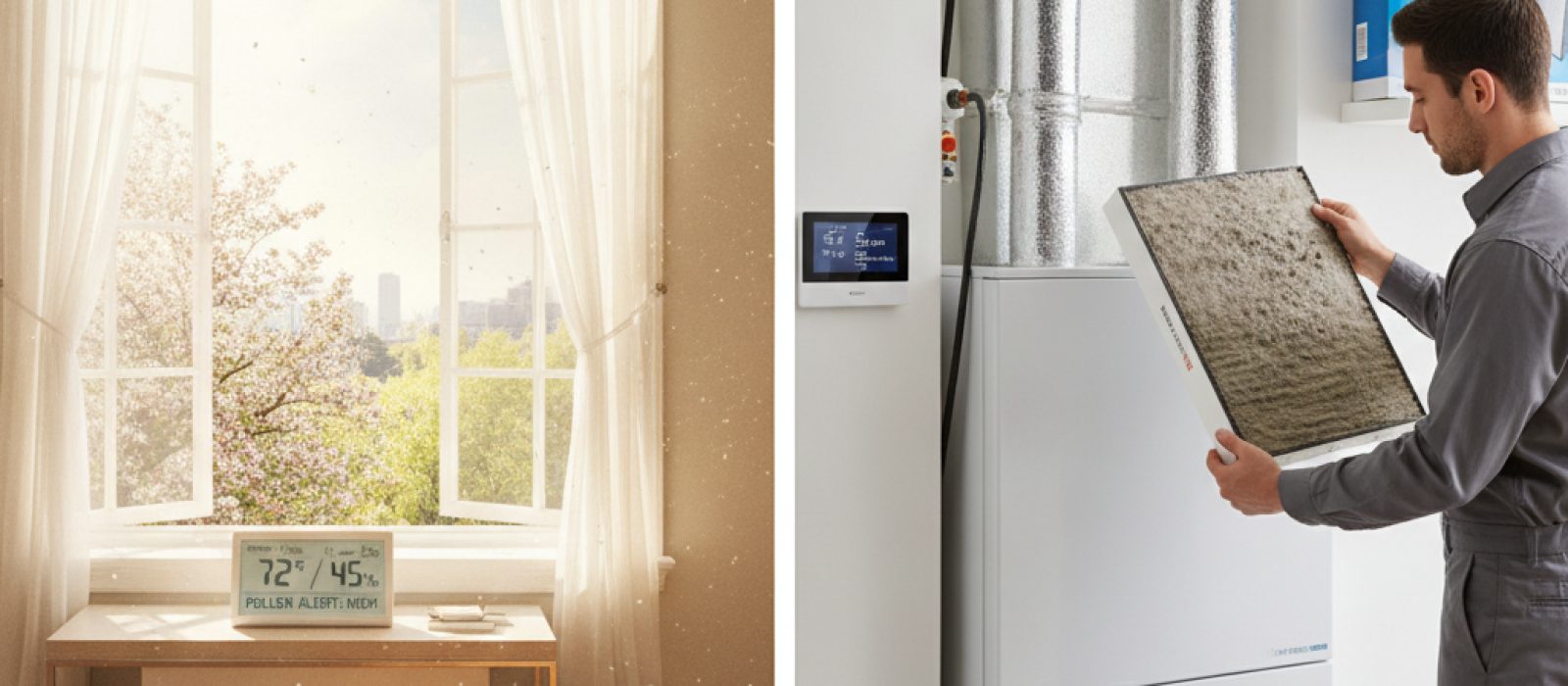
Learn the balance between natural ventilation and mechanical filtration to maintain optimal indoor air quality in your home.
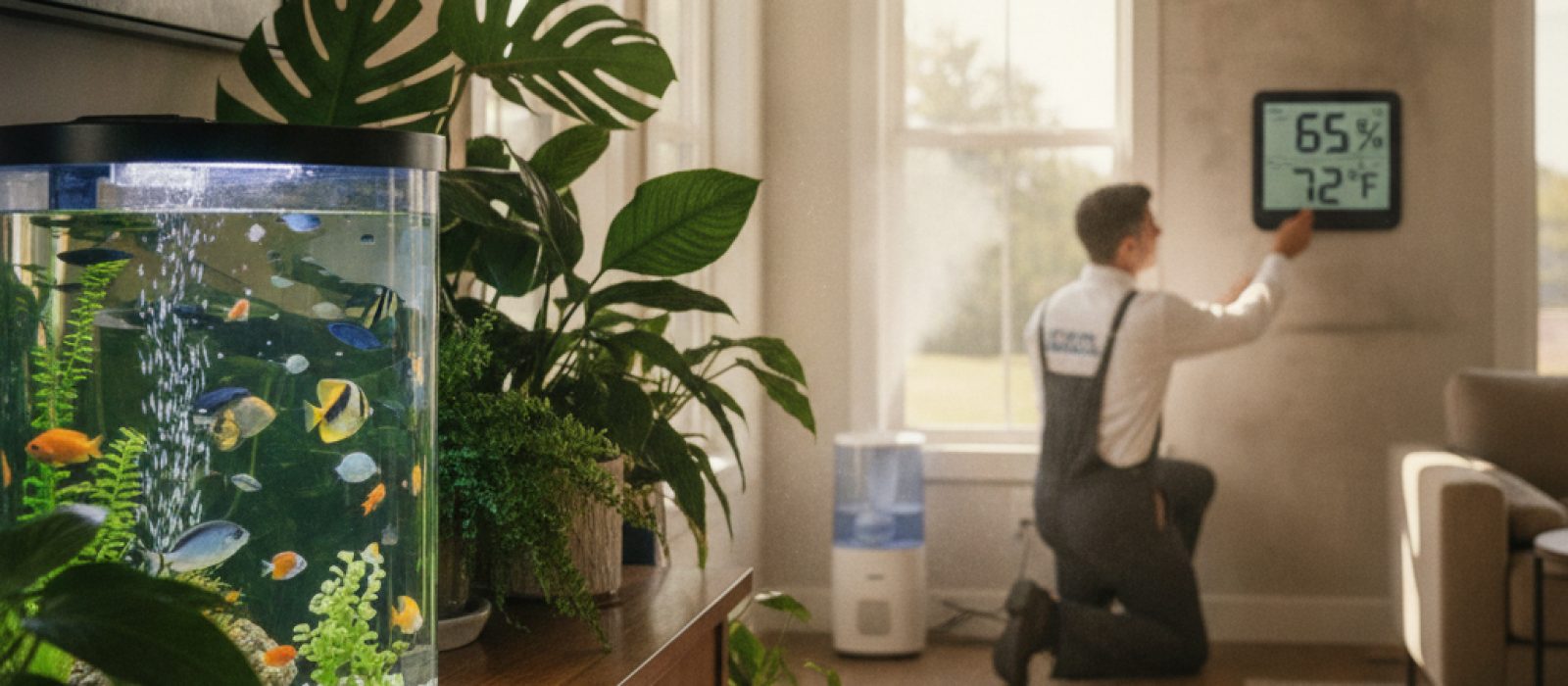
Learn how common household features like aquariums and plants impact indoor air quality and how to manage the resulting humidity levels effectively.
Discover how holiday traditions impact your home's indoor air quality and learn practical steps to maintain a healthy breathing environment this winter.
Improve productivity and health by optimizing the indoor air quality of your home office through ventilation, filtration, and humidity control.
Be the first to comment.