
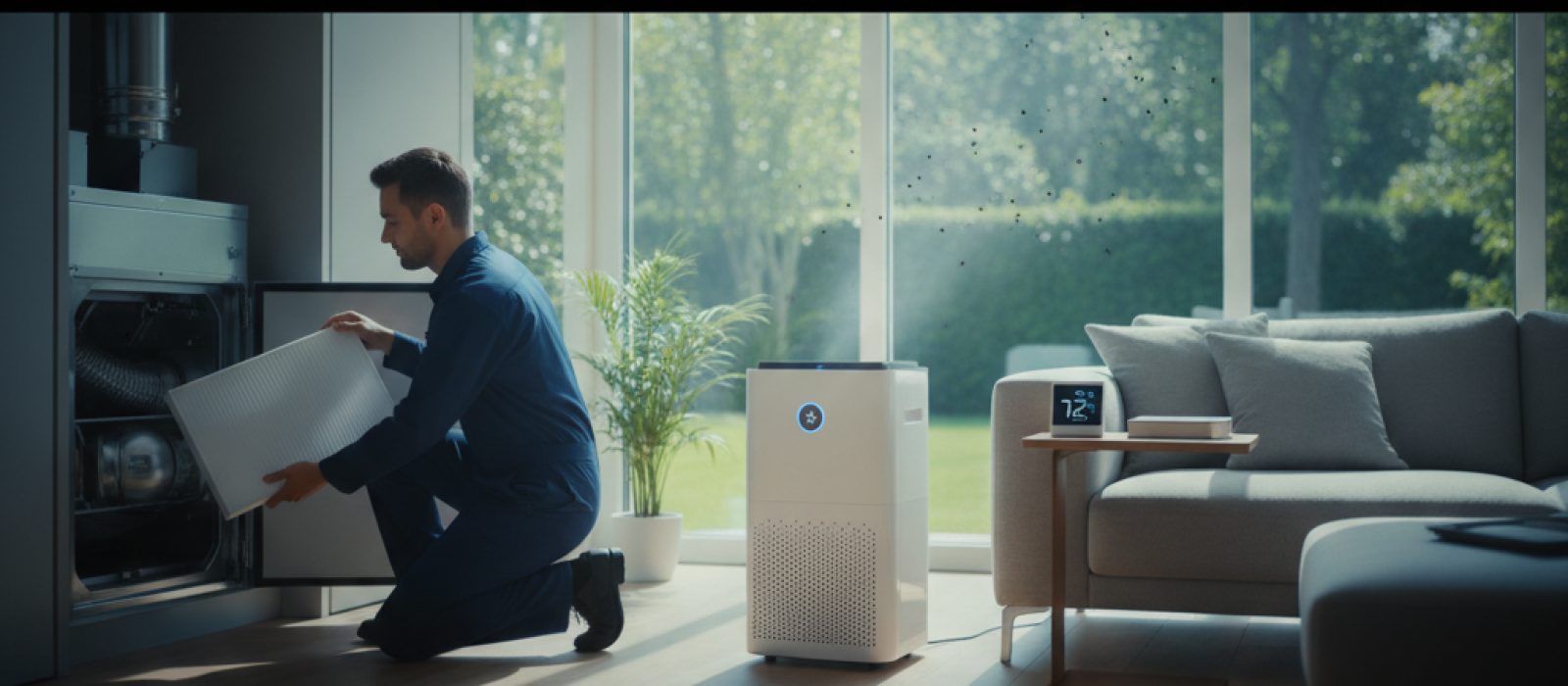
HEPA Air Cleaners for Allergies: What Actually Works
Learn how HEPA air cleaners function, their limitations in home environments, and how to effectively manage indoor air quality for allergy relief.
4 min read

When it comes to maintaining a healthy home environment and an efficient HVAC system, your air filter plays a crucial role. But with so many options available, how do you choose the right one? The answer often lies in understanding the MERV rating. MERV stands for Minimum Efficiency Reporting Value, a standard developed by the American Society of Heating, Refrigerating and Air-Conditioning Engineers (ASHRAE). It's essentially a numerical scale (typically from 1 to 20) that indicates how effectively an air filter captures airborne particles of various sizes.
The higher the MERV rating, the more microscopic particles the filter can trap. A MERV 1 filter offers minimal filtration, primarily catching larger dust and lint. On the other hand, a MERV 16 filter is highly efficient, capable of capturing even tiny particles like bacteria and viruses, often found in hospital settings. For most residential homes, filters typically range from MERV 5 to MERV 13.
Choosing the correct MERV rating for your HVAC filter has significant implications for both your indoor air quality and your system's performance:
While a higher MERV rating sounds universally better, it's essential to find the right balance for your home. A filter that's too restrictive can actually harm your HVAC system.
Before you purchase your next HVAC filter, think about these key factors:
Understanding MERV ratings empowers you to make an informed decision about your HVAC air filter. It's not just about picking the highest number; it's about finding the sweet spot that provides optimal indoor air quality for your family without overworking your heating and cooling system. If you're unsure which MERV rating is best for your specific home and HVAC unit, don't hesitate to reach out to a trusted HVAC professional. They can assess your system and provide personalized recommendations to keep your air clean and your home comfortable.
Learn how HEPA air cleaners function, their limitations in home environments, and how to effectively manage indoor air quality for allergy relief.
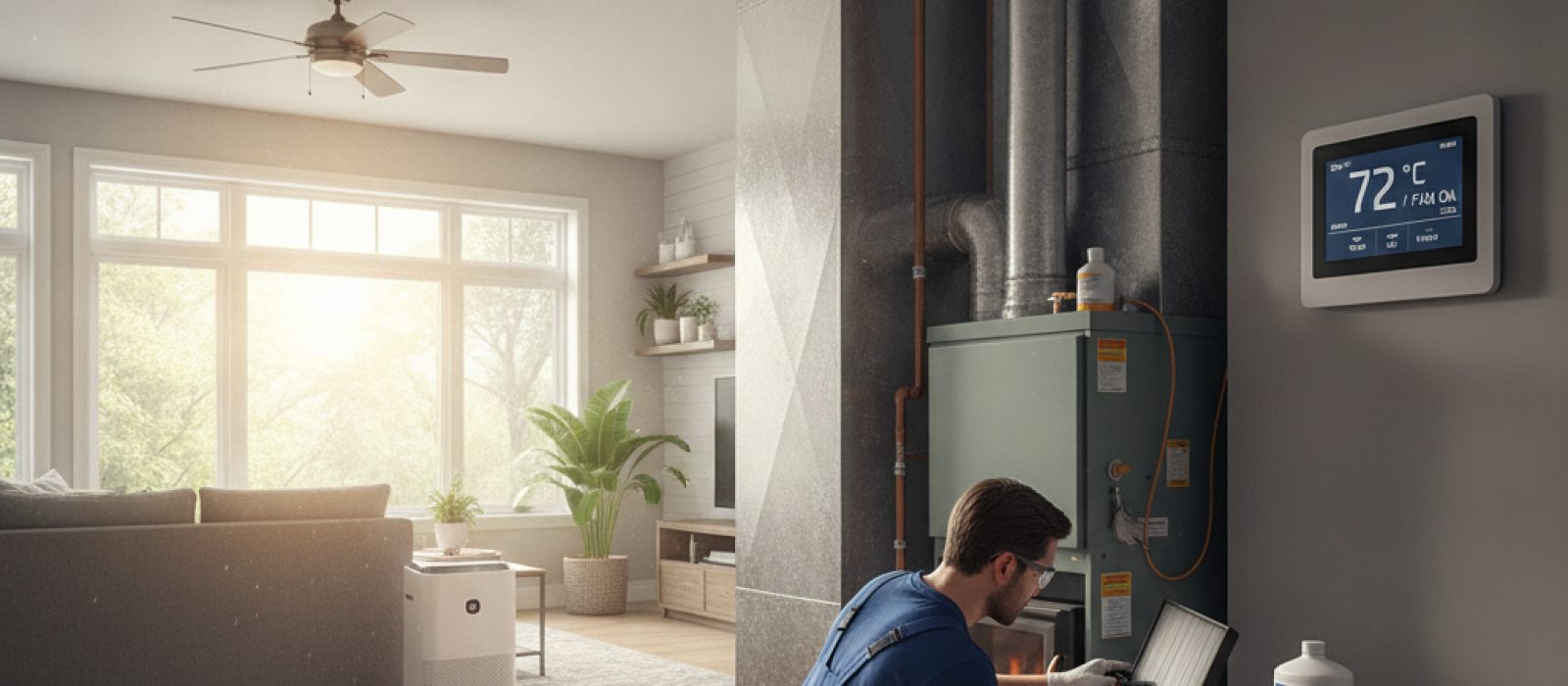
Learn to identify common indoor pollutants and discover practical, effective strategies to improve the air quality within your home.
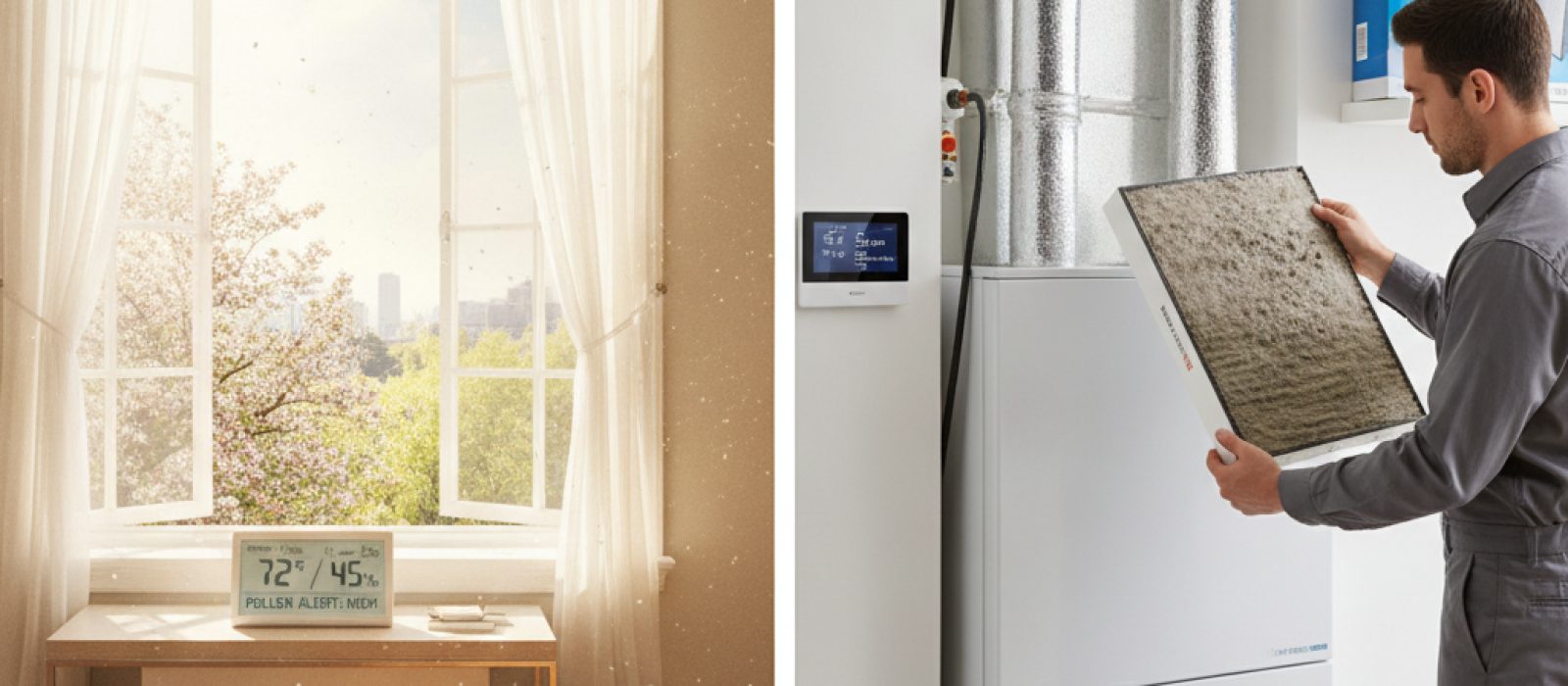
Learn the balance between natural ventilation and mechanical filtration to maintain optimal indoor air quality in your home.
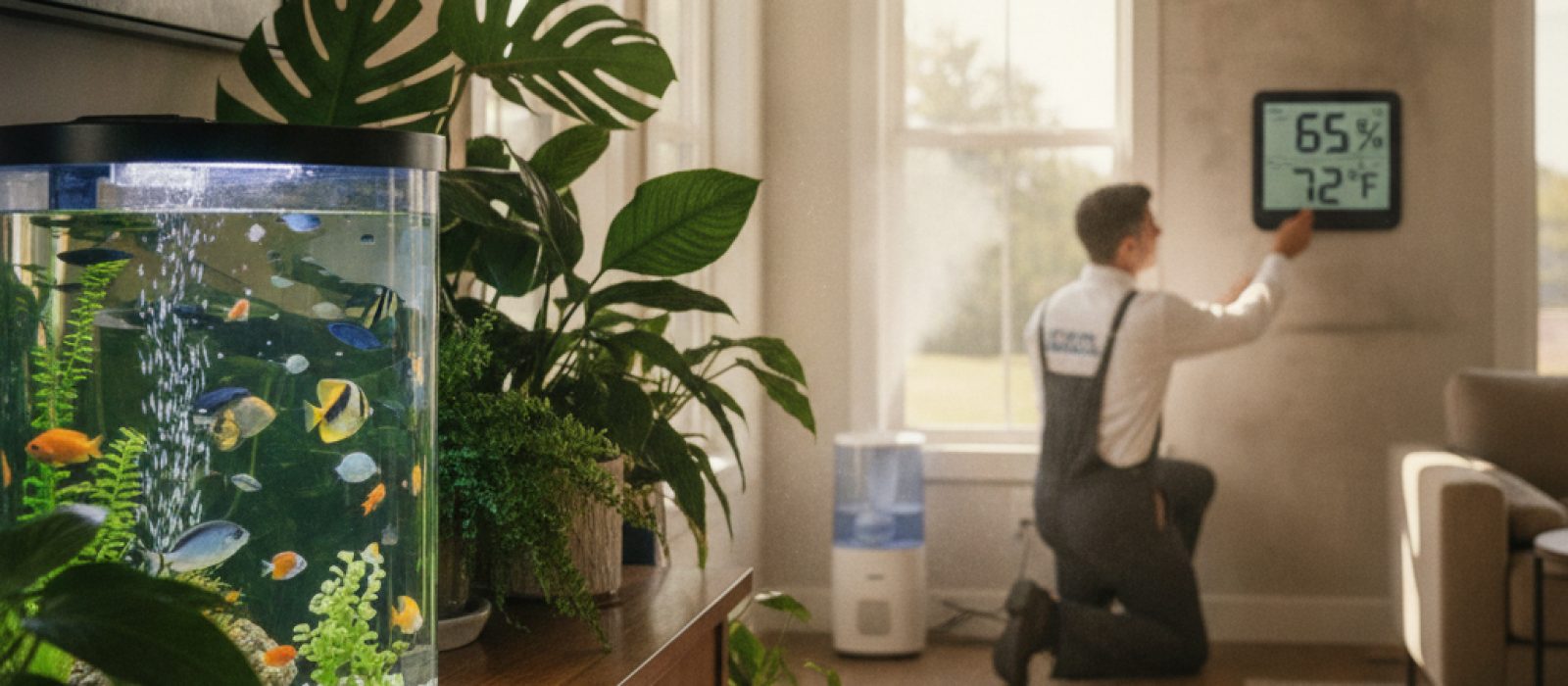
Learn how common household features like aquariums and plants impact indoor air quality and how to manage the resulting humidity levels effectively.
Discover how holiday traditions impact your home's indoor air quality and learn practical steps to maintain a healthy breathing environment this winter.
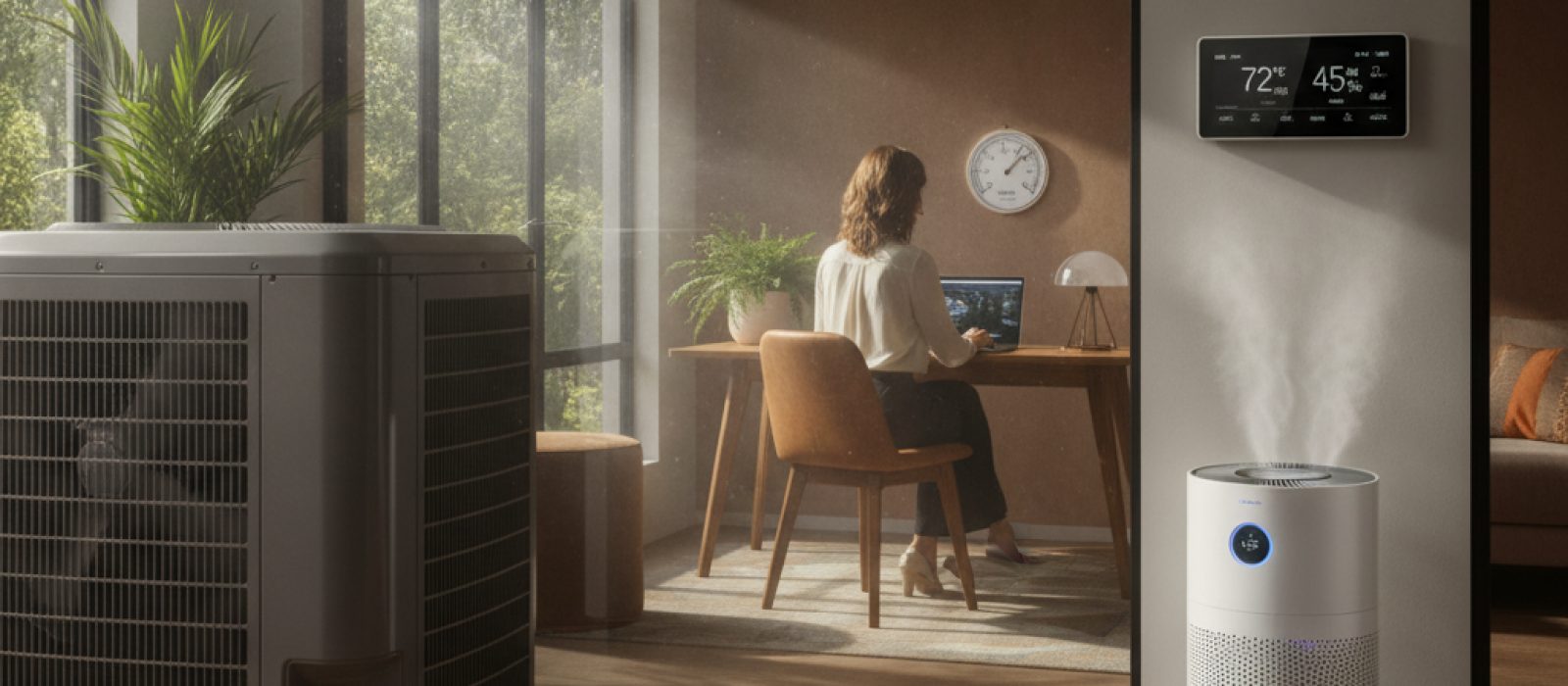
Improve productivity and health by optimizing the indoor air quality of your home office through ventilation, filtration, and humidity control.
Be the first to comment.