
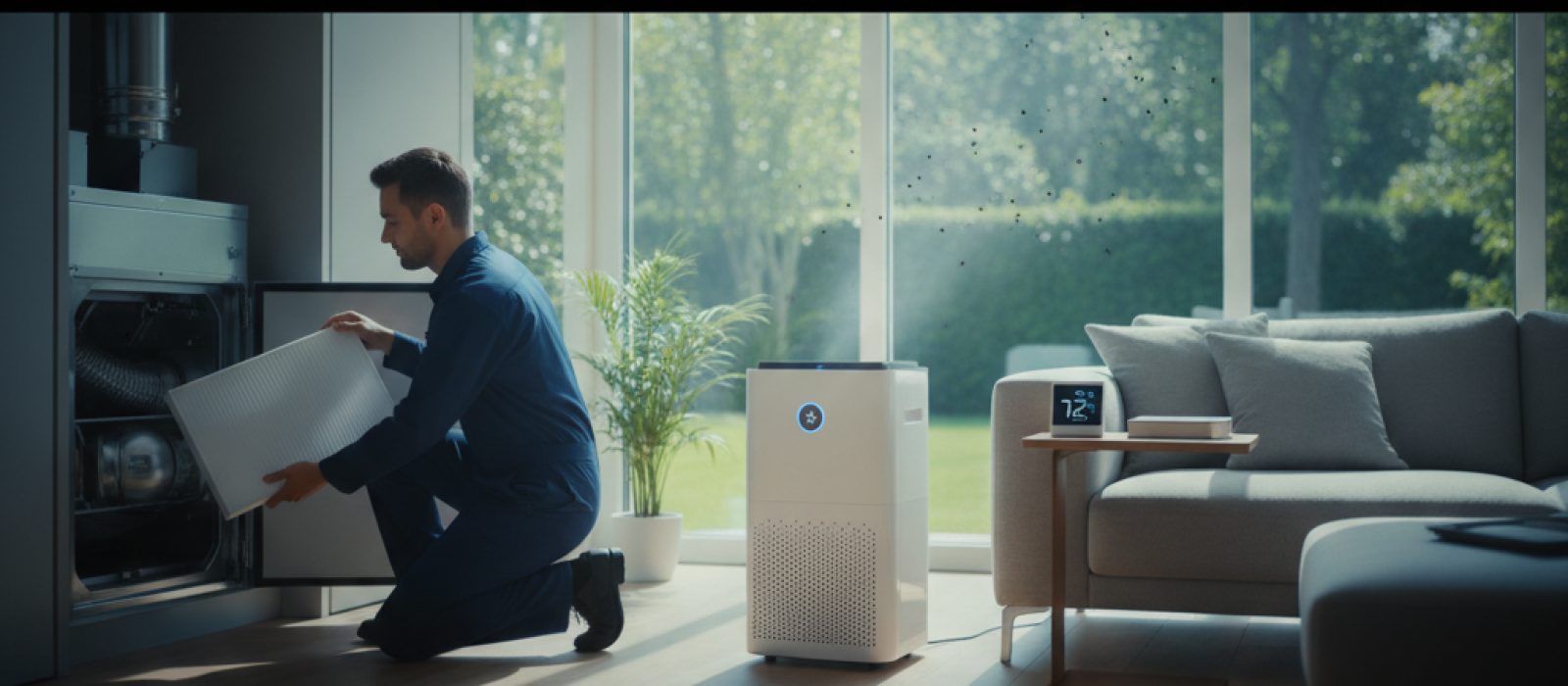
HEPA Air Cleaners for Allergies: What Actually Works
Learn how HEPA air cleaners function, their limitations in home environments, and how to effectively manage indoor air quality for allergy relief.
4 min read

When you think about the comfort of your home, temperature is likely the first thing that comes to mind. We crank up the AC in summer and the heat in winter. But there's another, often overlooked, element playing a critical role in your indoor environment: humidity. Humidity, or the amount of moisture in the air, significantly impacts your indoor air quality, comfort, health, and even the structural integrity of your home. Understanding its effects and how to manage it is key to a truly comfortable and healthy living space.
For most U.S. homes, the ideal indoor humidity level typically falls between 30% and 50%. This range is often referred to as the 'Goldilocks Zone' – not too high, not too low, but just right. Maintaining this balance is essential for various reasons:
Excessive humidity, often a problem during warmer months or in poorly ventilated areas, can lead to a host of issues:
On the flip side, excessively dry air, common during colder months when heating systems are running, presents its own set of problems:
Your HVAC system plays a significant role in managing indoor humidity. While air conditioners naturally remove some moisture as they cool, they aren't always enough to maintain optimal levels, especially in very humid climates. This is where dedicated humidity control solutions come in.
Many modern HVAC systems can be integrated with whole-home humidifiers or dehumidifiers, allowing for precise, automated control of your home's moisture levels. These systems work in conjunction with your thermostat to keep humidity within your desired range, independently of temperature.
Don't let humidity be the invisible force dictating your home's comfort and air quality. By understanding its impact and taking proactive steps to manage it, you can create a healthier, more comfortable, and more energy-efficient living environment. If you're experiencing persistent humidity issues, whether too high or too low, consider consulting with an HVAC professional. They can assess your home's specific needs and recommend the best whole-home solutions to achieve that perfect 'Goldilocks Zone' of indoor comfort.
Learn how HEPA air cleaners function, their limitations in home environments, and how to effectively manage indoor air quality for allergy relief.
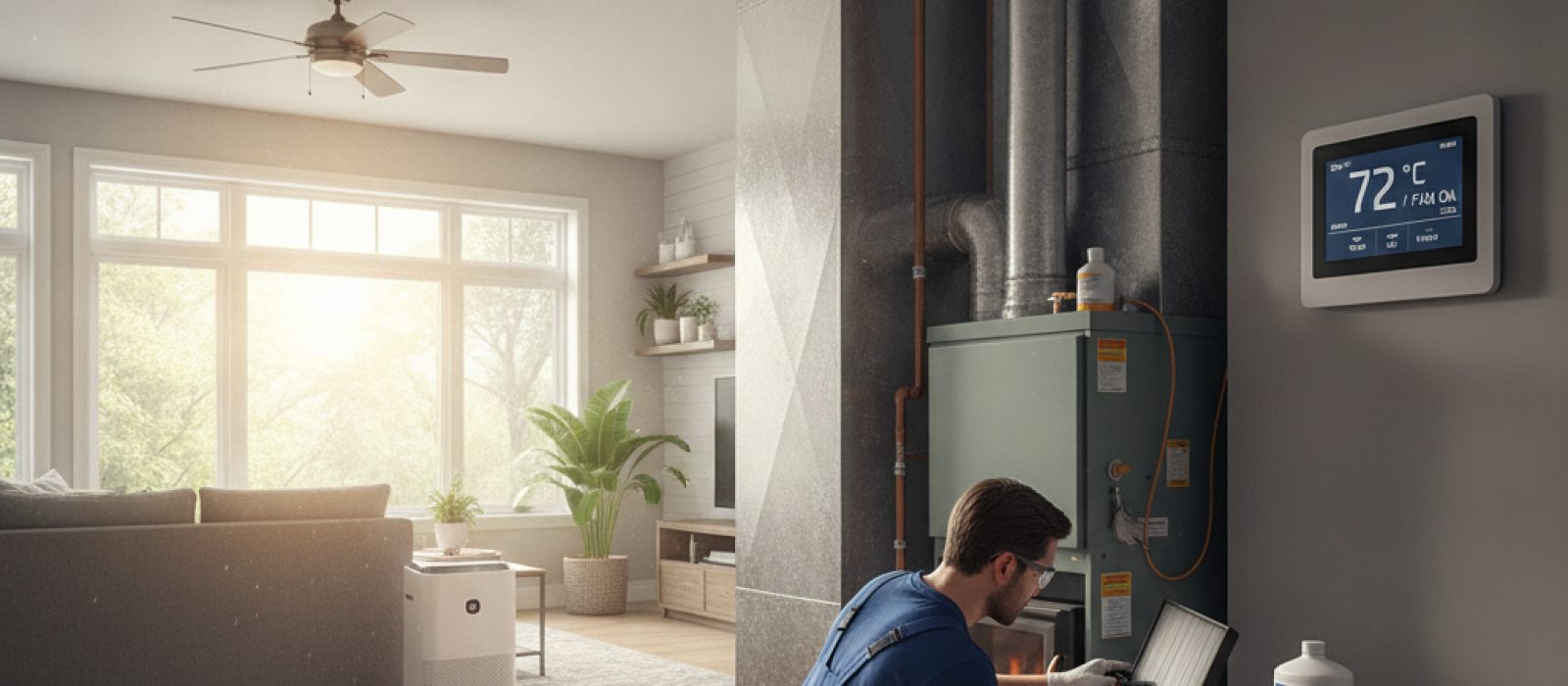
Learn to identify common indoor pollutants and discover practical, effective strategies to improve the air quality within your home.
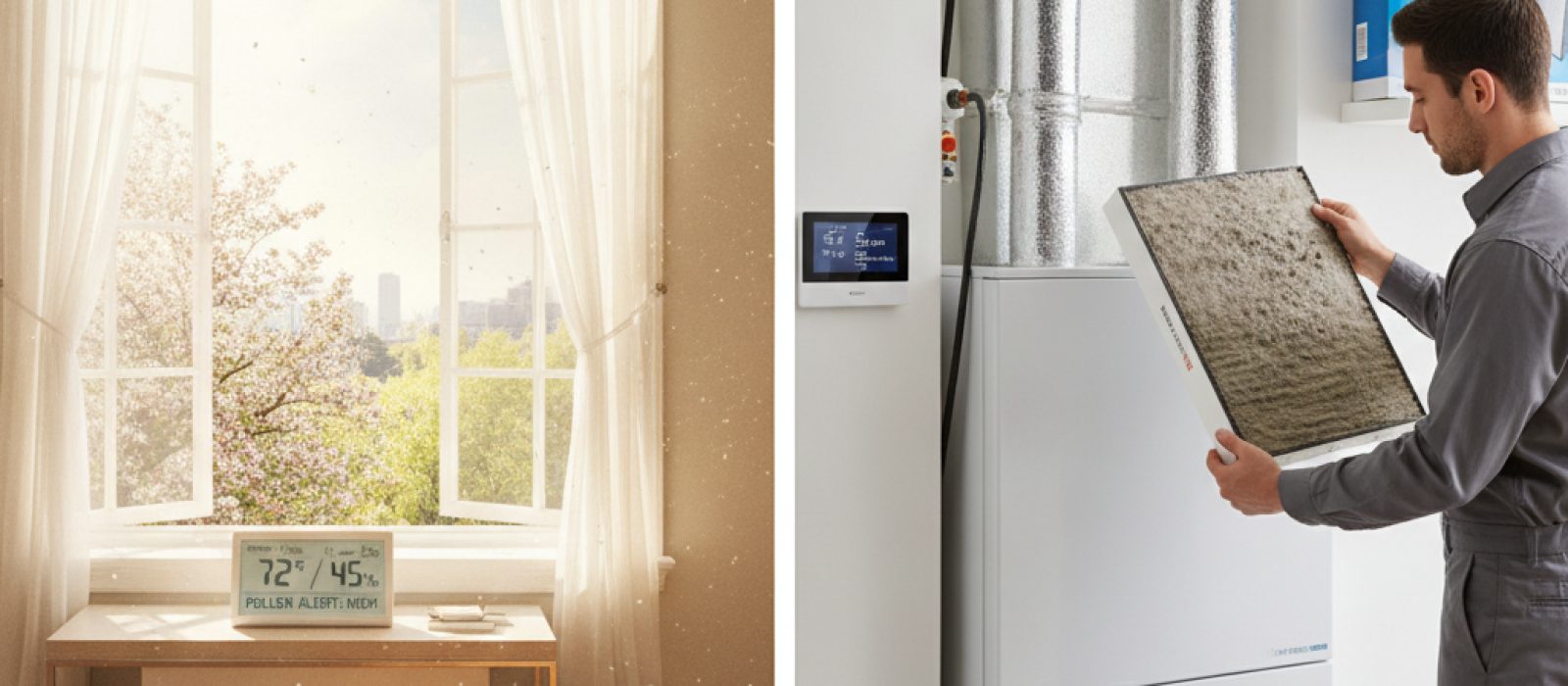
Learn the balance between natural ventilation and mechanical filtration to maintain optimal indoor air quality in your home.
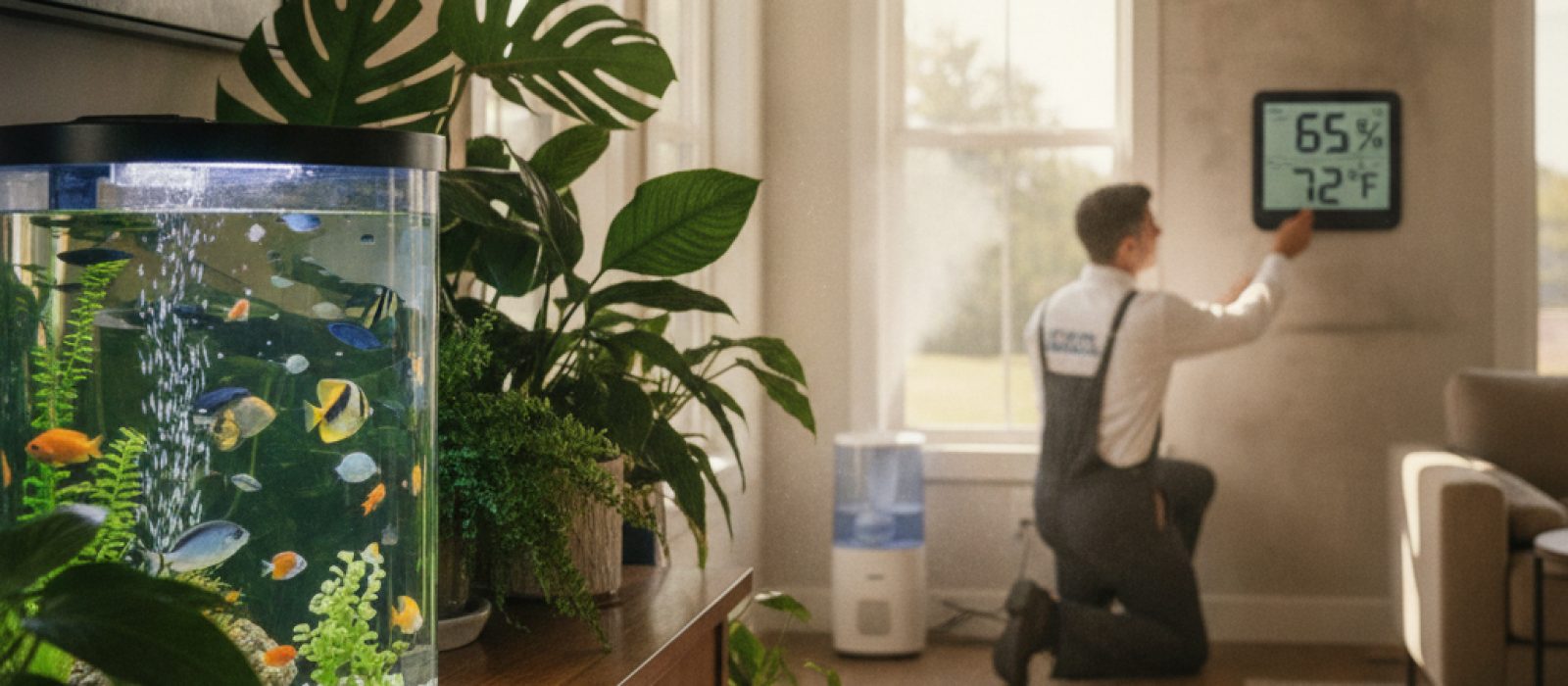
Learn how common household features like aquariums and plants impact indoor air quality and how to manage the resulting humidity levels effectively.

Discover how holiday traditions impact your home's indoor air quality and learn practical steps to maintain a healthy breathing environment this winter.
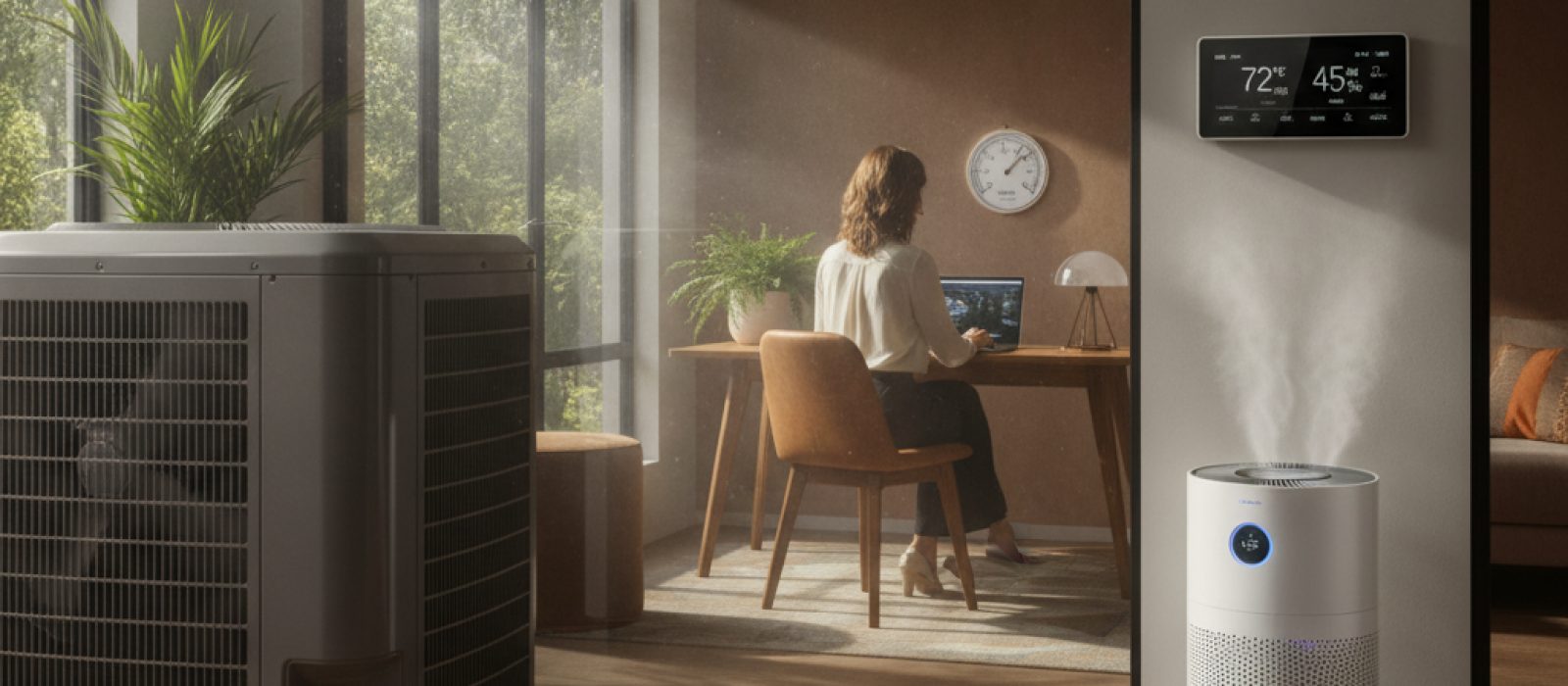
Improve productivity and health by optimizing the indoor air quality of your home office through ventilation, filtration, and humidity control.
Be the first to comment.