
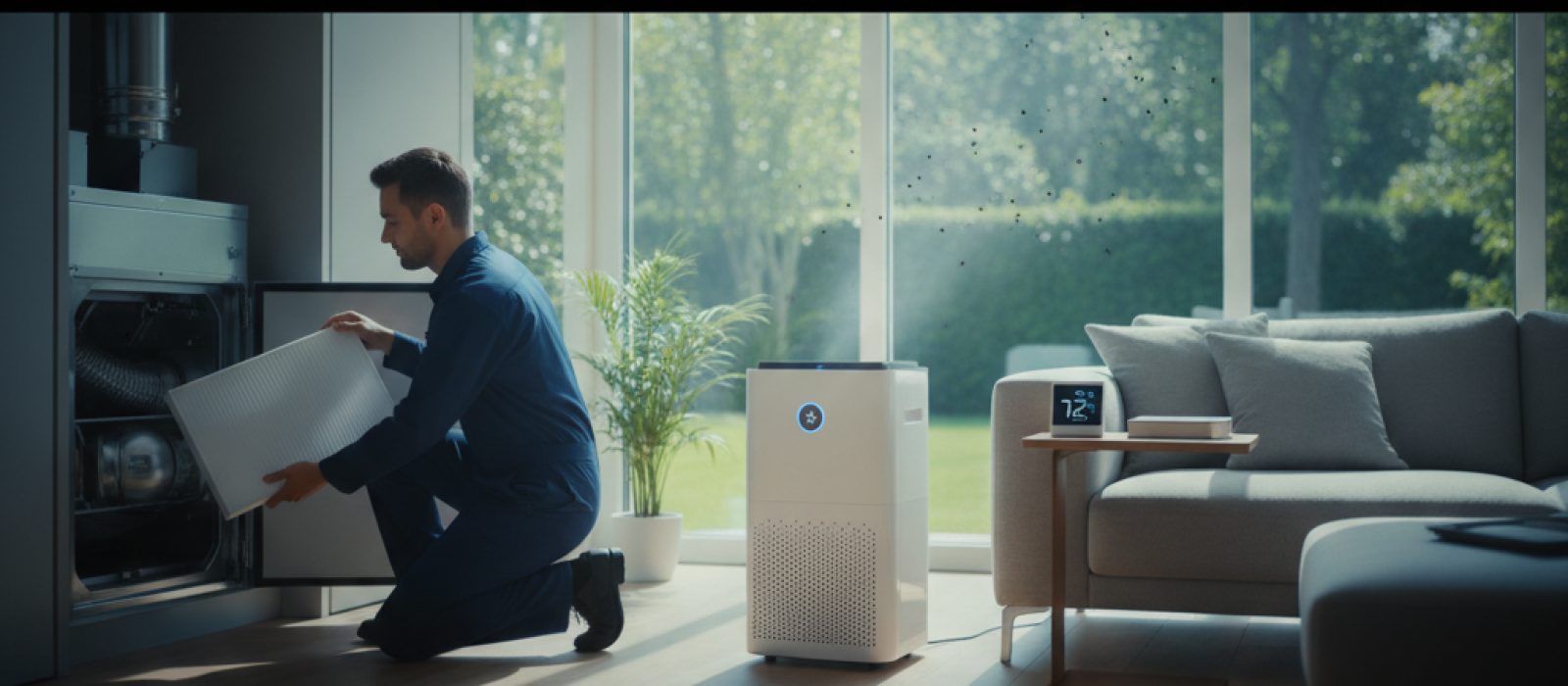
HEPA Air Cleaners for Allergies: What Actually Works
Learn how HEPA air cleaners function, their limitations in home environments, and how to effectively manage indoor air quality for allergy relief.
3 min read

Air duct cleaning is often misunderstood as a routine annual chore, yet it is rarely necessary on such a frequent schedule. For most homes, professional cleaning is only required every three to five years, or even less frequently, depending on the specific environmental conditions of the household. The primary goal of duct maintenance is to remove accumulated dust, debris, and potential allergens that can impact your indoor air quality.
While standard air filters trap many particulates, some settle within the ductwork over time. When these systems remain undisturbed, this buildup is generally inert. However, certain triggers can cause this debris to circulate back into your living space, necessitating a professional intervention.
Visual inspection is the most reliable way to determine if your system requires service. If you notice visible dust or debris blowing out of the supply registers when the system kicks on, the internal accumulation has likely reached a point where it is being recirculated. This is a clear indicator that the ductwork requires professional attention.
Another common sign involves the presence of pests. If you have evidence of rodents or insects nesting within the ductwork, cleaning is essential to remove biological contaminants and potential health hazards. Similarly, if you discover mold growth inside the ducts or on other components of your HVAC system, this must be addressed immediately by a professional service provider to prevent the spread of spores throughout the home.
Certain living situations increase the rate at which debris collects within a ventilation system. Homes with multiple shedding pets often require more frequent inspections, as pet dander and hair can accumulate in ducts faster than standard household dust. If members of your household suffer from unexplained respiratory issues or allergies, you may find that improving indoor air quality through targeted duct cleaning provides significant relief.
Recent home renovations or construction projects also warrant a professional assessment. Drywall dust, sawdust, and other construction-related particulates are much heavier than normal household dust. If the HVAC system was not properly sealed during a remodel, these materials can coat the interior of the ductwork, leading to chronic air quality concerns.
Professional duct cleaning should not be viewed as a substitute for regular system care. Consistent Maintenance & Tune-up visits are vital for the longevity of your cooling and heating equipment. During these appointments, a technician checks the blower motor, coils, and heat exchangers, ensuring the entire system operates efficiently.
If you suspect that poor airflow is due to damaged ducts rather than simple debris, you may require professional Ductwork Services to repair leaks or disconnected sections. Often, what homeowners perceive as a need for cleaning is actually a mechanical issue that prevents air from reaching certain rooms. Addressing these structural problems ensures that your system performs as intended.
Professional cleaning involves the use of specialized tools, including high-powered vacuums and agitation devices designed to dislodge debris. The process should begin with a thorough inspection of the system. A reputable technician will verify that the ducts are indeed dirty before recommending a full cleaning service.
The process generally follows these steps:
It is important to note that if your home experiences frequent equipment failures, you might also need to consult with experts in Furnace Services or AC Services. Combining a thorough duct inspection with a general system checkup is an effective way to maintain both comfort and clean air.
Not every home needs its ducts cleaned. If there is no evidence of excessive debris, pest infestation, or mold, cleaning may provide little to no benefit. Furthermore, if you are experiencing inconsistent temperatures, the issue is likely related to insulation or system sizing rather than dirty ducts. Avoid companies that use high-pressure sales tactics or suggest that cleaning is a mandatory annual requirement for every household.
Learn how HEPA air cleaners function, their limitations in home environments, and how to effectively manage indoor air quality for allergy relief.
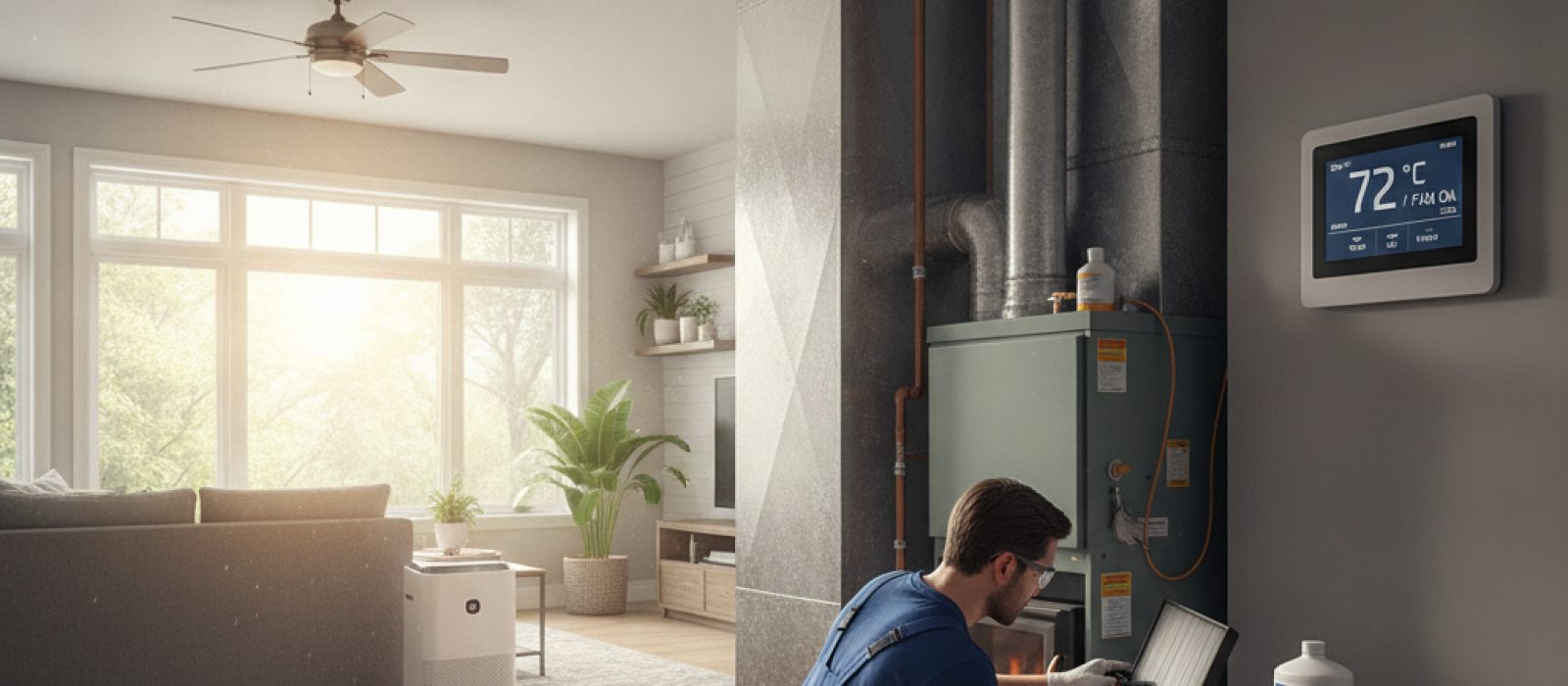
Learn to identify common indoor pollutants and discover practical, effective strategies to improve the air quality within your home.
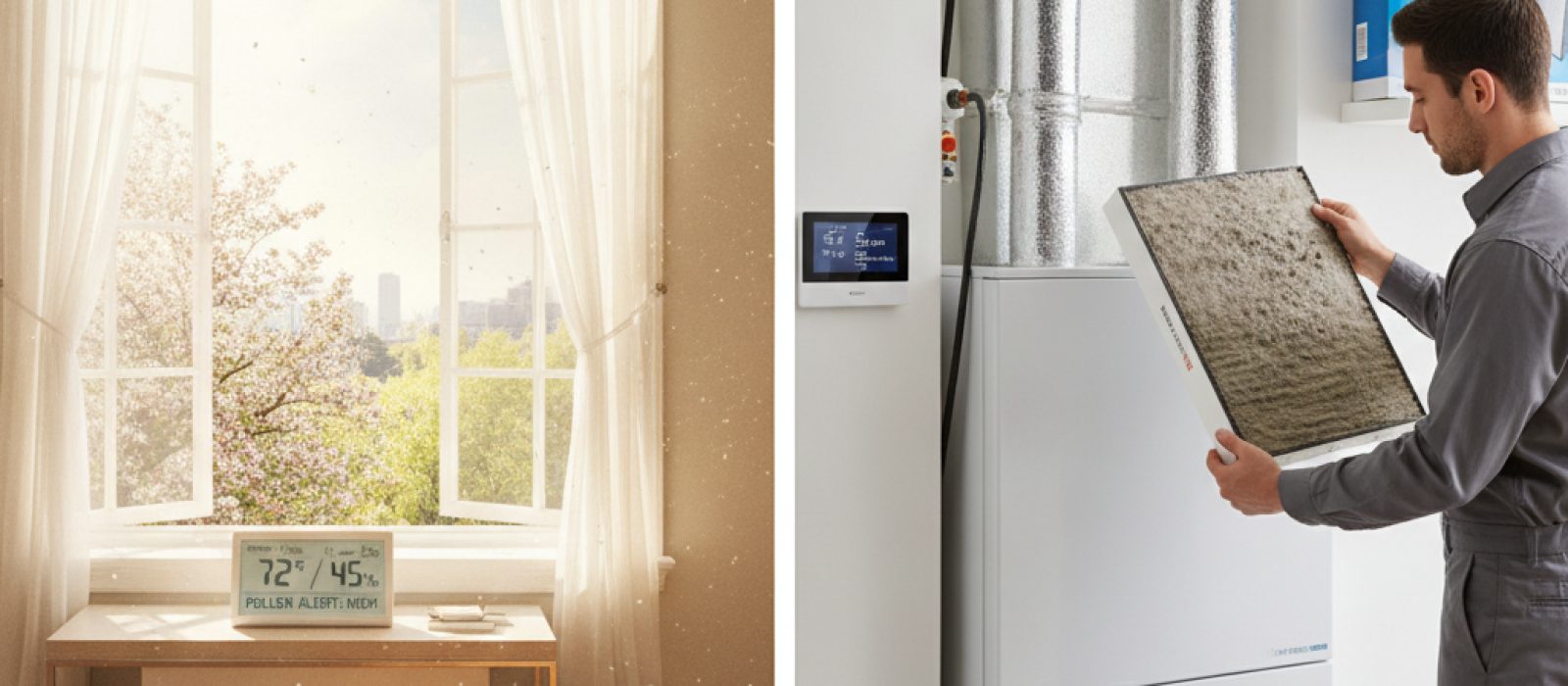
Learn the balance between natural ventilation and mechanical filtration to maintain optimal indoor air quality in your home.
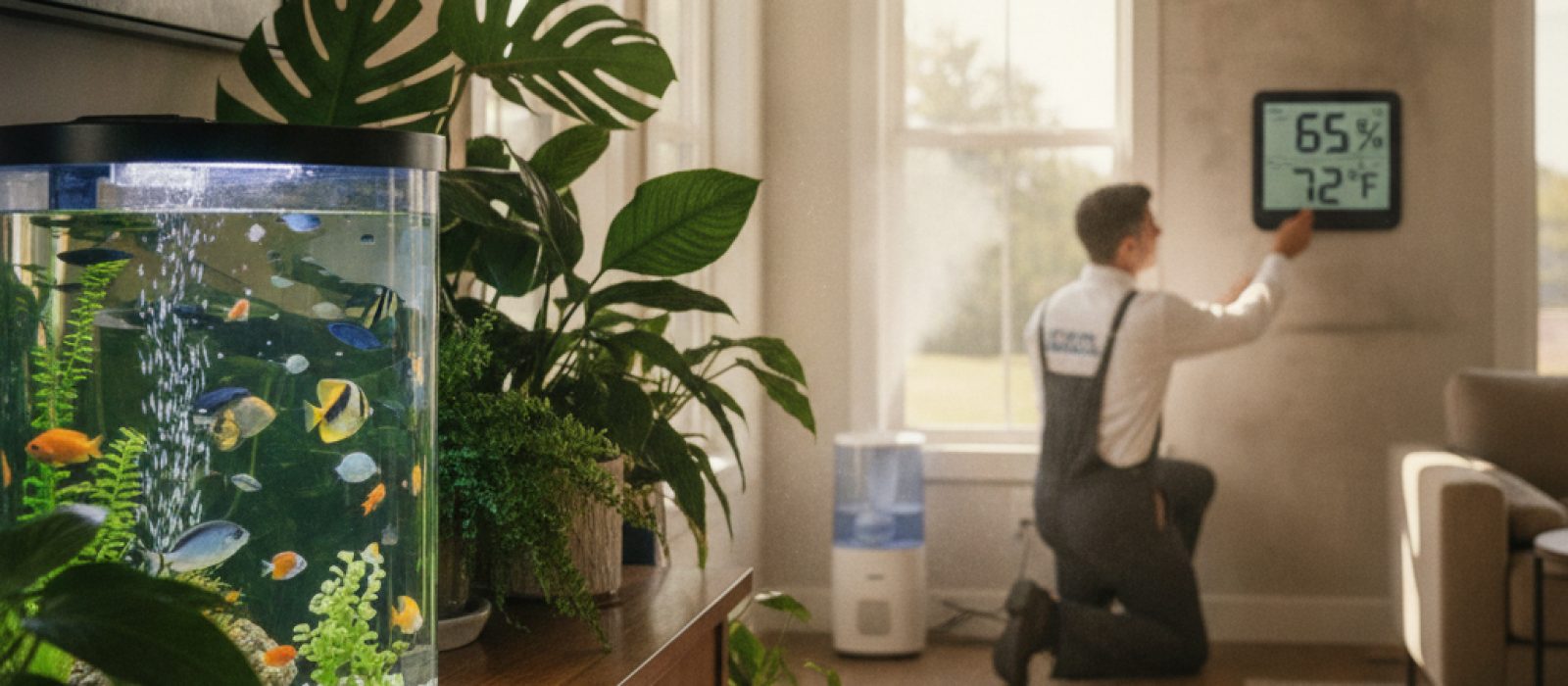
Learn how common household features like aquariums and plants impact indoor air quality and how to manage the resulting humidity levels effectively.
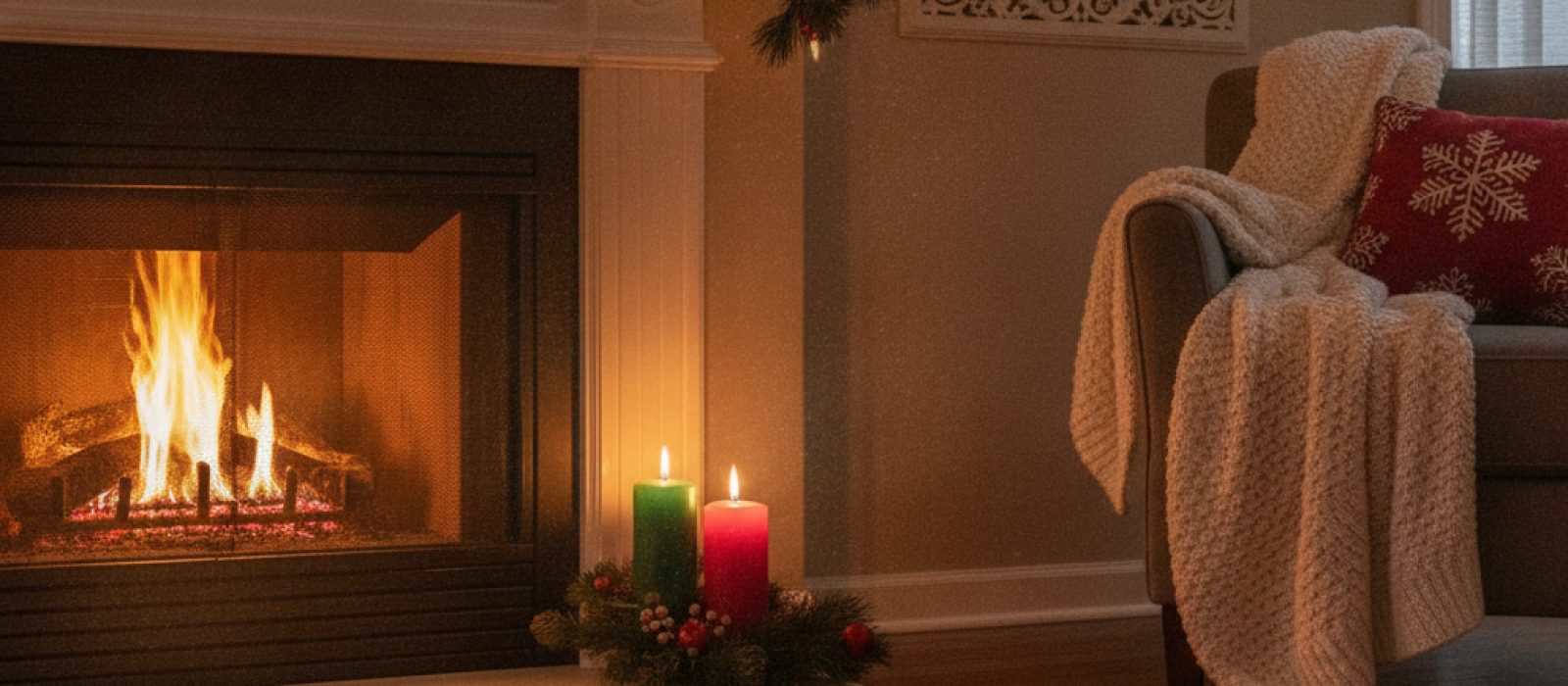
Discover how holiday traditions impact your home's indoor air quality and learn practical steps to maintain a healthy breathing environment this winter.
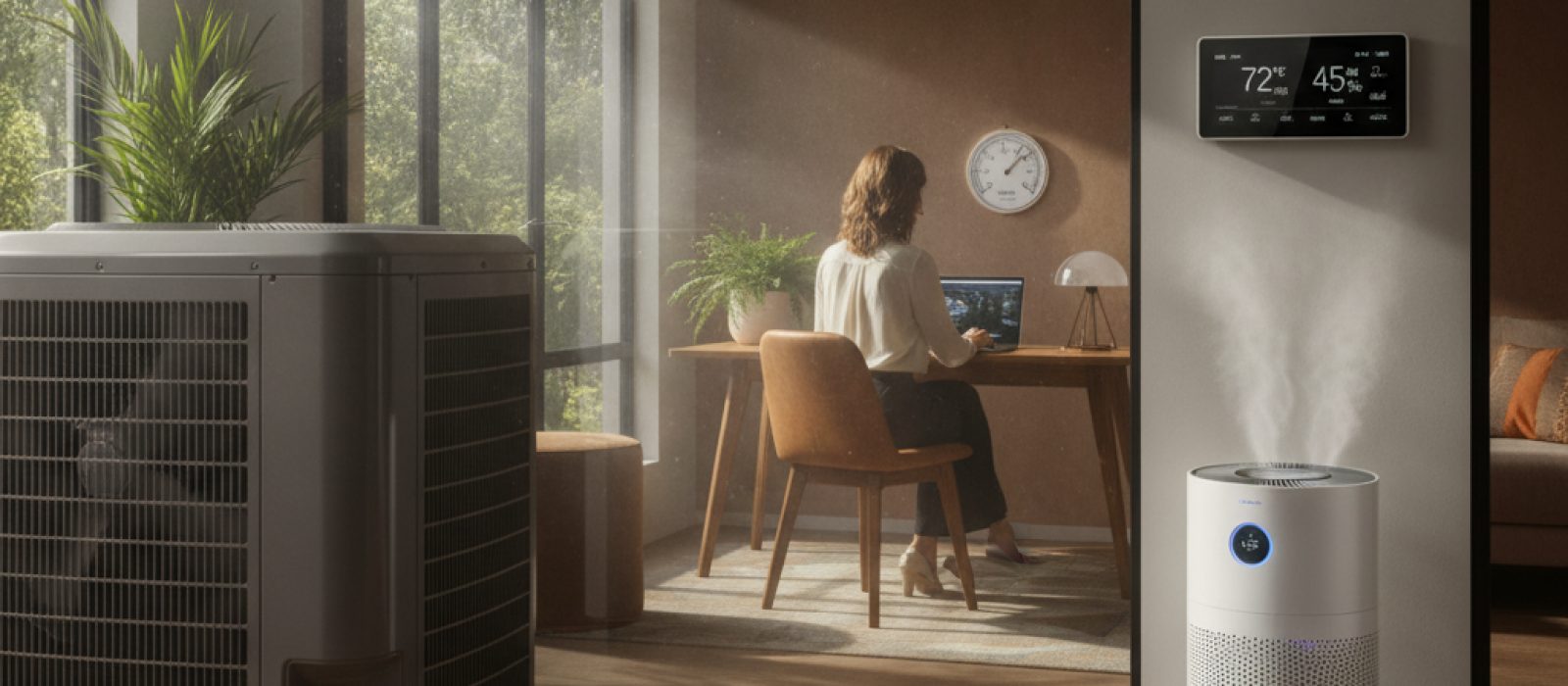
Improve productivity and health by optimizing the indoor air quality of your home office through ventilation, filtration, and humidity control.
Be the first to comment.