
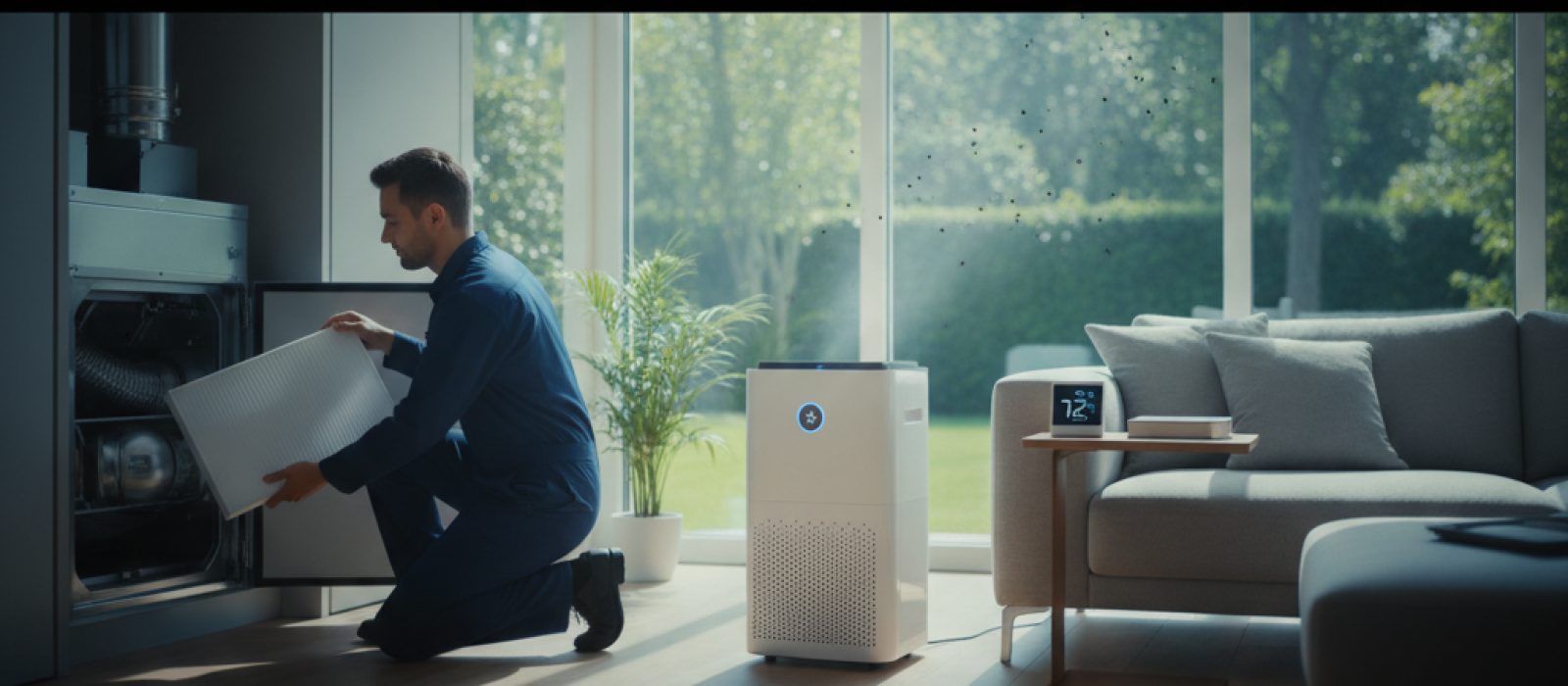
HEPA Air Cleaners for Allergies: What Actually Works
Learn how HEPA air cleaners function, their limitations in home environments, and how to effectively manage indoor air quality for allergy relief.
4 min read

Cooking is one of the most significant sources of indoor air pollution in a residential environment. When you heat food, oil, and grease, you initiate a series of chemical reactions that release particulate matter, gases, and moisture into the home. These byproducts can quickly degrade indoor air quality, potentially leading to respiratory irritation and long-term health concerns if not properly managed.
Particulate matter, specifically fine particles known as PM2.5, are produced during frying, searing, and roasting. Because these particles are microscopic, they can remain suspended in the air for long periods and penetrate deep into the lungs. Additionally, combustion appliances like gas stoves release nitrogen dioxide, carbon monoxide, and formaldehyde during normal operation. Moisture is another often-overlooked byproduct, which can raise humidity levels to a point where mold and mildew growth become a concern on walls and within your home’s ductwork services.
The most effective way to combat cooking-related pollutants is to capture them at the source before they disperse throughout your living space. A properly functioning range hood is the primary line of defense. However, simply having a hood is not enough; it must be used correctly to be effective.
If your current ventilation system is insufficient, consult a professional about upgrading to a high-efficiency exhaust hood. Proper airflow is a critical component of maintaining healthy Indoor Air Quality throughout the entire home.
Cooking introduces a substantial amount of water vapor into the air. When this moisture lingers, it can settle on surfaces and inside your HVAC system. Excess humidity can cause your air conditioner to work harder, as the unit must remove that moisture to maintain comfort. If you notice signs of mold or musty odors, it may be time to schedule professional Air Duct Cleaning to ensure that contaminants are not being circulated through your vents.
Beyond ventilation, maintaining your HVAC system is essential for managing the pollutants that do manage to escape the kitchen. High-quality air filters can capture a portion of the fine particles released during cooking. Ensure you are checking and replacing these filters according to the manufacturer's recommendations to keep your system operating efficiently.
While source control via ventilation is the priority, whole-home strategies offer a robust layer of protection. Mechanical ventilation systems, such as Energy Recovery Ventilators (ERVs) or Heat Recovery Ventilators (HRVs), work by exchanging stale indoor air with fresh, filtered outdoor air. These systems are particularly effective in tight, energy-efficient homes where natural air leakage is minimal.
These systems work in tandem with your existing heating and cooling equipment. By balancing the air pressure within your home, they ensure that pollutants from the kitchen do not migrate to bedrooms or living areas. If you are concerned about the overall health of your home's atmosphere, consider a comprehensive Indoor Air Quality assessment. A professional can identify specific problem areas and recommend equipment, such as air purifiers or specialized filtration systems, that integrate seamlessly with your existing infrastructure.
Homeowners can manage basic maintenance, such as cleaning grease filters in the range hood and changing HVAC air filters. However, more complex issues require technical expertise. If you suspect that your home’s ventilation system is improperly installed, or if you are noticing persistent moisture issues that suggest a failure in your ductwork, professional intervention is necessary. Improperly vented gas appliances can lead to dangerous accumulations of carbon monoxide, which is odorless and colorless. If you have any concerns regarding the safety of your gas range or the efficiency of your exhaust venting, contact a licensed professional to inspect your home's systems.
Regular maintenance of your furnace and cooling systems also plays a part. During a seasonal check-up, a technician can ensure that your system’s blower motor and ventilation components are clean and functioning correctly, which helps the entire home better handle the inevitable pollutants generated by daily activities like cooking.
Learn how HEPA air cleaners function, their limitations in home environments, and how to effectively manage indoor air quality for allergy relief.
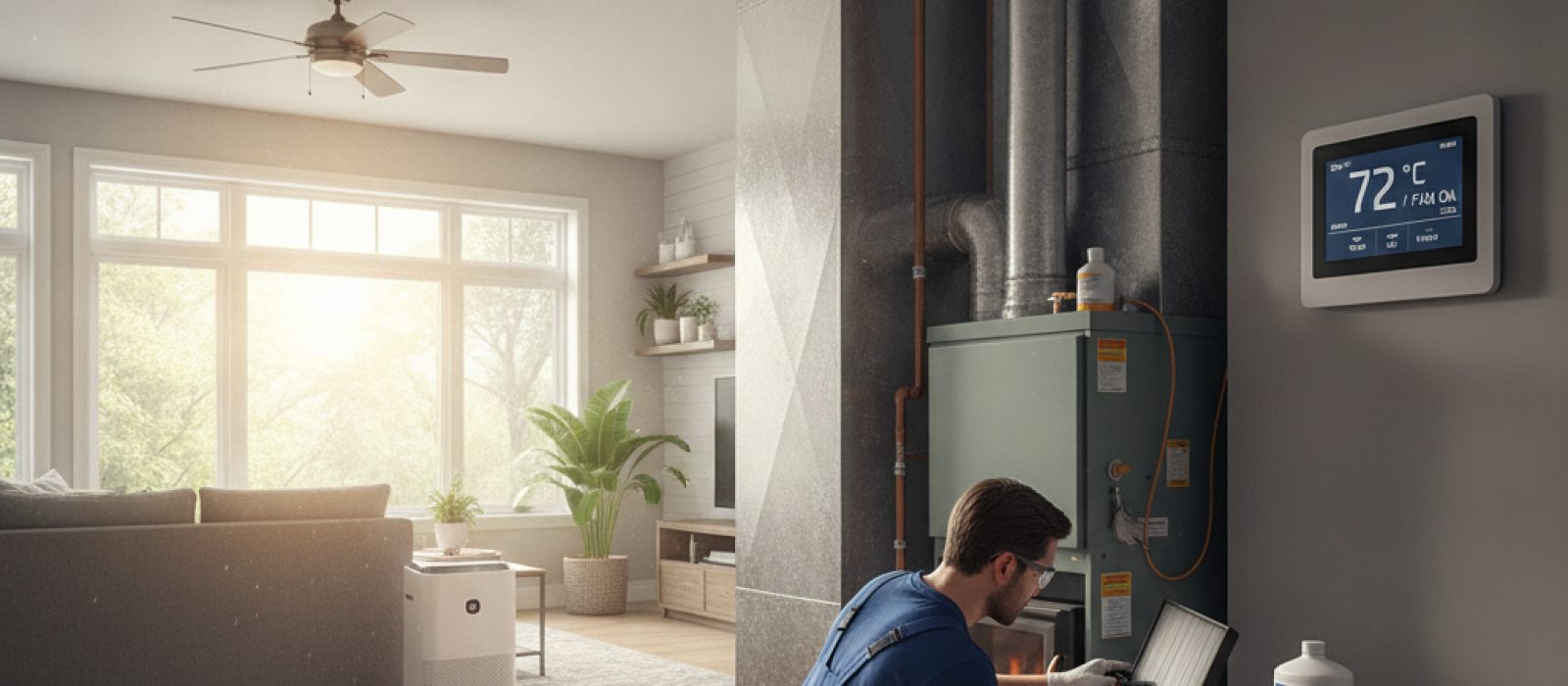
Learn to identify common indoor pollutants and discover practical, effective strategies to improve the air quality within your home.
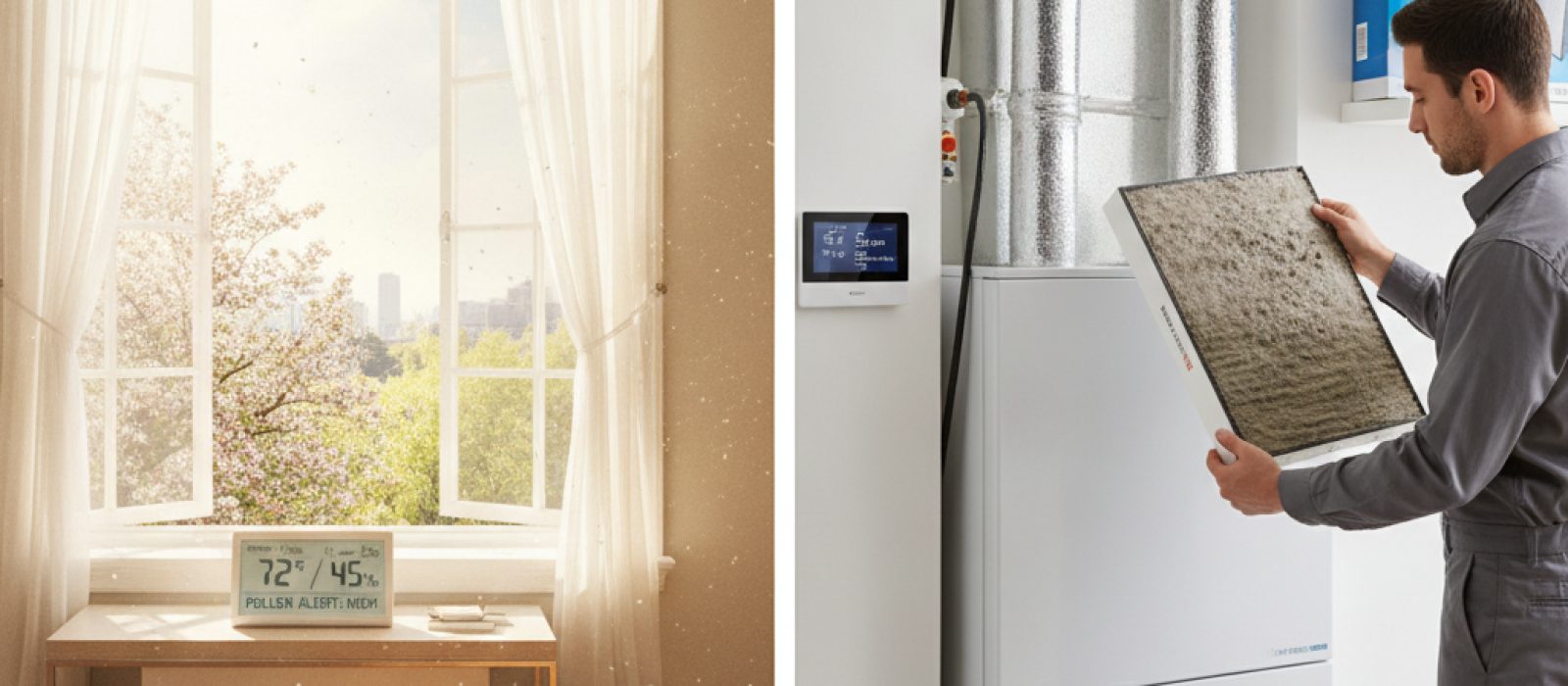
Learn the balance between natural ventilation and mechanical filtration to maintain optimal indoor air quality in your home.
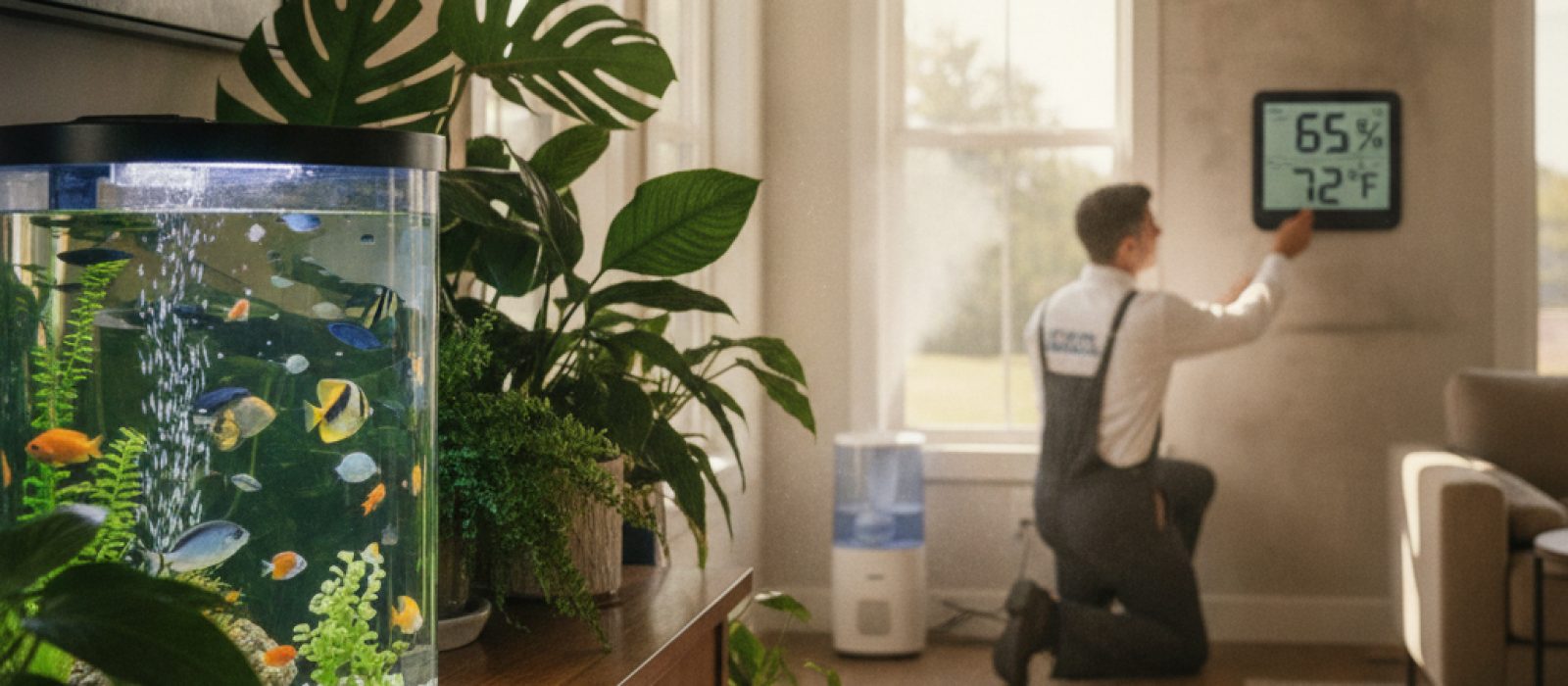
Learn how common household features like aquariums and plants impact indoor air quality and how to manage the resulting humidity levels effectively.
Discover how holiday traditions impact your home's indoor air quality and learn practical steps to maintain a healthy breathing environment this winter.
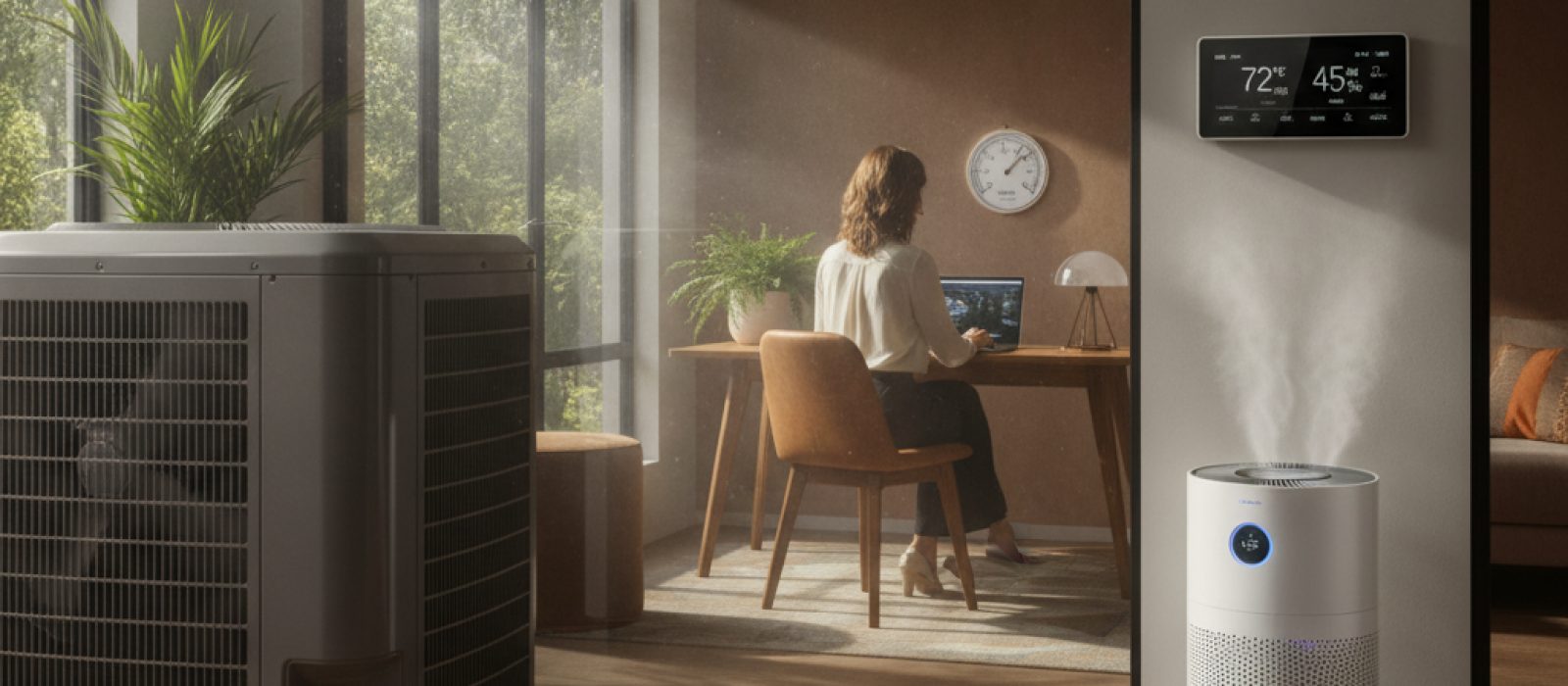
Improve productivity and health by optimizing the indoor air quality of your home office through ventilation, filtration, and humidity control.
Be the first to comment.