HVAC Service Fast

Do UV Lights in HVAC Systems Really Improve Air Quality?

4 min read

Do UV Lights in HVAC Systems Really Improve Air Quality?

The Quest for Cleaner Indoor Air

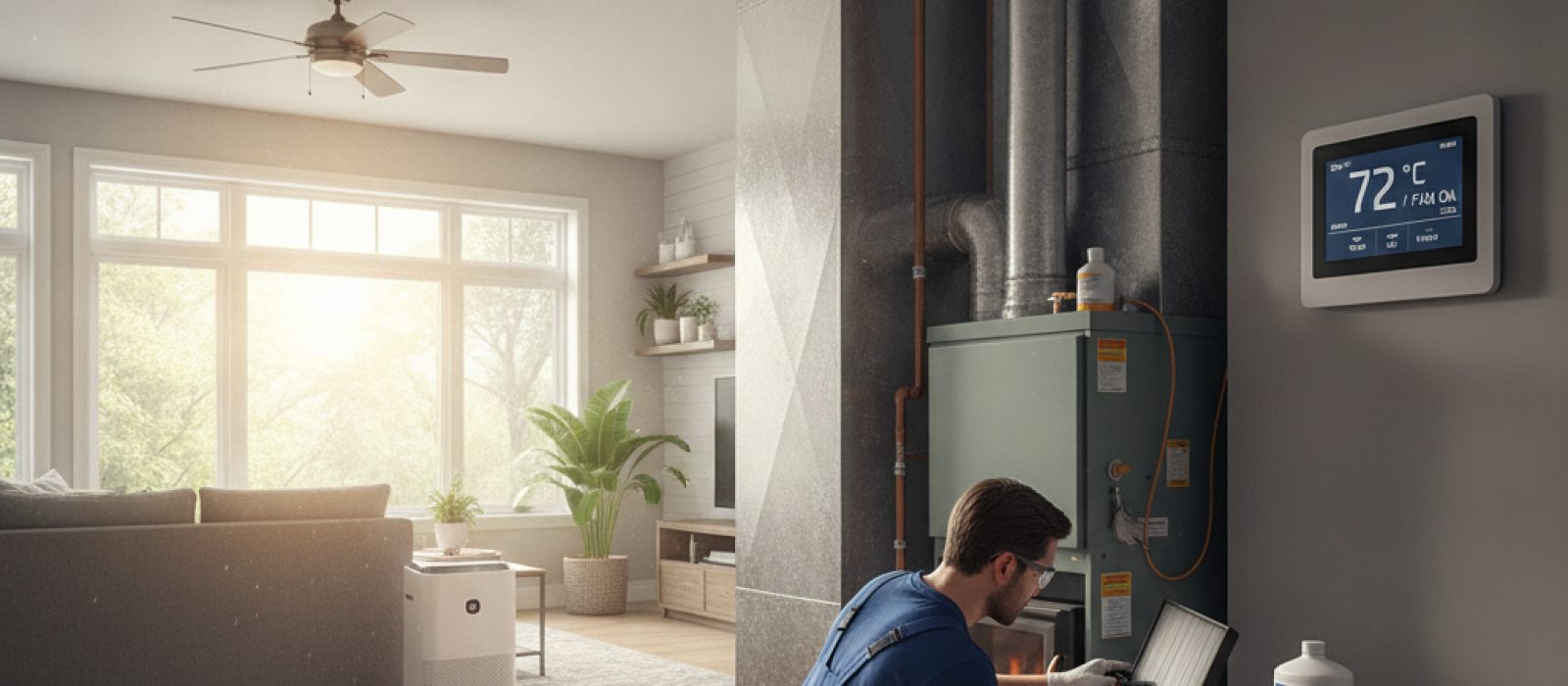
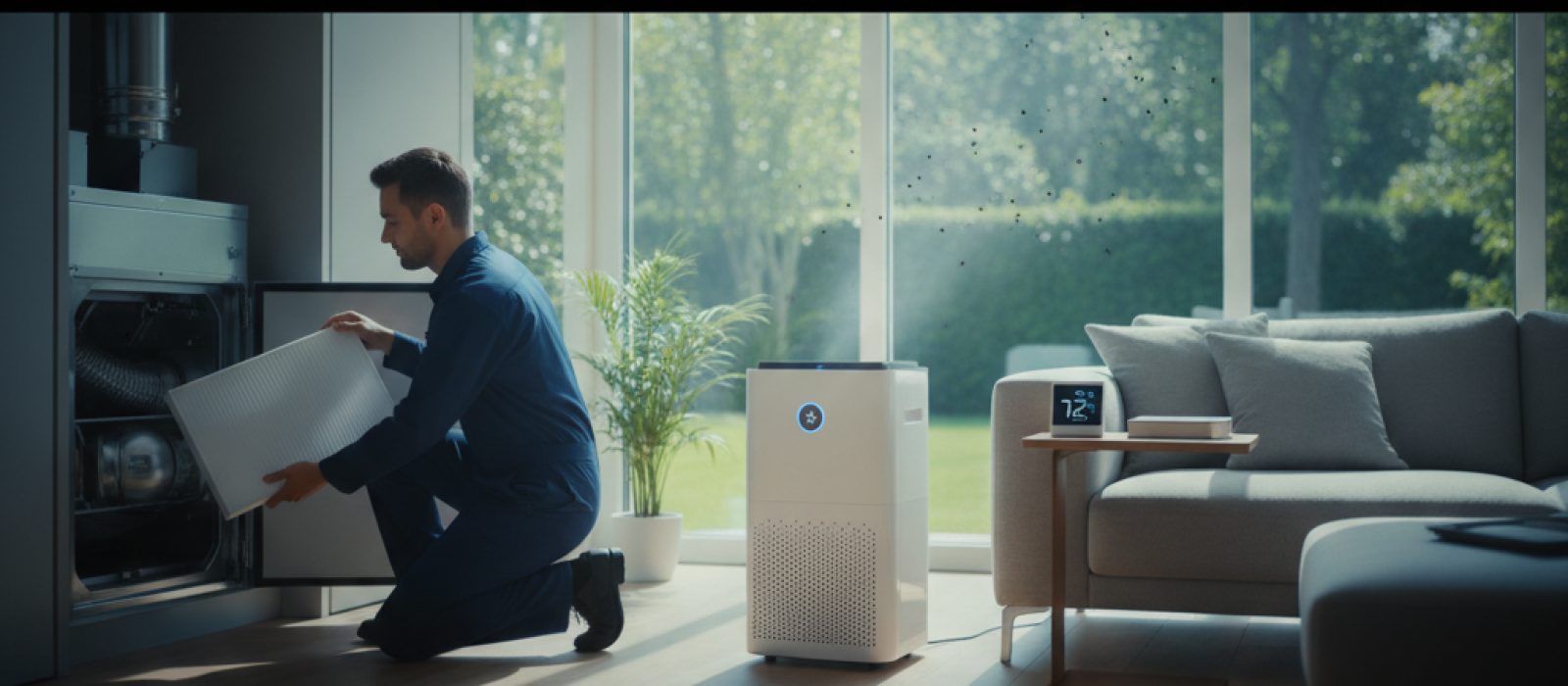
In our modern homes, indoor air quality (IAQ) has become a significant concern for many homeowners. With increased awareness of allergens, viruses, bacteria, and other airborne contaminants, people are seeking effective solutions to breathe easier. One technology that frequently comes up in discussions about improving IAQ is the use of UV-C lights within HVAC systems. But do these lights truly make a difference, or are they just another gadget?

What Are HVAC UV Lights and How Do They Work?

When we talk about UV lights in HVAC systems, we're specifically referring to germicidal ultraviolet (UV-C) light. This is a powerful, short-wavelength ultraviolet light that has been used for decades in hospitals, laboratories, and water treatment facilities to sterilize equipment and purify water.

In an HVAC context, these lights are typically installed in one of two main locations:

  • Coil Sterilization Lights: These are mounted near the evaporator coil and drain pan. Their primary purpose is to prevent mold and bacterial growth on these moist surfaces. A clean coil operates more efficiently and doesn't circulate mold spores into your home.
  • Air Sterilization Lights (Duct-Mounted): These are installed in the return ductwork-services" class="font-medium text-brand-blue hover:underline">air duct, designed to treat airborne contaminants as air passes through the system. As air flows past the UV-C light, microorganisms like viruses, bacteria, and mold spores are exposed to the germicidal radiation, which disrupts their DNA and RNA, rendering them inactive or unable to reproduce.

The Benefits: What Can UV Lights Do?

There are several potential advantages to integrating UV-C lights into your HVAC system:

  • Mold and Mildew Prevention: This is arguably the most proven and immediate benefit. Keeping your evaporator coil clean of biological growth not only improves air quality by preventing mold spores from being distributed but also enhances system efficiency. A dirty coil reduces heat transfer, forcing your system to work harder and consume more energy.
  • Reduction of Airborne Pathogens: UV-C lights can kill or inactivate a significant percentage of airborne viruses, bacteria, and mold spores that pass through your ductwork. This can be particularly beneficial for homes with allergy sufferers, asthmatics, or individuals with compromised immune systems.
  • Odor Control: By eliminating odor-causing bacteria and mold on coils, UV lights can contribute to a fresher smell throughout your home, especially if you've experienced musty odors from your HVAC system.
  • Improved HVAC Efficiency: A clean coil and drain pan mean your system doesn't have to work as hard to condition your air, potentially leading to lower energy bills and extended system lifespan.

Limitations and Considerations

While UV lights offer clear benefits, it's important to understand their limitations:

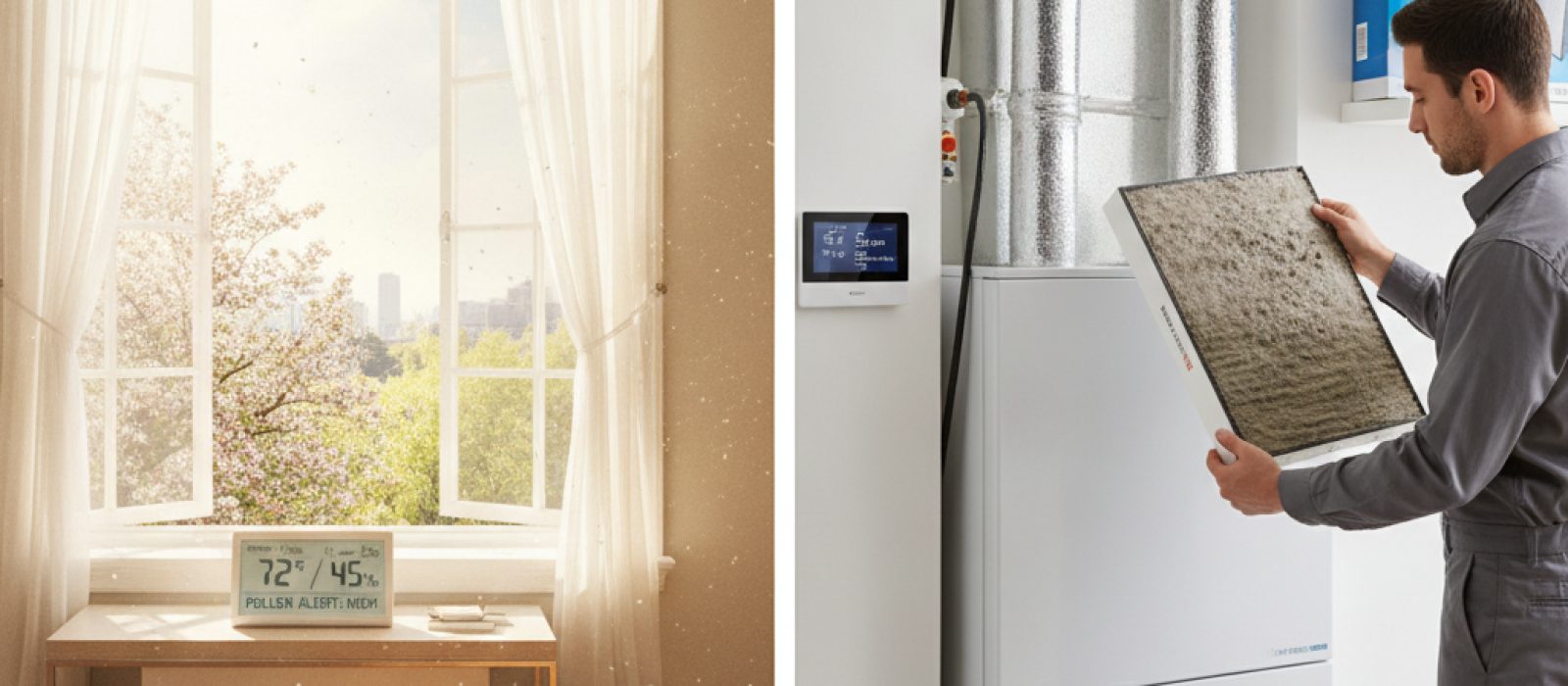
  • Does Not Remove Particles: UV lights kill microorganisms, but they do not filter out dust, pollen, pet dander, or other non-living particulate matter. For comprehensive air quality, UV lights should be used in conjunction with a high-quality air filter (like a MERV 11 or higher).
  • Exposure Time Matters: For air sterilization, the effectiveness depends on the contact time between the air and the UV light. Air moving quickly through ducts might not receive enough exposure to kill all microorganisms. Coil sterilization lights have a constant, direct exposure, making them highly effective for surface treatment.
  • Professional Installation is Key: UV lights emit radiation that can be harmful to skin and eyes. They must be installed correctly within the HVAC system, shielded from view, and in a way that doesn't degrade internal components over time.
  • Maintenance: UV-C bulbs degrade over time and typically need to be replaced every 9-12 months. This is an ongoing maintenance cost to consider.

Is an HVAC UV Light Right for Your Home?

For many homeowners, the answer is yes, especially if you:

  • Suffer from allergies or asthma.
  • Have family members with compromised immune systems.
  • Live in a humid climate prone to mold growth.
  • Are concerned about airborne viruses and bacteria.
  • Want to maintain a cleaner, more efficient HVAC system.

While UV lights are not a standalone solution for all indoor air quality issues, they are a powerful tool when used as part of a comprehensive strategy that includes regular HVAC maintenance, high-efficiency air filters, and proper ventilation. Consult with a trusted HVAC professional to discuss whether a UV light system is a beneficial addition to your home's specific needs and setup.

#home comfort #HVAC #Indoor Air Quality #air quality #UV Light #Mold Prevention

Frequently asked questions

What are UV lights in HVAC systems?
UV lights in HVAC systems use germicidal ultraviolet (UV-C) light to sterilize surfaces or treat airborne contaminants, similar to their use in hospitals and water treatment.
How do HVAC UV lights improve air quality?
They prevent mold and bacterial growth on evaporator coils and can inactivate airborne viruses, bacteria, and mold spores as air passes through the system.
What are the main benefits of installing HVAC UV lights?
Key benefits include preventing mold/mildew on coils, reducing airborne pathogens, controlling odors, and potentially improving HVAC efficiency due to cleaner components.
Do UV lights remove dust and other particles from the air?
No, UV lights kill microorganisms but do not filter out non-living particulate matter like dust, pollen, or pet dander. They should be used with a good air filter.
How often do HVAC UV-C bulbs need to be replaced?
UV-C bulbs degrade over time and typically need to be replaced every 9-12 months to maintain their effectiveness.
Who benefits most from HVAC UV lights?
Homeowners with allergy or asthma sufferers, individuals with compromised immune systems, or those experiencing musty HVAC odors can particularly benefit.

Related articles

Comments (0)

Be the first to comment.

Leave a comment

Security code

Comments are moderated before they appear.