
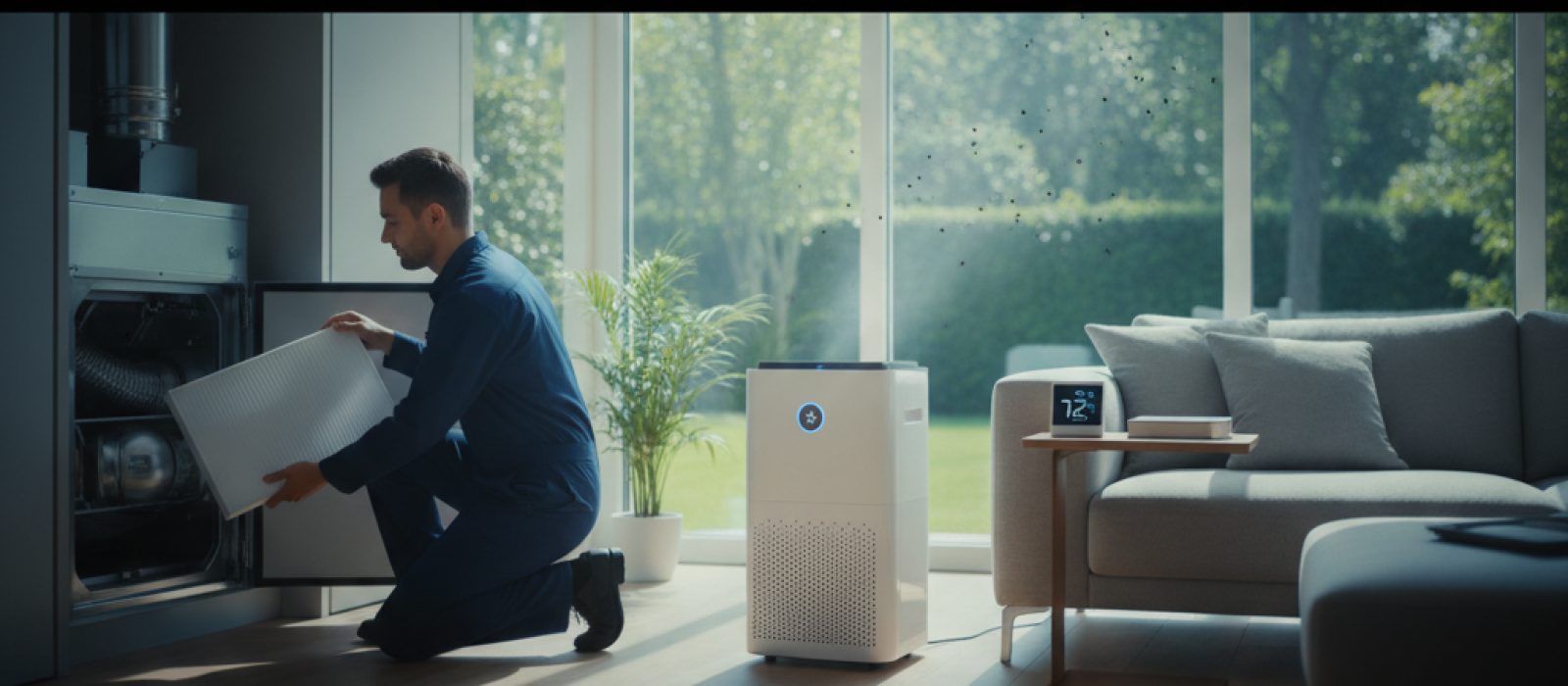
HEPA Air Cleaners for Allergies: What Actually Works
Learn how HEPA air cleaners function, their limitations in home environments, and how to effectively manage indoor air quality for allergy relief.
3 min read

Carbon monoxide (CO) is often called the 'silent killer' because it's an odorless, colorless, and tasteless gas, making it impossible to detect without a specialized device. It's a byproduct of incomplete combustion, meaning that when fuels like natural gas, propane, oil, wood, or charcoal burn without enough oxygen, CO is produced. When inhaled, CO replaces oxygen in the bloodstream, leading to serious health issues, unconsciousness, and even death.
While many sources can produce CO, including gas stoves, fireplaces, and car exhaust, your home's heating, ventilation, and air conditioning (HVAC) system can unfortunately be a significant, often overlooked, potential source or pathway for CO accumulation if not properly maintained.
Many homeowners don't realize the direct link between their HVAC system and carbon monoxide safety. Here's how your system can be involved:
Protecting your family from CO poisoning requires a proactive approach. Here's what every homeowner should do:
This is non-negotiable. CO detectors are your first line of defense. Install them on every level of your home, especially near sleeping areas and near attached garages. Test them regularly according to the manufacturer's instructions (usually monthly) and replace batteries annually, or replace the entire unit every 5-7 years, as their sensors degrade over time.
Professional HVAC technicians are trained to spot potential CO hazards. During an annual tune-up, they will:
This routine maintenance is not just about efficiency; it's a critical safety measure.
Make sure all vents, flues, and chimneys for furnaces, water heaters, and fireplaces are free of obstructions like bird nests, leaves, or debris. Never block exhaust vents. If you use a gas clothes dryer, ensure its vent is clear and properly connected.
This includes charcoal grills, portable generators, and camping stoves. These devices produce high levels of CO and should only be used outdoors in well-ventilated areas, far away from windows and doors.
Recognize the signs of carbon monoxide poisoning, which can mimic flu symptoms: headache, dizziness, nausea, fatigue, and shortness of breath. If you suspect CO poisoning, immediately move to fresh air and call 911. If your CO detector sounds, evacuate your home and call the fire department.
At [Your Company Name], we understand the critical importance of home safety. Our certified technicians are dedicated to ensuring your HVAC system operates efficiently and, most importantly, safely. Don't wait for a problem to arise; make annual HVAC maintenance a priority for peace of mind. Contact us today to schedule your next service and take a vital step towards protecting your home from the silent threat of carbon monoxide.
Learn how HEPA air cleaners function, their limitations in home environments, and how to effectively manage indoor air quality for allergy relief.
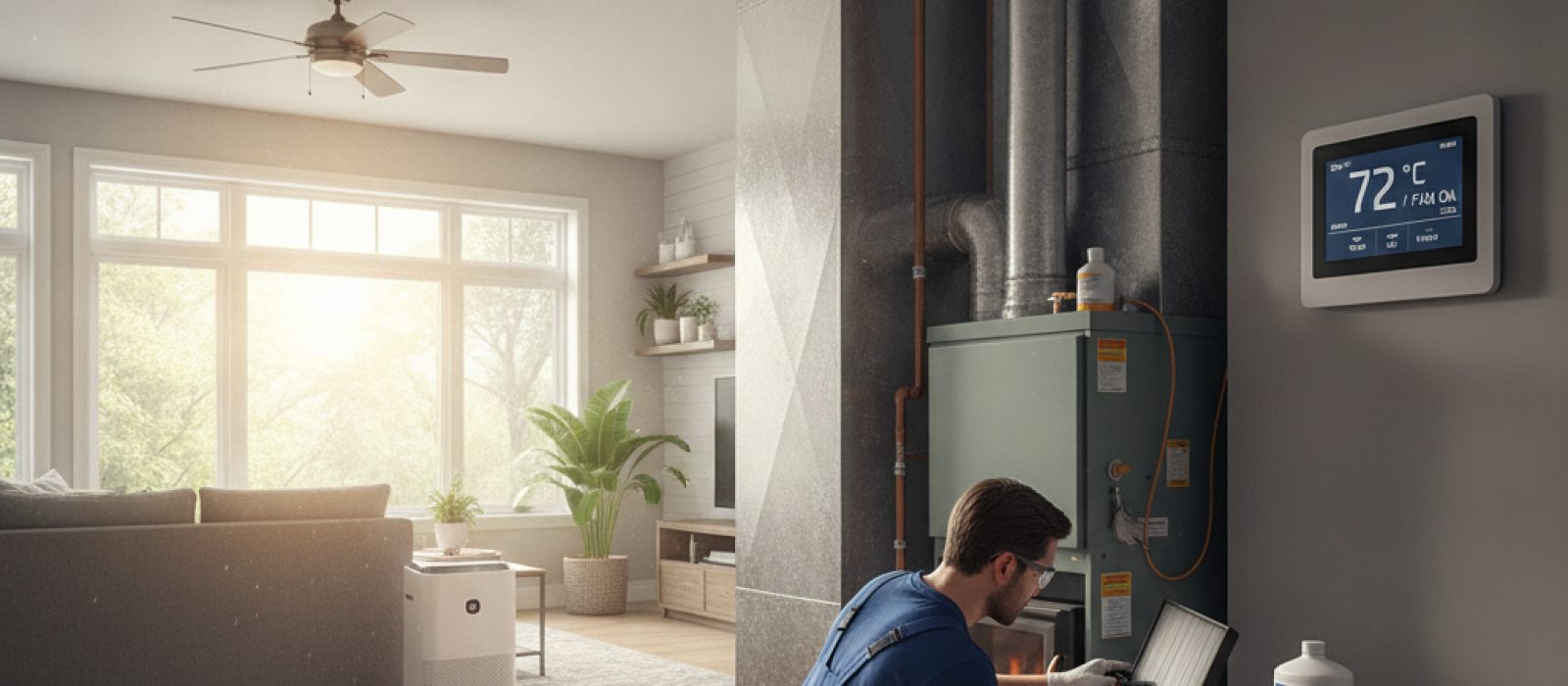
Learn to identify common indoor pollutants and discover practical, effective strategies to improve the air quality within your home.
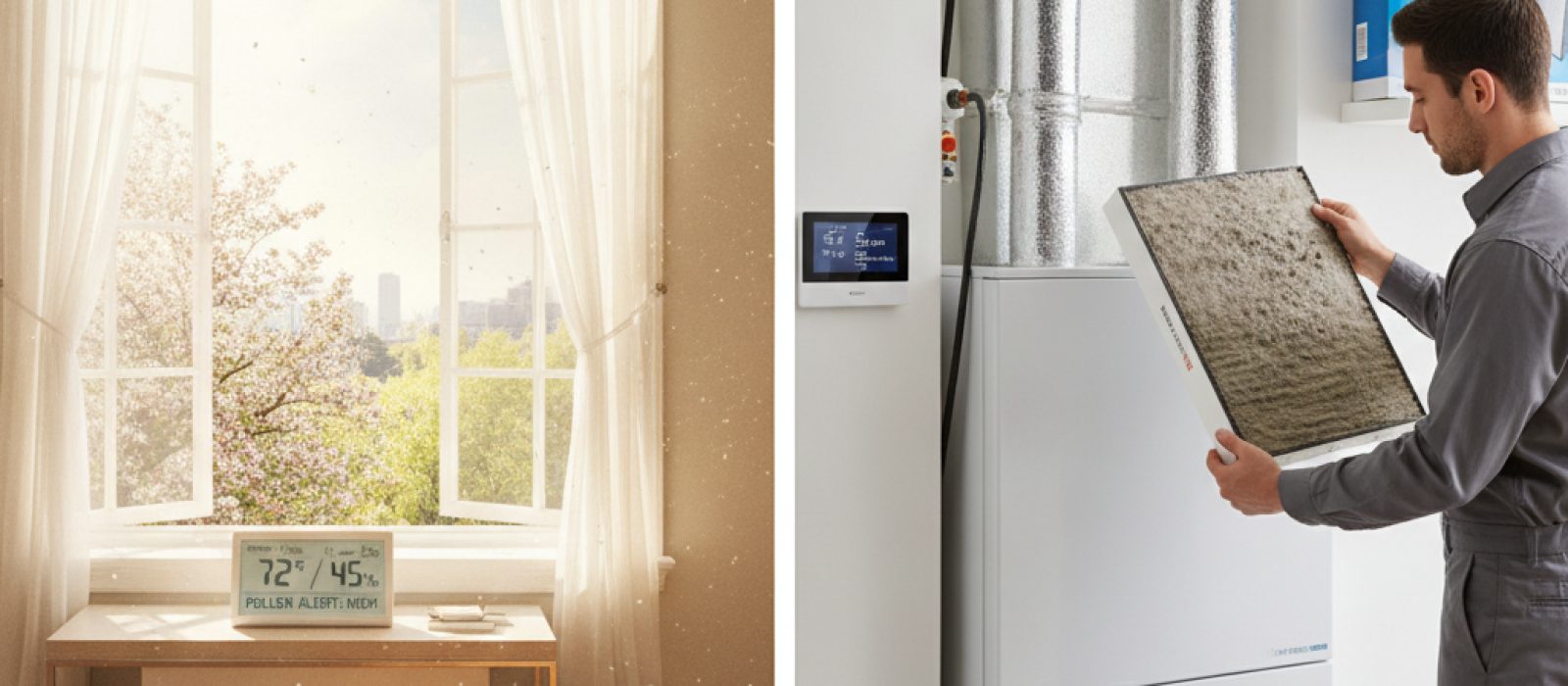
Learn the balance between natural ventilation and mechanical filtration to maintain optimal indoor air quality in your home.
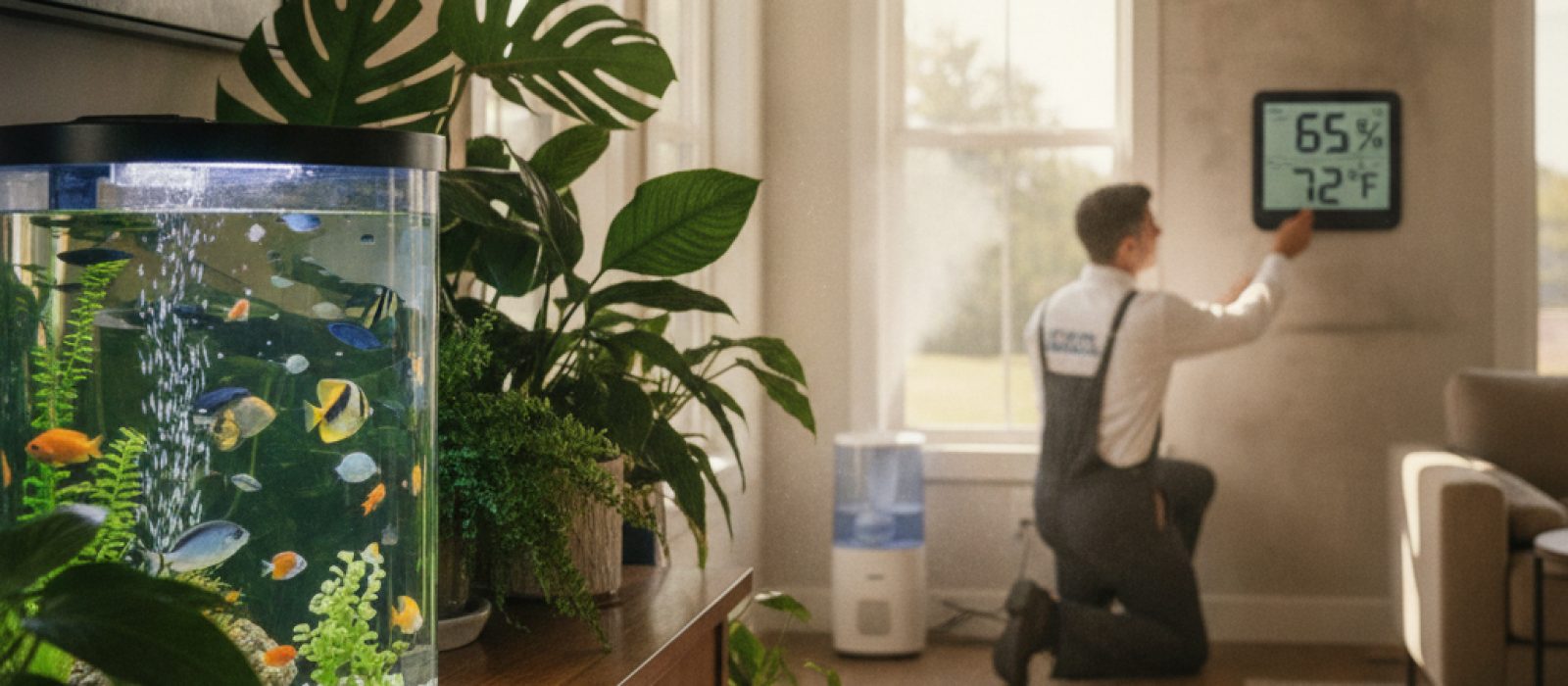
Learn how common household features like aquariums and plants impact indoor air quality and how to manage the resulting humidity levels effectively.
Discover how holiday traditions impact your home's indoor air quality and learn practical steps to maintain a healthy breathing environment this winter.
Improve productivity and health by optimizing the indoor air quality of your home office through ventilation, filtration, and humidity control.
Be the first to comment.