
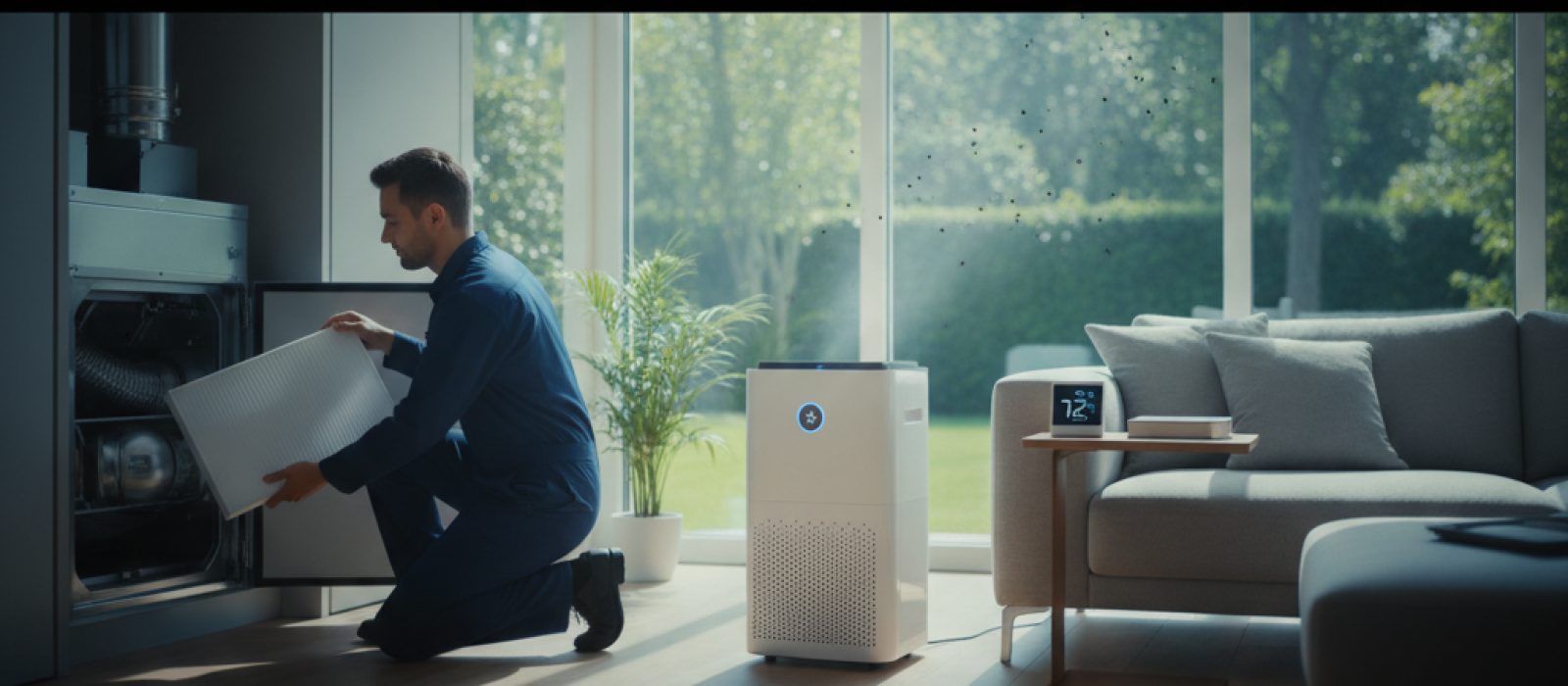
HEPA Air Cleaners for Allergies: What Actually Works
Learn how HEPA air cleaners function, their limitations in home environments, and how to effectively manage indoor air quality for allergy relief.
4 min read

Air ducts serve as the lungs of a home, circulating conditioned air through every room. Over time, these pathways can accumulate dust, pollen, pet dander, and other particulate matter. While it is natural for some dust to settle in any home, excessive buildup within the HVAC system can lead to concerns regarding indoor air quality and the potential for these particles to be recirculated throughout the living space.
Understanding whether cleaning these ducts provides relief for allergy sufferers requires a look at how debris settles and moves. Most household dust is inert, but biological contaminants like pet dander, mold spores, and pollen are known allergens. When these substances collect in ductwork, they may be blown back into the air every time the heating or cooling system activates.
Visual inspection is the first step in determining if your system requires attention. While you cannot see deep into the entire network, checking register covers and return vents often provides a clear indicator of the conditions inside the ductwork. If you notice thick layers of dust or visible debris when you remove a vent cover, it is a sign that the system is overdue for a thorough cleaning.
Beyond visible dust, consider the environmental factors in your home. Homes with multiple pets often experience a faster accumulation of hair and dander within the vents. Additionally, if the home has recently undergone renovations, drywall dust and construction debris frequently settle inside the ductwork. If you notice a musty odor when the furnace kicks on, this could indicate moisture issues or biological growth that requires immediate professional assessment.
Professional duct cleaning involves the use of specialized vacuums and agitation tools designed to dislodge debris from the interior walls of the ducts. The goal is to remove the reservoir of allergens that may be contributing to poor indoor air quality. However, it is important to manage expectations; cleaning the ducts will not eliminate all allergens from a home.
Most airborne particles originate from activity within the home, such as shedding pets, opening windows, or bringing in pollen on clothing. Duct cleaning removes the buildup that has already occurred, but it does not prevent new dust from entering the system. For a comprehensive approach, many homeowners pair duct cleaning with regular maintenance and tune-up services to ensure the entire system is operating efficiently and filtering air correctly.
Maintaining a clean HVAC system is an ongoing process that extends beyond a one-time cleaning. Replacing air filters at regular intervals is the most effective way to keep particulates out of the ducts. High-efficiency filters are designed to capture smaller particles, including pet dander and microscopic allergens, before they enter the system.
If you find that your air quality remains poor despite regular cleaning and filter changes, it may be time to consult with experts in indoor air quality. They can evaluate whether your system requires additional filtration upgrades or if there are leaks in the ductwork that are pulling in unconditioned, dusty air from attics or crawl spaces. Addressing these leaks is a critical part of comprehensive ductwork services that can improve both system efficiency and health.
While homeowners can safely clean their own vent covers and replace filters, the actual ductwork requires specialized equipment to avoid damaging the system or spreading dust throughout the house. A professional technician uses negative pressure systems to ensure that dislodged debris is captured rather than pushed into your living areas.
If you suspect mold growth, have experienced a pest infestation, or notice a significant decrease in airflow, professional intervention is necessary. Attempting to clean deep inside the ducts with household vacuums is often ineffective and can lead to safety hazards if you accidentally disconnect components or damage internal seals. Relying on trained professionals ensures the job is done safely and follows industry best practices.
Reducing the impact of allergies often requires a multi-faceted strategy. Beyond the HVAC system, controlling humidity levels is essential, as high humidity promotes mold growth. If your home struggles with moisture, look into professional solutions for managing household humidity. Furthermore, keeping floors and upholstery clean reduces the total volume of dander that the HVAC system might eventually pull into the return vents.
By integrating periodic duct cleaning with consistent filter replacement and humidity control, you create a more stable environment for those with sensitivities. While duct cleaning is not a cure-all, it is a significant component of a healthy, well-maintained home. When combined with regular furnace services or cooling system checks, these efforts ensure your HVAC system supports your comfort rather than hindering it.
Learn how HEPA air cleaners function, their limitations in home environments, and how to effectively manage indoor air quality for allergy relief.
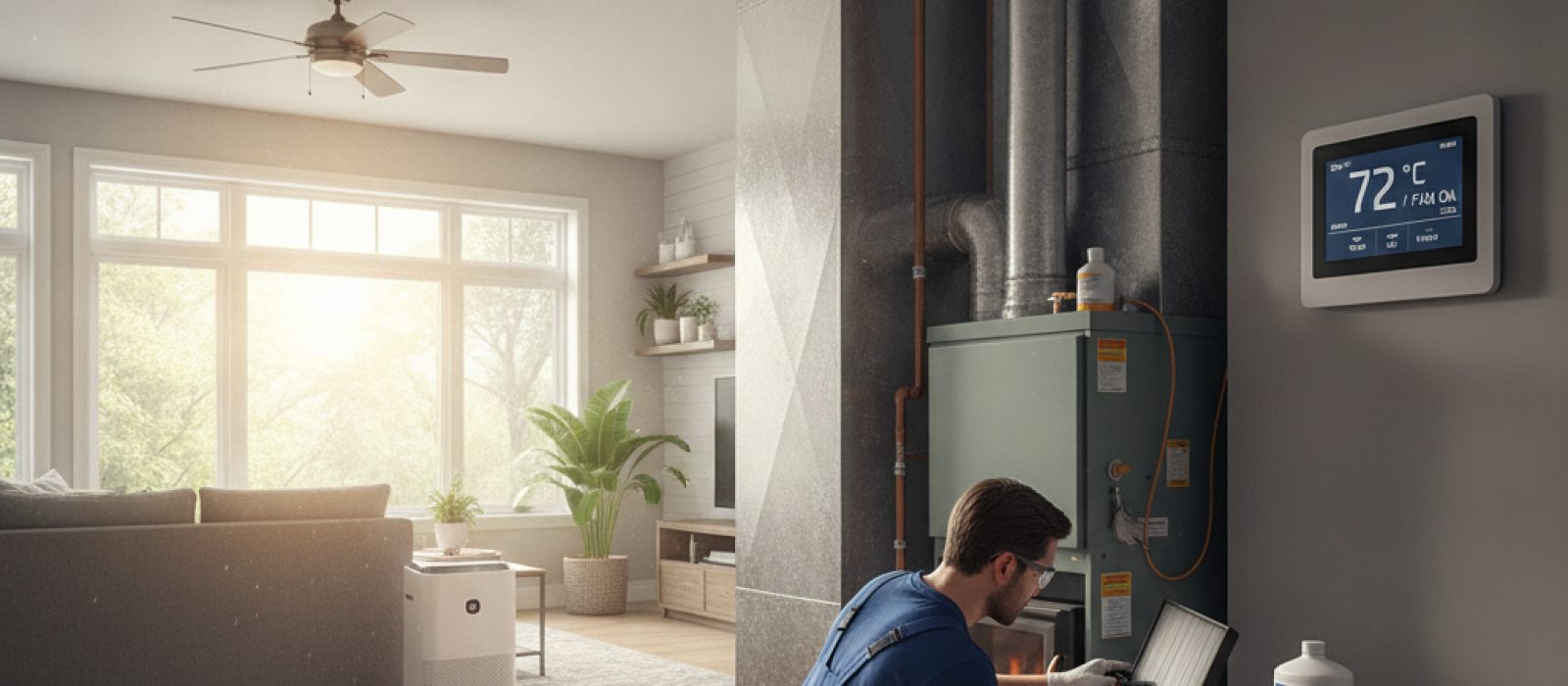
Learn to identify common indoor pollutants and discover practical, effective strategies to improve the air quality within your home.
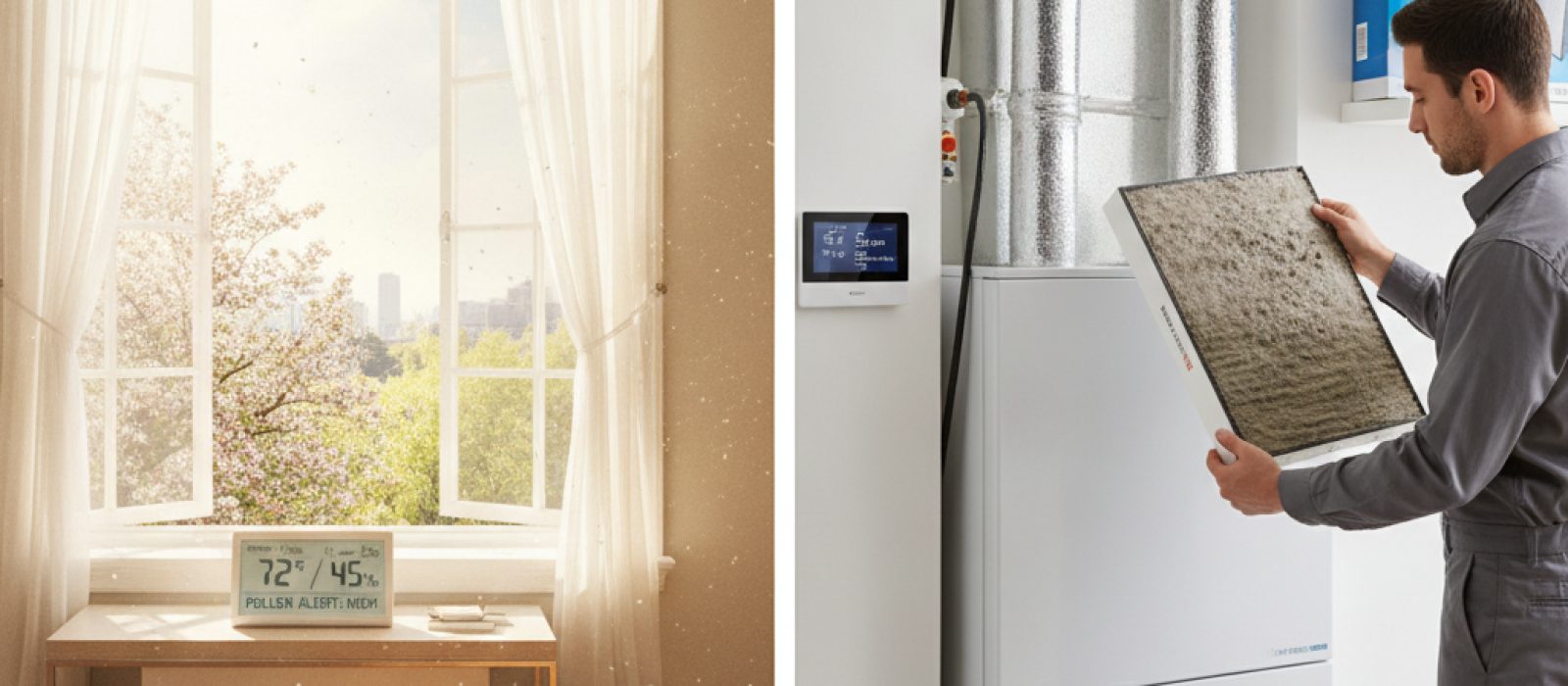
Learn the balance between natural ventilation and mechanical filtration to maintain optimal indoor air quality in your home.
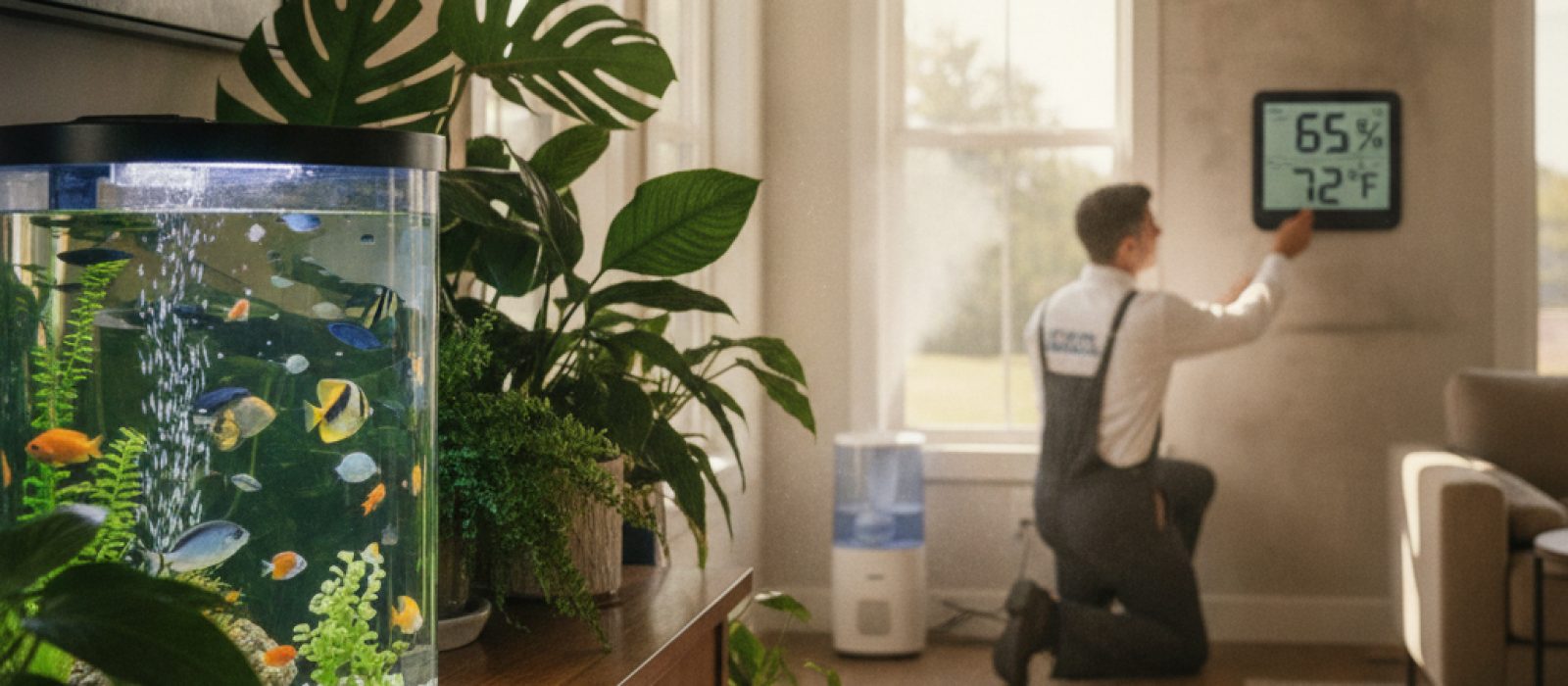
Learn how common household features like aquariums and plants impact indoor air quality and how to manage the resulting humidity levels effectively.
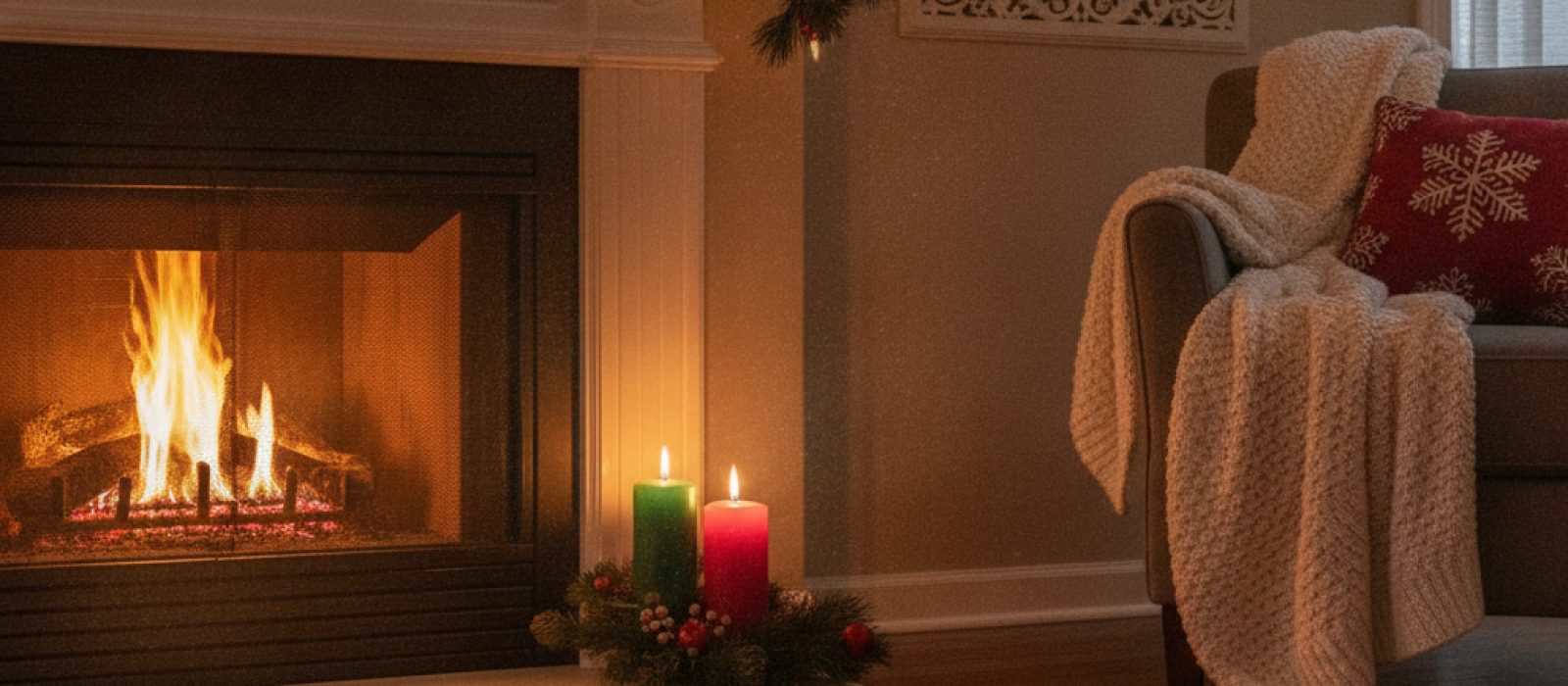
Discover how holiday traditions impact your home's indoor air quality and learn practical steps to maintain a healthy breathing environment this winter.
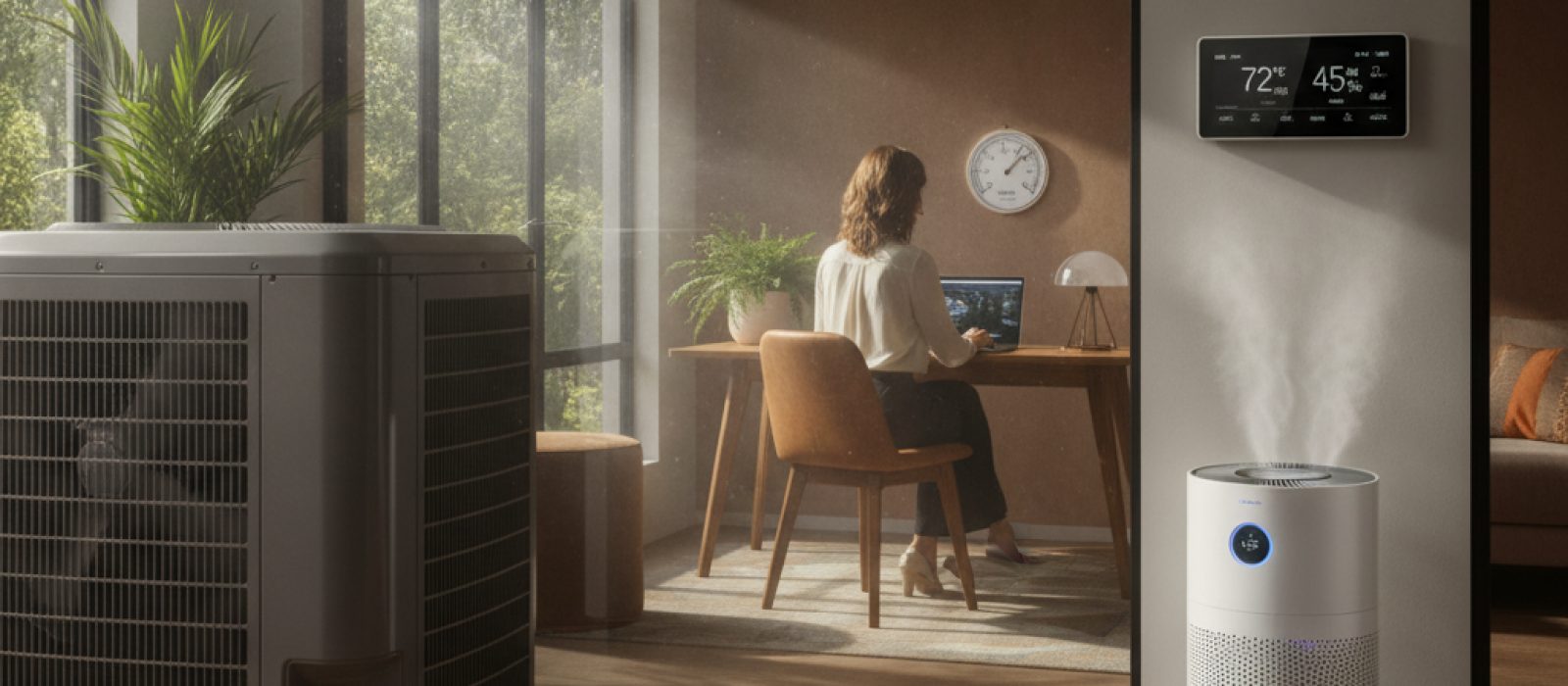
Improve productivity and health by optimizing the indoor air quality of your home office through ventilation, filtration, and humidity control.
Be the first to comment.