HVAC Service Fast

Breathe Easier: Improve Indoor Air Quality During Allergy Season

3 min read

Breathe Easier: Improve Indoor Air Quality During Allergy Season

Understanding Allergy Season's Impact on Your Home

As flowers bloom and trees bud, many U.S. homeowners brace themselves for the annual onslaught of allergy season. While pollen counts dominate outdoor air quality reports, the air inside your home can also become a significant source of discomfort. Pollen, dust mites, pet dander, mold spores, and other allergens can easily infiltrate your living spaces, triggering sneezing, coughing, watery eyes, and general misery. The good news is that with a few proactive steps and the right HVAC maintenance, you can transform your home into a sanctuary from allergens.

Your HVAC System: A First Line of Defense

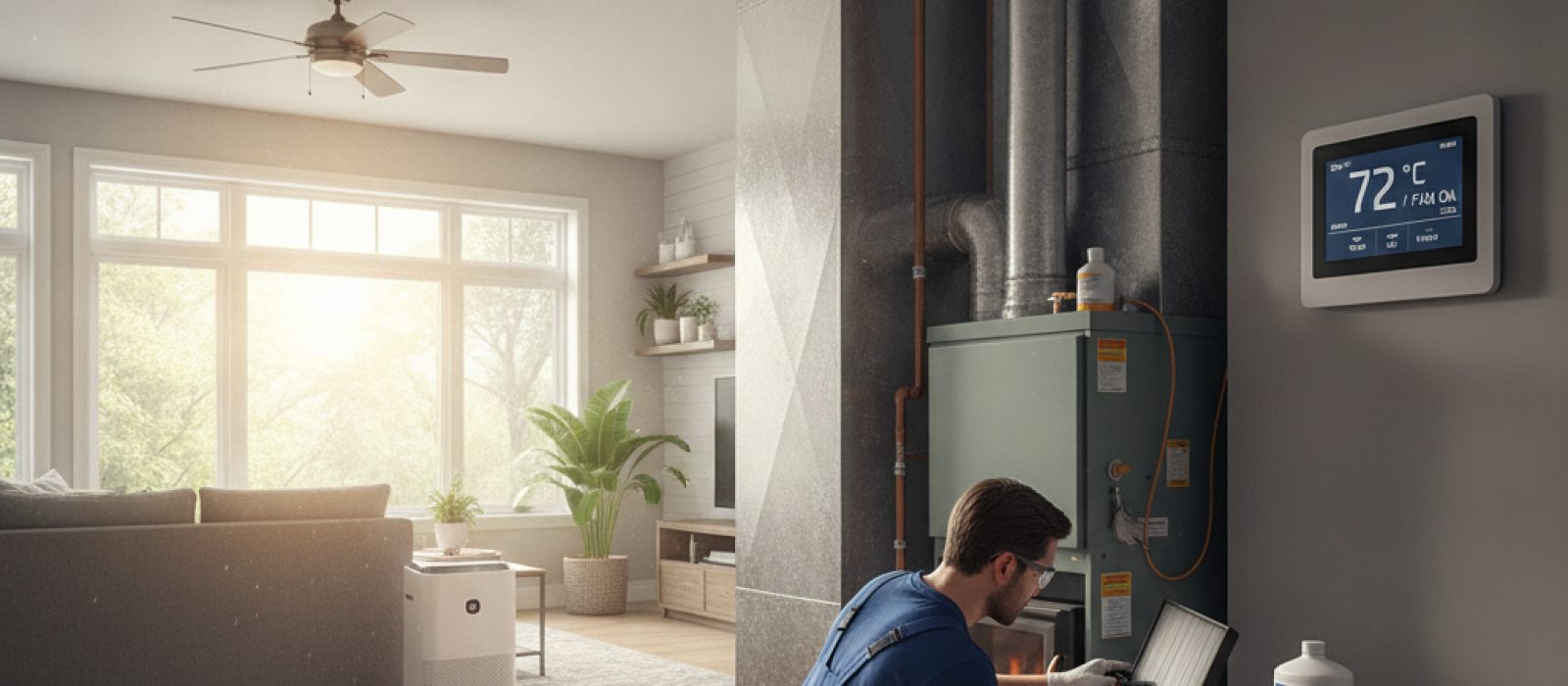
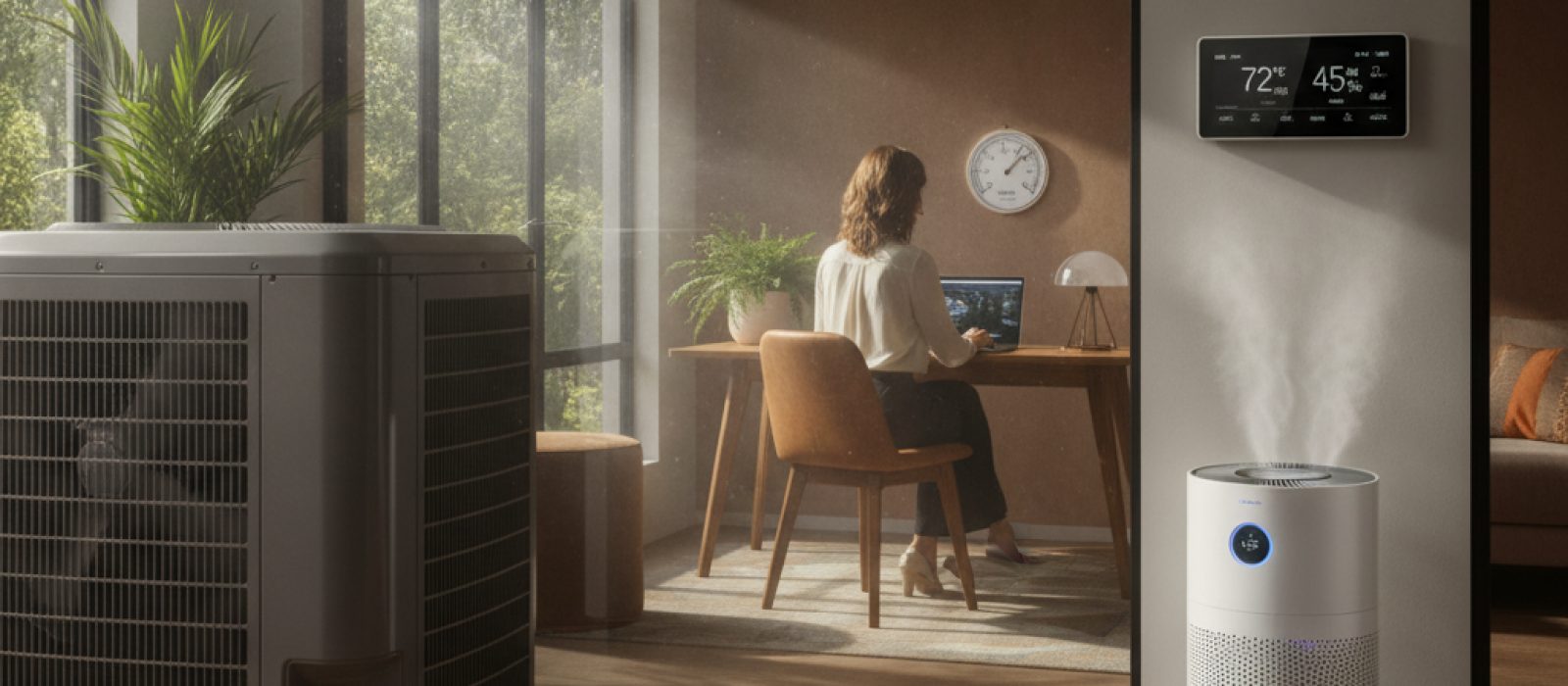
Your heating, ventilation, and air conditioning (HVAC) system plays a crucial role in managing indoor air quality. It circulates air throughout your home, and with proper care, it can filter out many airborne irritants.

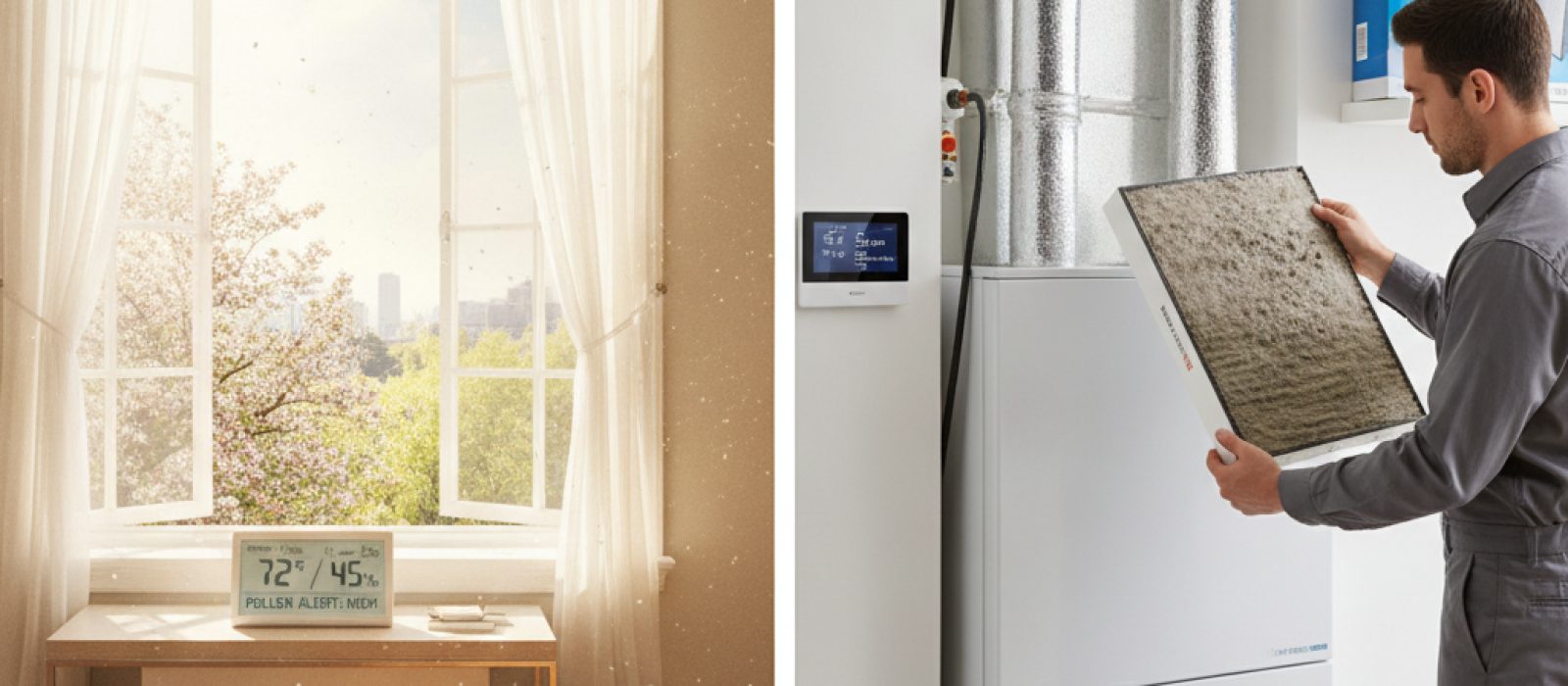
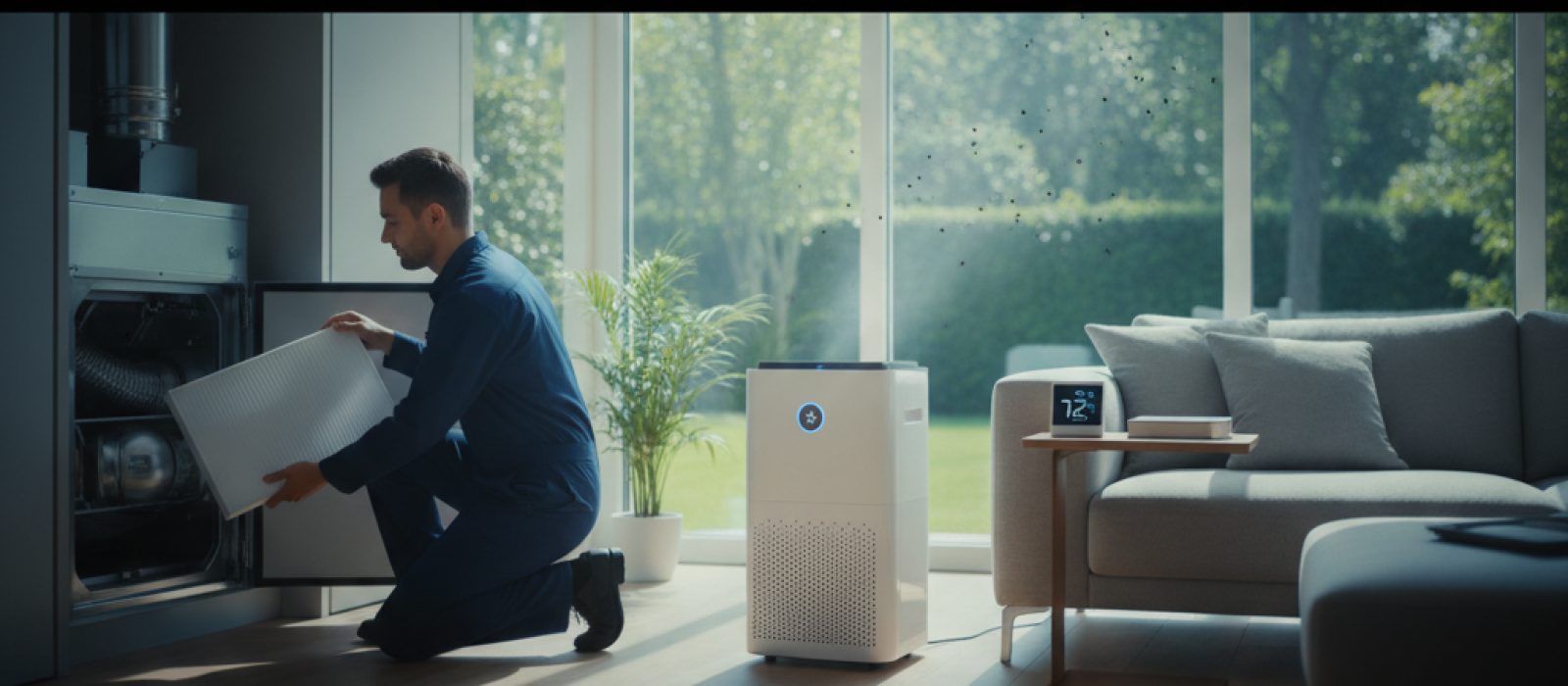
  • Upgrade Your Air Filters: This is perhaps the simplest yet most effective step. Standard fiberglass filters only capture large particles. Opt for a higher MERV (Minimum Efficiency Reporting Value) rated filter, ideally MERV 8 to 13, during allergy season. These filters are designed to trap smaller particles like pollen, pet dander, and mold spores. Remember to check and change your filters monthly, especially when allergens are high.
  • Schedule Professional HVAC Maintenance: A regular tune-up ensures your system runs efficiently and effectively. Technicians can clean coils, check ductwork for leaks, and ensure all components are working optimally to filter and circulate air properly. A well-maintained system is better equipped to handle the extra load of allergy season.
  • Consider a Whole-Home Air Purifier: For advanced allergen removal, a whole-home air purification system integrates directly with your existing HVAC system. These units use advanced filtration technologies, such as HEPA filters or UV-C lights, to capture microscopic allergens and even kill airborne pathogens, providing superior indoor air quality throughout your entire home.

Beyond the HVAC: Other Indoor Air Quality Strategies

While your HVAC system is central, several other practices can significantly reduce allergens in your home.

  • Keep Windows and Doors Closed: It might be tempting to open windows for fresh air, but during high pollen counts, this invites allergens inside. Rely on your air conditioning to cool and circulate filtered air.
  • Regular and Thorough Cleaning: Dust and vacuum frequently, especially in bedrooms. Use a vacuum cleaner with a HEPA filter to prevent allergens from being recirculated. Damp-dust surfaces to trap particles rather than just moving them around. Wash bedding, curtains, and pet beds regularly in hot water to kill dust mites and remove dander.
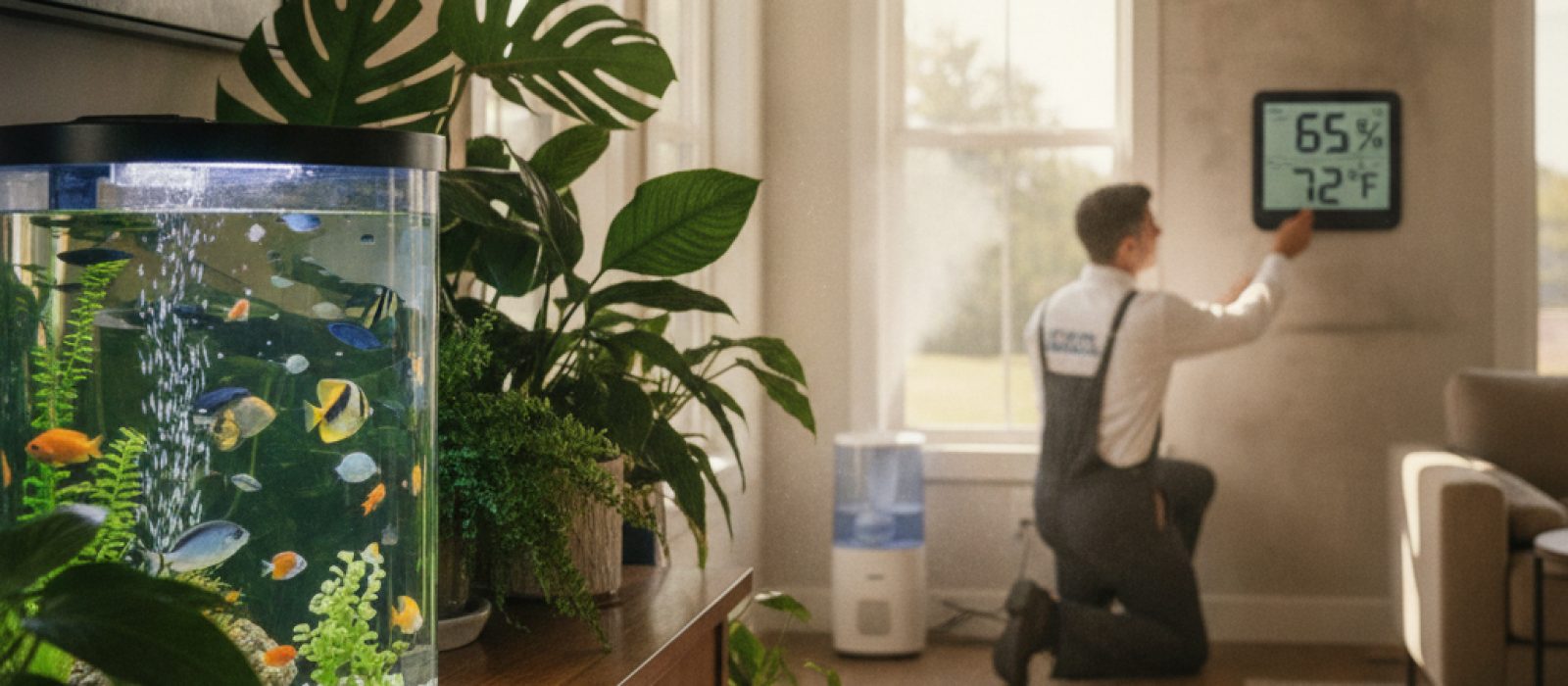
  • Control Humidity Levels: Dust mites and mold thrive in humid environments. Aim to keep your indoor humidity between 30-50%. A dehumidifier can be very effective in damp basements or humid climates. Your air conditioner also helps to dehumidify the air as it cools.
  • Mind Your Pets: While beloved, pets are a source of dander. Bathe pets regularly and try to keep them out of bedrooms to reduce allergen exposure where you sleep.
  • Address Mold and Moisture: Promptly fix any leaks or moisture issues in your home. Mold spores are potent allergens and can grow quickly in damp areas. Ensure proper ventilation in bathrooms and kitchens.
  • Use Allergen-Proof Covers: Encase mattresses and pillows in allergen-proof covers to create a barrier against dust mites.

When to Call the Professionals

If you've implemented these strategies and are still struggling with allergy symptoms indoors, it might be time to consult with an HVAC professional. They can perform an indoor air quality assessment to identify specific problems and recommend tailored solutions, such as:

  • Duct Cleaning: Over time, dust, debris, and even mold can accumulate in your ductwork. Professional duct cleaning can remove these build-ups, improving air flow and reducing the recirculation of allergens.
  • Ventilation Solutions: Sometimes, homes lack adequate fresh air exchange. Professionals can evaluate your ventilation needs and suggest solutions like energy recovery ventilators (ERVs) or heat recovery ventilators (HRVs) to bring in fresh, filtered air without losing conditioned air.

Don't let allergy season steal your comfort at home. By taking a proactive approach to your indoor air quality, combining diligent cleaning with smart HVAC maintenance and upgrades, you can create a healthier, more breathable environment for you and your family.

#HVAC maintenance #Homeowner Tips #Indoor Air Quality #allergy season #air filters #air purifiers

Frequently asked questions

How does my HVAC system help with indoor allergies?
Your HVAC system circulates and filters air throughout your home. By upgrading to higher MERV-rated filters and ensuring regular maintenance, it can effectively trap and remove many airborne allergens like pollen, dust mites, and pet dander.
What kind of air filter should I use during allergy season?
During allergy season, opt for a higher MERV (Minimum Efficiency Reporting Value) rated filter, ideally MERV 8 to 13, as these are designed to trap smaller particles like pollen, pet dander, and mold spores. Remember to change them monthly.
Besides my HVAC, what else can I do to reduce allergens at home?
Keep windows closed, clean regularly with a HEPA vacuum, control humidity between 30-50%, bathe pets, address any mold or moisture issues, and use allergen-proof covers on mattresses and pillows.
Should I open my windows for fresh air during allergy season?
It's best to keep windows and doors closed during high pollen counts to prevent allergens from entering your home. Rely on your air conditioning to cool and circulate filtered air instead.
When should I consider a whole-home air purifier?
For advanced allergen removal and superior indoor air quality, consider a whole-home air purification system that integrates with your existing HVAC. These units use advanced filtration (like HEPA or UV-C lights) to capture microscopic allergens and pathogens.
When should I call an HVAC professional for allergy issues?
If you've implemented strategies and are still struggling with indoor allergy symptoms, an HVAC professional can perform an indoor air quality assessment, recommend tailored solutions, or suggest duct cleaning to remove accumulated allergens.

Related articles

Comments (0)

Be the first to comment.

Leave a comment

Security code

Comments are moderated before they appear.