
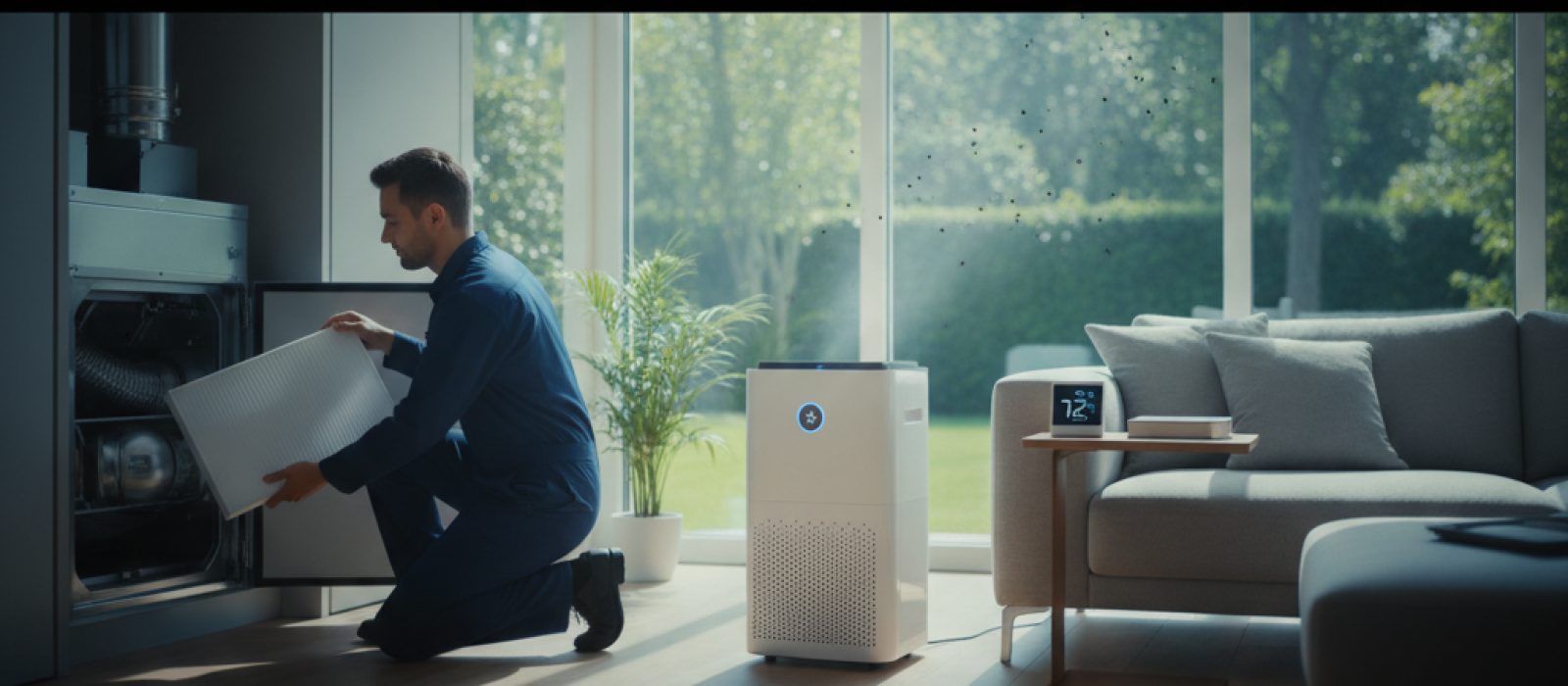
HEPA Air Cleaners for Allergies: What Actually Works
Learn how HEPA air cleaners function, their limitations in home environments, and how to effectively manage indoor air quality for allergy relief.
3 min read

Indoor air quality (IAQ) monitors serve as diagnostic tools designed to detect specific airborne pollutants, particulates, and environmental conditions within a residential space. Unlike a standard thermostat that regulates temperature, these sensors provide a window into the invisible metrics of a home, such as volatile organic compounds (VOCs), carbon dioxide levels, particulate matter (PM2.5), and relative humidity. By quantifying these elements, homeowners can determine if their current ventilation strategies are sufficient or if mechanical interventions are required.
Most consumer-grade monitors track a standard set of pollutants. Understanding what these metrics represent is essential for interpreting the data provided by these devices.
Consumer-grade sensors operate differently than professional-grade laboratory equipment. While they are highly effective at detecting trends and significant spikes in pollutant levels, they are not calibration-grade diagnostic tools. A sensor might show a sudden rise in VOCs when a specific cleaning product is used, providing a clear cause-and-effect relationship. However, the exact numerical value displayed should be treated as an indicator rather than an absolute scientific measurement.
Placement significantly influences the accuracy of these readings. Placing a monitor near a kitchen stove or directly in the path of an HVAC supply register will result in skewed data. For the most reliable insights, position the device in a central area of the home, away from direct sunlight, drafty windows, or localized sources of pollution that do not represent the overall air quality of the living space.
The primary value of an IAQ monitor lies in its ability to inform decisions regarding your home's mechanical systems. If the monitor consistently shows high levels of particulate matter, it may be time to schedule Air Duct Cleaning to remove accumulated dust and debris that could be circulating through your system. Conversely, if high humidity levels persist despite running the cooling system, it may indicate that your equipment is not sized correctly or requires professional Maintenance & Tune-up to operate at peak dehumidification capacity.
These monitors also help identify when simple lifestyle changes are insufficient. If ventilation remains poor despite opening windows during mild weather, it may be necessary to explore Indoor Air Quality solutions such as whole-home energy recovery ventilators (ERVs) or advanced filtration systems integrated into your furnace or air handler. The monitor serves as the verification step to see if these upgrades actually improve the breathing environment.
While a monitor can alert you to a problem, it cannot fix it. If the device detects persistent, high levels of carbon monoxide or other dangerous gases, the monitor is not a substitute for professional safety equipment. Immediate action is required if you suspect a gas leak or combustion issue. In these instances, contact a professional for Furnace Services or emergency inspections immediately. Do not attempt to troubleshoot or repair gas-fired appliances or electrical systems yourself, as these tasks carry significant safety risks and often require specialized training and tools.
For most homeowners, the value of an IAQ monitor is found in the awareness it creates. It transforms the abstract concept of air quality into tangible data points. It is particularly useful for families with individuals who suffer from allergies, asthma, or chemical sensitivities, as it allows for the proactive management of the home environment. If you are someone who enjoys data and wants to optimize your home's performance, these devices offer a practical way to monitor the effectiveness of your existing HVAC systems and lifestyle habits.
Learn how HEPA air cleaners function, their limitations in home environments, and how to effectively manage indoor air quality for allergy relief.
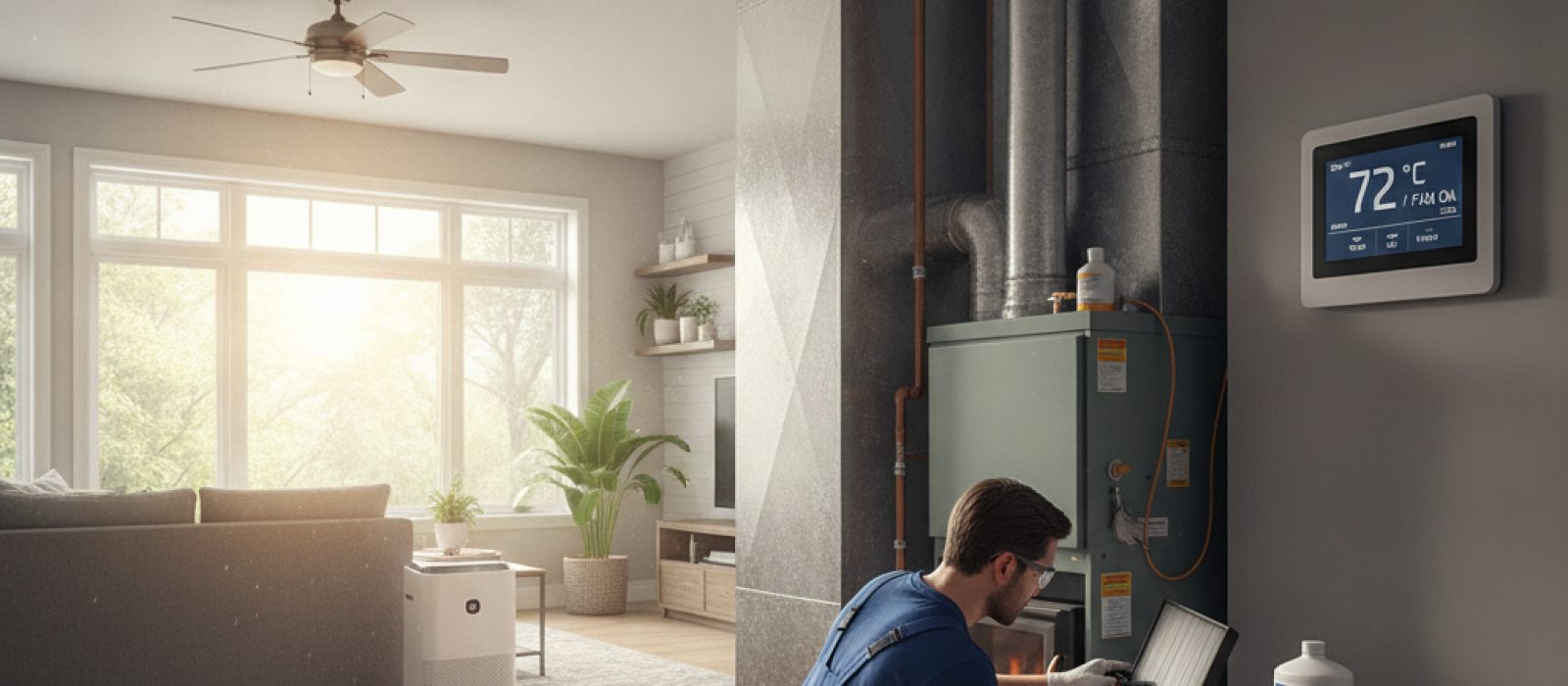
Learn to identify common indoor pollutants and discover practical, effective strategies to improve the air quality within your home.
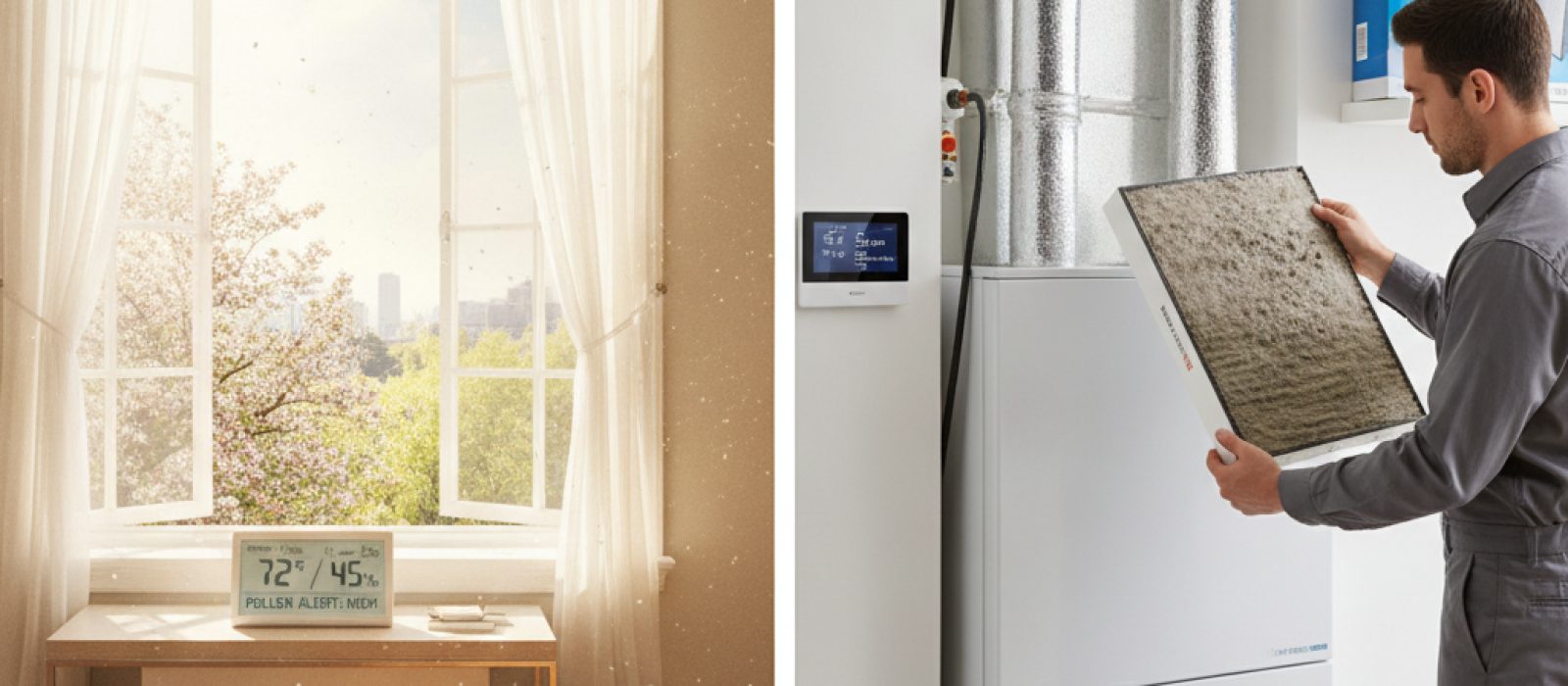
Learn the balance between natural ventilation and mechanical filtration to maintain optimal indoor air quality in your home.
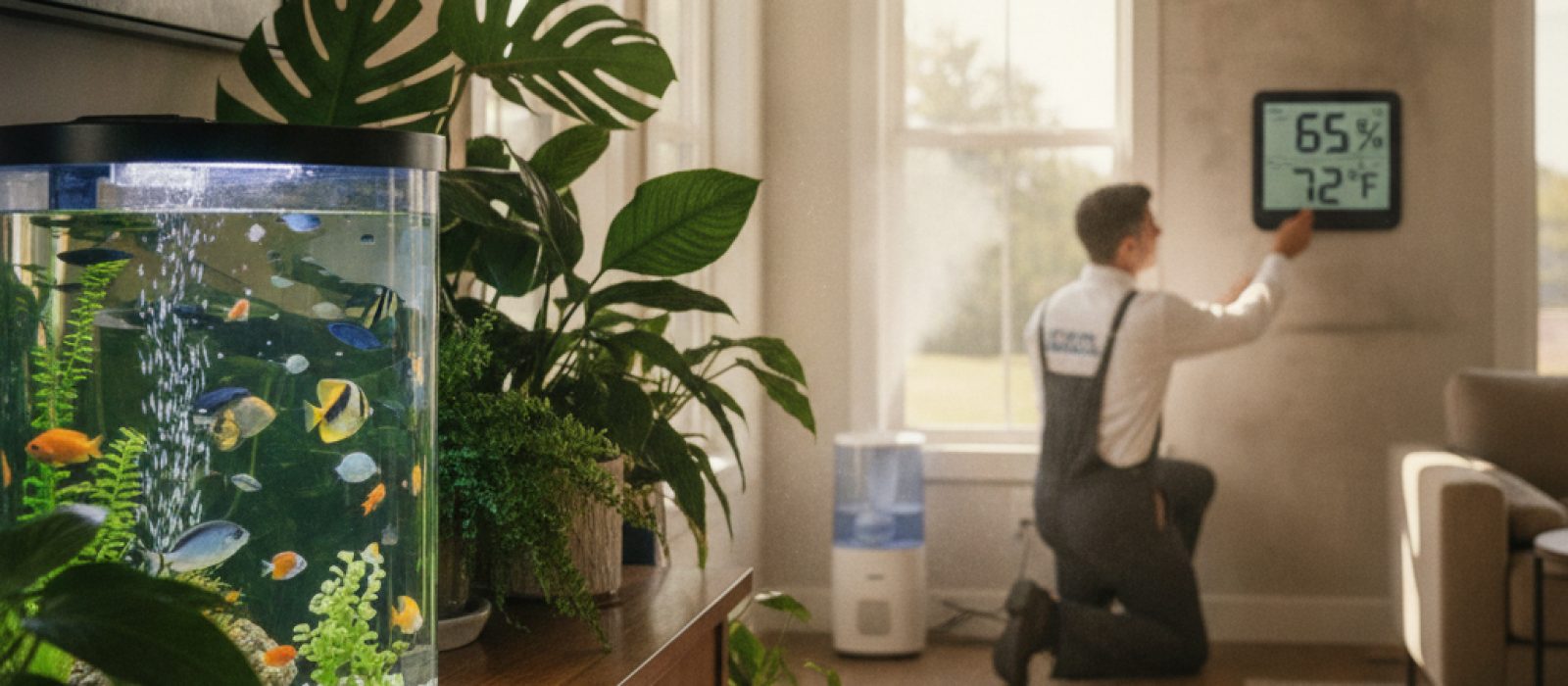
Learn how common household features like aquariums and plants impact indoor air quality and how to manage the resulting humidity levels effectively.

Discover how holiday traditions impact your home's indoor air quality and learn practical steps to maintain a healthy breathing environment this winter.
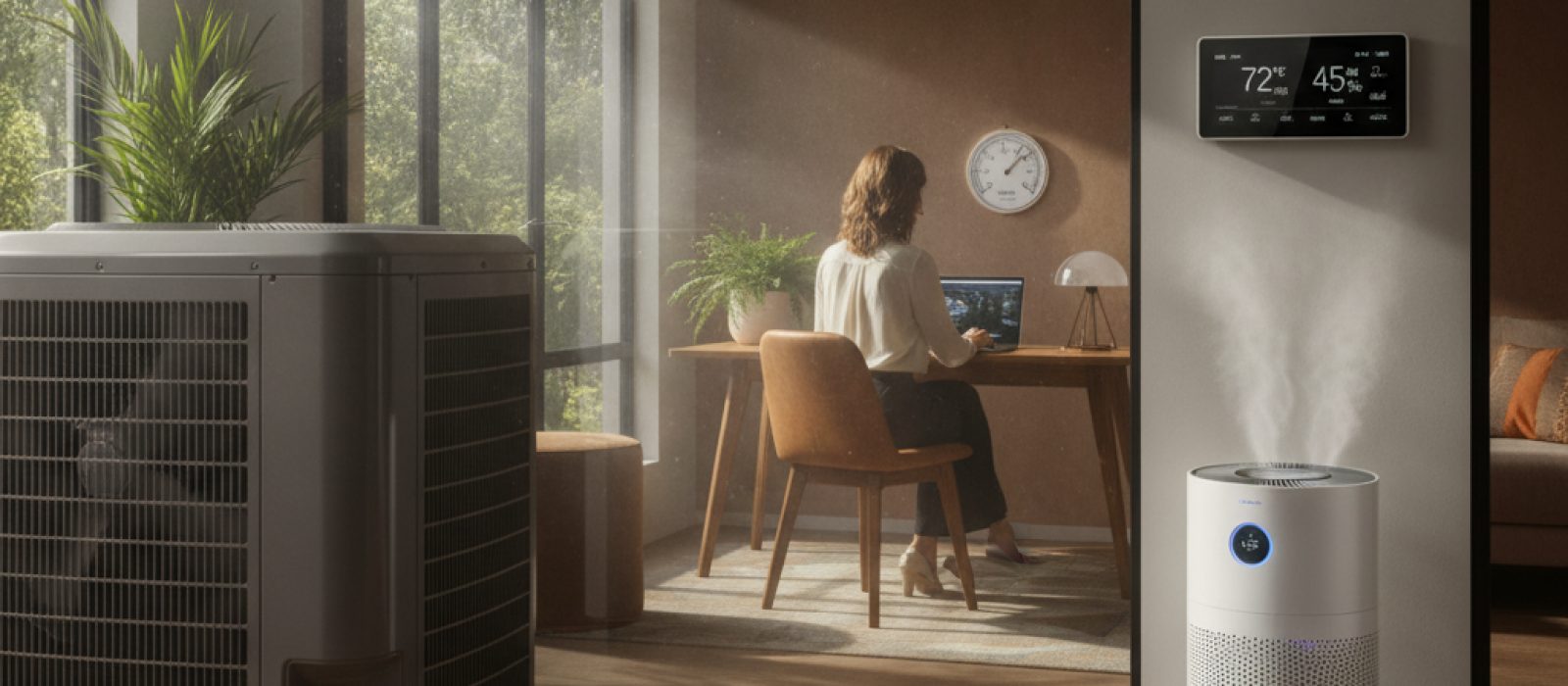
Improve productivity and health by optimizing the indoor air quality of your home office through ventilation, filtration, and humidity control.
Be the first to comment.