HVAC Service Fast

Air Purifier vs. HVAC Filter: What's the Difference?

4 min read

Air Purifier vs. HVAC Filter: What's the Difference?

Understanding Your Home's Air Quality Guardians

As homeowners, we're increasingly aware of the quality of the air inside our homes. With concerns about allergens, pollutants, and even viruses, many of us look for ways to breathe easier. Two common solutions often come up in conversation: air purifiers and HVAC filters. While both play a role in cleaning your home's air, they operate very differently and serve distinct purposes. Let's clear up the confusion and help you decide what's best for your family.

The HVAC Filter: Your First Line of Defense

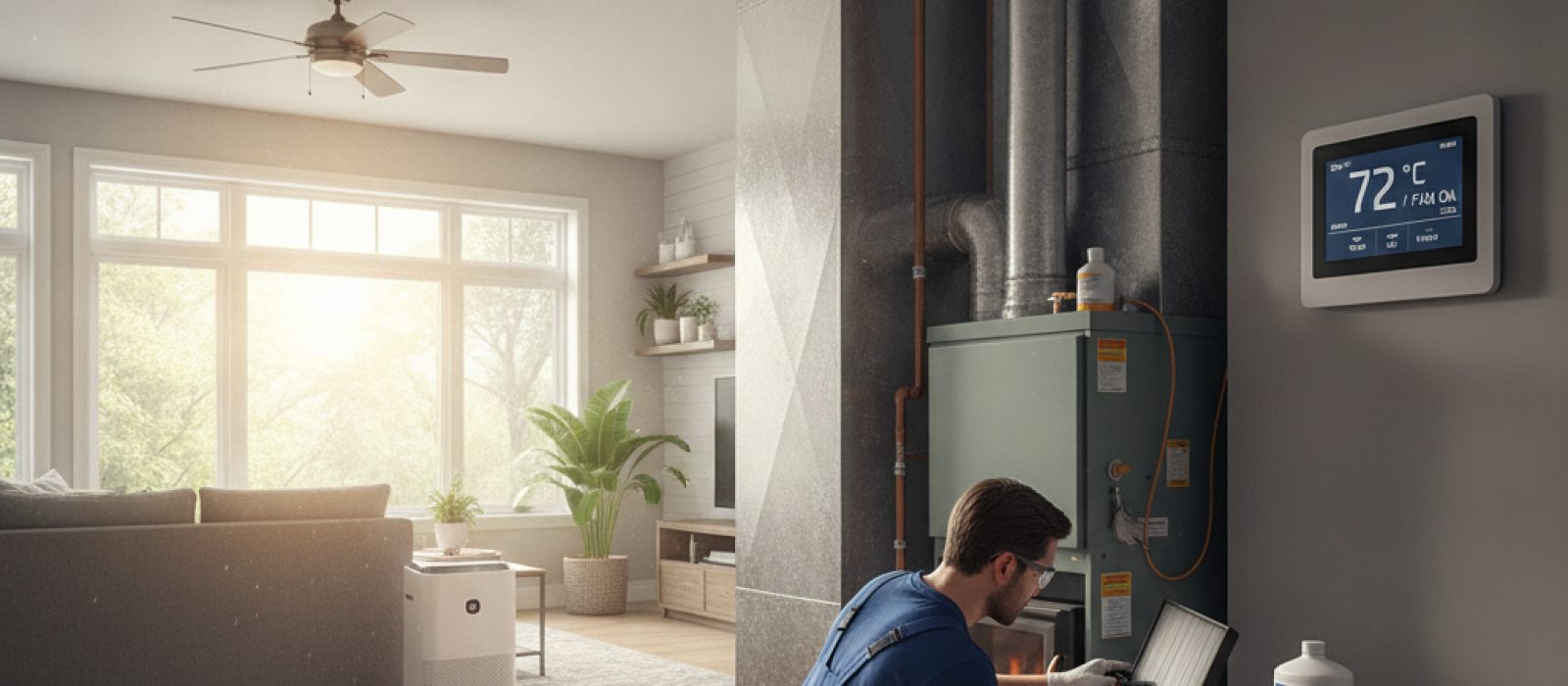
Think of your HVAC filter as the bouncer at the club door for your heating and cooling system. Its primary job isn't to purify your entire home's air, but rather to protect your HVAC equipment from dust, dirt, and debris. Without a filter, these particles would build up on your furnace and air conditioner coils, reducing efficiency, causing wear and tear, and potentially leading to costly breakdowns.

How HVAC Filters Work:

  • Particle Capture: As air is drawn into your HVAC system for heating or cooling, it passes through the filter material.
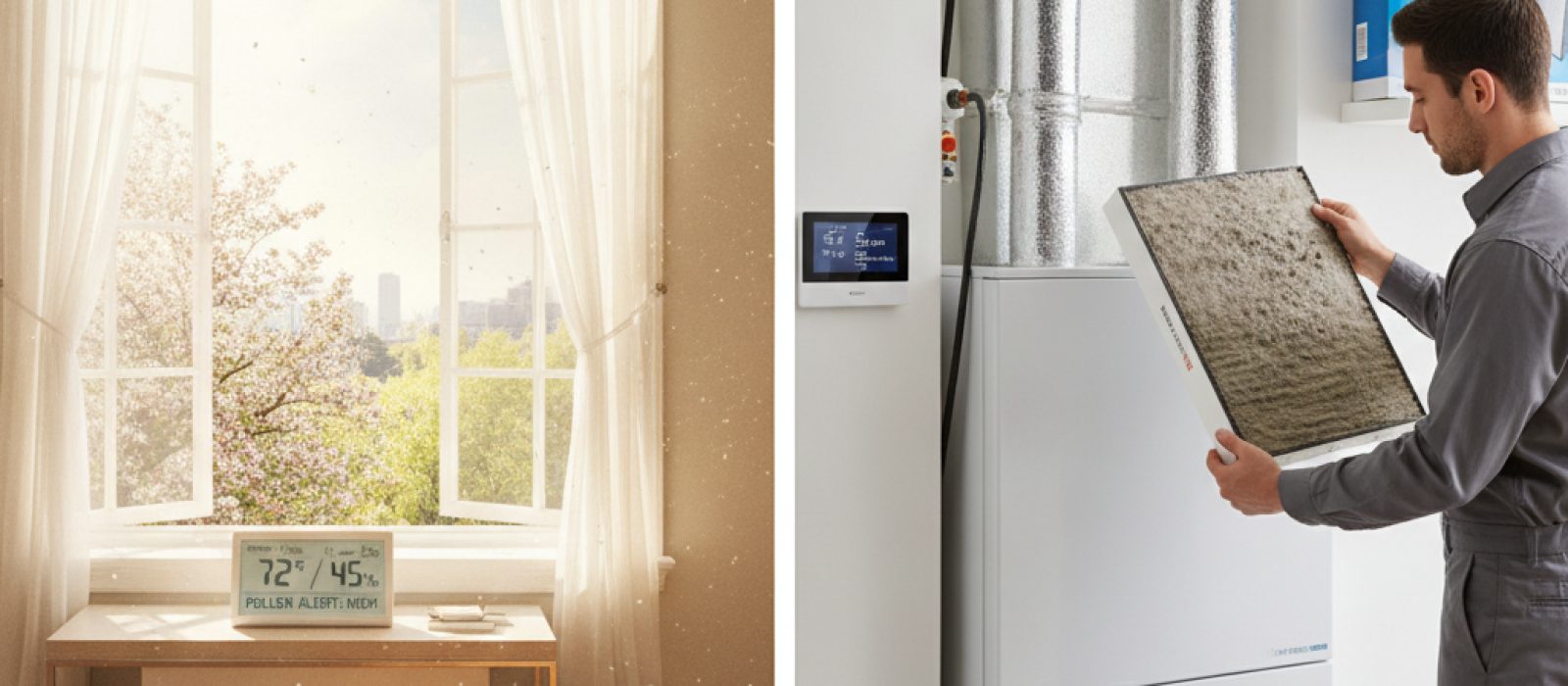
  • System Protection: The filter traps larger particles like dust, pet hair, and lint, preventing them from entering the sensitive components of your furnace or air handler.
  • Basic Air Cleaning: While primarily for system protection, a good quality HVAC filter (especially those with higher MERV ratings) will also capture some airborne contaminants, offering a basic level of indoor air quality improvement throughout your home.

Key Considerations for HVAC Filters:

  • MERV Rating: This stands for Minimum Efficiency Reporting Value. The higher the MERV rating (typically 1-20 for residential use), the more efficient the filter is at capturing smaller particles. A MERV 8-11 is often recommended for most homes, balancing filtration with airflow.
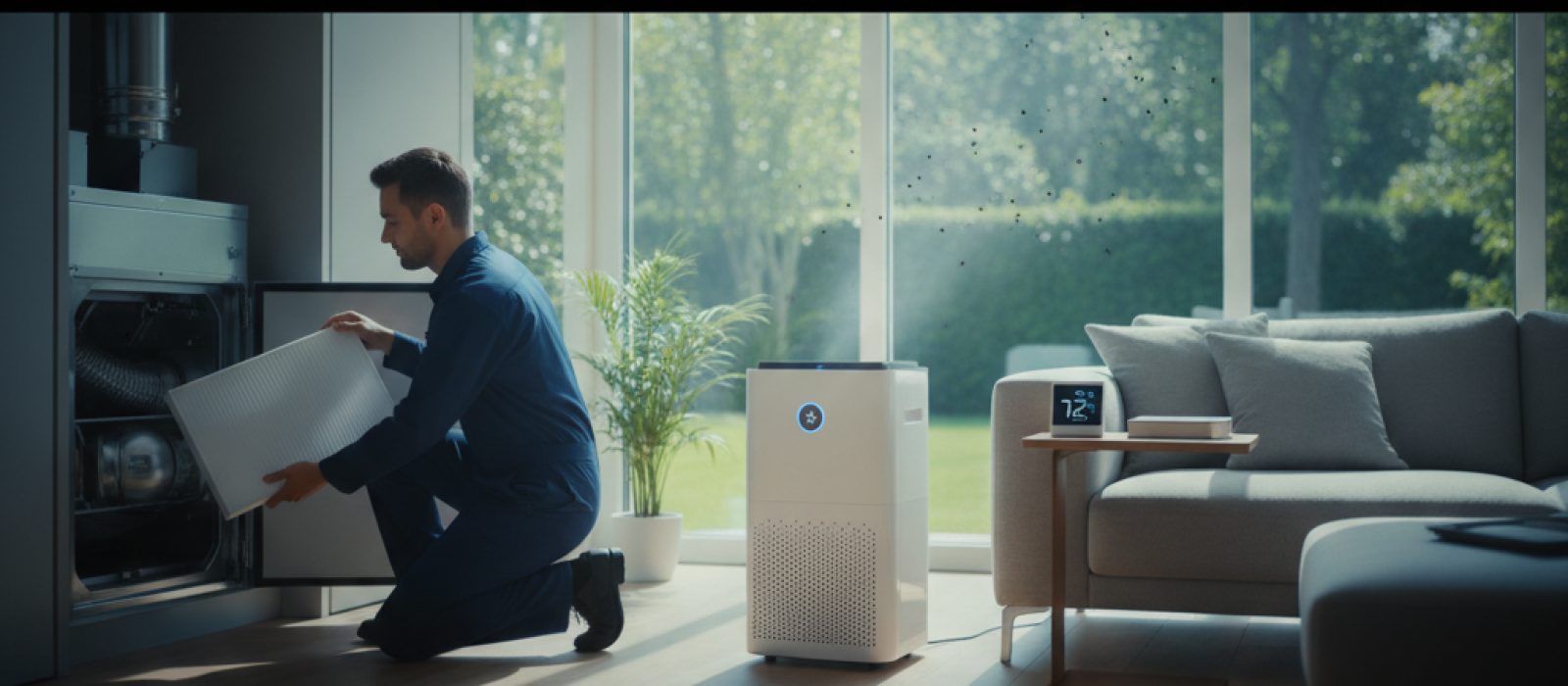
  • Regular Replacement: HVAC filters need to be changed regularly – every 1-3 months is a common guideline, depending on factors like pets, allergies, and household activity. A clogged filter restricts airflow, making your system work harder and consume more energy.

The Air Purifier: A Dedicated Air Cleaning Specialist

An air purifier, on the other hand, is designed specifically and solely to improve indoor air quality. It actively cleans the air in a designated space, often using multiple stages of filtration and other technologies to remove a wide range of airborne contaminants that an HVAC filter might miss.

How Air Purifiers Work:

  • Targeted Filtration: Most air purifiers use a multi-stage filtration process. This typically includes:
    • Pre-filter: Captures larger particles like dust and pet hair.
    • HEPA Filter: High-Efficiency Particulate Air filters are the gold standard, capable of capturing 99.97% of airborne particles 0.3 microns in size (including pollen, dust mites, mold spores, and some bacteria and viruses).
    • Activated Carbon Filter: Essential for removing odors, gases, and volatile organic compounds (VOCs) from the air.
  • Active Technologies (Optional): Some purifiers also incorporate UV-C light (to neutralize bacteria and viruses) or ionizers (to clump particles for easier capture).
  • Localized or Whole-Home: Air purifiers come in portable units for single rooms or whole-home systems that integrate with your HVAC ductwork.

Key Considerations for Air Purifiers:

  • Coverage Area (CADR): For portable units, look at the Clean Air Delivery Rate (CADR) to ensure it's appropriate for the size of your room.
  • Filter Replacement: Air purifier filters, especially HEPA and carbon filters, need to be replaced periodically (often every 6-12 months, depending on usage and air quality) to maintain effectiveness.
  • Specific Concerns: If you have severe allergies, asthma, pets, or live in an area with poor outdoor air quality, a dedicated air purifier can make a significant difference.

Which One Do You Need?

The truth is, it's not an either/or situation. For optimal indoor air quality and HVAC system longevity, you likely need both.

  • Your HVAC filter is essential for: Protecting your heating and cooling system, maintaining its efficiency, and providing a baseline level of air filtration throughout your entire home.
  • An air purifier is ideal for: Addressing specific indoor air quality concerns, significantly reducing allergens, odors, VOCs, and microscopic particles in a particular room or throughout your home, providing a deeper clean than an HVAC filter alone.

By ensuring your HVAC system has a clean, appropriately rated filter and considering a dedicated air purifier for targeted or whole-home air cleaning, you can create a healthier, more comfortable living environment for everyone under your roof. If you're unsure about the best filtration strategy for your home, don't hesitate to consult with your local HVAC professionals. They can assess your specific needs and recommend tailored solutions.

#home comfort #Indoor Air Quality #HVAC filter #air purifier #air quality

Frequently asked questions

What is the main difference between an HVAC filter and an air purifier?
An HVAC filter primarily protects your heating and cooling system from dust and debris, offering basic air cleaning, while an air purifier is specifically designed to actively clean the air in a space, removing a wider range of contaminants.
How does an HVAC filter improve indoor air quality?
While its main job is system protection, a good quality HVAC filter (especially with a higher MERV rating) captures some airborne contaminants like dust and pet hair, providing a basic level of indoor air quality improvement throughout your home.
What is a MERV rating and why is it important for HVAC filters?
MERV stands for Minimum Efficiency Reporting Value, indicating how efficient a filter is at capturing particles. A higher MERV rating means better filtration, but it's important to balance this with airflow for your system.
What types of filters are typically found in an air purifier?
Most air purifiers use a multi-stage filtration process, commonly including a pre-filter for large particles, a HEPA filter for 99.97% of 0.3-micron particles, and an activated carbon filter for odors and VOCs.
Do I need both an HVAC filter and an air purifier?
For optimal indoor air quality and HVAC system longevity, it's generally recommended to have both. Your HVAC filter protects your system, while an air purifier provides dedicated, enhanced air cleaning.

Related articles

Comments (0)

Be the first to comment.

Leave a comment

Security code

Comments are moderated before they appear.