
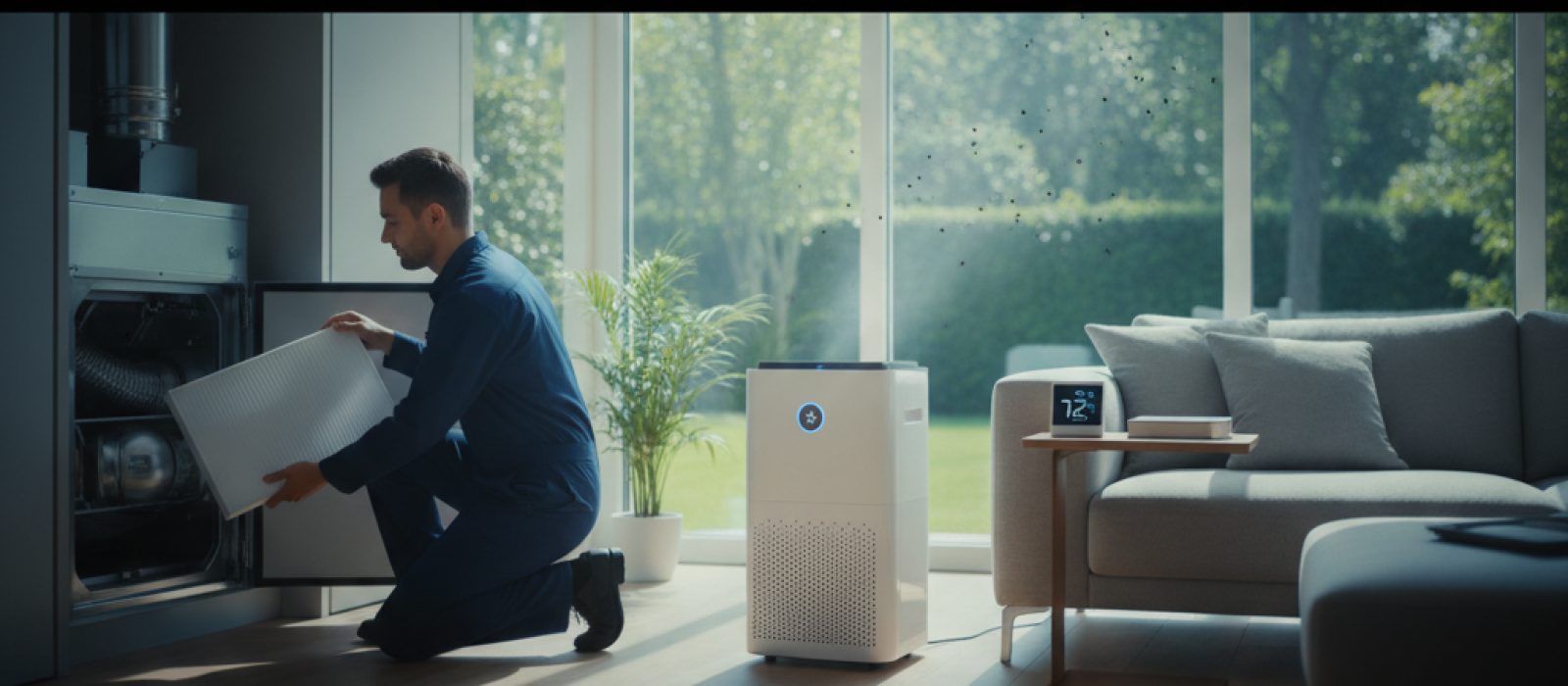
HEPA Air Cleaners for Allergies: What Actually Works
Learn how HEPA air cleaners function, their limitations in home environments, and how to effectively manage indoor air quality for allergy relief.
4 min read

Pet ownership significantly alters the debris profile within a home’s HVAC system. While standard household dust consists largely of fabric fibers and skin cells, homes with cats, dogs, or birds introduce high volumes of fur, dander, and dried saliva proteins into the return air vents. These particles are pulled into the ductwork, where they often adhere to the interior surfaces, particularly if the system has any residual moisture or oily residue from cooking or aerosols.
Over time, this accumulation creates a textured surface inside the ducts that traps even more airborne particulates. When the blower motor engages, the air moving through the system can pick up these trapped contaminants and redistribute them throughout the living space. This cycle not only impacts the efficiency of your system but also plays a role in your overall Indoor Air Quality.
Ductwork is not a self-cleaning environment. When pet hair enters the return air vent, it is often caught by the air filter. However, if the filter is ill-fitting, damaged, or left in place far beyond its recommended service life, hair and dander bypass the filtration media entirely. Once inside the supply or return trunks, these particles settle on the bottom of horizontal ducts or adhere to the seams and joints of the metal or flex ducting.
Dander is particularly problematic because it is microscopic and lightweight. Unlike coarse fur, which may eventually clump together, dander remains suspended in the air longer. This allows it to penetrate deep into the ductwork, reaching the plenum, the evaporator coil, and even the blower housing. When these components become coated in a layer of pet dander, they lose the ability to transfer heat effectively, often leading to a need for professional Maintenance & Tune-up to restore system performance.
Homeowners often overlook the interior of their ducts until visible symptoms appear. If you notice a persistent pet odor that does not dissipate with regular cleaning or air fresheners, it may be trapped within the ductwork. Other indicators include visible dust or fur blowing out of supply vents shortly after the system kicks on, or a sudden, unexplained increase in allergy-like symptoms for household members.
Another sign is the rapid clogging of your HVAC filter. If you find yourself replacing high-quality filters every two weeks instead of every two or three months, it suggests that the return air side of your system is being overwhelmed by debris. In such cases, scheduling professional Air Duct Cleaning can reset the system, providing a clean slate for your filtration efforts to be effective once again.
Relying solely on duct cleaning is not a permanent solution if the filtration strategy remains unchanged. To minimize the rate of buildup, prioritize the use of high-efficiency pleated filters. These filters are designed to capture a higher percentage of smaller particles, including the dander and microscopic protein flakes that pets shed constantly.
Ensure that the filter frame fits snugly within the filter slot. If there is a gap around the edges, air will follow the path of least resistance, bypassing the filter entirely and carrying pet hair directly into the blower compartment. If your system is older, you may also consider having a technician inspect the return air housing to ensure that the seals are airtight.
While homeowners can safely change filters and vacuum around return vents, deep cleaning the interior of the ductwork requires specialized equipment, such as high-powered vacuums and agitation tools designed to loosen debris without damaging the duct liner. Attempting to clean ducts with a standard household vacuum can often do more harm than good, as it may dislodge debris and send it further into the system or puncture flexible ductwork.
If you suspect that your ductwork is heavily impacted by years of pet hair accumulation, contact a provider specializing in Air Duct Cleaning. A professional assessment will determine if the buildup is localized or systemic. If the system has been neglected for a long period, the technician may also recommend a thorough inspection of the Furnace Services or AC Services components to ensure that the blower motor and coils are free of debris, as these parts are often the final destination for pet dander.
Managing pet-related debris is a year-round commitment. Regular grooming of pets is the first line of defense, as it removes loose fur before it has the opportunity to become airborne. Additionally, keeping the floor area around return air vents clear of rugs and furniture allows for consistent airflow and prevents excessive dust and hair from being drawn directly into the system.
Finally, keep an eye on your thermostat settings. Constant fan operation can increase the rate at which air is cycled through the filtration system. While this can help with air cleaning, it also means your filter will reach its capacity faster. Balancing the use of the fan and maintaining a strict schedule for filter replacements will significantly extend the time between required professional cleanings.
Learn how HEPA air cleaners function, their limitations in home environments, and how to effectively manage indoor air quality for allergy relief.
Learn to identify common indoor pollutants and discover practical, effective strategies to improve the air quality within your home.
Learn the balance between natural ventilation and mechanical filtration to maintain optimal indoor air quality in your home.
Learn how common household features like aquariums and plants impact indoor air quality and how to manage the resulting humidity levels effectively.
Discover how holiday traditions impact your home's indoor air quality and learn practical steps to maintain a healthy breathing environment this winter.
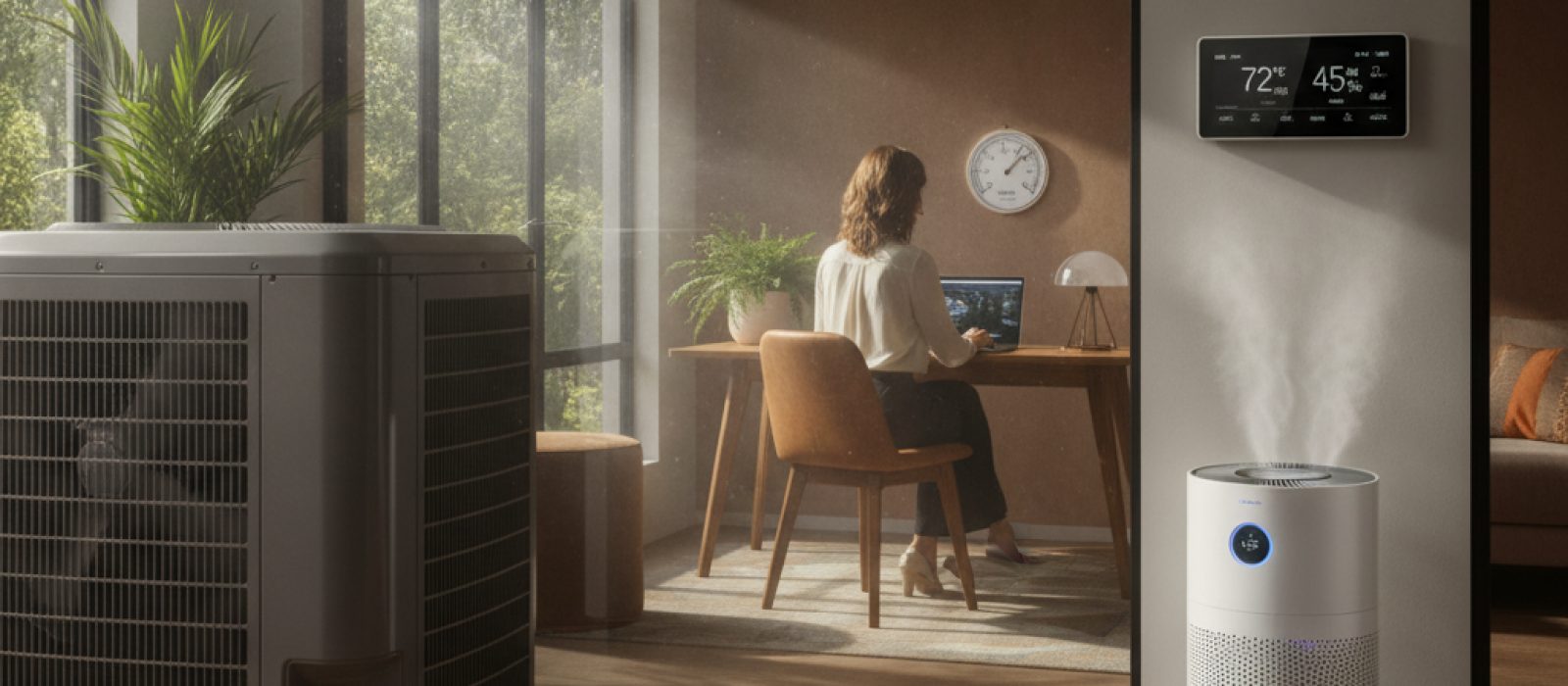
Improve productivity and health by optimizing the indoor air quality of your home office through ventilation, filtration, and humidity control.
Be the first to comment.