
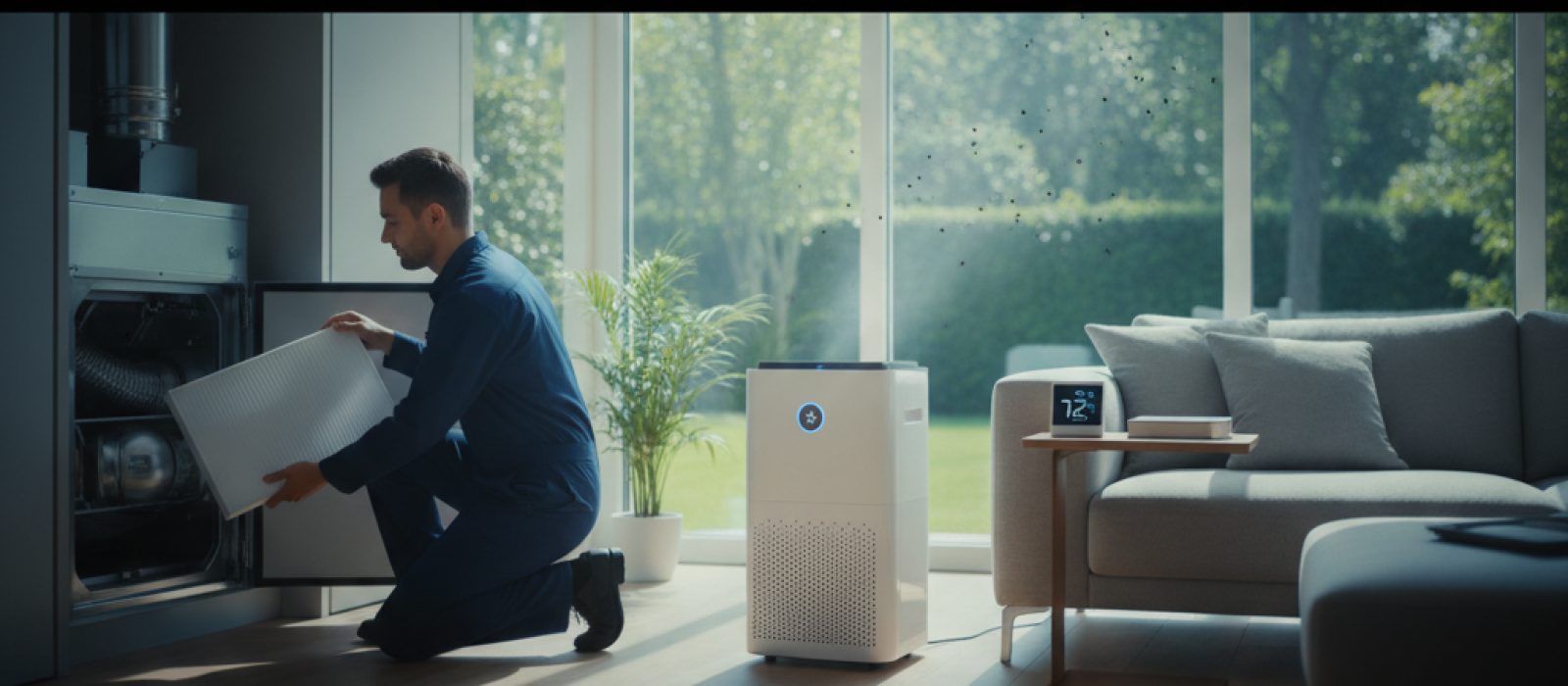
HEPA Air Cleaners for Allergies: What Actually Works
Learn how HEPA air cleaners function, their limitations in home environments, and how to effectively manage indoor air quality for allergy relief.
4 min read

Activated carbon is a processed form of charcoal that has been treated with oxygen to open up millions of tiny pores between the carbon atoms. This structural change creates a massive surface area, allowing the material to trap gaseous molecules through a process known as adsorption. Unlike standard mechanical air filters that capture physical particles like dust and pollen, activated carbon is specifically designed to target volatile organic compounds (VOCs) and odorous gases.
When air passes through a filter media impregnated or filled with activated carbon, odor-causing molecules adhere to the surface of the carbon. This makes it a specialized tool for homeowners looking to address smells related to cooking, pets, tobacco smoke, or off-gassing from household products. However, these filters are generally ineffective at removing particulate matter on their own, which is why they are often used as a secondary stage in a multi-layered filtration system.
Integrating activated carbon into your home environment typically involves placing a carbon-enhanced filter into your existing furnace or air handler. Because these filters must allow for proper airflow, they are often thinner or less dense than HEPA filters to prevent static pressure issues. If your system is not designed to handle high-resistance filtration, using an overly thick carbon filter can strain the blower motor and lead to premature failure, necessitating professional Maintenance & Tune-up services.
For those seeking comprehensive Indoor Air Quality solutions, carbon filters work best when paired with high-efficiency particulate filters. Many modern HVAC setups utilize a pleated filter for dust and allergens, followed by a carbon-based layer for gas-phase contaminants. This dual-action approach ensures that both particulate pollutants and chemical odors are addressed simultaneously.
The primary limitation of activated carbon is its finite capacity. Once the pores of the carbon are filled with trapped molecules, the filter reaches a state of saturation. At this point, the filter can no longer adsorb additional odors, and in some cases, it may even begin to release trapped odors back into the airstream. The lifespan of these filters depends heavily on the concentration of pollutants in the home; high-traffic households or those with pets will exhaust the carbon capacity much faster than others.
Activated carbon filters also do not provide a remedy for the underlying source of an odor. If a home experiences persistent musty smells, it may indicate a deeper issue such as mold growth, poor ventilation, or moisture buildup in the ductwork. If standard filter changes fail to mitigate the problem, it is advisable to schedule Air Duct Cleaning to ensure that contaminants are not trapped within the distribution system itself.
Choosing the right carbon filter requires an understanding of your system's airflow requirements. A filter that is too restrictive can cause the system to cycle improperly, leading to increased energy consumption and inconsistent temperatures. Homeowners should always consult their equipment manual or an HVAC professional to determine the maximum allowable pressure drop for their specific unit.
Placement is equally critical. To maximize the effectiveness of the carbon, it should be positioned downstream from the primary particulate filter. This prevents dust from clogging the carbon pores prematurely, extending the life of the odor-neutralizing media. If you are struggling with persistent indoor air quality issues, a professional assessment can help determine if your current ductwork configuration is optimized for advanced filtration media.
While replacing a filter is a routine task for most homeowners, persistent odors often signal that the HVAC system requires a more thorough inspection. If you notice a burning smell, a chemical odor, or a damp, stagnant scent that does not dissipate with a new filter, the issue may originate from the heat exchanger, electrical components, or stagnant water in the drain pan. These scenarios require technical expertise to prevent safety hazards. Professional HVAC technicians possess the diagnostic tools to identify whether an odor is being generated by the system itself or if it is merely being circulated from another part of the home.
By understanding that activated carbon is a specialized tool for gaseous pollutants rather than a catch-all solution, homeowners can make informed decisions about their air filtration needs. Maintaining a clean system and addressing the source of odors remain the most effective strategies for long-term air quality management.
Learn how HEPA air cleaners function, their limitations in home environments, and how to effectively manage indoor air quality for allergy relief.
Learn to identify common indoor pollutants and discover practical, effective strategies to improve the air quality within your home.
Learn the balance between natural ventilation and mechanical filtration to maintain optimal indoor air quality in your home.
Learn how common household features like aquariums and plants impact indoor air quality and how to manage the resulting humidity levels effectively.

Discover how holiday traditions impact your home's indoor air quality and learn practical steps to maintain a healthy breathing environment this winter.
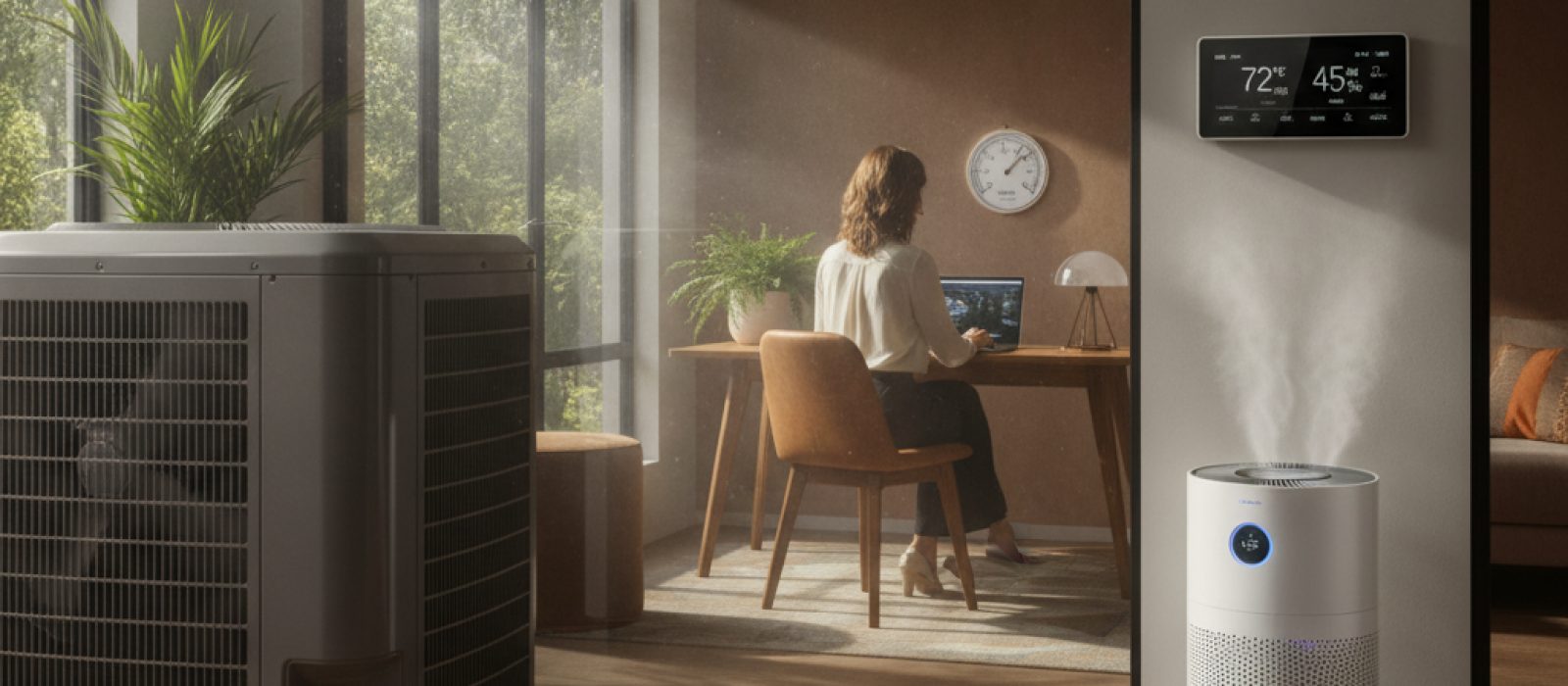
Improve productivity and health by optimizing the indoor air quality of your home office through ventilation, filtration, and humidity control.
Be the first to comment.