
Lennox Furnaces and Heat Pumps: Repair Costs and Buying Guide
A practical guide for homeowners evaluating Lennox heating and cooling systems, covering repair expectations, maintenance needs, and replacement factors.
4 min read

Wood stoves provide a distinct form of radiant heat that differs significantly from the forced-air output of modern furnace systems. Effective operation requires balancing air intake, fuel quality, and chimney maintenance to ensure the heat generated warms the living space rather than escaping through the flue. When managed correctly, a wood stove serves as a reliable supplemental heat source that can reduce the load on primary systems during peak winter months.
The efficiency of any wood stove is fundamentally tied to the quality of the firewood. Burning wood with high moisture content forces the stove to expend energy evaporating water instead of heating the home. This process lowers combustion temperatures, which leads to excessive creosote buildup in the chimney.
Modern wood stoves utilize advanced baffles and secondary combustion chambers to re-burn smoke and gases before they exit the chimney. Proper operation involves managing the air intake controls to maintain a steady, clean burn. Restricting air too much can cause smoldering and air quality degradation, while too much air may lead to an over-fired stove, which poses a significant fire hazard.
Homeowners should observe the flame characteristics periodically. A bright, active flame indicates efficient combustion. If the fire appears sluggish or produces heavy, dark smoke from the chimney, it is often a sign that the air intake needs adjustment or the wood is not sufficiently dry.
The chimney is the engine of the wood stove. It relies on the temperature differential between the flue gases and the outside air to create a draft. If the chimney is obstructed by creosote or debris, that draft fails, potentially forcing smoke and carbon monoxide back into the living space. Professional inspections are necessary to ensure the structural integrity of the flue and to check for hidden cracks that could allow heat to transfer to nearby combustible wall materials.
While homeowners can perform visual inspections of the stove pipe, internal chimney sweeping and professional evaluations should be handled by specialists. If you notice persistent issues with airflow or smoke backing up, it may be time to schedule a thorough assessment of your home's ventilation. Integrating this with periodic Indoor Air Quality checks can help ensure your living environment remains safe and comfortable throughout the heating season.
Wood stoves are rarely intended to serve as the sole source of heat for an entire structure. Most homes benefit from a hybrid approach where the stove manages the primary living area, while a central system maintains baseline temperatures in outlying rooms. If your home has complex layout requirements, consulting with professionals specializing in Heating Services can help determine how to best balance the load between your stove and your existing furnace or heat pump.
Effective heat distribution often requires strategic placement of fans to push warm air from the stove room to cooler parts of the house. However, be mindful that excessive movement of air can also stir up dust and allergens. If you find that your home's air feels stagnant or dusty after running the stove, professional Air Duct Cleaning may be necessary to remove accumulated debris from your forced-air system, ensuring that when the furnace does cycle on, it operates with maximum efficiency.
Safety is the priority when operating solid-fuel appliances. Keep a non-combustible hearth pad under the stove that extends at least 18 inches in front of the door. Ensure that all furniture, curtains, and rugs are kept well outside the clearance zones specified by the stove manufacturer. Never leave a fire unattended, and ensure that a functioning fire extinguisher rated for wood fires is located in the same room.
Annual maintenance is essential. Before the first cold snap, examine the door gaskets to ensure they form a tight seal. A loose gasket allows uncontrolled air to enter, which can cause the stove to burn through fuel too quickly and lead to overheating. If you have concerns about the overall performance of your home's heating infrastructure, scheduling a professional Maintenance & Tune-up for your primary system will ensure that your wood stove and central unit work in harmony rather than competing for efficiency.
While many aspects of stove operation are manageable by the homeowner, certain conditions require an expert. If you detect a persistent smoky odor even when the stove is not in use, or if you observe physical damage to the chimney masonry or stove pipe connections, cease operation immediately. These signs often point to systemic issues that require specialized tools and expertise to rectify. Prioritizing these repairs preserves the longevity of your equipment and protects your home's overall safety.
A practical guide for homeowners evaluating Lennox heating and cooling systems, covering repair expectations, maintenance needs, and replacement factors.
Learn how the Carrier Infinity series heat pumps and ductless systems balance high-efficiency heating with advanced climate control features.
Learn how the air handler functions as the heart of your HVAC system, circulating air and regulating temperature throughout your home.
Learn how specific furnace brands influence repair frequency, component availability, and the diagnostic process for your home heating system.
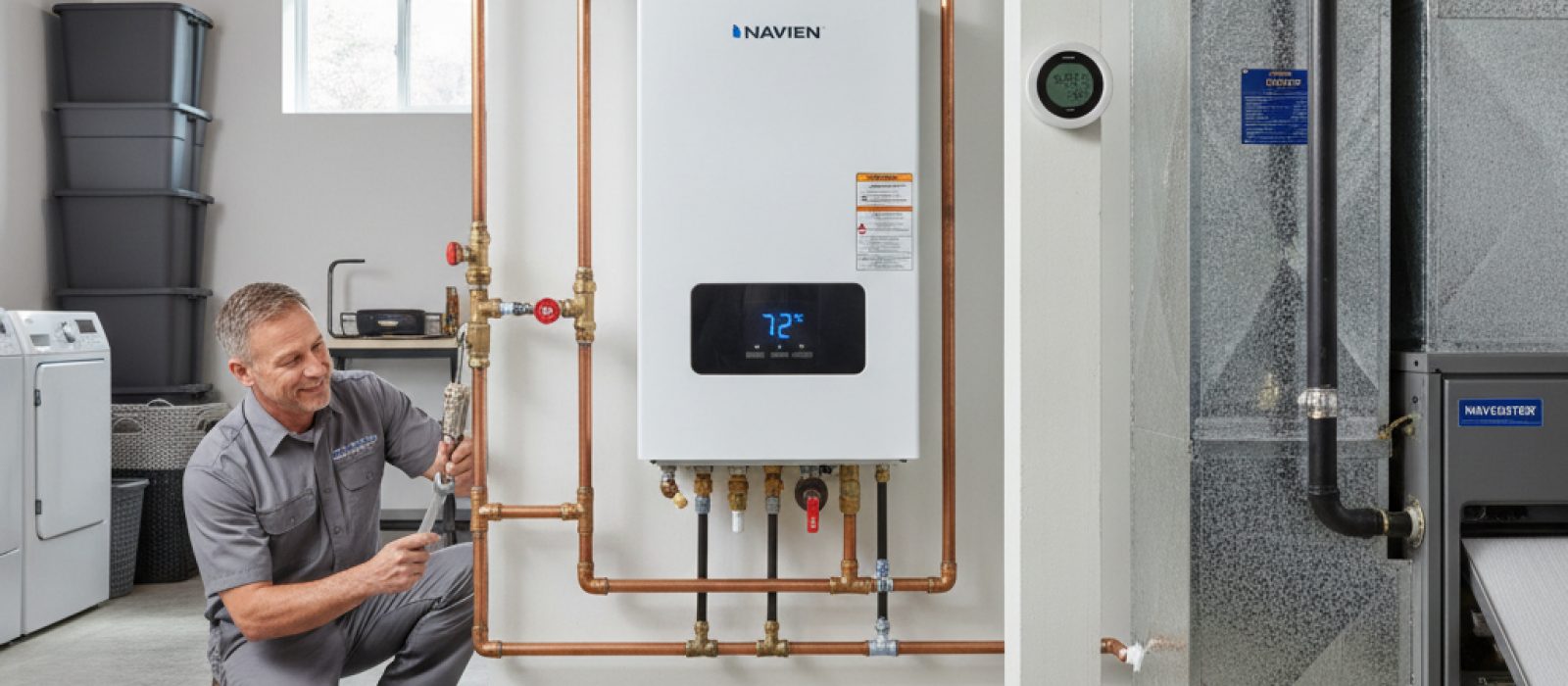
Evaluate the performance, efficiency, and installation requirements of Navien boilers for your residential heating system.
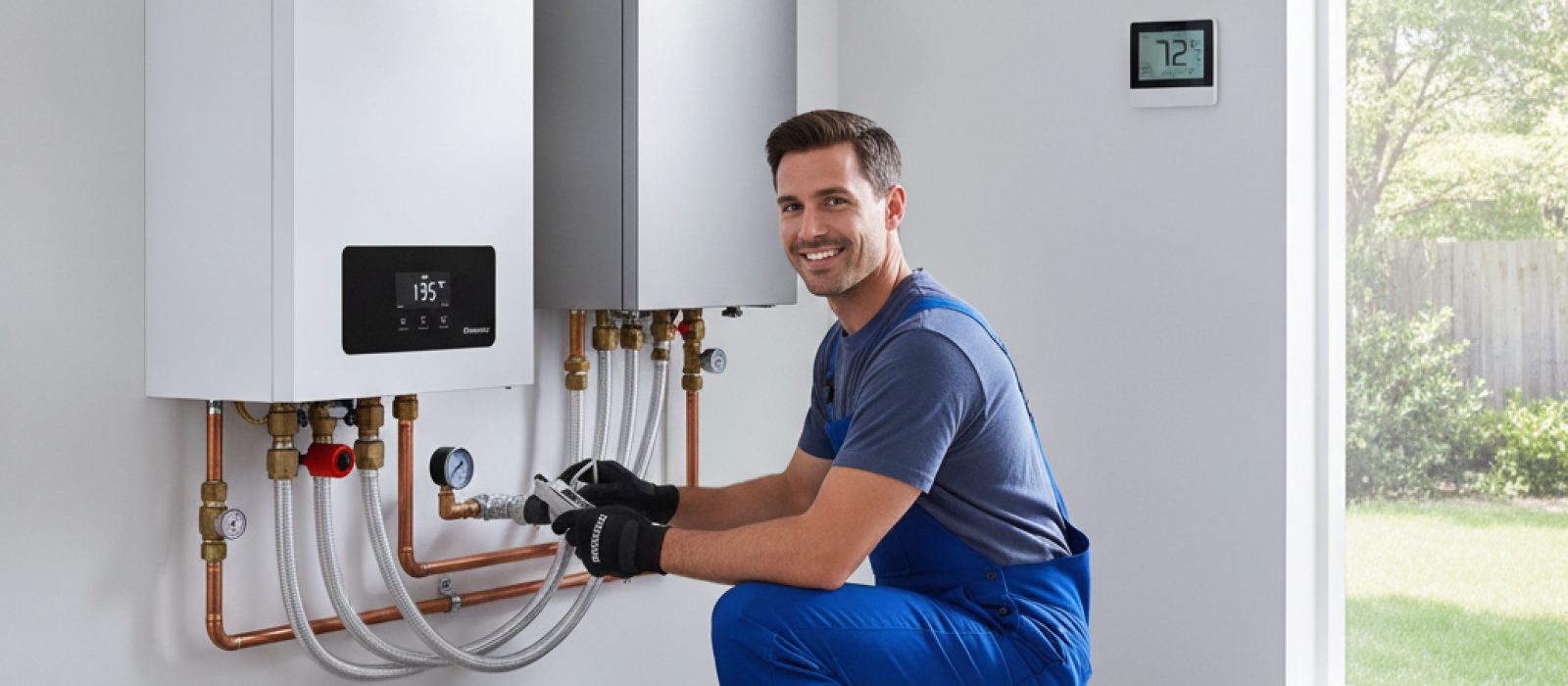
Learn how Rinnai combi boilers provide dual-function heating and hot water, helping you decide if this high-efficiency technology fits your home.
Be the first to comment.