
Lennox Furnaces and Heat Pumps: Repair Costs and Buying Guide
A practical guide for homeowners evaluating Lennox heating and cooling systems, covering repair expectations, maintenance needs, and replacement factors.
4 min read

As the chill of winter truly sets in, one of the most common questions homeowners ask is, "What's the best temperature to set my thermostat to?" It's a great question, because the answer lies at the intersection of comfort, energy efficiency, and your wallet. There’s no single magic number, but understanding the factors involved can help you find your home's perfect winter balance.
Many experts and energy organizations recommend a specific range for optimal efficiency without sacrificing too much comfort. Let’s dive into what those recommendations are and how you can apply them.
For most occupied homes during daylight hours, a thermostat setting of 68°F (20°C) is widely considered the sweet spot. Here's why:
Of course, personal preference plays a role. If 68°F feels a bit too cool for you, try increasing it by one degree at a time until you find your ideal comfort level. Remember, even a small adjustment can make a difference in your energy bill.
One of the easiest ways to save energy during winter is to lower your thermostat while you’re asleep. Most people are comfortable sleeping in a cooler environment, especially under warm blankets. A common recommendation is to set your thermostat back by 7-10 degrees Fahrenheit from your daytime setting, aiming for temperatures like 60-62°F (15-17°C).
If you have a programmable or smart thermostat, take advantage of its scheduling features to automate this temperature setback. You can program it to warm your home back up a little before you wake, ensuring a comfortable start to your day.
When you're away from home for several hours or more – whether it's for work, errands, or a weekend trip – there's no need to heat an empty house to a comfortable living temperature. You can set your thermostat even lower, typically around 55-60°F (13-15°C).
Again, a smart thermostat is your best friend here. Many models allow you to control your heating remotely via a smartphone app, so you can adjust the temperature on your way home, ensuring it's warm when you arrive.
While the above are general guidelines, several factors can influence your personal ideal thermostat setting:
Setting your thermostat correctly is a crucial first step, but it's not the only one. Here are some additional tips to maximize comfort and efficiency this winter:
Finding your home's ideal winter thermostat setting is a balance of comfort, energy savings, and common sense. By following these guidelines and implementing a few smart habits, you can stay warm and cozy all season long without seeing your energy bills skyrocket. If you're concerned about your system's efficiency or need a professional check-up, don't hesitate to contact your local HVAC experts.
A practical guide for homeowners evaluating Lennox heating and cooling systems, covering repair expectations, maintenance needs, and replacement factors.
Learn how the Carrier Infinity series heat pumps and ductless systems balance high-efficiency heating with advanced climate control features.
Learn how the air handler functions as the heart of your HVAC system, circulating air and regulating temperature throughout your home.
Learn how specific furnace brands influence repair frequency, component availability, and the diagnostic process for your home heating system.
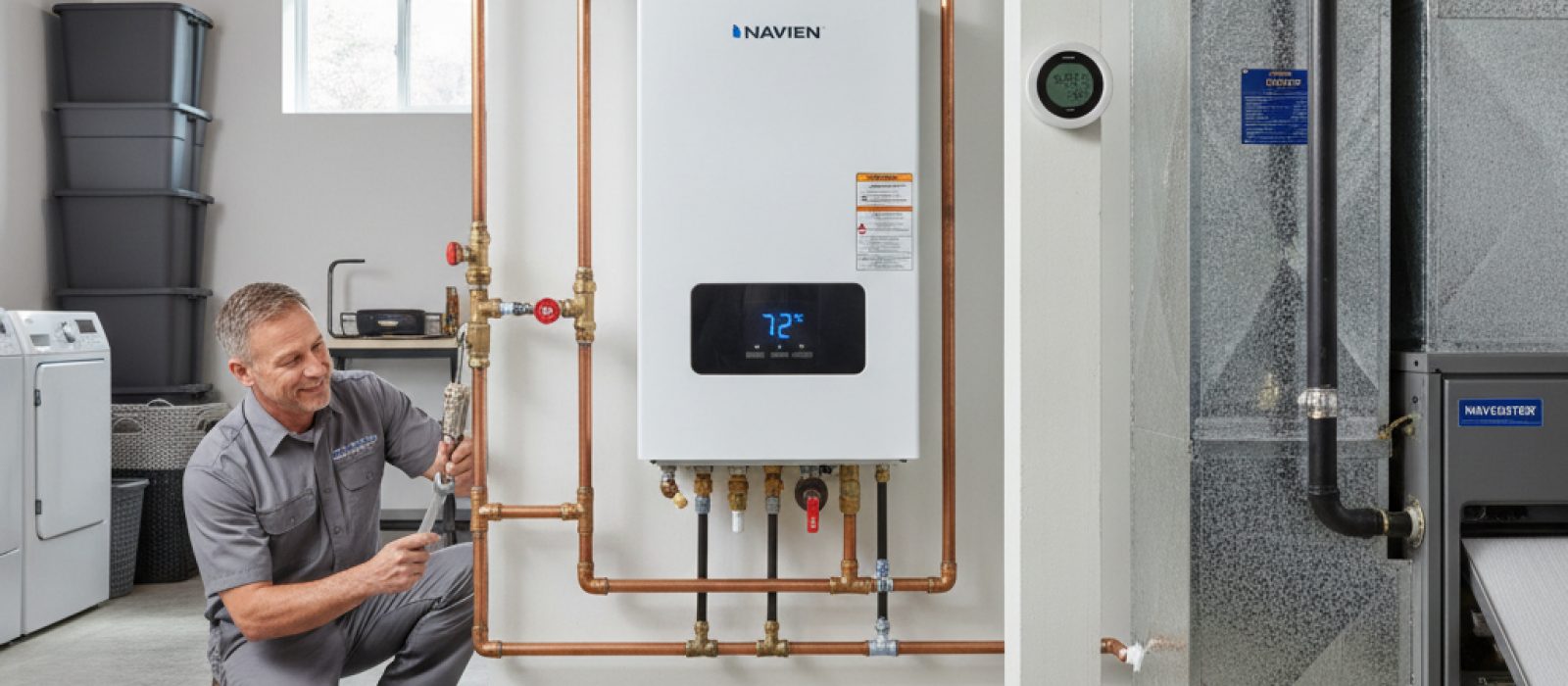
Evaluate the performance, efficiency, and installation requirements of Navien boilers for your residential heating system.
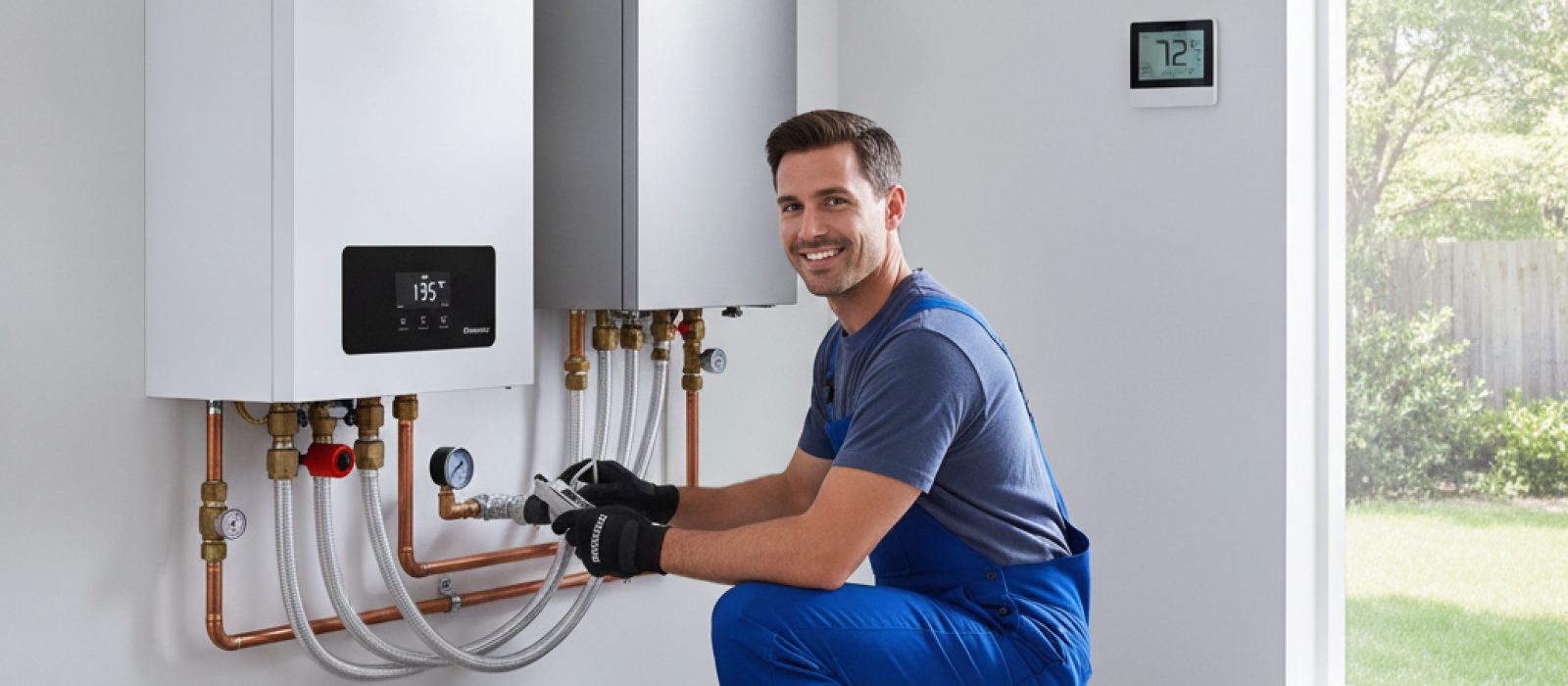
Learn how Rinnai combi boilers provide dual-function heating and hot water, helping you decide if this high-efficiency technology fits your home.
Be the first to comment.