
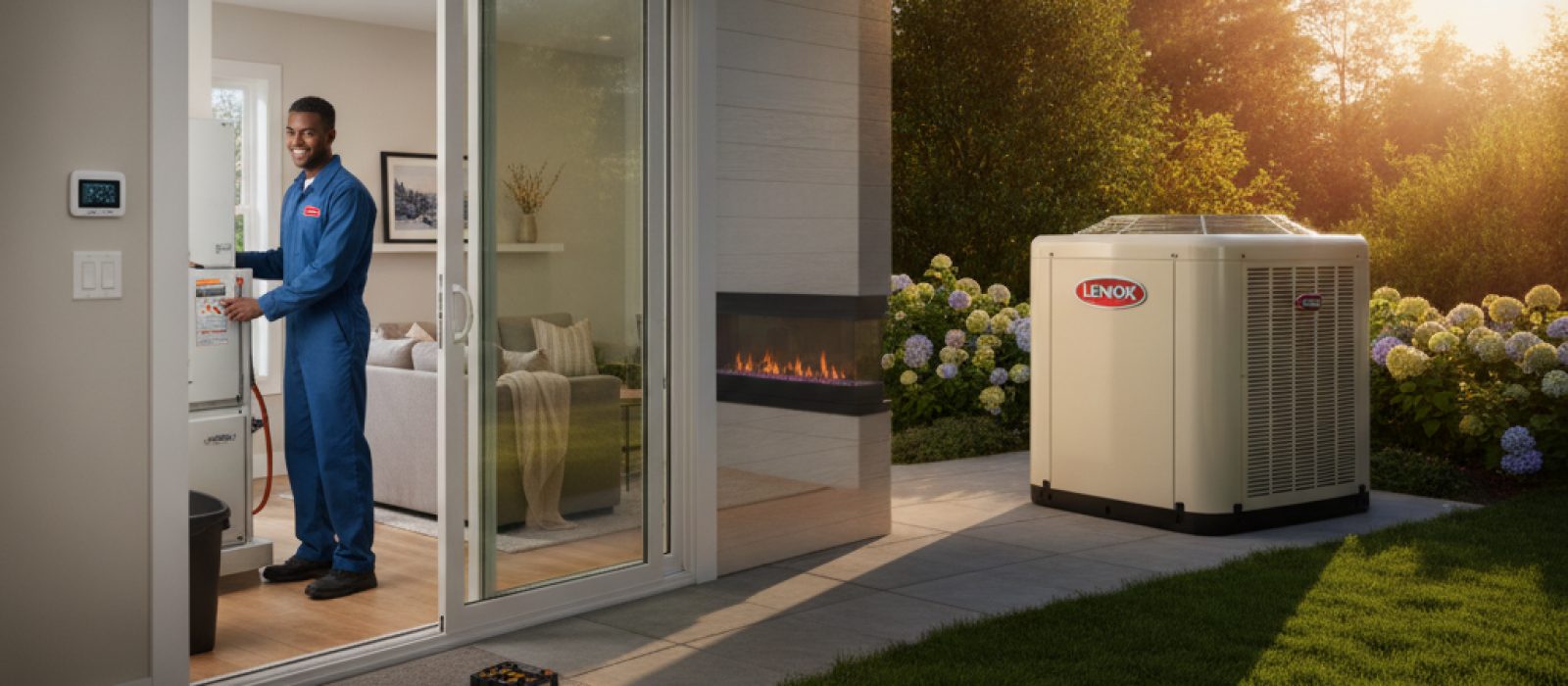
Lennox Furnaces and Heat Pumps: Repair Costs and Buying Guide
A practical guide for homeowners evaluating Lennox heating and cooling systems, covering repair expectations, maintenance needs, and replacement factors.
4 min read

There's nothing quite like the unwelcome surprise of your heating system blowing cold air on a chilly day. You turn up the thermostat, expecting a wave of comforting warmth, only to be met with a blast of icy disappointment. It's not just uncomfortable; it can be concerning. Before you panic and assume the worst, let's explore some of the most common reasons why your heater might be acting more like an air conditioner and what steps you can take.
This is often the simplest culprit and the easiest to fix. A quick check of your thermostat can save you a service call.
A dirty air filter is a common cause of many HVAC problems, including your furnace blowing cold air. When the filter is clogged with dust and debris, it restricts airflow. This can lead to your furnace's heat exchanger overheating and tripping a safety limit switch. When this switch trips, the burners shut off, but the fan might continue to run, circulating unheated air.
The Fix: Check your air filter monthly and replace it every 1-3 months, or more frequently if you have pets or allergies. A clean filter ensures proper airflow and efficient operation.
If you have an older gas furnace with a standing pilot light, a common reason for no heat is that the pilot light has gone out. Without a lit pilot, the main burners won't ignite.
The Fix: Consult your furnace's manual for instructions on how to safely relight the pilot light. If it repeatedly goes out, there might be an underlying issue that requires professional attention.
Most modern gas furnaces use an electronic igniter instead of a pilot light. If the igniter is faulty or the flame sensor is dirty, the furnace won't be able to detect a flame and will shut off the gas supply as a safety measure. The fan, however, might continue to run, pushing cold air.
The Fix: While a dirty flame sensor can sometimes be carefully cleaned, issues with the igniter often require a professional HVAC technician to diagnose and replace the part.
If your gas furnace isn't getting enough gas, it won't be able to produce sufficient heat. This could be due to a problem with your home's gas line, a faulty gas valve on the furnace, or even an issue with your utility provider.
The Fix: If you suspect a gas supply issue, it's crucial to contact your gas utility company or a certified HVAC technician immediately. Do not attempt to fix gas lines yourself.
Your ductwork system is responsible for distributing heated air throughout your home. If there are significant leaks or disconnections in your ducts, especially in unconditioned spaces like attics or crawl spaces, the warm air can escape before it reaches your living areas. This means the air coming out of your vents will be cooler than it should be.
The Fix: Inspect visible ductwork for obvious gaps or disconnections. Sealing leaks with mastic sealant or metallic foil tape can improve efficiency. For extensive issues, professional duct sealing and inspection are recommended.
Sometimes, your furnace might cycle on, produce some warm air, and then start blowing cold air shortly after. This can indicate that the furnace is overheating and tripping a safety limit switch. Common causes include a clogged air filter, a malfunctioning blower motor, or a closed vent restricting airflow. When the limit switch trips, the burners shut down, but the fan often continues to run to cool the heat exchanger, resulting in cold air.
The Fix: Check your air filter first. Ensure all your vents are open and unobstructed. If the problem persists, it's best to call a professional.
While some issues like a dirty filter or incorrect thermostat settings are easy DIY fixes, many other causes of a heater blowing cold air require the expertise of a qualified HVAC technician. If you've checked the basics and your furnace is still not providing warmth, or if you notice any unusual smells, sounds, or error codes, it's time to call for professional help. Attempting complex repairs yourself can be dangerous and may void warranties.
A professional technician can accurately diagnose the problem, whether it's a faulty component, an electrical issue, or a more complex system malfunction, and get your home back to being warm and comfortable.
A practical guide for homeowners evaluating Lennox heating and cooling systems, covering repair expectations, maintenance needs, and replacement factors.
Learn how the Carrier Infinity series heat pumps and ductless systems balance high-efficiency heating with advanced climate control features.
Learn how the air handler functions as the heart of your HVAC system, circulating air and regulating temperature throughout your home.
Learn how specific furnace brands influence repair frequency, component availability, and the diagnostic process for your home heating system.
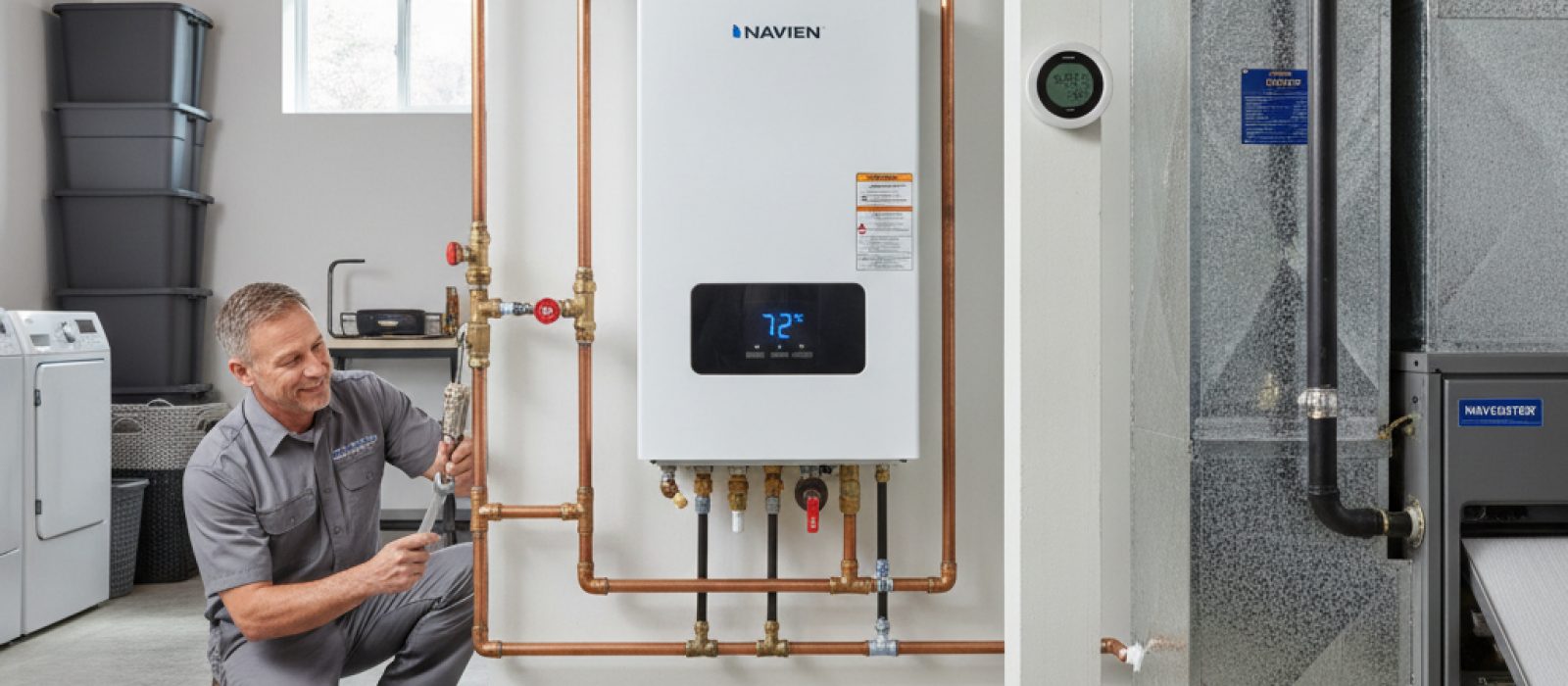
Evaluate the performance, efficiency, and installation requirements of Navien boilers for your residential heating system.
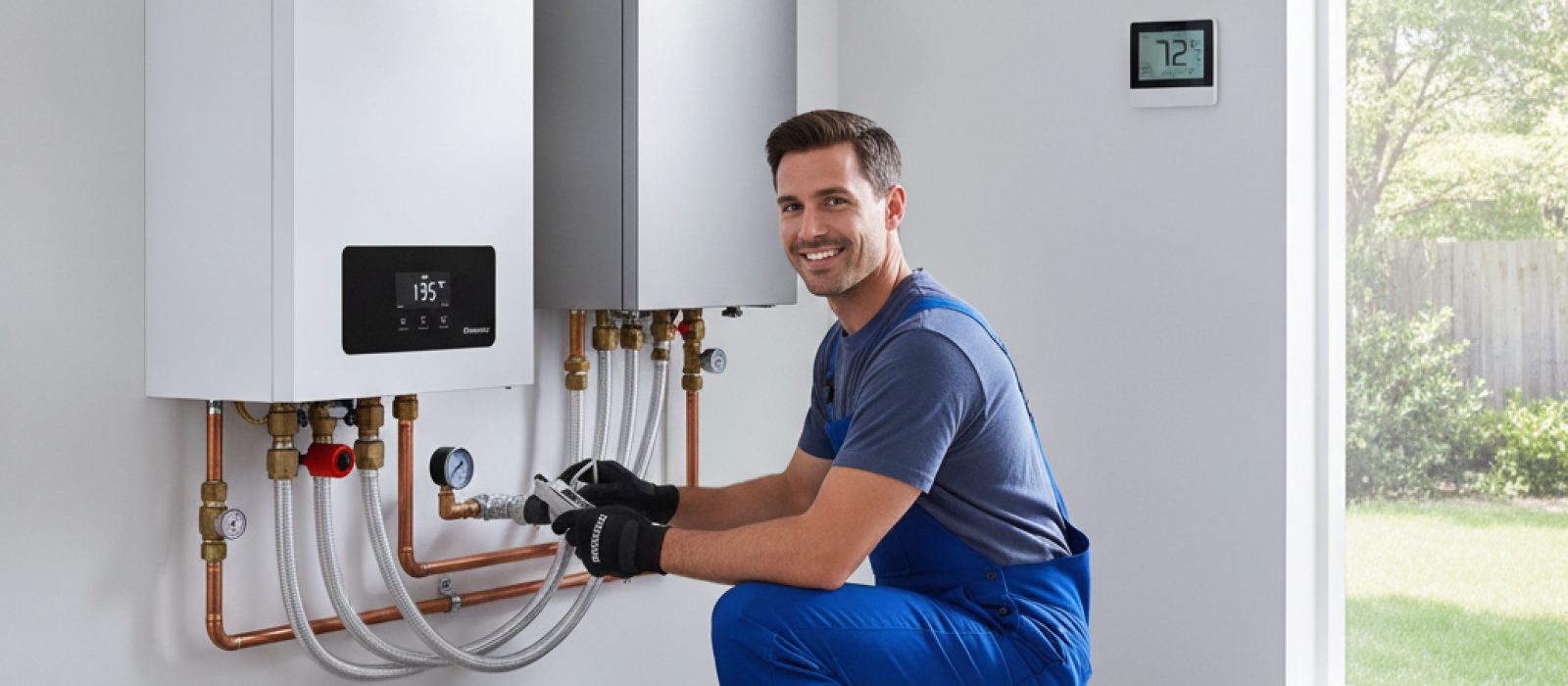
Learn how Rinnai combi boilers provide dual-function heating and hot water, helping you decide if this high-efficiency technology fits your home.
Be the first to comment.