
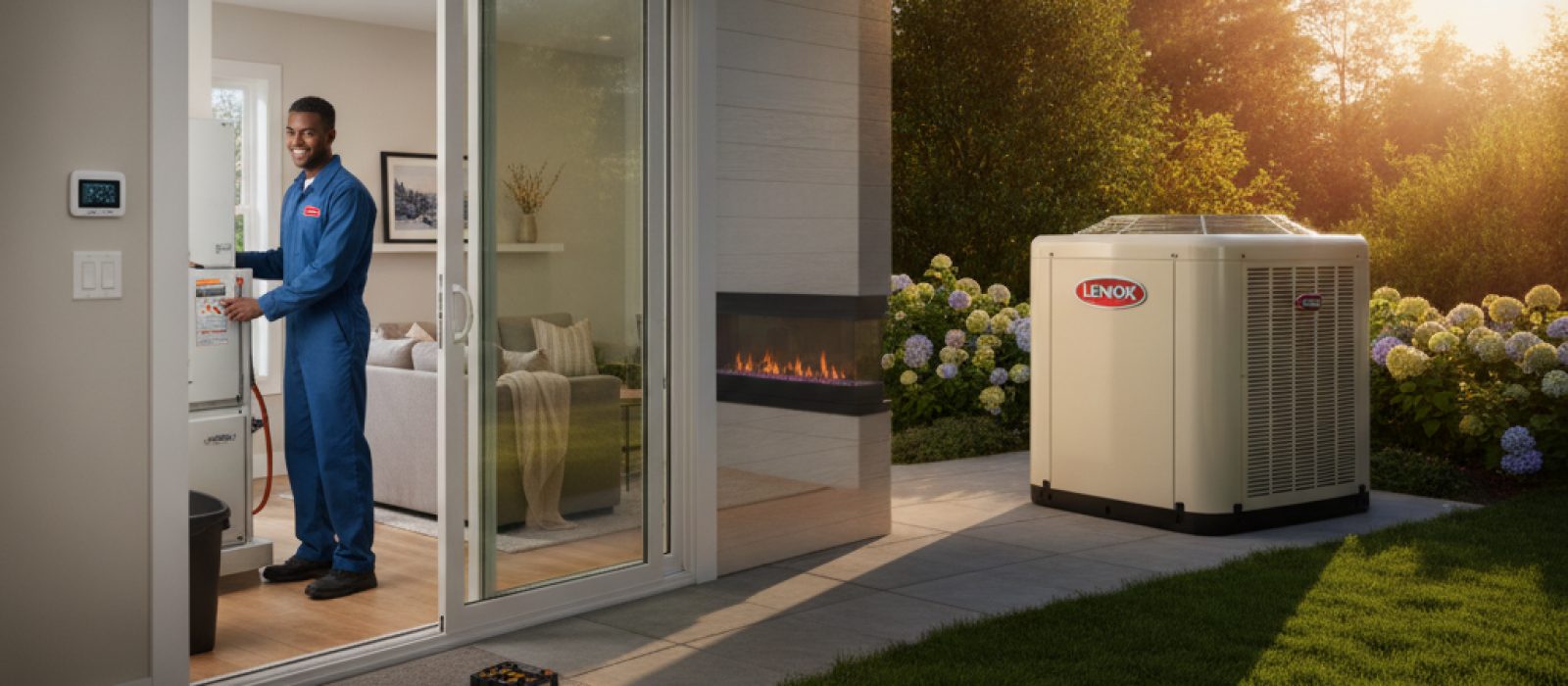
Lennox Furnaces and Heat Pumps: Repair Costs and Buying Guide
A practical guide for homeowners evaluating Lennox heating and cooling systems, covering repair expectations, maintenance needs, and replacement factors.
4 min read

When your heating system kicks on, runs for a short period, and then shuts off before the thermostat's set temperature is reached, only to turn on again shortly after, it's experiencing what HVAC professionals call "short cycling." While a heater should cycle on and off to maintain comfort, frequent and rapid cycling is not normal. It can lead to higher energy bills, uneven heating, and premature wear and tear on your furnace. Let's explore the common reasons behind this frustrating issue and what you can do about it.
One of the most frequent culprits behind short cycling is an oversized furnace. If your heating system is too powerful for the size of your home, it will heat the space very quickly. The thermostat will register that the desired temperature has been met almost immediately, causing the furnace to shut down. However, because the heat hasn't had time to distribute evenly, the thermostat will soon detect a drop in temperature, triggering the furnace to start again. This cycle repeats, leading to inefficient operation and discomfort.
A dirty or clogged air filter restricts airflow to your furnace. When airflow is impeded, the heat exchanger can overheat. Most modern furnaces are equipped with safety features that will automatically shut down the system to prevent damage when overheating is detected. Once the component cools slightly, the furnace may attempt to restart, only to overheat and shut down again. Regularly checking and replacing your air filter (at least every 1-3 months) is a simple yet crucial maintenance task.
Your thermostat is the brain of your heating system. If it's faulty, improperly calibrated, or located in a poor spot (like near a draft or direct sunlight), it can send incorrect signals to your furnace. A thermostat that isn't accurately reading the room temperature can cause the system to turn on and off erratically. Consider checking its batteries, ensuring it's level, and making sure it's not exposed to unusual temperature influences.
Beyond a clogged filter, other issues can restrict airflow. These include:
The flame sensor is a safety device that detects if a flame is present in the burner. If the sensor is dirty or faulty, it might not detect the flame even when it's present, causing the furnace to shut down as a safety precaution. This can lead to the system repeatedly attempting to ignite and then shutting off.
The blower motor is responsible for circulating heated air throughout your home. If the blower motor is failing or experiencing issues (like a bad capacitor), it may not be able to move enough air, leading to overheating and short cycling.
Before calling an HVAC technician, you can perform a few basic checks:
If these steps don't resolve the short cycling, it's time to call a qualified HVAC professional. Diagnosing and repairing issues like an oversized furnace, faulty flame sensors, or ductwork problems requires specialized tools and expertise. An experienced technician can accurately identify the root cause, recommend the appropriate repair, and ensure your heating system operates safely and efficiently. Addressing short cycling promptly will not only restore comfort to your home but also extend the lifespan of your furnace and keep your energy bills in check.
A practical guide for homeowners evaluating Lennox heating and cooling systems, covering repair expectations, maintenance needs, and replacement factors.
Learn how the Carrier Infinity series heat pumps and ductless systems balance high-efficiency heating with advanced climate control features.
Learn how the air handler functions as the heart of your HVAC system, circulating air and regulating temperature throughout your home.
Learn how specific furnace brands influence repair frequency, component availability, and the diagnostic process for your home heating system.
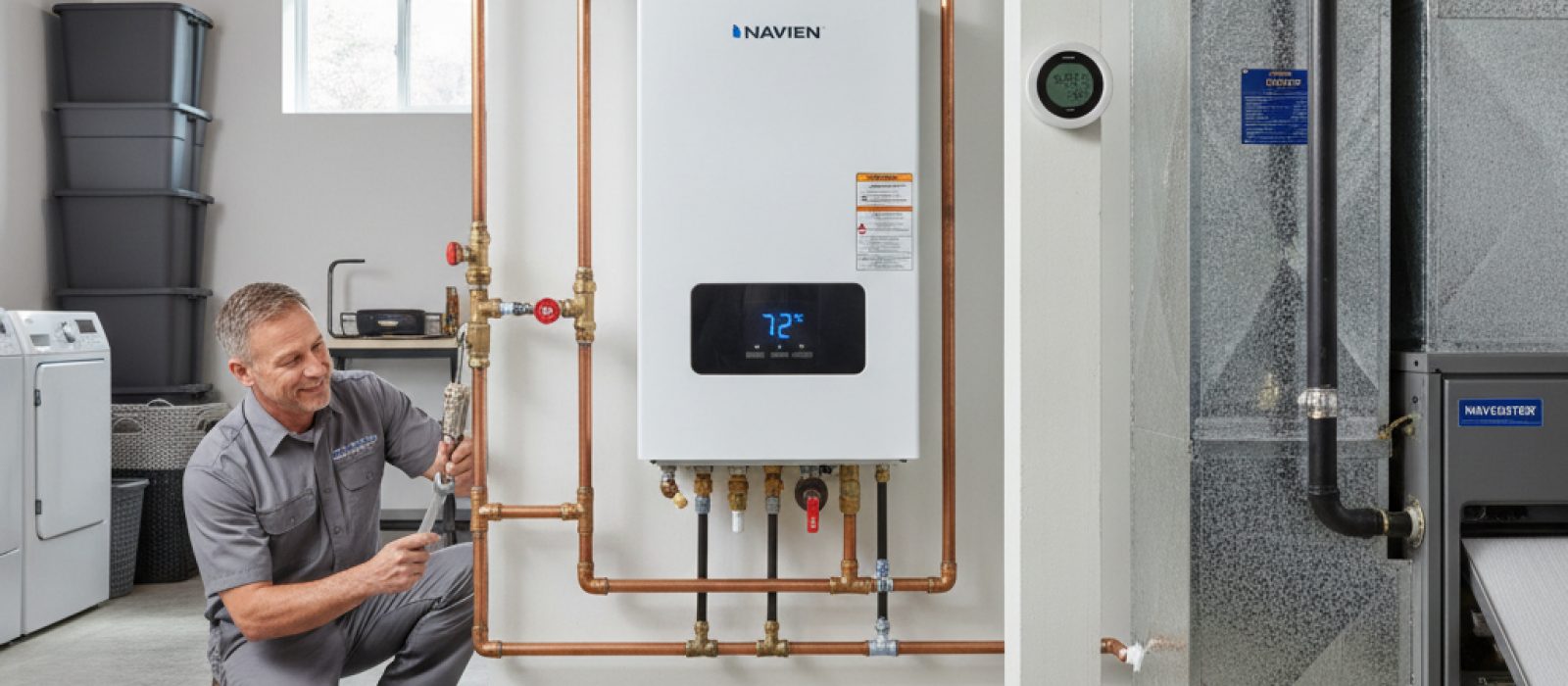
Evaluate the performance, efficiency, and installation requirements of Navien boilers for your residential heating system.
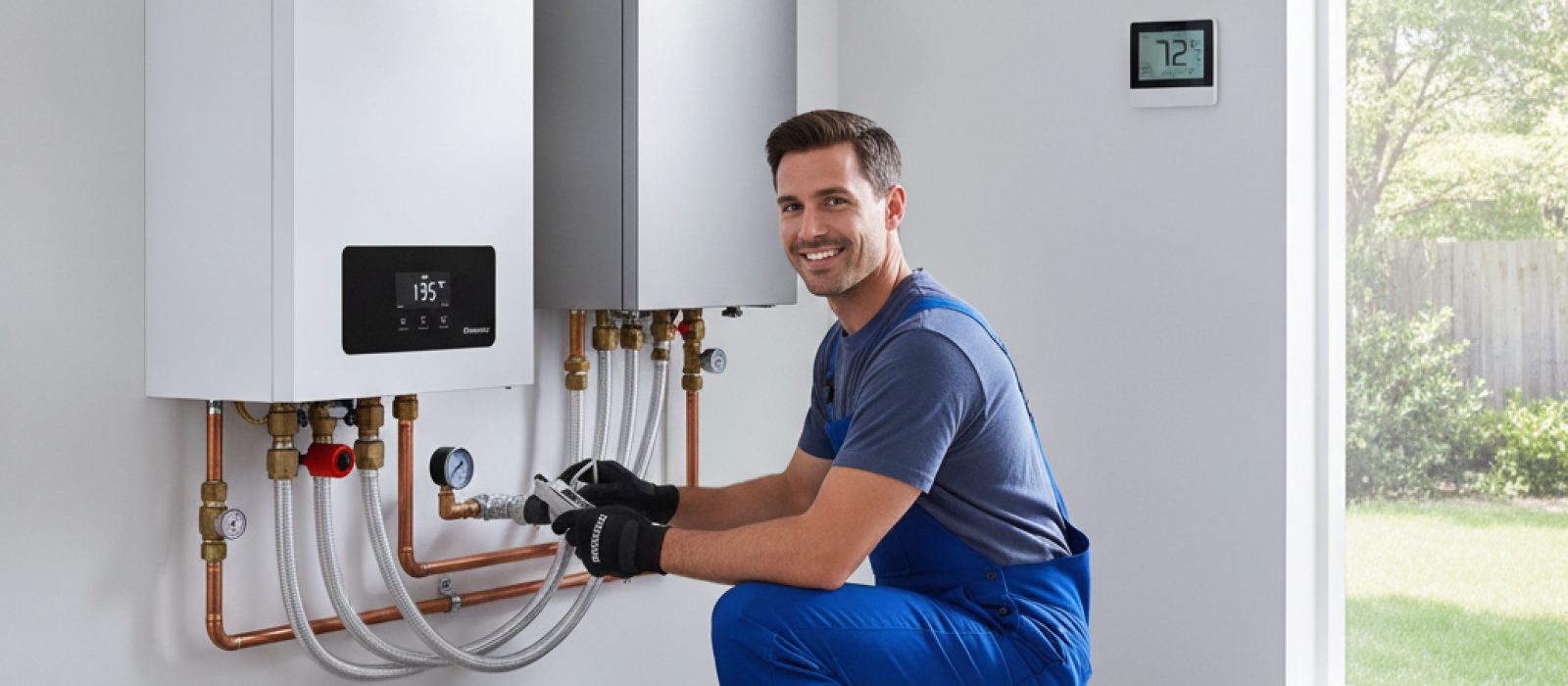
Learn how Rinnai combi boilers provide dual-function heating and hot water, helping you decide if this high-efficiency technology fits your home.
Be the first to comment.