
Lennox Furnaces and Heat Pumps: Repair Costs and Buying Guide
A practical guide for homeowners evaluating Lennox heating and cooling systems, covering repair expectations, maintenance needs, and replacement factors.
4 min read

Radiant floor heating delivers warmth directly to the floor surface of a room through infrared radiation. Unlike forced-air systems that rely on convection to circulate heat through vents, radiant systems heat the objects and people within a space rather than the air itself. This method eliminates the drafty cold spots often found near windows or doors and provides a consistent temperature profile from floor to ceiling.
The two primary types of radiant floor heating are hydronic and electric. Hydronic systems circulate heated water through a network of specialized tubing installed under the flooring, typically connected to a boiler or a heat pump. Electric radiant systems utilize heating cables or conductive mats embedded directly into the floor assembly. Both systems function as a secondary or primary heat source depending on the insulation levels of the building envelope.
Hydronic systems are generally favored for larger installations or entire homes. Because they use water as the thermal medium, they offer significant operational efficiency. The heat source—often a high-efficiency boiler or integrated water heater—warms the fluid, which a pump then circulates through the tubing loops. Zoning is a major advantage here; by using manifolds and individual zone valves, homeowners can customize the temperature of specific rooms, which often leads to reduced energy consumption.
Installation of hydronic systems typically requires a significant subfloor preparation. Tubing is often laid out in a serpentine or grid pattern and secured to the subfloor. In some cases, a lightweight concrete or gypsum-based topping is poured over the tubes to act as a thermal mass, which helps store heat and release it gradually. This thermal mass ensures the system provides a steady, long-lasting warmth even after the heat source cycles off.
Electric radiant heating is most common in smaller, localized areas such as bathrooms, kitchens, or sunrooms. These systems consist of thin electric heating elements that are easy to install under tile, stone, or laminate flooring. Because they do not require a boiler, circulating pumps, or complex piping, the initial installation footprint is minimal.
These systems are highly responsive, reaching desired temperatures quickly compared to hydronic systems with heavy thermal masses. However, they are generally more expensive to operate for whole-home heating due to the cost of electricity. Homeowners often pair these with smart Thermostat Services to ensure the heat is only active when the space is occupied, optimizing usage patterns for maximum efficiency.
One of the most cited benefits of radiant heating is the improvement in Indoor Air Quality. Because there is no forced air moving through ducts, the system does not pick up or redistribute dust, pet dander, or allergens throughout the home. This makes it an ideal choice for households with occupants who have respiratory sensitivities.
Comfort is another significant factor. Radiant heat eliminates the noise associated with blower motors and the periodic clicking or banging of metal ductwork. Furthermore, because radiant systems do not rely on airflow, they prevent the rapid drying of air that often occurs with traditional furnaces. When properly integrated into a home's overall design, these systems work seamlessly with other Heating Services to maintain a comfortable environment year-round.
The primary barrier to radiant heating is the installation complexity. Retrofitting an existing home is invasive, as it requires removing finished flooring and potentially raising floor heights to accommodate tubing or cables. For this reason, radiant heating is most cost-effectively installed during new construction or a major renovation.
Another consideration is the response time. Radiant systems, particularly hydronic versions with concrete thermal mass, are slow to heat up and slow to cool down. They are not designed for rapid temperature fluctuations. Homeowners must also consider the compatibility of their chosen floor covering. While tile and stone are excellent conductors of heat, some wood or carpet products can act as insulators, potentially reducing the efficiency of the system. Consulting with experts in Ductwork Services or general heating professionals can help determine if the existing home structure can support the weight and thermal requirements of a radiant installation.
The cost of radiant floor heating varies by system and region. Hydronic systems carry higher upfront costs due to the need for a boiler, piping, pumps, and specialized labor. Electric systems have a lower entry cost but can lead to higher monthly utility bills depending on local electricity rates. Factors influencing the total investment include the square footage of the area, the complexity of the floor layout, and the type of floor finish selected. Professional installation is mandatory for hydronic systems to ensure the integrity of the plumbing and pressure testing. While some electric mat systems are marketed for DIY installation, many local jurisdictions require that the electrical connections be performed by a licensed professional to meet safety codes and warranty requirements.
Hydronic systems require periodic maintenance to function reliably. This includes checking the boiler pressure, ensuring the pump is operating correctly, and inspecting the manifold for leaks. Much like standard plumbing maintenance, keeping the system free of air bubbles and ensuring the fluid mixture is correct is vital for longevity. If the home uses a complex system, integrating regular maintenance into a broader plan for Plumbing Services can help prevent unexpected failures during the heating season. Electric systems, by contrast, require virtually no maintenance once installed, provided the electrical circuit remains stable and the thermostat is calibrated correctly.
A practical guide for homeowners evaluating Lennox heating and cooling systems, covering repair expectations, maintenance needs, and replacement factors.
Learn how the Carrier Infinity series heat pumps and ductless systems balance high-efficiency heating with advanced climate control features.
Learn how the air handler functions as the heart of your HVAC system, circulating air and regulating temperature throughout your home.
Learn how specific furnace brands influence repair frequency, component availability, and the diagnostic process for your home heating system.
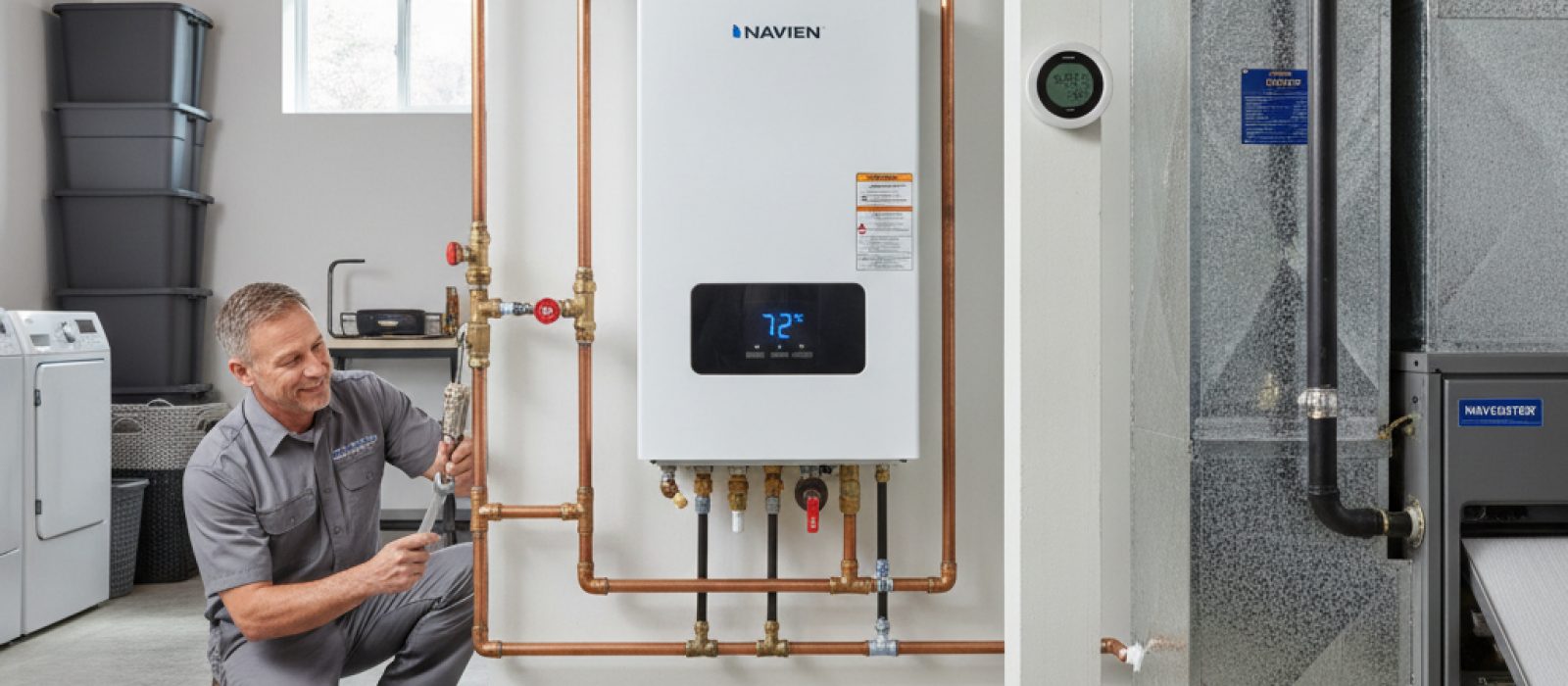
Evaluate the performance, efficiency, and installation requirements of Navien boilers for your residential heating system.
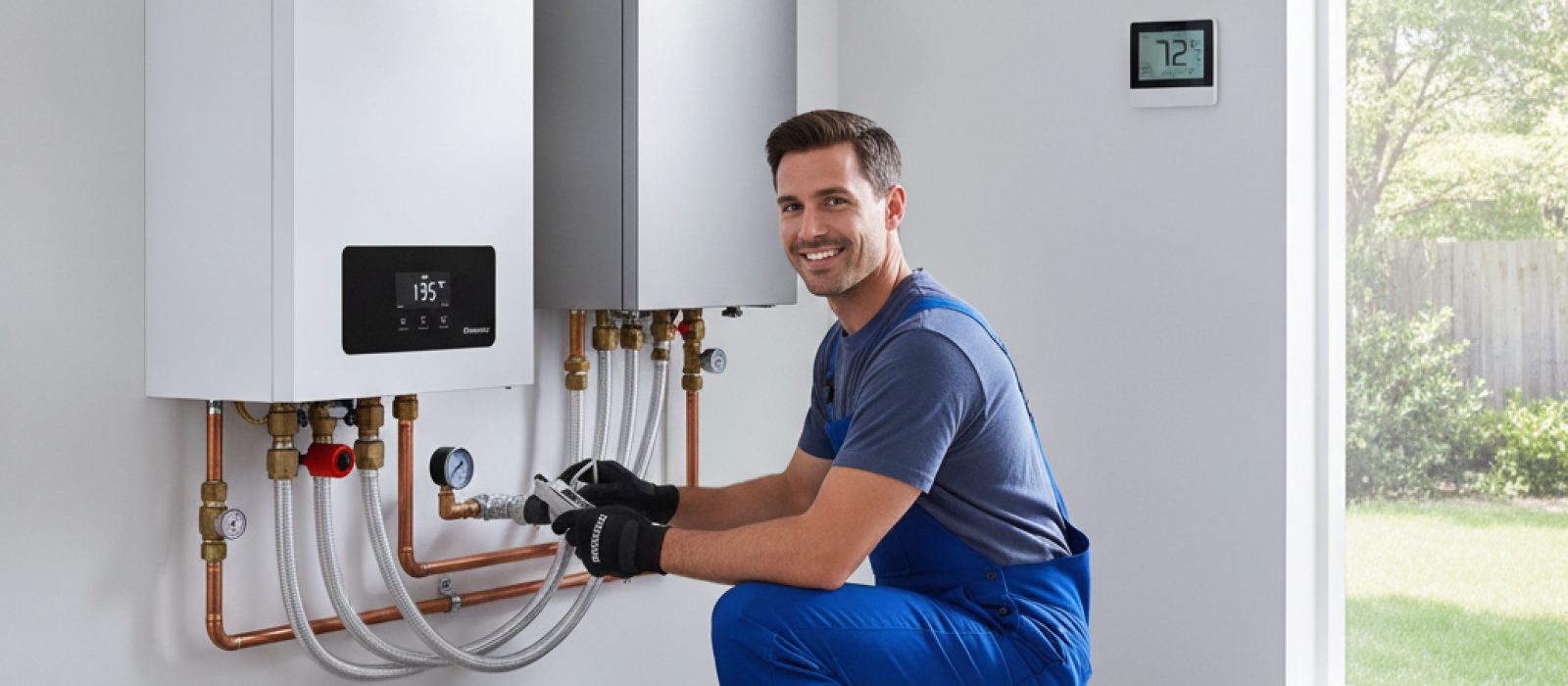
Learn how Rinnai combi boilers provide dual-function heating and hot water, helping you decide if this high-efficiency technology fits your home.
Be the first to comment.